
Selecting the perfect rechargeable lamp shade for bedside reading in the Philippines requires a thoughtful balance of eye comfort, physical design, and power reliability. In a tropical climate where seasonal power interruptions or sudden brownouts can disrupt your evening routine, having a cordless light source is highly practical. The right setup does more than just illuminate your pages; it diffuses light to prevent eye strain, fits seamlessly onto your nightstand, and offers a reliable battery life that matches your reading habits. By focusing on key specifications and safety standards, you can find a portable lighting solution that enhances both your sleep hygiene and your bedroom decor.
Understanding Rechargeable Shades vs. Cordless Reading Lamps
When searching for a rechargeable lamp shade on online marketplaces, it is essential to understand what these terms mean in the lighting industry. Most products sold under this category are integrated cordless table lamps, where the light source, battery, and shade are designed as a single, cohesive unit. These integrated lamps are highly portable and ready to use out of the box, making them a popular choice for modern bedrooms.
Alternatively, you might encounter standalone rechargeable lamp shades or bulb adapters. These are specialized accessories designed to convert a traditional, corded lamp into a cordless one. If you choose to buy a separate decorative shade to pair with an existing cordless base, you must perform compatibility checks. Verify the mounting mechanism—such as an UNO slip-on fitter that slides over the socket, or a spider fitter that requires a harp—to ensure a secure fit.
Products mentioned in this guide
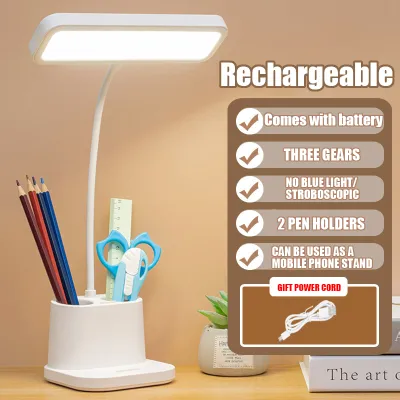
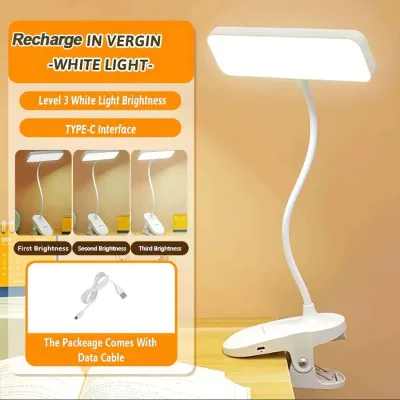
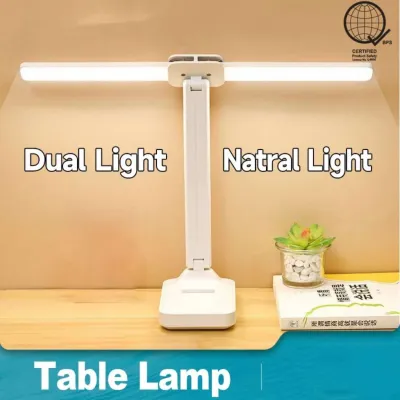
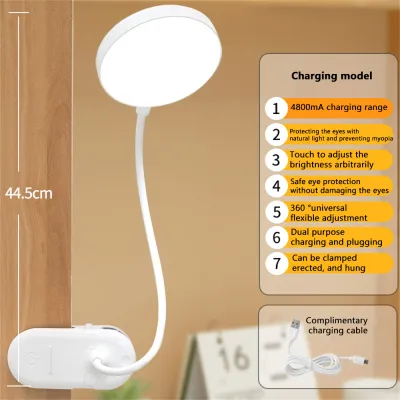
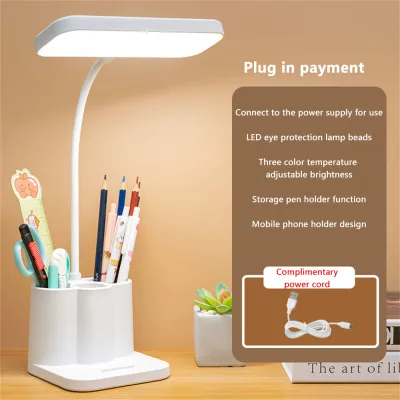
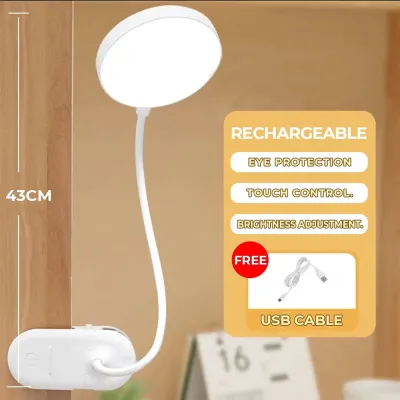
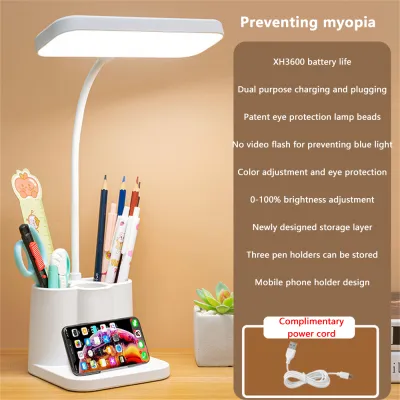
Prices are valid at publication and may change. Please refer to the product page for the latest price.
The structural differences between fixed bedside lamps and portable rechargeable alternatives are significant. Fixed lamps rely on a continuous 220V grid connection, limiting their placement to areas near electrical outlets. In contrast, rechargeable options give you the freedom to reposition your light source without managing tangled cords, which keeps your nightstand looking clean and organized.
Key Lighting Features for Comfortable Nighttime Reading
Achieving the ideal optical performance is crucial for preventing eye strain during late-night reading sessions. The first feature to evaluate is the dimming capability of the lamp. Look for models that offer step-less dimming or at least three distinct brightness levels. This flexibility allows you to adjust the light to match the ambient room conditions, ensuring the illumination is bright enough for reading fine print but soft enough to avoid disturbing a sleeping partner.

Color temperature plays an equally important role in preparing your body for sleep. For evening reading, warm white light ranging from 2700K to 3000K is highly recommended. This warm hue mimics natural sunset tones, helping to signal to your brain that it is time to wind down. Avoid cool white or daylight settings exceeding 5000K before bed, as these blue-toned lights can interfere with your natural sleep cycle and cause unnecessary glare on white pages or digital screens.
The material and inner lining of the lamp shade directly affect how light is distributed across your bed. Fabric shades made of linen or cotton are excellent for diffusing light evenly, creating a soft glow that minimizes harsh shadows. If you prefer a more focused beam for targeted reading, look for opaque or metal shades that direct the light downward onto your book. In the humid climate of the Philippines, ensure that fabric shades are kept in well-ventilated areas and cleaned regularly to prevent dust accumulation and moisture-related wear.
Sizing and Placement for Your Nightstand Setup
To ensure your rechargeable lamp functions effectively, its physical dimensions must match your bedside table and your preferred reading posture. A practical rule of thumb is to select a lamp where the bottom of the shade aligns closely with your eye level when you are sitting up in bed. If the lamp is too tall, the exposed bulb will shine directly into your eyes; if it is too short, the shade will cast a shadow over your book, forcing you to slouch.
The footprint and weight of the lamp base are critical safety considerations, especially for compact or cluttered nightstands. A base with a weighted bottom or a non-slip silicone pad prevents the lamp from tipping over when you reach for a glass of water or turn off the light in the dark. Lightweight plastic models are highly portable but can be easily knocked over by a stray hand or a moving curtain.
Consider how you position yourself while reading. If you alternate between sitting upright, propping yourself up with pillows, or lying on your side, look for a lamp with an adjustable neck or a tilting shade. This flexibility allows you to redirect the light beam precisely where you need it, ensuring consistent illumination regardless of your physical posture.
Battery Runtime and Charging Safety Checks
A reliable battery is the backbone of any cordless bedside lamp. When evaluating battery capacity, look for the milliampere-hour (mAh) rating on the product specifications. For typical daily reading sessions of one to two hours, a moderate battery capacity will easily last a week on a single charge. Keep in mind that operating the lamp at its maximum brightness setting will drain the battery much faster than using a low, ambient dimming level.
Charging convenience is another factor that keeps your nightstand tidy. Modern rechargeable lamps often feature USB-C ports, allowing you to share the same charging cable used for your smartphone or tablet. Check the length of the included charging cable to ensure it can comfortably reach your nearest wall outlet or power strip when it is time to plug the unit in.
Safety should always be a priority when introducing battery-powered electronics into your sleeping area. When budgeting for your lighting setup, look for options that offer the best balance of safety certifications and battery life rather than simply choosing the cheapest unbranded models on the market. Verify that the product carries recognized electrical certifications, such as the Philippine Standard (PS) mark or the Import Commodity Clearance (ICC) sticker, which indicate compliance with local safety regulations. Additionally, check the manufacturer’s product labels for built-in safety features, including overcharge protection, short-circuit prevention, and heat dissipation mechanisms to ensure the lamp remains cool to the touch during extended use.
Frequently Asked Questions (FAQ)
Can I use a rechargeable lamp while it is plugged in?
Yes, many modern rechargeable lamps support pass-through charging, allowing you to use the light while it is connected to a power source. However, doing this continuously can generate additional heat, which may gradually degrade the battery’s overall lifespan. To preserve the health of the internal lithium-ion battery, it is best to charge the lamp fully, use it cordlessly, and plug it back in only when the battery level runs low.
How do I calculate the right battery runtime for my reading habits?
To estimate your runtime needs, multiply your average nightly reading duration by the number of days you wish to go between charges. For example, if you read for one hour every night and want to charge the lamp only once a week, you need a minimum of seven hours of active runtime. Always compare this estimate against the manufacturer’s specifications, keeping in mind that advertised runtimes are often calculated using the lowest brightness setting.
Are touch-control rechargeable lamps better for bedside use?
Touch-control lamps offer distinct advantages for bedside environments, as they allow you to turn the light on or adjust the brightness with a simple tap, eliminating the need to fumble for a physical switch in the dark. They also operate silently, which is ideal if you share a room. However, if you are prone to accidentally bumping your nightstand or have pets that climb on furniture, a physical switch might be more reliable to prevent accidental activation.

Community discussion
Share your experience or ask a question. Comments are reviewed before publication.