
Choosing a rechargeable outdoor wall lamp for a covered corridor in the Philippines requires balancing weather resistance against high humidity, matching battery capacity to your nightly usage, and selecting a mounting method that handles local wall materials like concrete or wood. Because these areas are semi-exposed, you must verify specific product labels rather than assuming any indoor fixture will suffice.
Covered corridors, walkways, and verandas are essential transition zones in tropical homes. They keep the rain out but still expose fixtures to blowing moisture, salty air in coastal areas, and intense heat. A rechargeable wall lamp outdoor option offers a wire-free solution, especially useful during power interruptions or in areas where running new electrical conduit is impractical or costly. By focusing on key specifications, you can find a reliable lighting setup that enhances both safety and home aesthetics.
Assessing Your Covered Corridor's Lighting Needs
Walkways require uniform light distribution to prevent dark spots that could cause trips or slips. To begin, measure the length of your corridor and the height of the walls. For a standard walkway, spacing fixtures roughly 1.5 to 2.5 meters apart is a common starting point, depending on the lamp’s beam angle. This spacing ensures that the light pools overlap slightly, eliminating shadows without requiring an excessive number of units.
Products mentioned in this guide
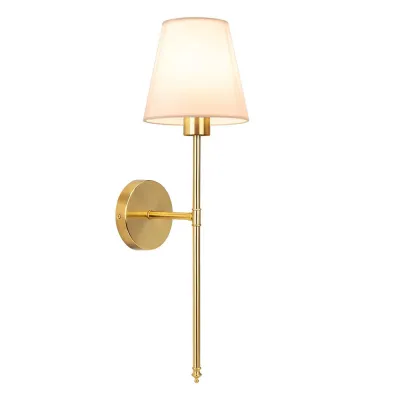
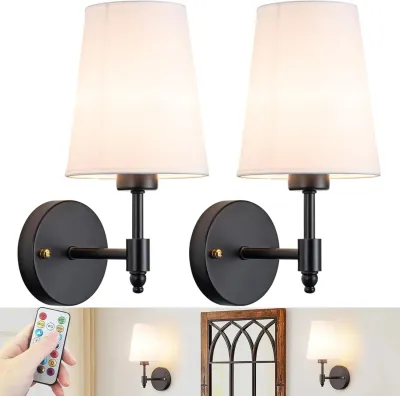
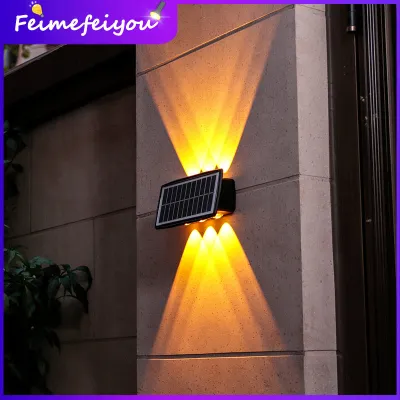
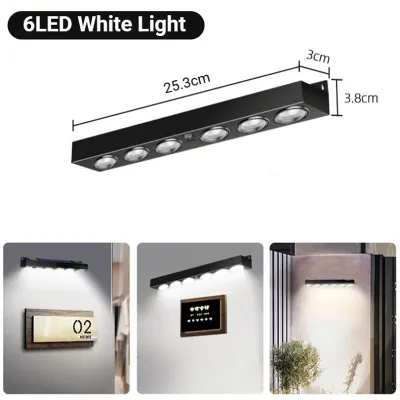
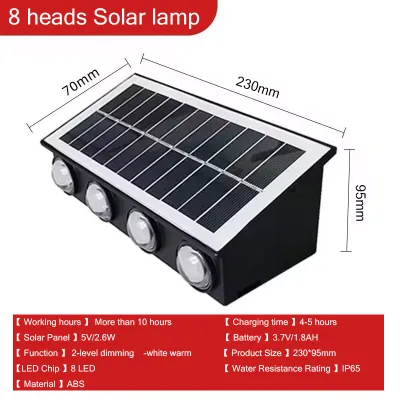
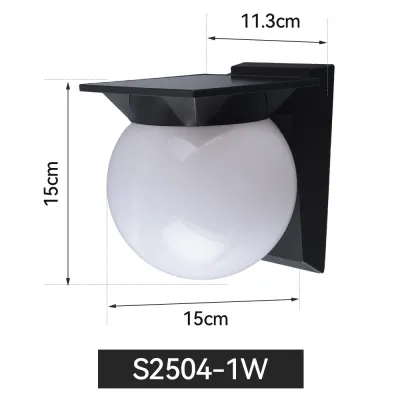
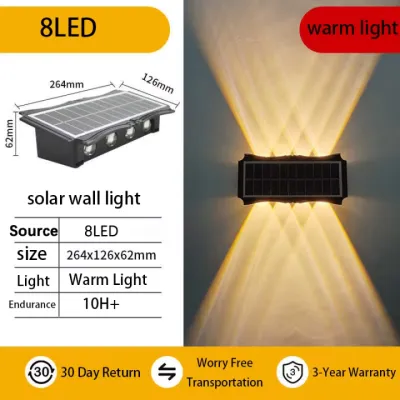
Prices are valid at publication and may change. Please refer to the product page for the latest price.
Consider the wall height when planning your layout. Mounting fixtures at eye level—typically around 1.5 to 1.7 meters from the floor—prevents direct glare while casting sufficient light downward onto the path. If your corridor has a low ceiling, you may need to adjust this height downward slightly or choose fixtures with a hooded design that directs all light toward the ground.
Determine the primary function of the illumination. If you need the lamp for safe navigation at night, look for fixtures that direct light downward. For security, a wider, brighter beam is preferable. If you only want an ambient glow for evening relaxation, a lower-lumen, warm-white light (typically 2700K to 3000K) creates a cozy atmosphere. Note that color temperature is a matter of personal preference; cool white (5000K or higher) may feel more clinical but can improve visibility in utility areas.
Take note of existing light sources, such as streetlights, indoor spillover, or neighboring security lights. Overlapping bright lights in a narrow corridor can cause uncomfortable glare, so choose adjustable brightness settings if your space already has partial illumination. This flexibility allows you to dim the wall lamps when other lights are active, saving battery power.
Verifying Weather Protection and Material Durability
Even if your corridor is covered, wind-driven rain and high tropical humidity can easily penetrate low-quality fixtures. You must verify the Ingress Protection (IP) rating on the product packaging or manufacturer specification sheet. This rating is the standard measure of how well a fixture resists environmental elements.

An IP rating consists of two digits. The first digit (0 to 6) measures protection against solid objects like dust, while the second digit (0 to 9) measures liquid resistance. For a covered corridor that is open to the elements on one or more sides, look for at least an IP44 rating, which protects against splashing water from any direction. If the area is highly exposed to heavy downpours or blowing rain, upgrading to an IP54 or IP65 rating is a safer choice to prevent water ingress.
Material selection directly impacts how long the fixture will last in the humid climate of the Philippines. Look for corrosion-resistant materials such as high-grade polycarbonate, UV-stabilized ABS plastic, or powder-coated aluminum. Standard steel or untreated metals can rust rapidly when exposed to salty coastal air or persistent seasonal humidity, leading to structural failure or unsightly staining on your walls.
Check the manufacturer’s stated operating temperature and environmental limits. Outdoor fixtures can heat up significantly under direct afternoon sun, even under a roof canopy. Ensure the battery and housing are rated to handle ambient temperatures exceeding 35°C without degrading or posing a safety risk. Avoid installing fixtures in tight, unventilated corners where heat can build up.
Matching Battery Capacity to Your Usage Routine
Rechargeable wall lamps rely on internal batteries, typically lithium-ion or lithium iron phosphate (LiFePO4). To estimate how long the light will stay on, compare the battery capacity labeled in milliampere-hours (mAh) or watt-hours (Wh) against the manufacturer’s stated runtime at various brightness levels. Keep in mind that actual performance can vary based on local temperatures and battery age.
A higher lumen output consumes battery power much faster. If you plan to keep the corridor illuminated all night (8 to 12 hours), you will need a larger battery capacity or a lamp that features an eco-mode or motion-sensor activation. Motion sensors are highly efficient because they keep the light at a low standby glow or completely off until someone approaches, drastically extending battery life between charges.
Evaluate how you will charge the fixture. If your corridor lacks outdoor power outlets, look for a rechargeable wall lamp outdoor model with a detachable mounting bracket or a removable battery pack. This allows you to bring the light or the battery inside to charge via a standard USB-C cable without unscrewing the entire fixture from the wall.
Alternatively, solar-assisted models feature a small solar panel that can be mounted on the edge of the roof where it receives direct sunlight, feeding power back to the corridor lamp. If you choose this option, ensure the solar panel has a clear line of sight to the sky, free from overhanging trees or roof structures that block the sun.
Verify if the product includes built-in battery indicators. A simple LED light that changes color or a multi-segment display helps you monitor when it is time to recharge. Some advanced models also feature auto-dimming, which automatically lowers the brightness as the battery drains to ensure you are not left in complete darkness before morning.
Planning Safe Installation and Mounting
Before mounting your new lamp, identify the wall material of your corridor. Concrete and masonry are common in Philippine homes and require a masonry drill bit, plastic wall anchors, and sturdy screws to hold the weight of the fixture securely. Wood or composite walls may only require standard wood screws, but you must ensure the mounting surface is structurally sound and free of rot.
Because rechargeable wall lamps are wireless, they are generally safe and straightforward for DIY installation. However, if you are replacing an old wired fixture or attempting to integrate a rechargeable system with existing electrical switches or backup power lines, you must isolate the main power supply at the circuit breaker first.
For any tasks involving fixed electrical wiring, working at significant heights, or modifying your home’s main electrical panel, always hire a qualified professional electrician to ensure compliance with local electrical codes and safety standards. This prevents accidental shocks, short circuits, or fire hazards.
Always read and follow the manufacturer’s included installation manual. If you encounter unexpected obstacles, such as hitting hidden metal rebar or electrical conduits inside a concrete wall, stop immediately and consult a professional to avoid costly damage or hazardous electrical contact.
Frequently Asked Questions (FAQ)
How do I clean the charging port or solar panel on an outdoor lamp?
To maintain charging efficiency and prevent corrosion, always power off the device before cleaning. Use a dry or slightly damp microfiber cloth to wipe away dust, pollen, or salt residue from the lamp body and solar panel. Avoid using harsh chemical solvents, abrasive pads, or high-pressure water sprays, which can damage protective seals. If your lamp has an exposed USB charging port, ensure it is completely dry and free of debris before plugging in any charging cable.
Can I leave a rechargeable wall lamp plugged in continuously?
Whether you can leave the lamp plugged in depends entirely on the manufacturer’s design. You must check the specific product manual to verify if the fixture has built-in overcharge protection. While some modern rechargeable lamps can safely remain connected to a power source, others may experience accelerated battery degradation or overheating if kept at 100% charge continuously. Following the recommended charging cycles outlined by the manufacturer is the best way to preserve long-term battery health.

Community discussion
Share your experience or ask a question. Comments are reviewed before publication.