
Finding the perfect rotating LED projector light to elevate your condo or bedroom ambient lighting involves looking past the mesmerizing visual effects. While these devices are excellent for creating a relaxing sunset glow or dynamic color patterns, their long-term performance depends on specific optical, mechanical, and electrical features. To make an informed purchase, you must evaluate how the light projects, how quietly the motor rotates, and how safely the unit handles heat in a tropical climate.
Optical and Lighting Specifications
To achieve the desired mood, start by evaluating the light output and color capabilities. Unlike task lighting, ambient projector lights do not require high wattage; a range of 3 to 10 watts is typically sufficient to fill a standard bedroom or condo living space without causing glare. Look for adjustable RGB (Red, Green, Blue) color modes if you want the flexibility to switch between cool blues, warm purples, and vibrant greens. If your primary goal is a realistic sunset effect, verify whether the light uses a dedicated warm-spectrum LED or a multi-color chip that can simulate natural golden-hour gradients.
Lens adjustability is another critical factor for projection clarity. Check if the fixture features a manual focus ring or an adjustable beam angle. This allows you to control the sharpness of the projected boundary, letting you choose between a crisp, defined circle of light or a soft, blended wash that fades gently into the corners of the room.
Products mentioned in this guide
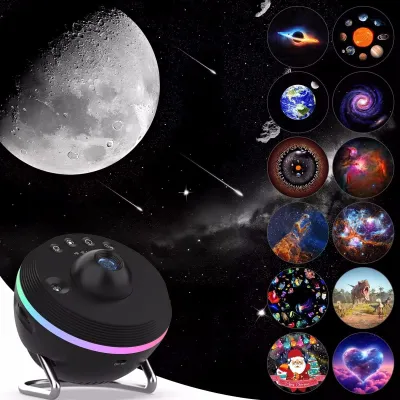
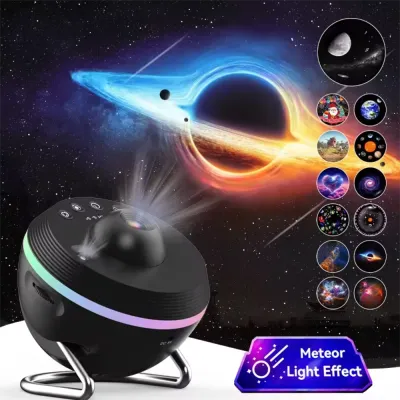
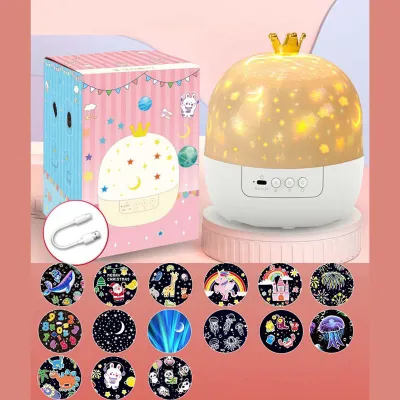
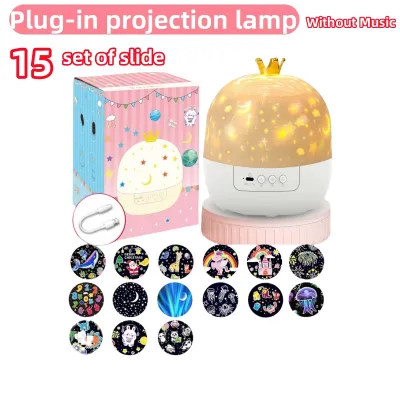
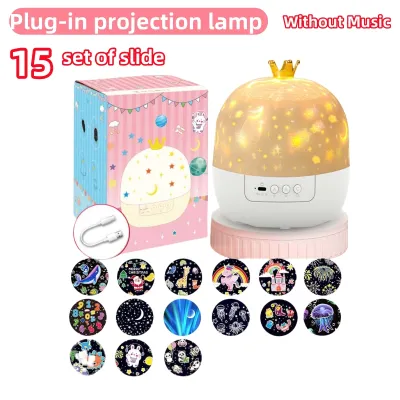
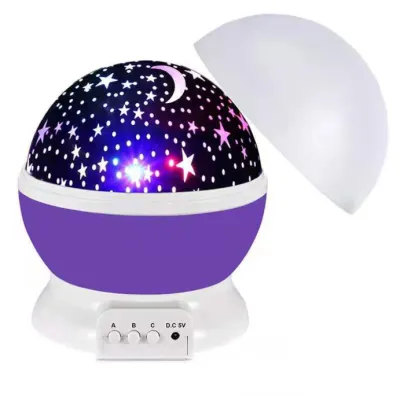
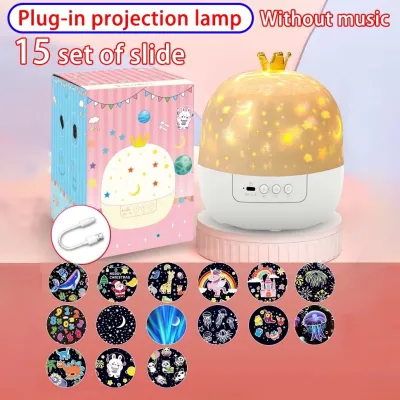
![KOQZM💖[HOT SALE]🎈🎈 360 Rotating LED Ocean Projector Night Light USB Charging Dynamic Lamp with Color Effects for Bedroom Relaxing](https://img.lazcdn.com/g/p/7b5a16199402537f077440522bbc71f5.jpg_400x400q80.jpg_.webp)
Prices are valid at publication and may change. Please refer to the product page for the latest price.
Rotation Mechanics and Noise Levels
The rotating feature adds a dynamic, soothing motion to your space, but it also introduces mechanical components that require careful inspection. Look for models that offer adjustable rotation speeds rather than a single fixed speed. A slow, barely perceptible sweep is ideal for winding down before sleep, while a slightly faster pace can suit social gatherings.

Because these lights are frequently used in quiet bedrooms at night, motor noise is a critical consideration. Since manufacturers rarely list exact decibel ratings, check user reviews on local e-commerce platforms for any mentions of a persistent motor hum or clicking sound. A high-quality brushless motor is generally quieter and lasts longer than cheaper brushed alternatives. Additionally, ensure the base of the projector is sufficiently weighted or features non-slip rubber pads. A stable base prevents the moving head from causing micro-vibrations that can translate into annoying buzzing sounds on wooden bedside tables or desks.
Power Sources and Control Options
How you power and control your rotating LED projector light directly impacts its daily convenience. USB-powered models offer the highest placement flexibility, allowing you to run the light from a standard phone charger, a laptop, or a portable power bank. This is particularly useful in older condos where wall outlets might be limited or inconveniently placed. Direct wall-plug models are also common, but you must ensure the cord length is sufficient for your planned setup without creating a tripping hazard.
Control interfaces range from simple physical switches on the cord to infrared (IR) remotes and mobile applications. An IR remote is highly practical for adjusting colors, rotation speed, and brightness from your bed. If you prefer a seamless smart home setup, look for models that support smart plug integration or feature built-in wireless connectivity. This allows you to set automated schedules, turning the light on automatically at sunset or turning it off late at night to conserve energy.
Build Quality and Safety Verifications
Operating electrical devices in the tropical climate of the Philippines requires paying close attention to heat dissipation and electrical safety. LEDs generate heat, and when enclosed in tight plastic housings with rotating motors, they can run hot during extended use. Look for projector lights designed with aluminum alloy casings or visible ventilation slots to help dissipate heat efficiently.
Examine the build quality of the rotating joints and pivot points. Frequent adjustments can loosen cheap plastic hinges, causing the projector head to droop over time. Finally, always verify electrical compatibility. If the light comes with a direct wall adapter, ensure it is rated for the standard 220V grid in the Philippines and carries recognized electrical safety marks to prevent short circuits or overheating.
Minor Specs That Rarely Affect Ambient Use
When browsing online marketplaces, you can safely ignore certain high-end specifications that drive up the price without improving your experience. For instance, high IP (Ingress Protection) water resistance ratings are unnecessary for indoor ambient lights, unless you specifically plan to place the projector directly next to a humid shower zone.
Similarly, an ultra-high Color Rendering Index (CRI) of 90 or above is vital for reading lamps or kitchen task lights, but it is irrelevant for decorative mood lighting. Sunset and color-changing projectors are designed to distort reality and paint your walls with saturated hues, making natural color accuracy a non-issue. Lastly, do not overpay for complex multi-layer optical lenses; a simple, single-lens system with basic manual focus is more than adequate for projecting clear shapes onto flat walls and ceilings.
Frequently Asked Questions (FAQ)
How far should I place a rotating LED projector light from the wall?
The optimal distance depends on the lens beam angle and your desired projection size. Generally, placing the projector 1 to 3 meters away from the target wall or ceiling yields the best balance of brightness and coverage. Moving the light further away expands the projection area but reduces the overall brightness and sharpness. Test different distances in your room at night to find the sweet spot where the light fills your space without becoming too dim.
Can I leave a rotating LED projector light on all night?
While LEDs are highly efficient, leaving a rotating projector on all night is only recommended if the manufacturer explicitly states it is rated for continuous operation. The combination of a running motor and an active LED light source generates internal heat. To ensure safety and prolong the lifespan of the device, look for models with built-in sleep timers that automatically shut off after one to four hours, or plug the device into a smart outlet to manage its runtime.

Community discussion
Share your experience or ask a question. Comments are reviewed before publication.