
A sculpture floor lamp is more than a simple source of light; it is a functional work of art that can redefine the entire aesthetic of your living space. Unlike standard lighting fixtures that blend into the background, a sculptural lamp is designed to command attention, serving as a visual anchor during the day and a source of curated illumination at night. Choosing the perfect sculpture floor lamp requires a careful balance between striking visual design and practical performance. You must evaluate how the piece interacts with your existing furniture, how its materials withstand environmental factors, and whether its electrical specifications align with your home’s safety requirements. By analyzing these key dimensions, you can select a fixture that not only elevates your interior decor but also provides reliable, safe, and beautiful illumination for years to come.
When shopping for this type of lighting, it is easy to get swept away by dramatic silhouettes and unique materials. However, a successful purchase requires looking beyond aesthetics to consider structural stability, bulb compatibility, and spatial proportions. This guide breaks down the essential design elements, technical specifications, and safety considerations you need to evaluate to find the ideal sculptural lamp for your home.
Key Design Elements and Materials of a Quality Sculpture Floor Lamp
To select a lamp that complements your home, you must first understand the materials and structural elements that define its physical presence. The choice of material affects not only the lamp’s style but also its durability, weight, and maintenance requirements.
Products mentioned in this guide
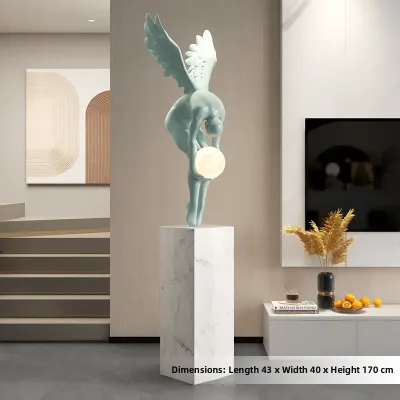

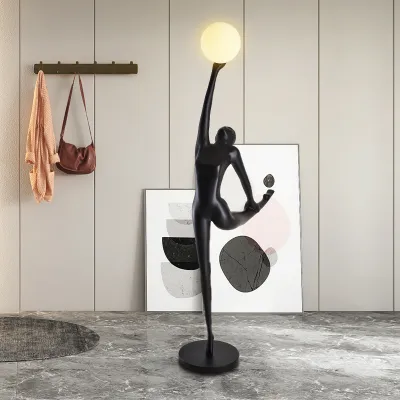
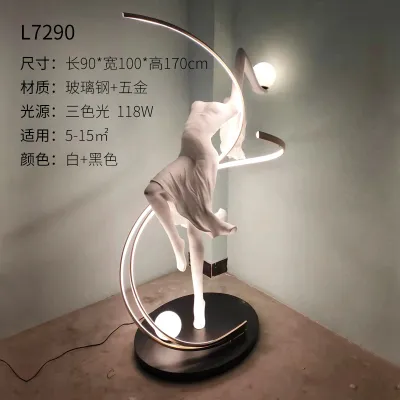

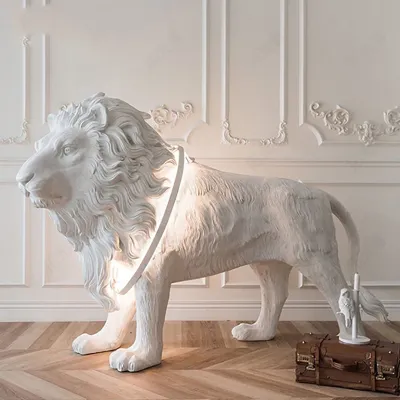
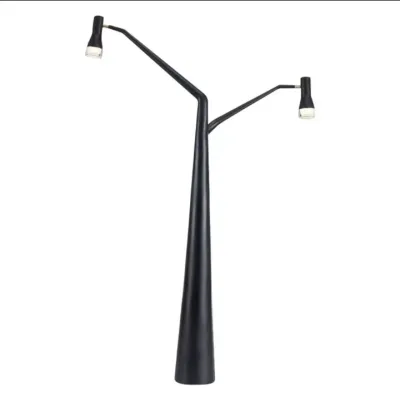
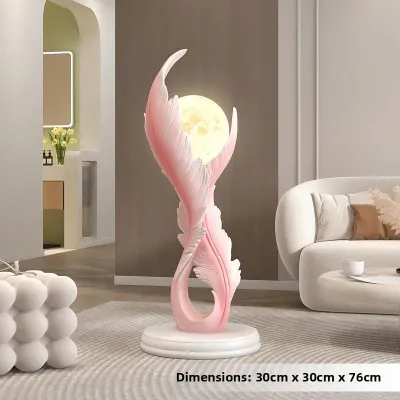
Prices are valid at publication and may change. Please refer to the product page for the latest price.
Material Choices and Finishes
Metals are a popular choice for sculptural lighting due to their strength and versatility. Materials such as brushed brass, matte black steel, and polished chrome offer sleek, clean lines that fit well in modern or industrial spaces. In tropical climates with high humidity, such as the Philippines, metal finishes require careful evaluation. Raw or untreated metals can tarnish or rust over time when exposed to moisture. If you select a metal lamp, verify whether it has a protective anti-corrosion clear coat or powder-coated finish to ensure long-term durability.
Natural stones, including marble and travertine, along with molded solid wood, bring organic texture and warmth to a room. Stone bases provide excellent structural weight, making the lamp highly stable, though they can be difficult to move. Because natural stone is porous, it can absorb liquids and stain if not sealed properly. Molded wood offers beautiful, fluid grain patterns but must be thoroughly treated to prevent warping or cracking in humid environments.
Modern composites, such as high-density resin and fiberglass, allow designers to create complex, fluid, and highly intricate shapes that would be impossible to carve from stone or bend from wood. These materials are lightweight and highly durable, making them versatile options for expressive designs. However, because composite materials are relatively light, you must pay close attention to how the lamp is weighted at the bottom to ensure it does not easily tip over.
It is important to remember that material names alone do not guarantee a specific level of durability or performance. Always check the manufacturer’s care instructions, weight specifications, and finish treatments before making a purchase. A high-quality finish and proper protective coating are essential for preserving the lamp’s appearance over time.
Form, Silhouette, and Base Stability
The silhouette of a sculptural lamp determines how it interacts with the negative space in your living room. A sweeping arc lamp, for example, draws the eye upward and outward, creating a sense of movement, while a solid, columnar lamp provides a grounded, architectural presence. When evaluating the form, consider how the lamp looks from different angles. Because it is a three-dimensional art piece, it should look balanced and visually appealing whether viewed from the entryway, the sofa, or an adjacent dining area.
Physical stability is a critical safety factor that must not be overlooked. Because sculptural lamps often feature asymmetrical shapes, extended arms, or top-heavy decorative elements, they are more susceptible to tipping than standard vertical lamps. This is a vital consideration in active households with children, pets, or high foot traffic.
Before purchasing, check the manufacturer’s specifications for the base weight and footprint dimensions. A safe sculptural lamp should have a heavily weighted base, often reinforced with cast iron or solid stone beneath the decorative cover, to lower the center of gravity. Additionally, look for bases equipped with anti-slip, non-marring pads, such as dense felt or rubber. These pads not only prevent the lamp from sliding if bumped but also protect delicate living room flooring, such as polished hardwood or tile, from scratches and scuffs.
Lighting Performance and Electrical Specifications
While a sculptural lamp serves as a visual statement, its primary function is to illuminate your space. Ensuring that the lamp meets your practical lighting needs and adheres to local electrical safety standards is essential for a successful installation.

Bulb Compatibility and Wattage Limits
Always verify the lamp’s bulb compatibility and socket type before purchasing. Most sculptural floor lamps use standard medium screw bases, such as E26 or E27 sockets, which accommodate a wide variety of bulb types. However, some minimalist or ultra-slim designs may require specialized sockets, such as G9 or GU10 bi-pin bases, which can be harder to source locally.
Strictly adhere to the manufacturer’s maximum wattage limits printed on the socket label. Exceeding the recommended wattage is a serious safety hazard that can lead to overheating, damage to the internal wiring, or even a fire. This is especially critical for sculptural lamps with enclosed shades made of delicate materials like paper, fabric, or resin, which can melt or scorch if exposed to excessive heat. If you want brighter light without exceeding wattage limits, consider high-efficiency LED bulbs, which produce more lumens while consuming a fraction of the wattage and generating minimal heat.
Color Temperature and Ambiance
Perceived color temperature is a conditional preference based on how you use your living room. Color temperature is measured in Kelvin (K), and selecting the right rating is key to setting the desired mood:
- Warm White (2700K – 3000K): This range produces a soft, golden glow that mimics traditional incandescent bulbs. It is ideal for creating a cozy, inviting, and relaxing atmosphere in living rooms, making it perfect for evening wind-downs and casual conversation.
- Neutral White (3500K – 4000K): This range offers a cleaner, brighter light that closely resembles natural daylight. It is well-suited for dedicated reading nooks, study corners, or multi-purpose living spaces where task clarity is important.
- Cool White (5000K and above): This range provides a stark, high-contrast light. It is generally not recommended for living room environments, as it can feel clinical and harsh, detracting from the warm, artistic appeal of a sculptural fixture.
Dimming Capabilities and Controls
To maximize the versatility of your sculptural lamp, consider its dimming capabilities. Built-in physical dimmers, such as rotary knobs, sliding switches, or touch-sensitive poles, allow you to easily adjust the light levels to suit different times of day or activities. However, physical dimming systems require compatible dimmable bulbs. If you install a standard, non-dimmable LED bulb in a dimmable fixture, you may experience persistent flickering, buzzing, or premature bulb failure.
If the lamp does not have a built-in dimmer, you can achieve similar control by installing a smart bulb. Smart bulbs allow you to dim the light, adjust color temperatures, and set schedules via a smartphone app or voice commands. If you choose this route, ensure the lamp’s physical switch is kept in the fully “on” position; operating a smart bulb on a circuit controlled by a traditional physical dimmer can starve the bulb of power and damage its internal electronic driver.
Electrical Safety and Local Standards
In the Philippines, the standard household electrical supply is 220V at 60Hz. When purchasing imported lighting fixtures, especially from online marketplaces, always verify that the lamp’s electrical components, including transformers, ballasts, and plugs, are rated for this specific voltage and frequency. Operating a 110V lamp on a 220V system without a proper step-down transformer will instantly destroy the fixture and pose a severe electrical and fire hazard.
Look for recognized national or international electrical certification marks on the product label to ensure the lamp has undergone rigorous safety testing. These certifications verify that the wiring, insulation, and switch mechanisms meet high safety standards.
For your safety, never attempt to modify the lamp’s plug, splice cords, or bypass grounding pins. If a lamp requires specialized grounding, or if you are considering converting a plug-in floor lamp into a hardwired wall or ceiling installation, always isolate the power at the main circuit breaker and consult a qualified professional electrician to handle the installation.
Spatial Planning, Scale, and Safety in the Living Room
A beautiful lamp can easily look out of place if it is too large, too small, or poorly positioned. Proper spatial planning ensures that your sculptural floor lamp integrates seamlessly into your living room layout without creating physical or visual obstacles.
Scale and Proportion
Before purchasing a lamp, measure your living room’s ceiling height and the dimensions of the surrounding furniture. A sculptural lamp should feel proportional to the volume of the room. In a room with low ceilings, an exceptionally tall or vertical lamp can make the space feel cramped and restricted. Conversely, in a spacious room with high ceilings, a small lamp will lose its visual impact and fail to serve as an effective focal point.
Compare the lamp’s height to nearby seating. If you place the lamp next to a sofa or armchair, the bottom of the shade should ideally sit at eye level when you are seated. This placement prevents the bulb from shining directly into your eyes while providing sufficient light for reading. If you choose an arc lamp, ensure the lowest point of the curved arm clears the heads of tall individuals sitting on or standing near the sofa, and verify that the structure does not block window views or television sightlines.
Traffic Flow and Footprint
Consider the physical footprint of the lamp’s base and any protruding sculptural elements. In a busy living room, walkways must remain completely clear. Avoid placing a lamp with a wide, sprawling base or a dramatic, outward-reaching arm directly in a main path of travel, as this creates a significant tripping hazard.
If you have a compact living room, look for sculptural designs with a vertical emphasis, such as slender columns or narrow geometric towers, which provide artistic flair without consuming valuable floor space. Keep wider, asymmetrical, or low-slung sculptural pieces confined to corners, alcoves, or the spaces between stable furniture arrangements where they are protected from accidental bumps.
Cord Management
Plan the placement of your lamp relative to your electrical outlets. Stretching a power cord across a rug, doorway, or open walkway is both unsightly and dangerous. Ideally, the lamp should be positioned close enough to an outlet so that the cord can run neatly along the baseboard or remain hidden behind furniture.
If you must run a cord across a floor, do not cover it with a standard area rug, as continuous foot traffic can wear down the cord’s insulation over time, creating a hidden fire hazard. Instead, use a low-profile, heavy-duty rubber or silicone cord cover to secure the cord flat against the floor, reducing the risk of trips and protecting the cable from damage.
Heat Dissipation and Clearance
Sculptural lamps often feature unique, semi-enclosed shades made of textured materials to create dramatic shadow patterns. Because these designs can restrict airflow around the bulb, proper heat dissipation is essential. Ensure there is adequate open space around the lamp’s head to allow warm air to rise and escape.
Never place combustible materials close to the bulb or shade. Keep curtains, drapes, hanging tapestries, and dry tropical floral arrangements at a safe distance. If the lamp uses halogen or high-wattage incandescent bulbs, which generate significant surface heat, maintain an even greater clearance to prevent scorching, discoloration, or fire risks.
Recommended Sculptural Styles for Living Rooms
To help you narrow down your choices, it is helpful to categorize sculptural lamps into distinct design styles. Selecting a style that aligns with your existing decor will ensure the lamp feels like an intentional, cohesive addition to your home.
Minimalist Geometric Designs
Minimalist geometric lamps focus on pure form, clean lines, and structural simplicity. Common features include slender metal arcs, perfect spheres, precise cylinders, and stark linear frames. These designs often utilize high-quality metals, such as matte black steel or brushed brass, paired with frosted glass or simple metal shades.
These lamps are highly suited for modern, mid-century modern, or industrial living rooms. Because of their clean, architectural angles, they work exceptionally well in reading nooks or placed directly beside low-profile, streamlined sofas. They add visual interest through their precise silhouettes without overwhelming a clean, uncluttered space.
Organic and Nature-Inspired Forms
Organic sculptural lamps draw inspiration from the natural world, featuring fluid curves, asymmetrical lines, and rich, tactile textures. You will often find materials like molded resin, carved wood, woven rattan, or textured plaster shaped into forms that mimic vines, branches, waves, or pebbles.
These designs are excellent for softening the rigid, straight lines of modern architecture and adding a sense of warmth and comfort. They complement bohemian, eclectic, or contemporary rustic spaces beautifully. An organic lamp works well when positioned near indoor plants or natural wood furniture, creating a harmonious, nature-inspired corner in your living room.
Bold Statement Pieces
Bold statement lamps are designed to be the undisputed focal point of a room. They often feature massive scales, heavy materials, and highly abstract, artistic shapes. Common designs include stacked stone bases, oversized plaster columns, or intricate mixed-media constructions combining metal, glass, and resin.
These pieces are best suited for spacious, high-ceilinged living rooms with ample open floor area. Because they are exceptionally heavy and have a commanding physical presence, they should be given a permanent, secure placement where they do not need to be moved frequently. Position them in large, empty corners or as a visual anchor at the end of a long sofa, ensuring they are kept well away from active play areas to maintain safety.
Frequently Asked Questions (FAQ)
Can I use a smart bulb in a sculptural floor lamp?
Yes, you can use a smart bulb in most sculptural floor lamps, provided the bulb’s base matches the lamp’s socket type (typically E26 or E27) and the bulb fits physically within the shade. However, compatibility depends heavily on the lamp’s control mechanism. If your sculptural lamp features a built-in physical dimming switch, leaving that dimmer on a low setting can restrict voltage to the smart bulb, causing it to flicker, lose its wireless connection, or suffer permanent internal damage. To use a smart bulb safely, ensure the lamp is connected to a simple on/off switch, or leave the physical dimmer set to 100% power at all times.
How do I clean a textured stone or resin lamp base?
To clean a textured stone or resin lamp base, start by unplugging the lamp from the wall outlet to ensure safety. Use a dry, soft microfiber cloth to gently wipe away loose dust and debris. For intricate crevices, deep textures, or carved details, use a clean, dry, soft-bristled makeup brush or paintbrush to dislodge dust without scratching the surface. Always check the manufacturer’s care label before applying any liquids. Avoid harsh chemical solvents, abrasive scrubbing pads, or acidic cleaners, which can strip away protective clear coats, discolor resin, or etch porous natural stone. If a deeper clean is required, use a slightly damp microfiber cloth with water only, and dry the surface immediately with a clean towel.

Community discussion
Share your experience or ask a question. Comments are reviewed before publication.