
Choosing the right table lamp involves balancing functional utility with visual harmony, especially when distinguishing between the intimate environment of a bedroom and the communal nature of a living room. A bedside lamp serves primarily as a task light, designed to focus illumination downward onto a book or device while minimizing eye strain and keeping the rest of the room relatively dark. In contrast, a living room lamp functions as a decorative element and an ambient light source, scattering soft illumination to warm up the space, highlight architectural features, and eliminate harsh shadows.
Understanding these distinct roles is essential because they dictate every aspect of the lamp you choose, from the opacity of the shade and the type of bulb to the physical scale of the base. In tropical climates like the Philippines, where high humidity can affect material durability and open-plan layouts often merge living and dining zones, selecting the appropriate fixture requires careful attention to both construction and light distribution. By analyzing how you interact with each space, you can select a lamp that not only enhances your daily routines but also elevates your home’s overall design.
Selecting a Table Lamp for Bedside Reading
When selecting a lamp specifically for bedside reading, the primary objective is to create a comfortable, localized zone of light that allows you to focus on text without straining your eyes or waking a sleeping partner. This requires a thoughtful combination of directed illumination, controlled glare, and a physical footprint that respects the limited surface area of a typical nightstand. Before focusing on aesthetics, you must evaluate how the lamp directs its output and whether its physical dimensions align with your bed and mattress height.
Products mentioned in this guide

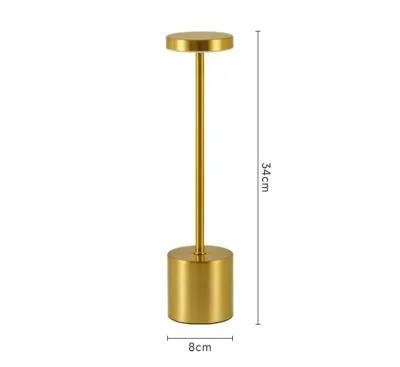
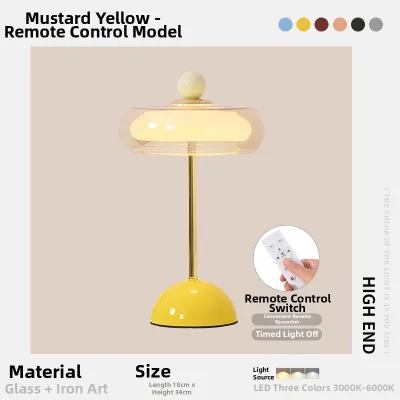
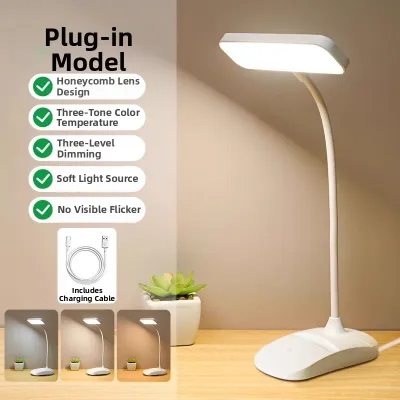
Prices are valid at publication and may change. Please refer to the product page for the latest price.
Light Quality, Brightness, and Glare Control
To achieve comfortable reading conditions, pay close attention to the lamp’s shade material and design. Opaque or dark-lined shades, such as thick fabrics, heavy paper, or metal, are highly effective because they block light from escaping horizontally, directing a clean cone of illumination downward onto your page. This design prevents side glare from striking your eyes or spilling across the bed.
When evaluating bulbs, check the packaging labels for brightness (measured in lumens) and color temperature. For active reading, a neutral tone can aid focus, but for late-night winding down, a warm, gentle tone is generally preferred to help prepare your body for sleep. Additionally, look for functional features like adjustable necks, swing-arm mechanisms, or tilting heads. These mechanical designs allow you to position the light source precisely over your reading material, adjusting the angle as you shift positions without having to move the entire lamp base.
Proportions, Scale, and Switch Accessibility
The physical proportions of your bedside lamp must harmonize with your nightstand and bed height to ensure both comfort and safety. A practical method to avoid direct glare is to measure the height of the lamp so that the bottom of the shade sits roughly at your eye level when you are sitting up against your pillows. If the lamp is too tall, the exposed bulb will shine directly into your eyes; if it is too short, the light cast will be too narrow to cover your book.
Consider the base weight and footprint as well, especially on compact nightstands where space is shared with phones, water glasses, or books. A heavy, stable base prevents accidental tipping when you reach out in the dark. Switch accessibility is another critical ergonomic factor. Compare different switch mechanisms, such as touch-sensitive bases, inline cord switches, or traditional rotary socket switches, and choose one that you can easily operate from a lying position without straining or risking a fall.
Selecting a Table Lamp for Living Room Decoration
In the living room, the design priority shifts from localized task performance to aesthetic integration and ambient light scattering. Here, a table lamp acts as a sculptural element during the day and a source of warm, inviting illumination at night. Rather than focusing light on a single spot, a living room lamp should help soften the overall atmosphere of the room, filling in dark corners and complementing other light sources like ceiling fixtures or wall sconces.

Aesthetic Design, Materials, and Base Stability
Because living room lamps are highly visible decorative objects, their materials, textures, and finishes should complement your existing furniture and decor style. Consider how materials like glazed ceramic, hand-blown glass, brushed metal, or natural wood interact with the room’s textures. Whether you are investing ₱1,500 or more in a designer piece, checking the material composition is essential.
In humid tropical environments, some materials require more maintenance than others; for instance, untreated metals may tarnish, and delicate paper or silk shades can degrade or trap dust more quickly than linen or glass. Always check the manufacturer’s care and cleaning instructions to ensure the materials fit your lifestyle. Furthermore, verify the base weight and dimensions provided by the manufacturer. Living rooms are high-traffic areas, and a lamp placed on an end table, console, or sideboard must have a stable, substantial base to withstand accidental bumps from family members or pets.
Ambient Light Distribution and Dimming Features
To create a warm, welcoming living space, look for lamps with translucent or light-colored shades made of linen, cotton, or frosted glass. These materials allow light to scatter evenly in all directions, illuminating both the table surface and the surrounding walls with a soft, diffused glow.
For maximum flexibility in setting the mood, consider dimming features. You can verify dimmer compatibility by checking the lamp’s product specifications and matching them with dimmable bulb packaging. If you prefer modern convenience, check if the lamp’s physical socket and wiring support smart bulbs, which allow you to adjust brightness and color temperature via an app or voice control, transforming your living room from a bright family gathering space into a cozy home theater.
Evaluating Cross-Scenario Compatibility
If you are looking for a versatile lamp that can transition between the bedroom and the living room, you must carefully weigh the trade-offs of a hybrid design. Some lamps offer adjustable brightness levels and neutral, minimalist aesthetics that can blend into either environment. However, a highly decorative living room lamp with a wide, translucent shade may fail to provide the focused, glare-free task lighting needed for comfortable bedside reading, potentially keeping your partner awake.
Conversely, a utilitarian, highly directional reading lamp with a metal shade might look out of place on a living room console table where ambient diffusion is desired. To determine if a single versatile lamp is right for you, check if your primary use is strictly task-based or decorative. If you spend hours reading in bed, investing in a specialized bedside lamp is highly recommended, whereas a multi-purpose space like a studio apartment may benefit from a transitional design with a dimmable, semi-translucent shade.
Electrical Specifications and Safety Checks
Before purchasing or installing any table lamp, it is vital to verify its electrical specifications to ensure safe operation within your home. Always check the lamp’s rated voltage, plug type, and maximum wattage limit, which are typically printed on a label near the socket or on the base. In the Philippines, the standard household voltage is 220V at 60Hz; using a lamp designed exclusively for 110V without a proper transformer can cause immediate damage or pose a fire hazard.
Ensure the product carries recognized local safety certifications, such as the Philippine Standard (PS) mark or the Import Commodity Clearance (ICC) sticker, which verify that the fixture has undergone rigorous safety testing. For any advanced installations, such as integrating fixed wiring, placing lamps near damp areas like indoor water features, or replacing damaged plugs and cords, always isolate the power first and consult the manufacturer’s instructions or a qualified electrician to prevent electrical shocks or hazards.
Frequently Asked Questions (FAQ)
What is the ideal color temperature for reading versus relaxing?
When choosing a bulb, look at the packaging indicators for color temperature, which describe the light as warm, neutral, or cool. For relaxing in the living room or winding down before sleep, warm light with a yellowish cast is ideal because it mimics the soft glow of sunset and promotes a restful atmosphere. For active reading or detailed tasks, a neutral or slightly cooler white light is preferable, as it provides higher contrast and makes text easier to read. Many modern LED bulbs offer adjustable color temperatures, allowing you to switch modes depending on the time of day.
How do I measure the correct lamp height for my table?
To find the right lamp height, sit in your usual reading or lounging position next to the table where the lamp will be placed. Measure the height from the tabletop to your eye level. For a bedside reading lamp, the bottom of the shade should align closely with this eye-level measurement to keep the bulb hidden while directing light onto your book. For a living room side table, ensure the overall height of the lamp matches the scale of the surrounding sofa and chairs, keeping the shade’s lower edge at or slightly below eye level when seated to prevent glare.

Community discussion
Share your experience or ask a question. Comments are reviewed before publication.