
Selecting the right lighting setup is one of the most direct ways to protect your vision during long hours of reading, writing, or working at a desk. While many people focus entirely on finding the right light bulb, the lampshade plays an equally critical role in determining how that light is distributed across your workspace. The ideal table lampshade for studying to reduce eye strain is a semi-translucent, cone- or drum-shaped shade made of natural, breathable fabric like linen or cotton, featuring a matte white interior lining. This combination balances focused downward task lighting with soft, diffused ambient light, preventing harsh shadows and high-contrast glare that tire your eyes during long reading sessions.
In tropical environments where evening study sessions can feel warm and humid, choosing a well-ventilated shade that manages heat effectively is essential. A poorly chosen shade can concentrate heat, create distracting glares on your laptop screen, or leave you squinting under a harsh, exposed bulb. By understanding how different materials, shapes, and opacities interact with light, you can create a comfortable, visually balanced study environment that supports focus and protects your eyes.
Understanding How Lampshades Affect Eye Comfort During Study
To understand why a lampshade is so important, it helps to look at how your eyes react to different lighting conditions. Direct glare occurs when a bare light bulb shines directly into your eyes, forcing your pupils to constrict tightly to block out the intense light. This constant strain quickly leads to headaches, dry eyes, and physical fatigue. A high-quality lampshade acts as a physical barrier, intercepting these harsh, direct light rays and scattering them evenly across your desk as soft, diffused light.
Products mentioned in this guide
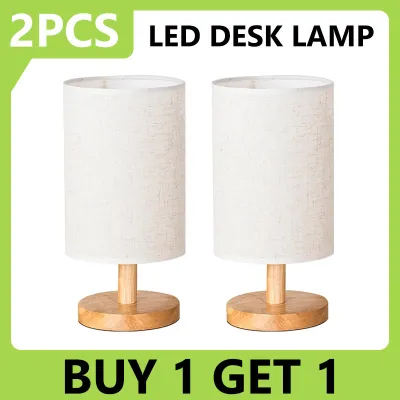
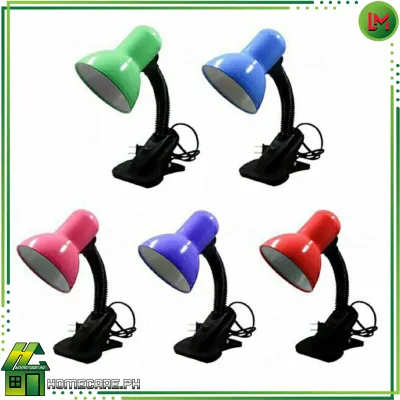
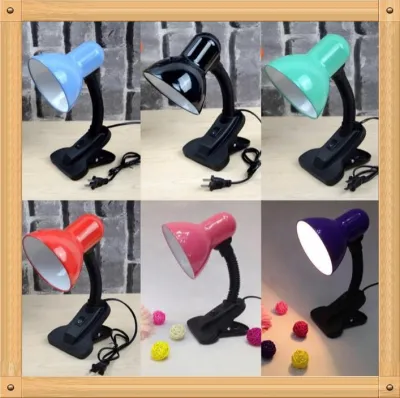
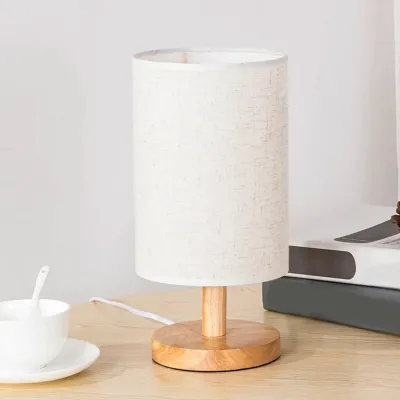
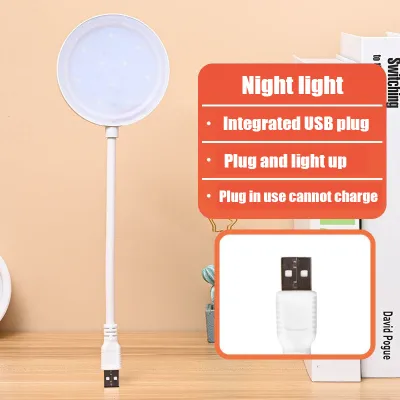
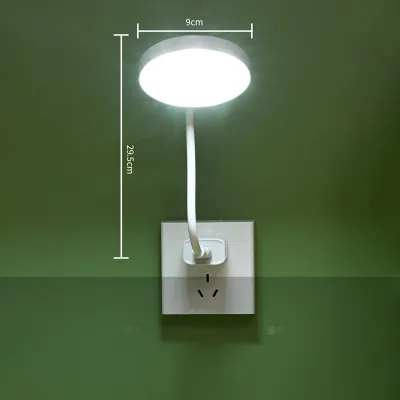
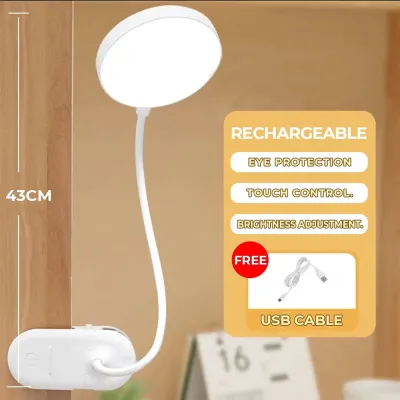
Prices are valid at publication and may change. Please refer to the product page for the latest price.
Another major cause of eye strain is a high contrast ratio between your immediate workspace and the surrounding room. If you study with a single, highly focused spotlight in an otherwise dark room, your eyes must constantly adjust every time you look up from your book and back down again. This rapid dilation and constriction of your pupils tires the tiny muscles in your eyes. A semi-translucent lampshade mitigates this by allowing a gentle glow to escape through its sides, softening the transition between your bright desk and the darker corners of the room.
Finally, a proper lampshade is designed to direct light precisely where you need it without exposing the bare bulb to your seated line of sight. It channels the primary beam downward onto your textbooks, notebooks, or keyboard, while shielding your eyes from the intense source of the light. This balance of targeted task lighting and soft ambient illumination is the foundation of a comfortable, strain-free study space.
Evaluating Lampshade Opacity and Light Transmission
When shopping for a study lampshade, one of the first decisions you will face is choosing between opaque and translucent materials. Opaque shades, which are typically made of metal, thick plastic, or heavy cardstock, do not allow any light to pass through their sides. Instead, they act like a spotlight, funneling all the light out of the top and bottom openings. While this is highly effective for pinpoint task work, it can create incredibly sharp, dark shadows on your desk, forcing your eyes to work harder to read text near the edges of the light pool.

Translucent shades, usually made of fabric, paper, or thin frosted glass, allow a portion of the light to filter through the body of the shade itself. This creates a much softer, more gradual transition from light to shadow on your desk surface. By diffusing the light sideways, translucent shades help illuminate the surrounding room, lowering the overall contrast ratio and creating a much more comfortable environment for extended reading sessions.
To find the right balance, you must verify the bulb’s brightness against the shade’s transmission rate. If you choose a highly dense fabric shade, it may block too much light, tempting you to install a much brighter, higher-wattage bulb to compensate. This can lead to excessive heat buildup, especially in warm climates. When browsing online marketplaces, look for product descriptions that specify light transmission to ensure the shade diffuses light without completely choking the output.
Selecting the Ideal Material and Interior Finish
The materials used to construct a lampshade greatly influence both the quality of the light and the safety of your study setup. The interior lining of the shade is particularly critical. A matte white interior lining is highly recommended for study lamps because it reflects light neutrally and efficiently, maximizing brightness without creating hot spots or glare. Avoid dark interior linings, which absorb light, as well as shiny metallic linings like gold or brass, which can tint the light and create distracting, uneven reflections on your desk.
For the exterior, natural fabrics like linen and cotton are excellent choices. These materials have a clean, classic texture that diffuses light evenly without casting strange, distracting shadow patterns across your workspace. Be cautious of highly textured, heavily patterned, or coarsely woven shades, as the uneven gaps in the weave can project a grid of tiny shadows onto your reading materials, making text difficult to focus on.
In humid tropical regions, heat management is a major consideration. Fabric and paper shades can trap heat, so it is vital to verify the lamp’s heat dissipation limits and maximum wattage ratings, which are typically printed on a specification label near the bulb socket. Using energy-efficient LED bulbs, which emit very little heat, is an excellent way to keep your study area cool and prevent damage to your fabric lampshade.
Choosing the Right Shape and Size for Your Desk Setup
The physical geometry of a lampshade determines how the light spreads across your desk. Cone-shaped shades, which flare outward toward the bottom, provide a wide, generous pool of light. This shape is highly suitable if you have a large desk and need to illuminate multiple items at once, such as a laptop, a notebook, and a reference textbook. However, because the bottom opening is wide, you must position a cone shade carefully to ensure the bare bulb remains hidden from your seated eye level.
Drum shades, which have straight, vertical sides, offer a more balanced and modern look. They direct light equally upward and downward, while providing a consistent, soft glow through the sides. This symmetrical light distribution is excellent for general study spaces, though the downward light pool may be slightly narrower than that of a flared cone shade.
When selecting the size, ensure the shade is wide and deep enough to cover your primary task area while keeping the bulb completely concealed. Additionally, check the base weight and stability of the lamp. A lightweight lamp with a large shade can easily become top-heavy and tip over if you accidentally bump your desk or reach across to grab a pen, potentially damaging your study materials or the lamp itself.
Practical Setup and Adjustment Tips for Extended Sessions
Once you have selected the ideal lampshade, proper positioning is key to maximizing visual comfort. Place your study lamp on the side opposite your dominant writing hand—on the left side if you are right-handed, or the right side if you are left-handed. This simple adjustment prevents your hand from casting distracting shadows across your paper as you write. Additionally, angle the lamp so that the light does not reflect directly off your computer monitor or the glossy pages of your textbooks, which can cause blinding glare.
Adjust the height of the lamp so that the bottom rim of the lampshade aligns comfortably below your direct line of sight when you are seated in your study chair. If the shade is too high, you will constantly catch glimpses of the bright bulb in your peripheral vision, leading to rapid eye fatigue.
Finally, establish a regular maintenance routine. In dusty or humid environments, a layer of dust can quickly accumulate on both the interior and exterior of your lampshade. This dust acts as a barrier, significantly reducing the light output and altering the color temperature. Gently wipe fabric shades with a dry microfiber cloth or a lint roller once a week to keep your study light bright, clean, and comfortable for your eyes.
Frequently Asked Questions (FAQ)
Can I use a completely opaque lampshade for studying?
Yes, but with conditions. Opaque shades, such as metal desk lamps, are excellent for directing a highly focused beam of light directly onto your reading materials. However, because they block all lateral light, they can create a high contrast ratio between your bright desk and a dark room. To prevent eye strain, always pair an opaque task lamp with a secondary ambient light source, such as a soft ceiling light or a warm floor lamp, to balance the overall brightness of the room.
Does the color of the lampshade's exterior affect study lighting?
Yes, the exterior color of a translucent lampshade directly impacts the quality of light in your study space. Dark or heavily saturated colors will tint the light as it passes through the fabric, altering the color temperature and reducing the overall brightness. For studying, it is highly recommended to choose neutral or light-colored exteriors like white, cream, or light gray. These colors allow maximum light transmission and maintain accurate color rendering, which is essential for reading and detailed work.
How do I know if my current lampshade is causing eye strain?
There are several clear signs that your current lampshade setup is not ideal for your eyes. If you experience frequent squinting, dry eyes, or mild headaches during or after a study session, your lighting may be to blame. You can also perform a quick visual check: sit in your normal study posture and look toward the lamp. If you can see the bare bulb peeking out from under the shade, or if the light casts a harsh, sharply defined shadow line across your desk, your lampshade is likely contributing to eye strain and should be adjusted or replaced.

Community discussion
Share your experience or ask a question. Comments are reviewed before publication.