
Finding the perfect balance between enjoying a late-night novel and respecting your partner’s sleep comes down to controlling where your light travels. A standard bedside lamp often floods the entire bedroom with a bright glare, waking anyone sharing the space. To read comfortably without causing disruption, you need a table light lamp designed to confine its beam to your side of the bed while offering adjustable brightness and a warm, eye-friendly glow.
By focusing on directional shading, adjustable brightness levels, and proper physical placement, you can create a personal reading nook that leaves the rest of the room in restful darkness. Selecting the right fixture requires looking closely at how a lamp directs its light, how easily you can adjust its output, and how its physical design fits into your daily bedroom routine.
Key Features for Focused and Partner-Friendly Lighting
The primary goal of a partner-friendly reading lamp is to prevent light spill. Standard fabric shades often diffuse light in all directions, illuminating the entire bed. To keep the light focused solely on your book, look for lamps with opaque or dark-lined shades. Materials like metal, thick ceramic, or heavy, dark-colored fabrics block lateral light transmission, forcing the illumination to exit only through the top and bottom of the fixture. This directional control ensures your partner remains in the shadows while your pages are perfectly lit.
Products mentioned in this guide
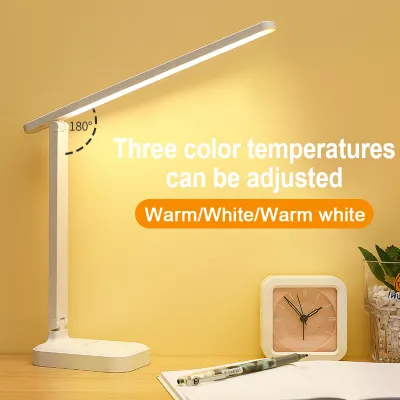
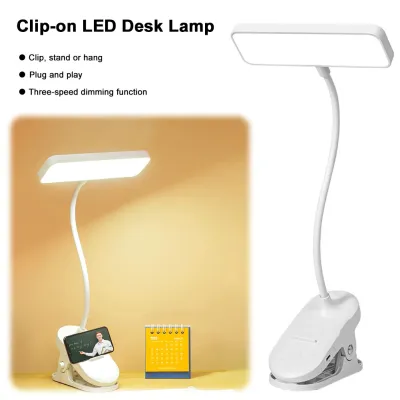
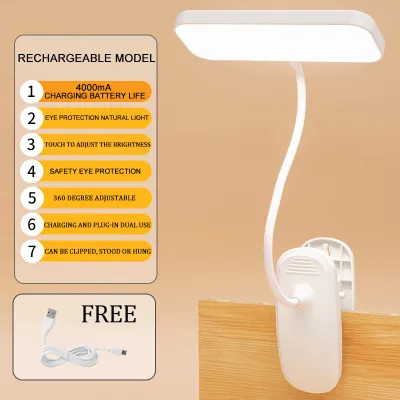
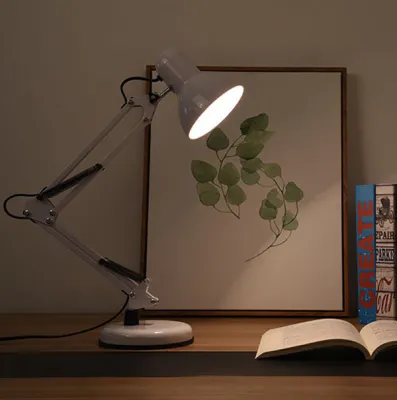
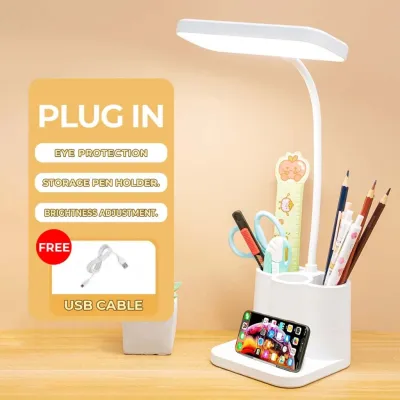
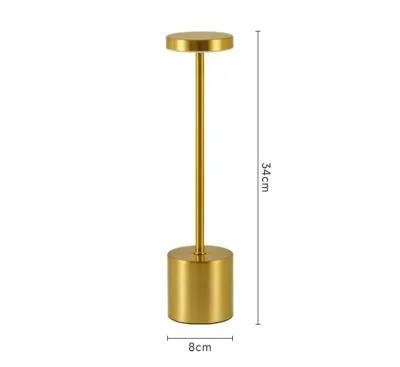
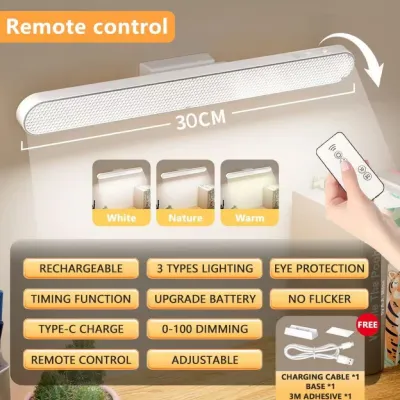
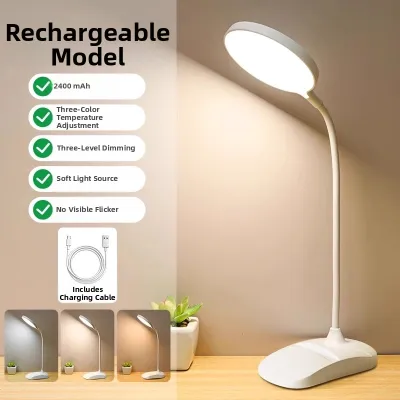
Prices are valid at publication and may change. Please refer to the product page for the latest price.
Glare control is another critical factor when reading in a shared bed. If you can see the bare bulb from your lying or sitting position, the lamp will cause eye strain and disturb your partner. Look for designs featuring recessed bulbs, deep-set shades, or integrated diffusers. A diffuser—usually a frosted glass or plastic disc at the bottom of the shade—softens the light beam, eliminating harsh hotspots and scattering the light evenly across your reading material.
Dimmability allows you to transition from a brighter setting for active reading to a soft, low-level glow as you prepare to sleep. When evaluating a table light lamp, check whether it features a built-in physical dimmer, such as a rotary dial or a multi-level touch sensor. If you prefer using smart bulbs, verify that the lamp’s electrical design is compatible with smart technology. Some lamps with integrated LED chips or specialized electronic switches may not support external smart dimming, so checking the manufacturer’s specifications before purchasing is essential.
Evaluating Color Temperature for Nighttime Reading
The color of your reading light plays a significant role in how easily you and your partner can fall asleep afterward. Light bulb packaging displays color temperature measured in Kelvins (K). For nighttime reading, aim for bulbs rated between 2,200K and 2,700K, which produce a warm, amber-toned light. This warm illumination mimics the natural sunset, signaling to your brain that it is time to wind down, unlike cool white light (4,000K to 6,500K) which often contains high levels of blue light that can disrupt your sleep cycle.

In tropical climates where bedrooms might use air conditioning or ceiling fans to manage humidity, the psychological warmth of a 2,700K light also creates a cozy, inviting atmosphere. Cool, blue-rich light can feel clinical and harsh in a quiet bedroom setting. By choosing a warm-toned bulb, you keep the environment relaxing for both yourself and your sleeping partner.
To ensure you can read clearly without needing to increase the brightness to uncomfortable levels, check the Color Rendering Index (CRI) on the bulb’s packaging. A higher CRI rating, typically 90 or above, means the light renders colors and text contrast more accurately. High CRI lighting makes printed text stand out sharply against the page, reducing eye strain and allowing you to read comfortably at lower, partner-friendly brightness settings.
Sizing, Placement, and Nighttime Accessibility
Proper physical alignment of your bedside lamp prevents light from shining directly into your partner’s eyes or your own. To find the ideal lamp height, sit up in your bed in your typical reading position. Measure the distance from the top of your nightstand to your shoulder or eye level. Ideally, the bottom of the lampshade should align with this height. If the lamp is too tall, the exposed bulb will glare down at you; if it is too short, your body will cast shadows over your book, forcing you to lean awkwardly.
The base footprint of the lamp must balance stability with the limited space on your bedside table. In many homes, nightstands must accommodate essentials like a glass of water, a phone, or a pair of eyeglasses. A lamp with a heavy, compact base prevents accidental tipping if you reach for it in the dark. In humid environments, choosing a base with a non-slip, non-scratch felt or rubber bottom also prevents the lamp from sliding on polished wood or glass surfaces.
Switch accessibility is crucial for late-night reading. Fumbling for an inline cord switch hanging behind a nightstand can wake your partner and cause frustration. Touch-sensitive bases are highly convenient, allowing you to turn the light on or off with a simple tap anywhere on the metal frame. Alternatively, look for lamps with rotary switches located directly on the base or socket, which provide a reliable, tactile click that you can easily locate by feel in complete darkness.
Power Sources and Bedroom Safety Boundaries
Choosing between a corded and a rechargeable table light lamp depends on your bedroom layout and power access. Corded lamps offer reliable, continuous power without the worry of a battery dying mid-chapter. However, they require proximity to an electrical outlet. Rechargeable, battery-operated models provide excellent portability, allowing you to position the light exactly where you need it without being tethered to a wall. If you choose a rechargeable model, keep in mind that lithium-ion batteries degrade over time, gradually reducing the lamp’s runtime between charges.
Cable management is essential for maintaining a safe bedroom environment. Loose, dangling cords behind the nightstand can easily catch on feet, vacuum cleaners, or pets, potentially pulling the lamp off the table. Use cable clips or hook-and-loop straps to secure the power cord along the back leg of your nightstand. Keeping the cord taut and out of high-traffic pathways minimizes tripping hazards and protects your investment from accidental drops.
Before plugging in any bedside lamp, perform a quick safety check of the manufacturer’s labels. Verify the maximum wattage rating of the fixture; installing a bulb that exceeds this limit can cause excessive heat buildup, damaging the shade or creating a fire hazard. Look for recognized electrical safety marks on the packaging or cord, which indicate the product has undergone standard safety testing. Additionally, ensure the lamp is placed away from flammable materials like sheer curtains or bedding to maintain a safe sleeping environment.
Frequently Asked Questions (FAQ)
Can I use a smart bulb in my existing bedside lamp?
Yes, you can generally use a smart bulb in an existing bedside lamp, provided the bulb’s physical base matches the lamp’s socket size (such as standard E27 or E14 bases) and its wattage does not exceed the fixture’s maximum rating. However, you must check the lamp’s switch type. If your lamp has a built-in physical dimmer switch on the base or cord, it may conflict with the smart bulb’s internal dimming circuitry, causing flickering or buzzing. For the best results, use smart bulbs in lamps with simple on/off switches, and keep the physical switch turned on while using your phone or voice assistant to control the brightness.
What is the safest way to dust a fabric lampshade?
To clean a fabric lampshade safely, always unplug the lamp and allow the bulb to cool completely before starting. Use a soft-bristled brush attachment on a vacuum cleaner or a clean, dry microfiber cloth to gently sweep away accumulated dust from top to bottom. Avoid using liquid cleaners, water, or damp cloths on fabric shades, as moisture can dissolve the adhesives holding the fabric to the frame, cause rust on metal ribs, or leave permanent water stains. If the shade has stubborn spots, consult the manufacturer’s care instructions to see if a dry-cleaning sponge is recommended.

Community discussion
Share your experience or ask a question. Comments are reviewed before publication.