
Choosing an LED bedside wall light that balances focused reading with soothing relaxation requires selecting a fixture with adjustable brightness, directional control, and a warm color temperature. The ideal solution often combines a soft, diffused ambient light for winding down with a focused, narrow-beam reading light that can be directed exactly where needed without disturbing a sleeping partner. By understanding how to evaluate technical specifications and physical designs, you can create a comfortable, versatile sleep sanctuary.
In tropical climates like the Philippines, bedrooms serve as essential retreats from the heat and bustle of daily life. The transition from a bright, high-energy day to a restful evening relies heavily on how we light our personal spaces. A wall-mounted LED light (often searched as an led light wall mounted fixture) is an excellent space-saving solution that keeps bedside tables clear while offering precise control over your evening environment.
Defining the Balance Between Reading and Relaxing Light
To achieve the perfect balance between task lighting for reading and ambient lighting for relaxation, you must look closely at manufacturer specifications and packaging labels. Task lighting requires a concentrated beam that provides sufficient contrast, making text easy to read without straining your eyes. Ambient lighting, conversely, should offer a soft, low-contrast glow that minimizes harsh shadows and signals to your brain that it is time to rest.
Products mentioned in this guide
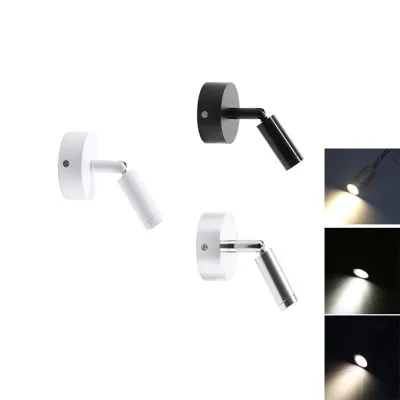
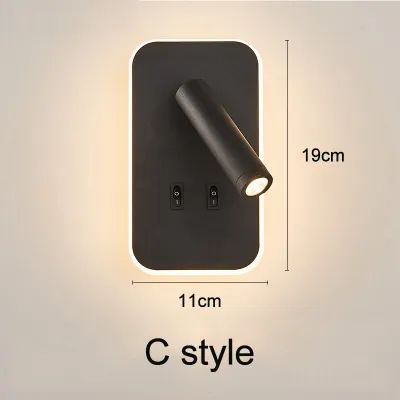
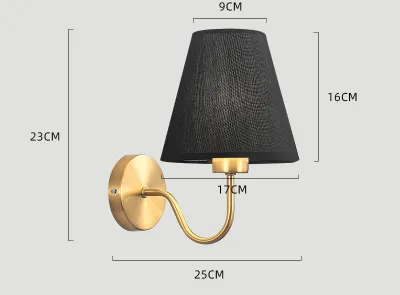
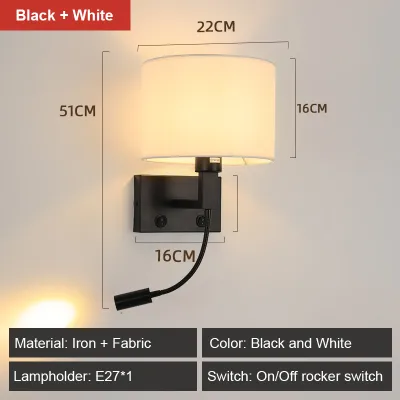
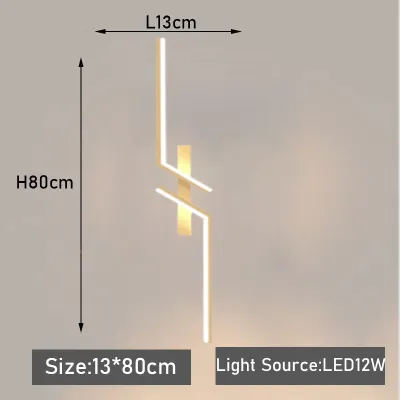
Prices are valid at publication and may change. Please refer to the product page for the latest price.
Color temperature, measured in Kelvin (K), plays a critical role in how your body responds to light. Cooler light sources ranging from 4000K to 5000K contain higher amounts of blue light, which suppresses melatonin production and keeps you alert. For a bedside environment, look for warmer color temperatures between 2700K and 3000K. This warm-white range mimics the gentle glow of sunset, helping your body wind down naturally while still providing comfortable contrast for reading.
Color rendering is another vital specification to check before making a purchase. The Color Rendering Index (CRI) measures how accurately a light source reveals the true colors of objects compared to natural daylight. For comfortable nighttime reading, choose a fixture with a CRI rating of 90 or higher. High-CRI lighting ensures that printed text stands out sharply against the page, preventing the subtle, gray blur that can cause subconscious eye strain during extended reading sessions.
Essential Features for a Dual-Purpose Bedside Sconce
A dimmable LED fixture is the most effective way to bridge the gap between active reading and quiet relaxation. When selecting a dimmable wall sconce, verify whether the dimming control is built into the fixture—such as a touch-sensitive base or an integrated rotary dial—or if it requires an external wall dimmer switch. If you are using an external wall switch, ensure the LED driver inside the fixture is fully compatible with your specific dimmer type to prevent annoying flickering or buzzing.

Some modern LED wall lights feature adjustable Correlated Color Temperature (CCT) controls. These versatile fixtures allow you to switch between different light modes with the press of a button, offering a slightly cooler 3000K light for reading and a very warm, amber-toned 2200K glow for late-night relaxation. This dual-mode capability is particularly useful in shared bedrooms where lighting preferences may vary throughout the evening.
To prevent harsh glare when you are lying down, pay close attention to the fixture’s physical design and light distribution. Sconces with fabric shades, frosted glass, or opaque diffusers scatter light gently throughout the space, making them perfect for ambient relaxation. For reading, look for models that include a secondary, adjustable gooseneck or swing-arm light with a narrow beam angle of 15 to 30 degrees. This directional beam can be aimed directly at your book, keeping the rest of the bed in comfortable darkness.
Positioning Your Wall-Mounted Light for Comfort and Function
Proper placement is critical to prevent the light source from shining directly into your eyes while you are lying down. As a general guideline, the bottom of the lamp shade or the light source should sit approximately at your eye level when you are sitting upright against your headboard. For most standard bed configurations, this translates to mounting the fixture 28 to 32 inches (71 to 81 cm) above the top of the mattress, or roughly 55 to 60 inches (140 to 152 cm) from the floor.
Calculate the horizontal positioning based on the width of your bed and your preferred reading posture. If you tend to lean toward the center of the bed while reading, a swing-arm or extendable accordion-style sconce provides the necessary reach. Position the mounting base about 10 to 12 inches (25 to 30 cm) outward from the edge of the headboard to ensure the light clears your shoulders without casting awkward shadows on your book.
Before beginning any installation, safety must be your top priority. Always turn off the electrical power at the main circuit breaker panel before touching any wiring. Verify that the electrical box in your wall is rated to support the weight of your chosen fixture. Because fixed electrical wiring involves high-voltage hazards—typically 220V at 60Hz in local residential systems—always consult a licensed electrician to handle hardwired installations, run new conduit, or make structural modifications to your walls.
Coordinating Fixture Design with Your Bedroom Space
The physical size of your wall-mounted LED light should harmonize with your bedroom’s existing furniture. A massive, heavy metal sconce can easily overwhelm a minimalist headboard or a small bedside table, while an overly delicate fixture might look lost on a large accent wall. Measure your wall space carefully and choose a fixture that maintains a balanced visual weight relative to your headboard height and bedside tables.
Select finishes and materials that complement your room’s existing hardware, such as matte black, brushed brass, or satin nickel. In tropical environments where humidity levels can be high, look for fixtures with durable, corrosion-resistant coatings. Powder-coated finishes and treated metals resist moisture and are much easier to keep clean in humid coastal or urban areas.
Consider how the fixture distributes light throughout the room. Uplights bounce light off the ceiling, creating a soft, indirect glow that makes the bedroom feel larger and more relaxing. Downlights focus their output downward, which is ideal for reading but can create harsh shadows if not properly diffused. Omnidirectional fixtures release light in all directions, offering a balanced mix of ambient and task lighting when paired with the right shade.
Frequently Asked Questions (FAQ)
Can I use a smart bulb in a standard wall sconce for bedside reading?
Yes, you can use a smart bulb in a standard wall sconce, provided the fixture uses a compatible screw-in base, such as the common E27 base, and has enough physical clearance inside the shade. Always check the fixture’s maximum wattage rating before installing any bulb. However, if your wall sconce has a built-in manual dimmer switch, standard smart bulbs may flicker or fail to connect to your network. To avoid this, install the smart bulb in a non-dimmable fixture and use its dedicated mobile app or voice commands to adjust the brightness and color temperature.
What is the best way to clean and maintain LED wall fixtures?
To clean and maintain your LED wall fixtures safely, always turn off the power switch and let the fixture cool completely before touching it. Use a dry, clean microfiber cloth to gently wipe away dust and lint from the fixture body and shade. For stubborn spots on metal or glass components, use a slightly damp cloth with water only; never spray liquid cleaners directly onto the fixture or allow moisture to contact the LED driver, wiring, or light-emitting diodes. Avoid harsh chemical solvents, abrasive pads, or alcohol-based cleaners, as these can strip away protective finishes and damage delicate electronic components.

Community discussion
Share your experience or ask a question. Comments are reviewed before publication.