
Finding a lucky cat (maneki-neko) to bring charm to your outdoor space requires careful attention to material durability. In the Philippines, garden ornaments must endure intense tropical sun, high humidity, and torrential monsoon rains. Selecting a material that resists cracking, fading, and structural deterioration ensures your welcoming figurine remains vibrant and intact throughout the changing seasons.
Evaluating Weather Challenges for Garden Ornaments in the Philippines
Outdoor decor in a tropical climate faces environmental stressors that can rapidly degrade low-quality materials. The primary challenge is intense ultraviolet (UV) radiation and high thermal exposure. Constant sunlight causes pigments to fade, plastics to become brittle, and protective coatings to chalk or peel away, leaving the underlying material vulnerable.
Heavy monsoon rains and persistent high humidity present another set of challenges. Moisture can seep into microscopic pores, promoting the growth of mold, mildew, and algae, which stain or weaken the ornament. For metal components, constant exposure to damp air accelerates oxidation, leading to rust and structural failure if the surface is not properly treated.
Products mentioned in this guide
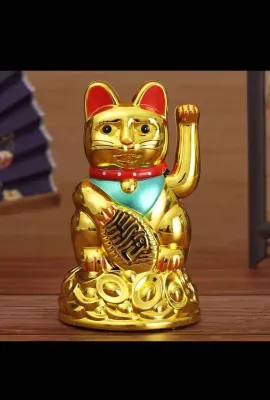
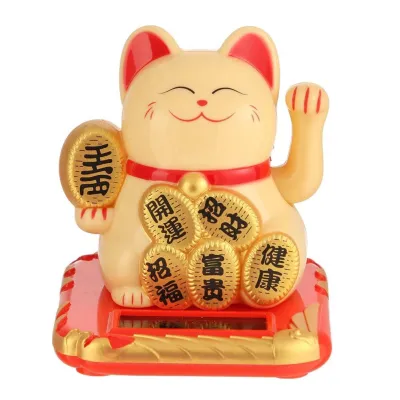
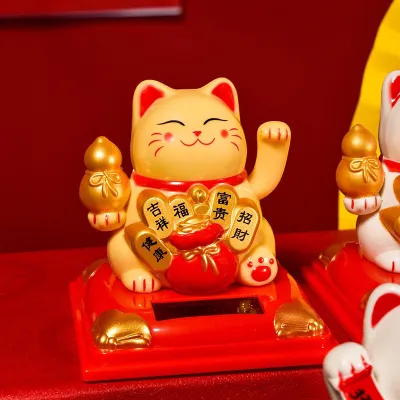
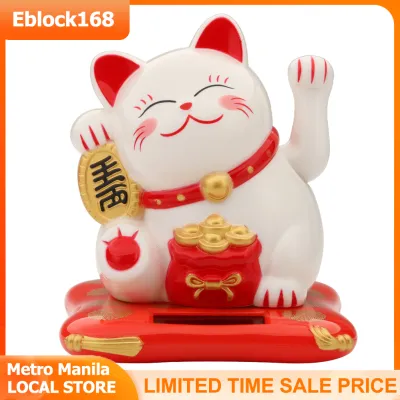
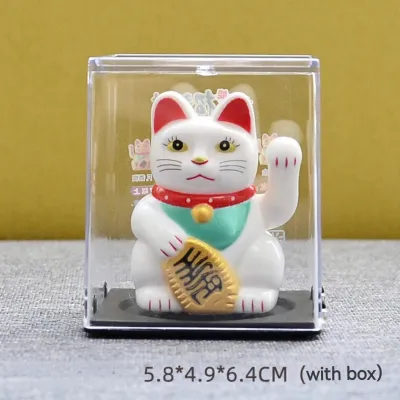
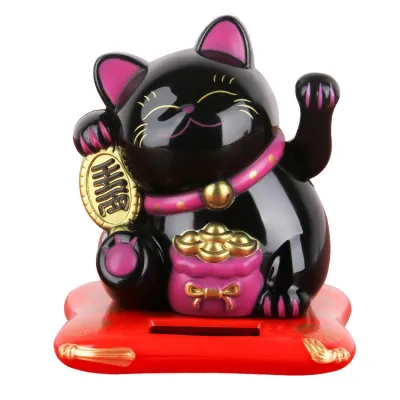
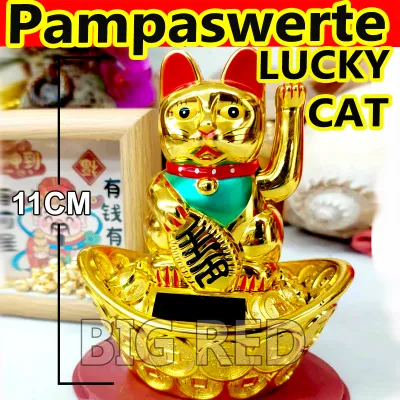
Prices are valid at publication and may change. Please refer to the product page for the latest price.
Furthermore, rapid temperature shifts between hot afternoons and sudden downpours can cause materials to expand and contract quickly. This thermal shock, combined with physical impacts from strong winds or falling garden debris during tropical storms, can easily crack fragile ornaments. Understanding these local climate factors is the first step in choosing a lucky cat that will stand the test of time.
Comparing Common Materials for Outdoor Lucky Cat Figurines
When shopping for an outdoor lucky cat, you will encounter a variety of materials, each offering distinct trade-offs in terms of durability, weight, and maintenance. There is no single universal winner for every garden setup. Instead, the right choice depends on your specific location, how much shelter your garden offers, and your willingness to perform routine upkeep.

The performance of any material relies heavily on the manufacturer’s production quality and the application of protective finishes. A well-sealed, lower-cost material can sometimes outlast an expensive, untreated alternative. Evaluating these options based on observable characteristics and product specifications will help you make a practical decision.
Synthetic Resins and Polymers
Synthetic resin is a popular choice for garden ornaments because it can be molded into intricate details and painted in vibrant colors. However, the outdoor lifespan of a resin lucky cat depends almost entirely on its formulation and protective coatings. When browsing, look for items explicitly labeled as UV-resistant or rated for outdoor use to ensure the paint will not quickly peel or fade under the sun.
Weight is another critical factor for resin figurines. Because many resin statues are hollow, they are lightweight and easy to move, but they can easily tip over or blow away during strong winds. You may need to anchor hollow pieces by filling them with sand or securing them to a heavy base. Additionally, standard resins can become brittle over time when exposed to continuous heat, making them prone to cracking if knocked over.
Fired Ceramics and Porcelain
Traditional ceramic and porcelain lucky cats offer a classic, glossy look that beautifully reflects garden lighting. To survive outdoors, these figurines must be fully glazed and fired at high temperatures to seal the clay. Unglazed or poorly glazed ceramics can absorb moisture from the air or damp soil, which can eventually cause the material to flake, crack, or develop deep structural fractures.
The natural weight of fired clay provides excellent stability against strong winds, keeping your ornament securely in place. However, this weight also makes ceramics fragile if they are dropped, bumped by garden tools, or knocked over by pets. If you choose a ceramic lucky cat that doubles as a planter, always verify that it has functional drainage holes to prevent water from pooling and damaging both the plant and the container.
Natural Stone and Cast Concrete
For unmatched durability and wind resistance, natural stone and cast concrete are exceptional choices for outdoor spaces. These materials are highly robust and can withstand severe weather conditions without tipping over or breaking. Over time, concrete and stone will naturally weather, developing a rustic patina, moss, or lichen, which many gardeners view as an attractive, organic feature rather than a defect.
To prevent excessive moisture absorption and the rapid growth of dark algae in humid climates, check if the concrete surface has been sealed. Unsealed concrete can absorb water, which may lead to surface pitting or crumbling over time. Keep in mind that the substantial weight of stone and concrete makes these ornaments difficult to relocate, so you should choose their placement carefully.
Treated Metals and Alloys
Metal lucky cat ornaments offer a modern or rustic aesthetic, but they require specific treatments to survive the humid Philippine climate. Untreated ferrous metals will quickly rust when exposed to rain and morning dew. To avoid corrosion, look for ornaments made from inherently weather-resistant metals like aluminum, stainless steel, or those finished with a durable powder coating.
Before placing a metal ornament in your garden, inspect the surface thoroughly to ensure the protective coating is entirely intact. Even minor scratches can allow moisture to reach the underlying metal, leading to localized rust that can spread beneath the paint. Avoid placing bare or poorly coated metal ornaments directly on damp soil or acidic mulch, as this contact can accelerate chemical corrosion.
Key Specifications and Labels to Check Before Buying
To avoid purchasing an indoor ornament by mistake, always look for explicit product labels such as “outdoor use,” “UV-resistant,” or “weatherproof.” These terms indicate that the manufacturer has designed the item to withstand basic environmental exposure. If you are shopping on an online marketplace, read the product description carefully and check the specifications section rather than relying solely on the product title.
Review the manufacturer’s recommended cleaning and care instructions before making a purchase. A truly outdoor-ready ornament should not require complex or delicate cleaning procedures that are impractical for garden maintenance. If the care instructions warn against exposure to water or direct sunlight, the item is likely intended for indoor or highly sheltered use.
Additionally, check the warranty terms or return policies provided by the seller or manufacturer. While many decorative items have limited warranties, some brands offer specific guarantees against sun fading, water damage, or structural cracking within a set period. A manufacturer willing to back their product against weather-related wear is often a reliable indicator of higher production quality.
Placement and Maintenance Strategies for Longevity
Even the most durable lucky cat ornament will last longer with strategic placement and regular care. Position your figurine in an area that receives partial shade, such as under a patio roof, beneath taller garden plants, or inside a covered gazebo. This simple step significantly reduces the daily dose of harsh UV radiation and keeps the ornament cooler, preserving its colors and structural integrity.
Establishing a simple, routine cleaning schedule is highly effective at preventing long-term damage. Gently wipe down the ornament using a soft cloth or sponge, mild dish soap, and clean water to remove accumulated dirt, bird droppings, and organic debris. Avoid using abrasive scrubbing pads, harsh chemical cleaners, or high-pressure washers, as these can easily strip away protective UV coatings and paint layers.
Finally, apply protective measures only if they align with the manufacturer’s guidelines. Some materials benefit from an occasional application of a compatible, outdoor-rated clear sealant or wax to restore water resistance. However, you should always check the product label first, as incompatible chemicals can react with the original factory finish, causing bubbling, discoloration, or peeling.
Frequently Asked Questions (FAQ)
Can I leave a ceramic lucky cat outside during the rainy season?
You can leave a ceramic lucky cat outside during the rainy season only if it is fully glazed and explicitly rated for outdoor use by the manufacturer. If the ceramic is unglazed, porous, or designed solely for indoor decor, you should move it to a sheltered area. Porous ceramics will absorb rainwater, which can weaken the structure and lead to cracking over time.
How do I clean a resin lucky cat without fading its paint?
To clean a resin lucky cat safely, use a soft cloth or sponge dampened with a mixture of mild dish soap and lukewarm water. Gently wipe the surface to remove dirt and grime, then rinse with clean water and let it air dry. Never use abrasive scrubbers, bleach, ammonia, or pressure washers, as these harsh methods can strip away the protective UV-resistant topcoat and damage the paint.
Is it necessary to apply a sealant to my garden ornament?
Applying an aftermarket sealant is not necessary if your garden ornament is new and already has a durable factory finish. You should only apply a sealant if the manufacturer explicitly recommends it in the care instructions, or if you notice the original protective coating has worn off over time. Always choose a UV-protective clear coat that is specifically formulated for your ornament’s material.

Community discussion
Share your experience or ask a question. Comments are reviewed before publication.