
Selecting the right yeelite floodlight for your garden or courtyard requires balancing functional security, landscape aesthetics, and environmental durability. To make an informed decision, you must evaluate your outdoor layout, identify whether your primary goal is security or accent lighting, and verify technical specifications like lumen output, IP rating, and smart integration. By matching these parameters to your specific space, you can create an energy-efficient, weather-resistant lighting system that enhances both safety and visual appeal.
Outdoor environments present unique challenges, particularly in tropical regions where heavy rain, high humidity, and intense heat are common. A well-chosen floodlight not only illuminates dark corners but also withstands these harsh conditions over years of continuous operation. This guide breaks down the essential technical metrics, layout configurations, and safety considerations to help you select and install the ideal Yeelite outdoor lighting solution for your home.
Quick Guide: Matching Yeelite Floodlights to Your Outdoor Space
When planning your outdoor lighting, matching the physical size and primary function of your space with the appropriate floodlight specifications prevents common issues like insufficient brightness or excessive glare. The ideal setup depends on whether you are securing a large perimeter, highlighting specific landscape features, or guiding foot traffic along a narrow pathway.
Products mentioned in this guide
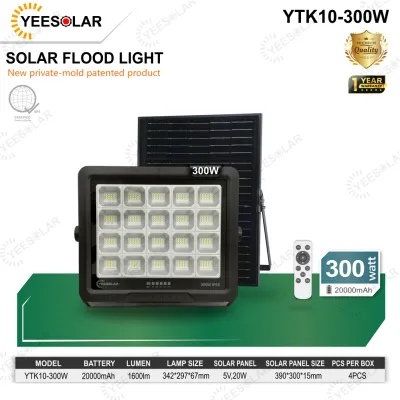
![YEELITE [ BUY 1 TAKE 1 ] 50W-500W High Brightness light IP67 LED Solar Flood Light with Remote Control for Outdoor Lighting POWER LIGHT genuine](https://img.lazcdn.com/g/p/e65cd73831392c6a737b6fc912430554.png_400x400q80.png_.webp)
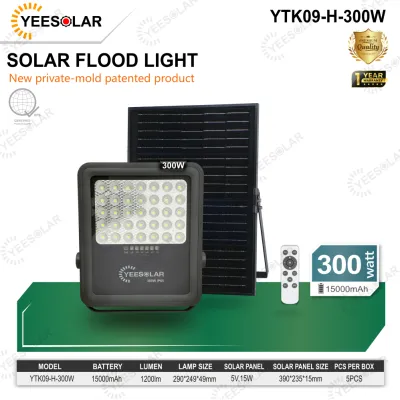
![YEELITE [ BUY 1 TAKE 1 ] 100W/200W/300W/500W Solar LED Outdoor Flood Light IP67 Waterproof WIth Remote Control 1 Year Warranty](https://img.lazcdn.com/g/p/6398cc34e5b9c445325f5944ecc90171.png_400x400q80.png_.webp)
Prices are valid at publication and may change. Please refer to the product page for the latest price.
To help you begin the selection process, the matrix below outlines how different outdoor spaces align with key floodlight specifications:
| Space Type | Recommended Lumen Range | Ideal Beam Angle | Primary Lighting Goal | Key Features to Prioritize |
|---|---|---|---|---|
| Small Courtyard / Pathway | 500 – 1,000 lm | Wide (90° – 120°) | Pathway visibility & safety | Glare shielding, warm color temperature, compact design |
| Medium Garden / Accents | 1,000 – 2,000 lm | Narrow to Medium (24° – 60°) | Landscape highlighting & ambiance | Adjustable head, RGB/color-changing, smart app control |
| Large Yard / Perimeter | 2,000+ lm | Very Wide (110°+ or adjustable) | Security & broad-area coverage | Motion sensors, high IP rating, scheduled automation |
Evaluating the specific layout and dimensions of your garden or courtyard is the necessary first step in narrowing down your options. A small pocket garden in a townhouse requires a vastly different approach than an expansive suburban lawn. While a high-lumen security light is excellent for driveways, placing the same fixture in a confined seating area will result in harsh, uncomfortable glare. Conversely, low-lumen accent lights will fail to provide the visibility needed to secure a dark perimeter.
Before purchasing, consider how these different zones in your yard interact. Many homeowners find that a layered approach—combining high-output security floodlights with low-output, adjustable accent lights—yields the best balance of safety and beauty. By identifying the primary function of each zone, you can select the specific Yeelite model designed to meet those exact requirements.
Essential Specifications to Verify on Yeelite Product Labels
Understanding the technical specifications printed on product labels and specification sheets is crucial to ensuring your chosen floodlight performs reliably. Relying solely on brand names or generic descriptions can lead to purchasing a fixture that is either too dim, too bright, or incompatible with your local environment.

Lumens vs. Wattage
For many years, consumers relied on wattage to judge the brightness of a light bulb. With modern LED technology, wattage only measures energy consumption, while lumens (lm) indicate the actual optical brightness emitted by the fixture. When evaluating a yeelite floodlight, always look at the lumen rating to determine if the fixture matches your spatial needs.
Low-lumen fixtures (500 to 1,000 lm) are highly efficient and ideal for intimate spaces where soft, non-intrusive light is preferred. Medium-lumen models (1,000 to 2,000 lm) offer enough power to illuminate medium-sized lawns, garden beds, or patio dining areas. High-lumen models (above 2,000 lm) are designed for maximum visibility, making them the standard choice for security perimeters, driveways, and expansive outdoor areas.
Beam Angle
The beam angle determines how widely the light spreads from the fixture. A narrow beam angle (typically between 15 and 45 degrees) concentrates light into a tight, intense column. This is highly effective for spotlighting specific architectural elements, statues, or tall trees, as it draws the eye to a focal point without illuminating the surrounding empty space.
In contrast, a wide beam angle (90 to 120 degrees) disperses light across a broad area. This wide distribution is essential for general illumination, such as lighting up an entire courtyard, a wide driveway, or a broad section of a security fence. Choosing the wrong beam angle can result in either a spotty, unevenly lit yard or a washed-out landscape lacking depth and contrast.
Ingress Protection (IP) Rating
The Ingress Protection (IP) rating is a two-digit code that defines a fixture’s resistance to solid objects and liquids. The first digit (ranging from 0 to 6) measures protection against solids like dust and dirt, while the second digit (ranging from 0 to 9) measures protection against water. For outdoor installations, verifying this rating on the physical product label is a critical safety and durability check.
An IP65 rating indicates that the floodlight is completely dust-tight and protected against low-pressure water jets from any direction, which is sufficient for standard rain and garden sprinklers. An IP66 rating provides an extra layer of protection, ensuring the fixture can withstand powerful water jets and heavy downpours. Never install a floodlight outdoors with a rating lower than IP65, as moisture ingress will eventually cause electrical shorts and permanent driver failure.
Color Temperature (Kelvin)
Color temperature, measured in Kelvin (K), describes the visual warmth or coolness of the light emitted. This metric is a conditional preference that should align with the design theme of your home and the primary function of the illuminated space. It does not represent the physical heat output of the bulb.
Warm white light (2700K to 3000K) produces a gentle, yellowish glow that mimics traditional incandescent bulbs. This temperature is highly recommended for residential landscapes, patios, and seating areas because it creates a cozy, welcoming, and relaxing atmosphere. Cool white or daylight temperatures (4000K to 6500K) emit a crisp, bluish-white light that enhances contrast and visibility. This range is ideal for utility areas, driveways, and security zones where clear detail detection is paramount.
Smart and Sensor Features
Many Yeelite floodlights feature integrated smart connectivity and automation sensors. Before purchasing, verify the specific wireless protocols supported by the model, such as Wi-Fi or Bluetooth, by checking the product manual. Smart models allow you to adjust brightness, change colors, and set operating schedules directly from a mobile application.
Additionally, models equipped with passive infrared (PIR) motion sensors offer excellent energy savings and security benefits. These sensors detect physical movement within a specified range, triggering the light to turn on instantly. When verifying these features, ensure your home’s outdoor wireless network has sufficient signal strength to reach the intended installation point, as poor connectivity can disable smart functionality.
Choosing the Right Setup for Your Garden Layout
Every garden layout presents distinct spatial challenges. To achieve a balanced and effective lighting design, you must tailor your fixture selection and placement to the specific scale and physical characteristics of your outdoor space.
Small Courtyards and Pathways
In compact outdoor spaces, such as pocket gardens, side pathways, and small townhome courtyards, the primary design challenge is controlling glare. Because walls and walkways are close together, high-intensity light reflects harshly off surfaces, causing visual discomfort. For these areas, lower-lumen Yeelite models emitting between 500 and 1,000 lumens are highly recommended.
Using warm color temperatures (2700K to 3000K) in small spaces helps maintain a soft, intimate ambiance that feels like an extension of your indoor living area. To prevent light pollution and avoid shining light directly into neighboring windows, position your fixtures at a downward angle. Shielded floodlights or those mounted low to the ground can illuminate walkways safely while keeping the light focused strictly where it is needed.
Medium Gardens and Landscape Accenting
Medium-sized gardens often feature a mix of open lawn, cultivated plant beds, and functional seating areas. Lighting these spaces requires a combination of aesthetic accenting and general illumination. Adjustable-head floodlights are highly useful here, as they allow you to direct the beam precisely toward architectural features, specimen trees, or stone retaining walls.
For homeowners who enjoy hosting outdoor gatherings or changing their garden’s look for holidays, smart RGB color-changing models offer excellent versatility. You can use the mobile app to dial in specific color hues, adjusting the intensity to match the mood of the occasion. To avoid a flat, over-illuminated look, layer your lighting by combining medium-output floodlights with low-voltage pathway stakes and subtle uplights, creating a sense of depth and visual interest throughout the garden.
Large Yards and Security Perimeters
Expansive yards, long driveways, and outer boundary walls require a heavy-duty lighting strategy focused on maximum coverage and high visibility. For these applications, select high-lumen (2,000 lm and above) Yeelite models with wide beam angles. These fixtures project a broad, even sheet of light that eliminates dark corners where intruders could hide.
Integrating motion sensors and smart scheduling is highly beneficial for large perimeters. You can program the lights to remain at a dim energy-saving level throughout the night, instantly shifting to 100% brightness if movement is detected. To ensure complete coverage, mount the floodlights at a height of 2.5 to 4 meters, angling them downward to cover the entire perimeter without creating blind spots or casting long, obstructive shadows.
Installation, Safety, and Climate Considerations
Outdoor electrical installations require strict adherence to safety standards and environmental precautions. Because water and electricity are a highly dangerous combination, taking shortcuts during the installation process can lead to system failures, property damage, or severe personal injury.
Electrical Compatibility
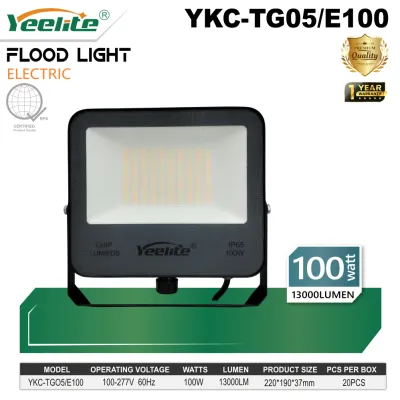
Before purchasing or installing any outdoor lighting fixture, you must verify that its electrical specifications match your local utility grid. In the Philippines, the standard residential electrical system operates at 220V to 240V at a frequency of 60Hz. Standardizing on this voltage is critical, as importing fixtures rated solely for 110V or 50Hz will lead to immediate driver damage, severe flickering, or fire hazards.
Always inspect the product packaging or the physical label on the floodlight casing to verify the voltage and frequency ratings. Additionally, check for recognized electrical safety certifications, such as the Philippine Standard (PS) mark, the Import Commodity Clearance (ICC) sticker, or international equivalents like CE and RoHS. These certifications prove that the product has undergone rigorous testing to ensure it can operate safely under standard electrical loads.
Weather and Humidity
Tropical climates subject outdoor fixtures to extreme environmental stress. High ambient humidity, intense UV exposure from the sun, and torrential seasonal rains can rapidly degrade low-quality materials. Over time, solar heat can dry out rubber seals, causing them to crack and allow moisture to enter the electrical housing.
To prevent premature failure, regularly inspect the physical integrity of your floodlight’s casing, gaskets, and cable entry points. Ensure that all rubber seals are seated perfectly flat within their grooves and that there are no visible cracks in the outer housing. If you live in a coastal area, salt-air corrosion is an additional risk; in these environments, fixtures made from high-grade polycarbonate or treated, corrosion-resistant aluminum are highly preferred over untreated metals.
Mounting and Wiring Safety
Outdoor floodlights generally fall into two installation categories: simple plug-in models that connect to an existing outdoor-rated GFCI outlet, and hardwired fixtures that connect directly to your home’s electrical wiring. Regardless of the model type, always isolate the power supply by turning off the main circuit breaker at your service panel before starting any physical installation or maintenance work.
For hardwired installations, especially those located in damp environments, near swimming pools or water features, or mounted at significant heights, always hire a licensed and qualified electrician. Professional installation ensures that all conduits, junction boxes, and connections are completely watertight and compliant with the Philippine Electrical Code. A professional will also ensure the system is properly grounded, which is a vital safety measure that prevents electrical shocks if a fault occurs in wet weather.
Purchasing and Verifying Your Yeelite Floodlight
To ensure you receive a genuine product that is fully compatible with local electrical standards and backed by a valid warranty, you must be selective about where and how you purchase your lighting equipment.
When shopping online or in person, prioritize authorized brand stores, established physical hardware showrooms, or official flagship stores on reputable e-commerce platforms. Avoid purchasing from unverified third-party sellers or grey-market importers. While these alternative sources may offer slightly lower prices, their products often lack the correct voltage configurations, localized user manuals, or official warranty coverage, leaving you without support if the fixture fails.
Upon receiving your floodlight, perform a thorough physical inspection before beginning the installation process:
- Inspect the Packaging: Check for signs of tampering, water damage, or resealing. Genuine products are packaged in high-quality, branded boxes with clear, legible printing.
- Verify the Product Label: Compare the model number, voltage rating, wattage, and IP rating printed on the physical fixture against the specifications listed in your online order.
- Check Included Accessories: Ensure the package contains the official user manual, mounting brackets, screws, and any specified waterproof wire connectors.
- Confirm Warranty Terms: Verify that the package includes an official local warranty card or registration instructions. A standard local warranty provides peace of mind and ensures you can access replacement parts or repairs if manufacturing defects arise.
Frequently Asked Questions (FAQ)
What IP rating is necessary for outdoor floodlights in the Philippines?
For outdoor floodlights installed in the Philippines, an IP65 rating is the absolute minimum standard required to withstand seasonal rains and high humidity. An IP65-rated fixture is completely sealed against dust and can resist low-pressure water sprays from any angle. For areas exposed to severe tropical storms, typhoons, or direct spraying from high-pressure garden hoses, upgrading to an IP66-rated fixture is highly recommended, as it provides protection against powerful water jets. Always remember that these ratings apply strictly to the sealed light fixture itself; all external wiring connections and junction boxes must be sealed separately using outdoor-rated electrical tape, silicone sealant, or watertight conduits to prevent moisture from entering the system.
Can I integrate Yeelite smart floodlights with my existing home automation?
Yes, many Yeelite smart floodlights can be integrated into popular home automation ecosystems, but compatibility varies significantly by specific model and region. Before purchasing, carefully check the product packaging or the official specification sheet for compatibility logos such as Google Assistant, Amazon Alexa, Apple HomeKit, or Samsung SmartThings. Some models connect directly to your home network via built-in Wi-Fi, allowing for hub-free control, while others utilize Bluetooth Low Energy (BLE) or Zigbee, which may require a compatible smart hub to enable remote access and automation. Always verify these connection requirements in the user manual to ensure the device will function seamlessly with your existing smart home setup.

Community discussion
Share your experience or ask a question. Comments are reviewed before publication.