
Finding the perfect aesthetic desk lamp shade requires balancing visual appeal, physical proportions, and functional light quality. To achieve this, you must measure your desk footprint to ensure the shade does not crowd your workspace, align the shade’s material and color with your room’s design theme, and verify that the shade’s fitter matches your existing lamp base. By taking a systematic approach to these dimensions, you can transform a simple task light into a striking design statement that enhances your productivity and elevates your interior decor.
In a dedicated home office or a cozy study corner, a desk lamp is more than just a source of illumination; it is a key design element. A poorly chosen shade can either overwhelm a compact desk or fail to provide enough focused light for your tasks. Conversely, a well-proportioned, stylish shade diffuses light beautifully, reduces eye strain, and ties the room’s aesthetic together. Whether you are upgrading an affordable ₱500 lamp base or styling a premium designer piece, selecting the right shade is the key to a functional and beautiful workspace.
Assess Your Desk Size and Workspace Constraints
Before browsing online marketplaces or local home decor boutiques, you must understand the physical limits of your workspace. The footprint of your desk dictates the maximum size of the lamp shade you can comfortably accommodate. If you work on a compact writing desk or a narrow console, a wide, sprawling shade will encroach on your active work area, leaving little room for your laptop, notebooks, or keyboard. Start by measuring the depth and width of your desk, as well as the exact spot where the lamp base will sit.
Products mentioned in this guide
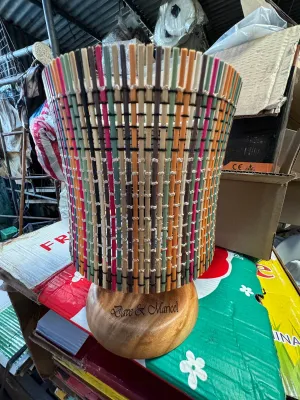
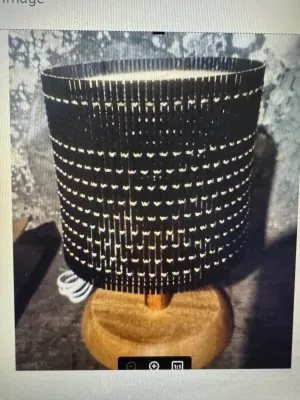
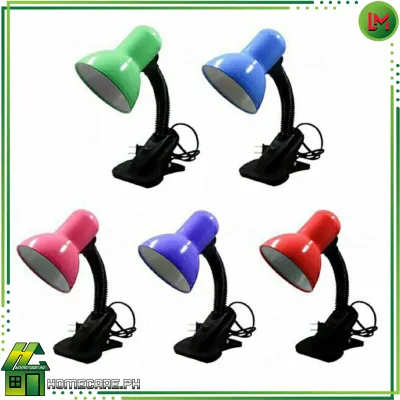
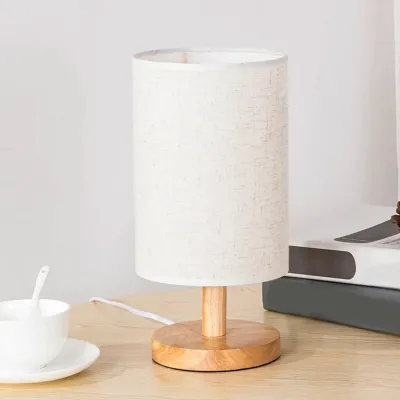

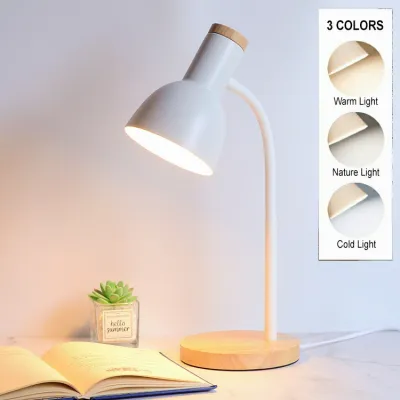
Prices are valid at publication and may change. Please refer to the product page for the latest price.
The diameter of the lamp shade should ideally be proportional to the desk surface. A general rule of thumb is that the shade’s diameter should not exceed the width of the lamp base multiplied by two, and it should leave ample clearance from the edges of the desk. If your desk is positioned against a wall, a shade that is too deep will push the entire lamp forward, reducing your usable workspace. For tight setups, consider semi-oval, rectangular, or square shades that sit flush against vertical surfaces, saving valuable centimeters of desk depth.
Vertical clearance is another critical factor that directly impacts your visual comfort. When you are seated at your desk, the bottom edge of the lamp shade should sit at or slightly below your eye level. This positioning ensures that the bright, direct light from the bulb is shielded from your eyes, preventing harsh glare and subsequent eye strain during long working hours. If the shade is too high, you will constantly look directly into the exposed bulb; if it is too low, the light pool will be too narrow to illuminate your documents or keyboard effectively.
Match the Lamp Shade Aesthetic to Your Room Decor
Your desk lamp shade should feel like a natural extension of your room’s overall design narrative. Whether your space leans toward modern minimalism, industrial chic, mid-century modern, or a warm tropical contemporary style, the shape and material of the shade play a pivotal role. For instance, a minimalist space benefits from clean, geometric shapes like cylinders or drums in neutral tones. An industrial aesthetic, on the other hand, is beautifully complemented by dome-shaped metal shades or wireframe designs that showcase vintage-style bulbs.

Color coordination is essential for creating a cohesive visual flow. You can choose a shade that matches the dominant color palette of your room, such as soft creams, warm beiges, or muted grays, to create a serene and integrated look. Alternatively, you can use the lamp shade as an accent piece by selecting a bold, contrasting color—like deep forest green, terracotta, or classic navy—that picks up subtle hues from your curtains, throw pillows, or wall art.
Material selection influences both the texture of your room and how light is experienced. In humid tropical environments, material durability is an important consideration. Fabric shades, such as linen or cotton, offer a soft, classic texture and diffuse light gently throughout the room, though they may require regular dusting to maintain their pristine look. Metal shades provide a sleek, modern edge and direct light downward in a focused beam, making them excellent for task-oriented workspaces. Glass shades, whether clear, frosted, or ribbed, add a touch of elegance and allow maximum light transmission, while natural paper or woven rattan shades introduce organic warmth and unique shadow patterns to your decor.
Evaluate Light Quality and Functional Needs
An aesthetic lamp shade must perform its primary duty: delivering high-quality, functional illumination for your specific tasks. The material and color of the shade significantly affect how light is transmitted and how the color temperature of your bulb is perceived. Opaque shades, such as those made of heavy metal or dark-colored cardboards, block lateral light transmission entirely, directing the light in a concentrated downward cone. This is ideal for intense focus work, reading, or drawing, as it minimizes ambient distractions.
Translucent shades, including light-colored fabrics, frosted glass, and thin paper, allow light to pass through the sides of the shade, creating a warm, ambient glow in the room while still providing sufficient downward light for your desk. If you choose a translucent shade, be mindful of the shade’s color; a warm cream or yellow shade will enhance the cozy, relaxing feel of the light, whereas a pure white or cool gray shade will maintain a crisp, modern, and energizing light quality.
The interior lining of the shade is a hidden but crucial element that determines light efficiency. Many high-quality shades feature a white or metallic (gold, silver, or brass) interior lining. A white lining reflects light efficiently, maximizing the brightness of your bulb and ensuring clean, even task lighting. A metallic lining, particularly gold or brass, warms up the light beam, creating a rich, inviting glow that is perfect for cozy study spaces but may slightly alter the perceived color of your reading materials. Ensure the shade’s opening is wide enough to cast a broad enough light pool over your primary working area without creating harsh, distracting shadows.
Check Compatibility and Safety Specifications
Beyond aesthetics and size, compatibility and safety are paramount when selecting a new lamp shade. You must verify that the shade’s fitter type matches your existing lamp base hardware. The three most common fitter types are spider (or harp) fitters, UNO fitters, and clip-on fitters. A spider fitter sits on top of a metal harp that attaches to the lamp base and is secured with a finial. An UNO fitter sits directly on the socket and is held in place by the bulb or a threaded ring. Clip-on fitters attach directly to the glass of a standard bulb. Mixing up these fitters will make installation impossible without purchasing additional adapters.
Thermal safety is another critical consideration, especially when using traditional incandescent or halogen bulbs that generate significant heat. Always check the maximum wattage rating printed on your lamp socket and ensure your bulb does not exceed this limit. The lamp shade must provide adequate physical clearance from the bulb to prevent heat buildup, which can scorch fabric, warp plastic, or create a fire hazard. For safety, maintain at least a few centimeters of space between the bulb and the inner surface of the shade.
Using energy-efficient LED bulbs is highly recommended, as they emit very little heat compared to traditional bulbs, making them much safer for delicate shade materials like paper or fine fabrics. When selecting an LED bulb, verify its compatibility with your lamp’s dimming method if you use a dimmable base. Additionally, look for recognized electrical safety certifications on both the lamp base and the bulb to ensure they meet local safety standards for home appliances.
Step-by-Step Selection and Installation Guide
To ensure a seamless upgrade, follow this structured process from initial measurement to final installation.
Step 1: Measure your workspace and existing hardware. Use a tape measure to record your desk’s depth and width, the height of your lamp base, and the diameter of your current shade if you have one. Identify your lamp’s fitter type (spider, UNO, or clip-on) and measure the socket diameter to ensure a perfect fit.
Step 2: Define your aesthetic direction. Assess your room’s decor style, color scheme, and texture palette. Decide whether you want a translucent shade for ambient room glow or an opaque shade for focused task lighting. Select a material—such as linen, metal, or glass—that complements your existing furniture.
Step 3: Filter your options by safety and physical limits. When shopping on online marketplaces or in local stores, filter candidates by fitter compatibility, maximum shade diameter, and height. Ensure the shade’s dimensions allow for proper bulb clearance and will sit at a height that shields your eyes from direct glare when seated.
Step 4: Install and test your new setup. Before starting, ensure the power is completely isolated by unplugging the lamp from the wall outlet. Carefully mount the new shade onto the fitter, secure it tightly with the collar or finial, and screw in an appropriate LED bulb. Plug the lamp back in, sit in your normal working position, and adjust the lamp’s angle to verify that the light pool is perfectly positioned and that there is no direct glare in your eyes.
Frequently Asked Questions (FAQ)
Can I use a larger lamp shade on a small desk lamp base?
Using a lamp shade that is too large for its base is generally not recommended due to physical instability and visual disproportion. A top-heavy lamp is easily tipped over, which can damage the shade, break the bulb, or pose a safety hazard on your desk. Visually, an oversized shade will make the lamp look unbalanced and awkward. As a safety and design guideline, the shade’s height should be approximately two-thirds the height of the lamp base, and the shade’s width should not exceed the height of the base.
How do I clean different lamp shade materials without damaging them?
Different materials require specific care to avoid damage, especially in humid climates where dust can cling to surfaces. For fabric shades, use a soft-bristled brush, a lint roller, or a vacuum cleaner with a brush attachment to gently remove dust. For metal and glass shades, unplug the lamp and wipe the surfaces with a dry or slightly damp microfiber cloth; avoid harsh chemical cleaners that can strip protective coatings. For delicate paper or rattan shades, use a dry feather duster or a clean, dry paintbrush to sweep away dust gently. Always refer to the manufacturer’s instructions for specific care guidelines.
Does the color of the lamp shade affect the brightness of my desk?
Yes, the color of the lamp shade has a direct physical impact on the brightness of your workspace. Light-colored shades (such as white, cream, or pastel tones) allow light to pass through the material, illuminating both the desk surface and the surrounding room. Dark-colored shades (such as black, navy, or dark green) absorb most of the lateral light, directing the illumination almost entirely downward through the bottom opening. While a dark shade creates a dramatic, focused pool of light on your desk, it will make the rest of the room feel dimmer compared to a light-colored shade.

Community discussion
Share your experience or ask a question. Comments are reviewed before publication.