
Understanding the Core Specs of an LED Panel Light
Upgrading to LED panel lights is one of the most effective ways to modernize your home or commercial space, providing clean lines and a minimalist aesthetic. However, choosing the wrong fixtures can easily result in a room that feels either like a dim, gloomy cave or a sterile, over-lit clinical laboratory. While the physical design, bezel finish, and slim profiles of these fixtures are important for matching your interior decor, the internal specifications are what truly dictate visibility, daily eye comfort, glare reduction, and your long-term electricity bills.
To make an informed purchase, you must look beyond the marketing terms on the box and understand the technical spec sheet. Comparing products based on standardized metrics ensures that you get the exact lighting quality and energy performance your space requires. By focusing on a few key electrical and optical metrics, you can confidently navigate the options available on online marketplaces and in local hardware stores.
Lumens vs. Wattage: Measuring Brightness and Efficiency
For decades, consumers relied on wattage to judge the brightness of a light bulb. With modern LED technology, this legacy approach no longer works because LEDs produce far more light using a fraction of the power. To choose the right LED panel light, you must separate the concept of energy consumption from actual light output by understanding the difference between lumens and wattage.
Products mentioned in this guide
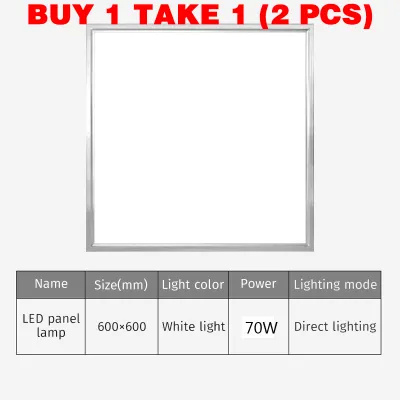
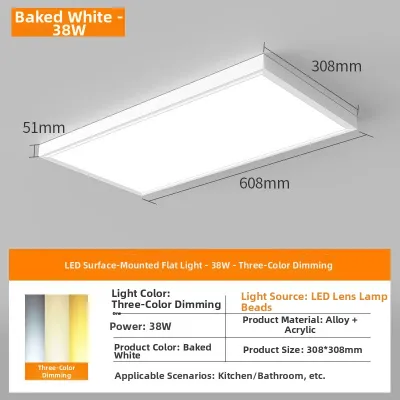
Prices are valid at publication and may change. Please refer to the product page for the latest price.

Lumens (lm) measure the total amount of visible light emitted by a source in all directions. If you want a brighter room, you need a fixture with a higher lumen rating. Wattage (W), on the other hand, measures only the electrical power the fixture consumes from your electrical grid. A higher wattage does not automatically mean a brighter light; it simply means the fixture draws more electricity.
To find the most energy-efficient fixtures, look at the luminous efficacy, which is calculated as lumens per watt (lm/W). For example, if you compare a high-quality 12-watt LED panel that produces 1,200 lumens (100 lm/W) with a lower-quality 15-watt panel that also produces 1,200 lumens (80 lm/W), the 12-watt panel is the superior choice. It delivers the exact same level of brightness while consuming 20 percent less electricity, leading to lower monthly utility bills.
Instead of defaulting to the highest wattage available, estimate your required lumens based on the size and function of your room. As a general guideline, active spaces like kitchens, home offices, and study areas require higher light levels—typically around 300 to 400 lumens per square meter (lux). Relaxing spaces like living rooms and hallways usually require far less, often ranging from 100 to 200 lumens per square meter.
Color Temperature: Setting the Right Mood and Function
The color of the light emitted by an LED panel dramatically alters the atmosphere, perceived temperature, and functionality of a room. This characteristic is measured as Correlated Color Temperature (CCT) on the Kelvin (K) scale. Lower Kelvin numbers represent warmer, yellow-toned light, while higher numbers represent cooler, blue-toned light.
Warm White (2700K to 3000K) produces a cozy, inviting glow similar to traditional incandescent bulbs. This range is ideal for bedrooms, living rooms, and dining areas where relaxation is the primary goal. Under the cool draft of an air conditioner in a tropical climate, warm white lighting can make a home feel incredibly comfortable and relaxing during the evening.
Neutral White (approx. 4000K) offers a clean, balanced light that mimics natural afternoon sunlight without any strong yellow or blue cast. This is highly recommended for kitchens, bathrooms, home offices, and study areas. It keeps you alert and focused while rendering colors naturally, making it an excellent all-around choice for modern interior designs.
Cool Daylight (5000K to 6500K) provides a bright, intense light with a distinct blue undertone that mimics midday sun. In the Philippines, cool daylight is exceptionally popular because it creates a highly refreshing, clean, and breezy indoor feel that contrasts nicely with the outdoor heat. It is perfect for task-heavy environments, home workshops, utility rooms, and clinical spaces where maximum visibility is required. However, keep in mind that cool daylight can make warm paint colors, natural wood elements, and cozy fabrics look slightly gray or washed out.
Color Rendering Index (CRI): Seeing Colors Accurately
The Color Rendering Index (CRI) is a quantitative measure of a light source’s ability to reveal the true colors of objects faithfully in comparison with a natural light source. Measured on a scale from 0 to 100, a higher CRI means colors will appear more vivid, accurate, and natural under the light.
When lighting a home or office, a CRI rating of 80 or higher is the industry standard for general use. At this level, skin tones look healthy, and interior paint colors appear as the designer intended. If you install panels with a low CRI (below 70) in living areas, you may notice that food looks unappealing, indoor plants look dull, and fabrics appear unnaturally muted.
For specialized areas where color accuracy is critical, investing in premium LED panels with a CRI of 90 or higher is highly beneficial. These high-CRI fixtures are ideal for installation above kitchen prep zones, vanity mirrors where makeup is applied, home art studios, or retail displays. Seeing colors accurately in these spaces prevents mistakes and enhances the overall visual experience.
For transitional or utility spaces where aesthetic color accuracy is not a priority, a standard CRI is perfectly adequate. Hallways, stairwells, laundry rooms, and storage closets can easily utilize budget-friendly, standard-CRI LED panels without any noticeable drawback, allowing you to allocate more of your lighting budget to the main living areas.
Physical Specs and Installation Safety
Choosing the right LED panel light also requires careful attention to physical dimensions, mounting styles, and electrical compatibility. LED panels generally come in three styles: recessed (which sit flush within a ceiling cutout), surface-mounted (which screw directly onto solid concrete ceilings), and suspended (which hang from cables). If you are buying recessed panels, you must measure the ceiling cutout size precisely, as the outer bezel of the panel must cover the hole while the rear housing fits securely inside.
Electrical compatibility is another vital consideration. In the Philippines, the standard residential voltage is 220V to 240V at 60Hz. Always verify that the LED driver (the external transformer box included with the panel) is rated for this specific voltage and frequency. Furthermore, look for official safety certifications, such as the Philippine Standard (PS) mark or the Import Commodity Clearance (ICC) sticker, to ensure the driver has built-in protection against voltage fluctuations and overheating.
If you plan to use a wall dimmer, verify that both the LED panel and its driver are explicitly labeled as dimmable. Standard LED panels connected to traditional triac dimmers will flicker, buzz, or fail prematurely. You must pair a dimmable LED panel with a compatible LED-rated dimmer switch to ensure smooth, flicker-free operation.
Always prioritize safety during installation. Before handling any fixed wiring, working at heights, or making structural modifications to your ceiling, isolate the power by switching off the main circuit breaker. Always read the product’s label and the manufacturer’s installation instructions carefully. For hardwired fixtures, damp-rated installations, or complex ceiling modifications, always consult a qualified professional or hire a licensed electrician to ensure compliance with the local electrical code.
Frequently Asked Questions (FAQ)
Is a higher wattage always brighter for LED panel lights?
No, wattage only measures how much electricity the fixture consumes, not how much light it produces. Brightness is measured in lumens. A highly efficient LED panel with a lower wattage can produce the same or even greater brightness than an older, less efficient panel with a higher wattage. Always compare the lumen output and the luminous efficacy (lumens per watt) rather than the wattage when shopping for brightness.
Can I use a 6500K daylight panel in a bedroom?
While you can physically install a 6500K cool daylight panel in a bedroom, it is generally not recommended. Cool daylight contains high amounts of blue light, which mimics daytime sun and suppresses the production of melatonin, the hormone responsible for sleep. Using cool daylight in the evening can disrupt your natural sleep cycle. For bedrooms, warm white (2700K to 3000K) or neutral white (4000K) is a much better choice to promote relaxation and rest.

Community discussion
Share your experience or ask a question. Comments are reviewed before publication.