
Selecting the ideal LED wall panel for your bedside requires balancing two distinct lighting functions: focused task lighting for reading and soft, indirect illumination for relaxation. A successful choice depends on finding a fixture that offers adjustable brightness, variable color temperatures, and precise directional control. By focusing on these key features, you can create a comfortable bedroom environment that supports both nighttime activities and healthy sleep preparation.
In tropical climates like the Philippines, where high humidity and warm evenings influence indoor comfort, bedroom lighting also plays a role in managing the sensory environment. Traditional incandescent bulbs generate unnecessary heat, making energy-efficient, cool-running LED technology the practical standard for modern bedside setups. Understanding how to evaluate these fixtures will help you make an informed purchase that integrates seamlessly into your home.
Understanding Dual-Purpose Bedside Lighting Needs
Bedside lighting must serve two contrasting visual tasks. Reading requires high-contrast, focused illumination directed onto the pages of a book or the screen of an e-reader. This task-oriented light must be bright enough to prevent eye strain and squinting, yet highly targeted so it does not spill over to the other side of the bed and disturb a sleeping partner.
Products mentioned in this guide
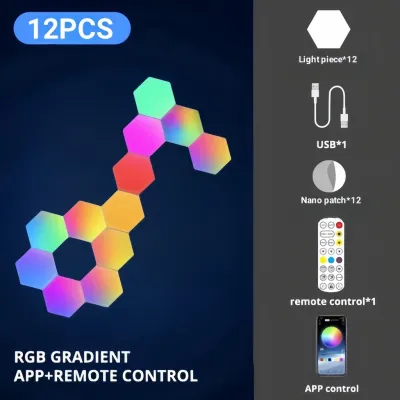
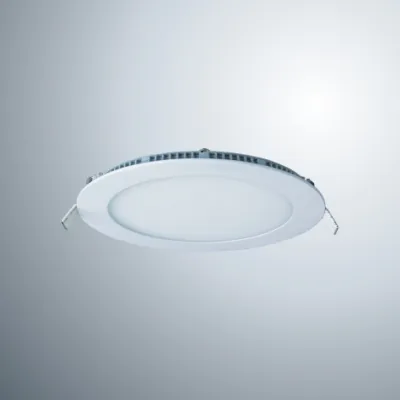
Prices are valid at publication and may change. Please refer to the product page for the latest price.
In contrast, ambient lighting is designed to help the mind and body wind down before sleep. This requires a soft, low-intensity glow that mimics the warm tones of sunset. Instead of focusing on a single spot, ambient light should diffuse gently across the wall or ceiling, reducing harsh shadows and creating a calming atmosphere that signals to your brain that it is time to rest.
Bridging these two needs with a single LED wall panel requires a fixture capable of transition. Relying on a single, static light source often results in a compromise where the light is either too dim for comfortable reading or too bright for a relaxing atmosphere. A dual-purpose fixture solves this by incorporating adjustable settings or dual light sources within a single housing.
Key Features to Look for in a Dual-Use LED Wall Panel
When evaluating an LED wall panel, adjustability is the most critical feature to verify on the product label. Look for fixtures that offer step-less dimming, which allows you to fine-tune the brightness level from a bright reading mode down to a faint nightlight. Additionally, selectable color temperature is essential; you want the ability to switch from a cool or neutral white (around 4000K) for active reading to a warm, amber glow (2700K or lower) for pre-sleep relaxation.

Optical design determines how the light is distributed and how comfortable it is to look at directly. To prevent harsh glare, prioritize panels that feature frosted diffusers or indirect optical paths, where the LEDs face the wall to bounce light back into the room. Some advanced dual-use panels feature a hybrid design: a large, diffused backlit panel for ambient light, paired with a small, flexible gooseneck spotlight dedicated to reading.
Control mechanisms should be highly accessible from a lying position. Evaluate panels with built-in touch sensors on the frame, independent switches for dual-source models, or remote controls. For modern smart homes, compatibility with wireless protocols or mobile applications allows you to adjust the lighting without reaching out of bed, adding a layer of convenience to your nightly routine.
Checking Electrical and Installation Compatibility
Before purchasing any wall-mounted fixture, you must verify that its electrical specifications match your home’s infrastructure. In the Philippines, the standard residential voltage is 220V at 60Hz. Ensure the LED driver integrated into the wall panel is rated for this voltage range to prevent premature component failure, flickering, or safety hazards.
Physical installation methods generally fall into two categories: plug-in and hardwired. Plug-in panels are user-friendly and require only a nearby wall outlet, making them ideal for rental properties or quick updates. Hardwired panels offer a cleaner, seamless aesthetic with no visible cords, but they require existing in-wall junction boxes and dedicated wiring behind the drywall or concrete plaster.
Physical dimensions must be measured carefully against your available wall space. Ensure the panel does not obstruct headboard movement, crowd bedside tables, or interfere with nearby wardrobe doors. If your installation requires fixed wiring or structural modifications to concrete walls, always isolate the power at the main circuit breaker and hire a qualified professional to complete the electrical connections safely.
Evaluating Placement and Spatial Layout
Mounting height is the key to maximizing utility while avoiding direct eye glare. As a general guideline, the bottom of the reading light source should sit approximately at your shoulder level when you are sitting upright against the headboard. This positioning ensures the light shines down onto your reading material rather than directly into your eyes.
Consider how the light beam interacts with your bedroom’s surfaces. A wide-angle ambient panel will reflect light off the adjacent wall, meaning matte paint finishes will diffuse the light beautifully, while glossy surfaces might create distracting reflections. If your bedroom has high humidity, ensure the wall surface is dry and free of moisture before mounting to maintain the integrity of the adhesive or wall anchors.
Accessibility is the final spatial consideration. Ensure that physical switches, touch-sensitive zones, or charging ports built into the panel are within easy arm’s reach from a natural sleeping position. You should not have to stretch, sit up fully, or strain your back to turn off the light when you are ready to fall asleep.
Creating a Shortlist Based on Bedroom Constraints
To narrow down your options, start by filtering candidate fixtures by your structural constraints. If you cannot drill deep holes or run in-wall wiring due to rental agreements or solid concrete walls, immediately eliminate hardwired models and focus on lightweight, plug-in LED panels that use damage-free mounting strips or simple wall anchors.
Next, prioritize fixtures that provide clear, transparent manufacturer specifications regarding dimming compatibility and driver quality. Avoid unbranded panels that lack certification marks or fail to specify their color rendering index (CRI) and color temperature ranges. A high CRI (90 or above) ensures that colors look natural under the light, which reduces eye fatigue during long reading sessions.
Finally, align the physical design of the panel with your bedroom’s existing decor. Minimalist, low-profile panels in matte black, white, or brushed metallic finishes tend to blend seamlessly into modern spaces, while wood-accented panels complement warmer, organic interior styles. By matching technical capability with aesthetic harmony, you will secure a bedside lighting solution that enhances both your room’s design and your sleep quality.
Frequently Asked Questions (FAQ)
Can I install a hardwired LED wall panel myself?
Working with mains electricity carries significant risks of electrical shock and fire hazards. If you are replacing an existing fixture where the wiring is already present, you can perform the installation yourself provided you turn off the power at the main circuit breaker and verify the line is dead using a voltage tester. However, if you need to run new wiring behind the wall, install a new junction box, or if your home has older wiring without a grounding path, you must consult a qualified electrician to ensure compliance with local electrical codes.
Do LED wall panels require special dimmer switches?
Yes, LED fixtures require compatible dimming systems to function smoothly. Standard incandescent dimmers work by cutting the voltage, which often causes LED drivers to flicker, buzz, or fail prematurely. You must check the manufacturer’s product specifications to determine if the panel features an integrated dimmer, requires a specific low-voltage electronic dimmer (ELV), or is compatible with standard LED-rated wall dimmers. Always verify this compatibility before purchasing a separate wall switch.

Community discussion
Share your experience or ask a question. Comments are reviewed before publication.