
Condo balconies in the Philippines offer a cozy outdoor escape, but decorating them for the holidays requires a careful balance of festive cheer and spatial awareness. Unlike spacious suburban yards, a compact balcony has strict physical boundaries, limited power outlets, and specific building regulations. Solar Christmas lights present an ideal, energy-efficient solution that bypasses the need for outdoor electrical sockets, helping you avoid extra costs on your monthly electricity bill. However, finding the right set involves more than just picking a pretty design. You must match the physical dimensions of the light strands and the solar panel’s charging requirements to your balcony’s unique layout, exposure to sunlight, and structural constraints.
Assessing Your Balcony Space and Mounting Limits
Before browsing online marketplaces or local home improvement stores, grab a tape measure to map out the exact dimensions of your balcony. Measure the linear length of your railings, the vertical height of any pillars or walls, and the diagonal spans if you plan to drape lights. Do not forget to measure the depth of the balcony ledge or the width of the railing bar, as these are often the primary spots where your solar panel unit will need to sit, clip, or mount.
Next, consult your condominium association’s guidelines regarding exterior decorations. Many high-rise developments have strict rules against drilling into structural concrete, painting exterior surfaces, or using permanent adhesives on shared walls. Violating these rules can lead to administrative fines or requests to dismantle your holiday setup. Focus entirely on non-destructive, temporary mounting solutions that can be easily removed after the festive season.
Products mentioned in this guide
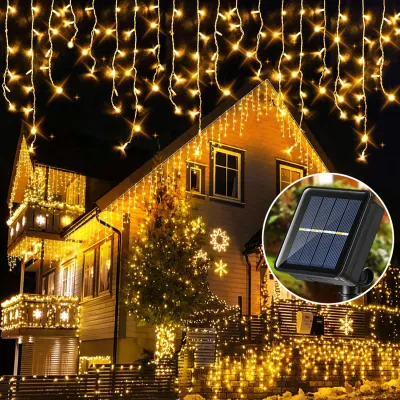
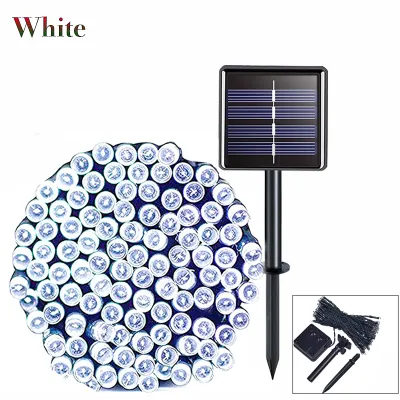
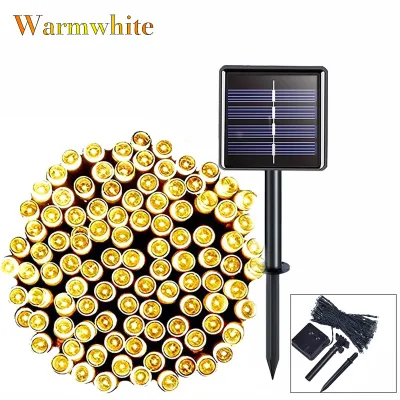
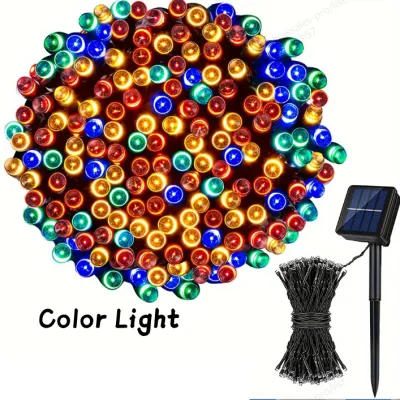
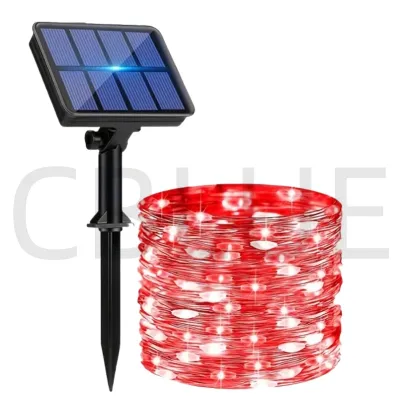
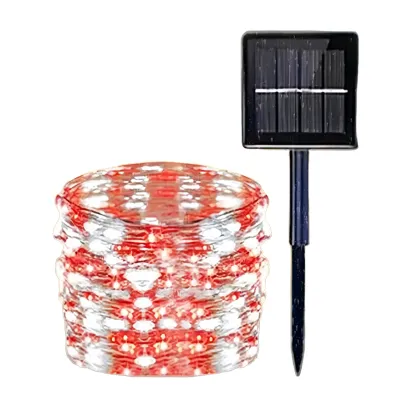
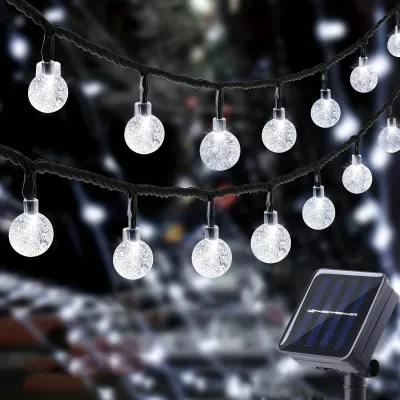
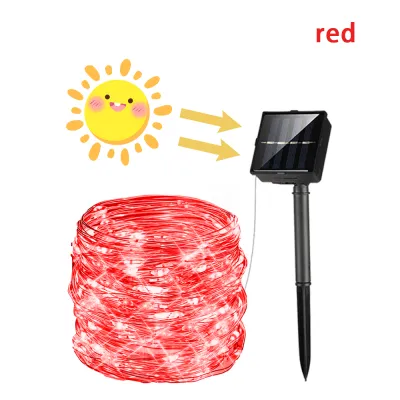
Prices are valid at publication and may change. Please refer to the product page for the latest price.
Identify the materials of your balcony surfaces to determine your mounting strategy. Glass balustrades, powder-coated aluminum railings, and painted concrete walls all require different handling. Glass and metal are excellent for suction cups or specialized plastic clips, while concrete might limit you to tension rods or heavy-duty, outdoor-rated removable adhesive hooks. Ensure these surfaces can support the combined weight of the light strands, wiring, and the solar panel unit, especially when subjected to sudden gusts of wind.
When working at heights on high-rise condo balconies, always prioritize personal safety. Install all fixtures from safely within the balcony railing, never lean over the edge, and ensure no tools, clips, or light fixtures can fall to the units or streets below. If your installation requires reaching high ceiling overhangs or working near the outer edge, use a stable step stool and have another person spot you.
Choosing the Right Style and Size of Solar Christmas Lights
Selecting the right style of solar lights prevents your small balcony from looking cluttered or overwhelming. For compact spaces, flexible copper wire LED lights (often called micro fairy lights) are highly effective. They are lightweight, virtually invisible during the day, and can be wrapped tightly around thin railings. If you want a more dramatic effect, short curtain lights or net lights can cover a specific wall or glass panel, but you must ensure their drop length does not pool on the floor and create a tripping hazard.

Pay close attention to the technical specifications of the light strand before purchasing. You must verify the total wire length, the bulb spacing, and—most importantly—the lead wire distance. The lead wire is the unlit portion of the cable running from the solar panel to the first bulb. On a condo balcony, your solar panel might need to be positioned high up on a railing to catch the sun, while the lights start lower down. A short lead wire will severely limit your placement options and force the solar panel into a shaded area.
Examine the physical dimensions of the integrated solar panel and its mounting hardware. Many solar lights come with a ground stake designed for garden soil, which is useless on a concrete balcony. Look for solar panels that feature a detachable mounting bracket, a flat base, or a heavy-duty clip that can secure directly to a square railing or a balcony ledge. While solar lights operate on low-voltage direct current (DC) and do not require fixed wiring, you should still verify the product’s electrical certification, battery specifications, and weatherproofing limits on the packaging.
Placement and Installation Strategies for Compact Spaces
Installing lights on a high-rise balcony requires extra security due to wind exposure. Avoid using thin tape or weak strings that can degrade under the tropical sun and high humidity. Instead, utilize UV-resistant zip ties, plastic railing clips, or outdoor-rated tension rods wedged between the floor and ceiling overhang. These tools keep the light strands taut and prevent them from whipping against the glass or metal during windy nights.
Positioning the solar panel is the most critical step for reliable performance. Because condo balconies are often recessed or covered by the unit above, they receive limited direct sunlight. Observe your balcony’s sun patterns throughout the day. If your balcony faces north or is heavily shaded by adjacent towers, place the panel at the outermost edge of the railing, angled upward toward the open sky. Even a slight shadow from a building pillar or a hanging planter can drastically reduce the panel’s charging efficiency.
Once the lights and panel are mounted, manage any excess wire immediately. Loose, dangling wires are not only unsightly but also pose a safety hazard in a tight space. Coil any extra lead wire neatly and secure it to the railing or wall using cable organizers or zip ties. Keep all walkways completely clear to ensure safe movement around your outdoor space.
Common Sizing and Setup Mistakes to Avoid
One of the most common errors is overestimating the linear footage of the balcony and purchasing excessively long light strands. A 20-meter strand of lights might seem reasonable, but when wrapped around a small 2-meter railing, it results in dense, messy bunching that can look chaotic and generate unnecessary heat. Always buy strands that closely match your measured dimensions, or choose modular sets if supported by the manufacturer’s instructions.
Another frequent mistake is placing the solar panel in a convenient but shaded spot, such as behind thick balcony planters or under a deep ceiling overhang. Solar panels require direct, unshaded sunlight to charge the internal battery fully. Placing them in permanent shadow will result in dim lights that turn off after only an hour or two of operation.
Lastly, never ignore the weight limits of your mounting points and the wind resistance of your fixtures. High-rise balconies experience significantly higher wind speeds than ground-level gardens. Heavy, bulky decorative fixtures attached to delicate glass balustrades can crack the glass or tear away during a sudden tropical storm. Keep your balcony decorations lightweight, aerodynamic, and securely anchored.
Frequently Asked Questions (FAQ)
How long do solar Christmas lights typically stay illuminated?
The runtime of solar Christmas lights depends heavily on the amount of direct sunlight the panel receives during the day and the capacity of the built-in rechargeable battery. In the Philippines, a solar panel that receives four to six hours of direct, unobstructed sunlight can typically power energy-efficient LED lights for six to eight hours at night. Always check the manufacturer’s specifications on the packaging for the estimated runtime under optimal charging conditions.
Can I leave solar lights outside during heavy rain?
Most outdoor solar Christmas lights are designed to withstand normal weather conditions, but you must verify their Ingress Protection (IP) rating before installation. Look for lights with an IP44 rating or higher, which indicates resistance to splashing water from all directions. During severe tropical storms, typhoons, or prolonged heavy downpours, it is highly recommended to temporarily bring the solar panel and light strands indoors to protect the internal electronics from water ingress and wind damage.
What is the best way to store them after the holidays?
To preserve the lifespan of your solar lights, dismantle them carefully after the holiday season. Avoid pulling or yanking the wires, as this can break the delicate internal copper connections. Coil the strands loosely around a piece of cardboard to prevent tangling. Clean the solar panel surface with a soft, damp cloth to remove dust and salt residue. Store the entire set in a cool, dry place away from direct sunlight, and if the battery is accessible and removable, take it out to prevent corrosion during the off-season.

Community discussion
Share your experience or ask a question. Comments are reviewed before publication.