
Finding the best battery-operated Christmas lights for outdoor use in the Philippines requires prioritizing weather resistance and power efficiency over purely aesthetic features. The local climate presents a demanding environment for outdoor electronics, characterized by intense tropical heat, high relative humidity, and sudden, heavy downpours. While battery-powered lights eliminate the need for extension cords and outdoor power outlets, they introduce unique vulnerabilities, particularly at the battery compartment and along the wire connections. To ensure your holiday display remains bright and safe throughout the festive season, you must evaluate specific ingress protection ratings, battery housing designs, and durable wire materials.
Selecting the right lights involves understanding how tropical weather interacts with portable power sources. Moisture can easily penetrate poorly sealed battery boxes, leading to short circuits, rapid battery drain, or permanent corrosion of the terminals. By focusing on verified waterproof standards and robust construction, you can enjoy a hassle-free outdoor display that withstands the elements from the early breeze of the “Ber” months through the warm tropical nights of January.
Decoding Waterproof Ratings for Tropical Weather
When shopping for outdoor holiday decor on an online marketplace or at local home improvement centers, you will frequently encounter vague marketing terms like “waterproof” or “weather-resistant.” These labels lack standardized definitions and can be highly misleading. To ensure your lights can survive a sudden afternoon thunderstorm, you must look for a standardized Ingress Protection (IP) rating. An IP rating consists of two digits: the first represents protection against solid particles like dust, and the second indicates protection against liquids.
Products mentioned in this guide
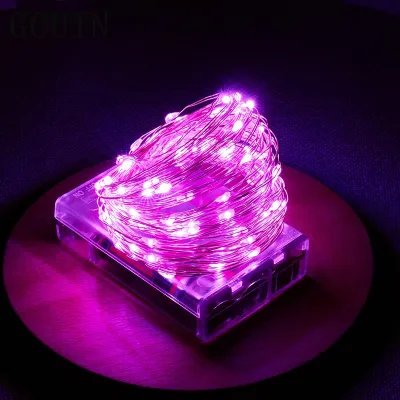
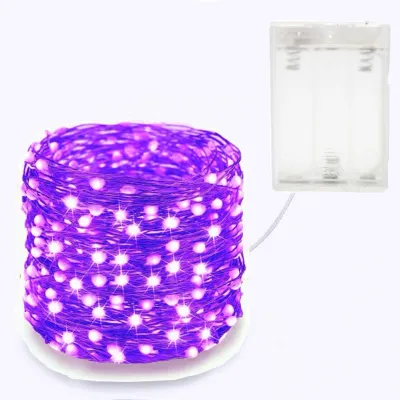
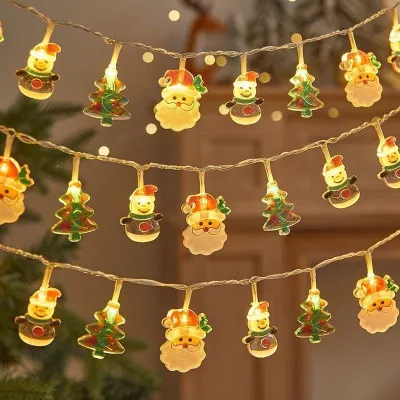
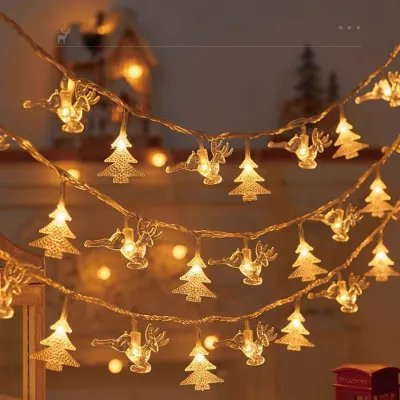
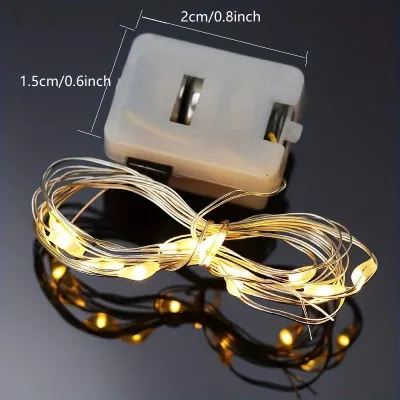
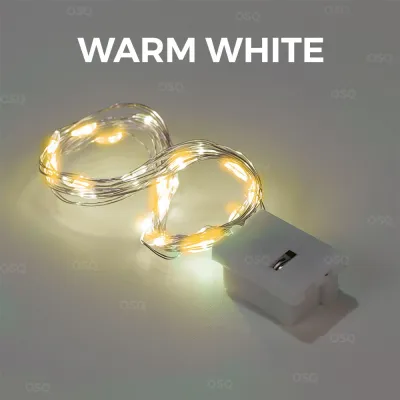
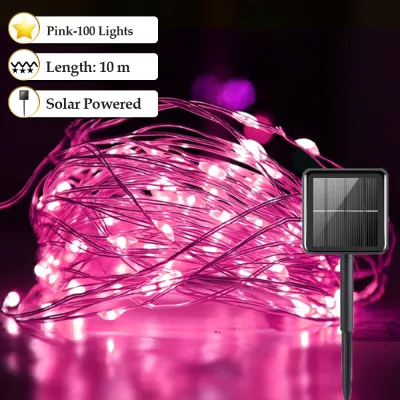
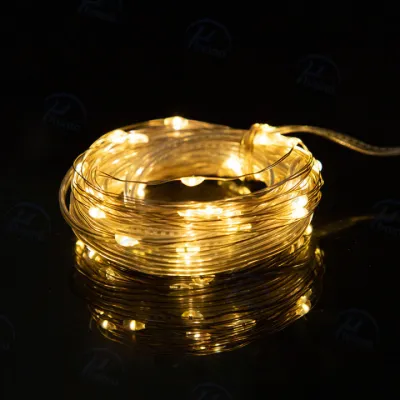
Prices are valid at publication and may change. Please refer to the product page for the latest price.
For outdoor residential displays in typical Philippine garden or patio settings, an IP44 rating is generally considered the minimum standard. This rating indicates that the product is protected against solid objects larger than one millimeter and can withstand water splashing from any direction. However, if your lights will be fully exposed to heavy tropical downpours without any overhead cover, opting for an IP65 rating is highly recommended. An IP65-rated product is completely dust-tight and can resist low-pressure water jets, making it far more resilient during intense rainstorms. When verifying these specifications, check for recognized electrical certifications on the packaging to ensure the product has undergone standard safety testing.
It is critical to recognize that the light string and the battery compartment often carry different IP ratings. Manufacturers frequently pair an IP65-rated LED string with an IP44-rated or even unrated battery box. The battery compartment is almost always the most vulnerable point of failure in any cordless lighting setup. When evaluating a product, inspect the battery box for a dedicated sealing mechanism, such as a thick silicone or rubber gasket lining the inner rim and heavy-duty snap latches that compress the seal when closed. Avoid battery boxes that rely solely on slide-on plastic covers without a rubber seal, as these will inevitably allow humid air and rainwater to seep inside.
Choosing the Right Battery Type and Managing Power
The choice of battery type directly influences how long your outdoor Christmas lights will stay bright before requiring a replacement. Most standard battery-operated light strings run on AA or AAA batteries, which are ideal for shorter decorative accents like wreaths or small potted plants. For longer light strings or more intensive displays, look for units designed to accept C or D batteries. These larger cells offer significantly higher milliampere-hour capacities, meaning they can sustain the power draw of multiple LEDs for a much longer duration, reducing the frequency of battery changes.

The tropical climate of the Philippines, characterized by high ambient temperatures and elevated humidity, can accelerate battery self-discharge and increase the risk of terminal corrosion. When batteries are exposed to heat, the chemical reactions inside them speed up, causing them to lose power even when the lights are turned off. Furthermore, moisture in the air can react with the metal contacts inside the battery box, leading to the formation of rust or a white, powdery alkaline discharge. To mitigate these risks, always use high-quality, leak-resistant alkaline or lithium batteries from reputable manufacturers, and avoid mixing old and new batteries in the same compartment.
To manage power consumption effectively, prioritize light sets that feature a built-in automatic timer. A standard timer function typically operates on a cycle of 6 hours on and 18 hours off, automatically illuminating the lights at the same time each evening. This feature is incredibly practical for outdoor setups, as it eliminates the need to manually venture into a damp garden or patio to turn the lights off before bed. By limiting the daily operation to six hours, you can dramatically extend the lifespan of a single set of batteries, saving money and reducing waste over the holiday season.
Selecting Bulb Technology and Wire Materials
When selecting outdoor Christmas lights, LED (Light Emitting Diode) technology is the only practical choice for battery-operated configurations. Traditional incandescent bulbs convert a massive amount of energy into heat rather than light, which drains batteries rapidly. LEDs, on the other hand, are highly efficient, consuming up to 90 percent less energy than their incandescent counterparts. They also remain cool to the touch, which is a vital safety consideration when wrapping lights around dry tropical foliage, wooden trellises, or synthetic outdoor decorations.
The material of the wire connecting the bulbs is another critical factor in determining long-term durability in humid environments. Bare copper wire, often found in delicate fairy lights, is highly flexible and easy to shape around branches or railings. However, copper is highly susceptible to oxidation when exposed to moisture and salty air in coastal regions, which can turn the wire green and eventually break the electrical connection. For permanent or semi-permanent outdoor installations, PVC-coated plastic wires are far superior. The thick plastic sleeve protects the internal conductors from direct contact with moisture, oxygen, and physical wear.
Different string styles serve distinct decorative purposes and require specific handling. Fairy lights on thin wire are excellent for subtle, close-up accents on outdoor dining tables or small shrubs. For larger architectural features, curtain, icicle, or net lights provide a more dramatic effect. Icicle lights look spectacular draped along the edges of roof eaves or gutters, while net lights can be quickly draped over large hedges to create an even blanket of illumination. While warm white or multi-colored bulbs create different spatial effects, these color temperatures are entirely a matter of personal preference rather than a measure of light quality or durability.
Safe Installation and Moisture Protection Strategies
Before hanging any battery-operated lights outdoors, perform a thorough pre-installation inspection in a dry indoor environment. Insert fresh batteries and turn the lights on to verify that all bulbs illuminate consistently. Carefully inspect the entire length of the wire for any signs of fraying, exposed copper, or cracked insulation. Check that the rubber O-ring or gasket inside the battery box is seated perfectly flat in its groove and is free of dirt, hair, or debris that could compromise the watertight seal.
When mounting the lights outside, position the battery box strategically to minimize its exposure to the elements. Even if the box is rated for outdoor use, it should never be placed directly on the ground where rainwater can pool, nor should it be left hanging in a position where water can run down the wire directly into the cable entry point. Instead, mount the battery box vertically with the cable exit pointing downward, allowing gravity to shed water away from the seal. You can secure the box to a fence post, wall, or tree trunk using plastic zip ties or adhesive outdoor hooks, ideally underneath a protective overhang like an eave or a porch roof.
Always respect the physical limits of consumer-grade outdoor lighting equipment. Before handling any components, ensure the power is completely isolated by removing the batteries. If your installation requires routing wires through tight structural gaps, mounting lights at extreme heights, or securing heavy suspended loads, prioritize safety and consult a qualified professional. Never attempt to modify the battery box or splice wires together unless the manufacturer’s instructions explicitly permit it. If you encounter any electrical flickering, unusual heat generation, or moisture ingress inside the battery compartment, immediately isolate the power by removing the batteries and consult the product manual for troubleshooting steps.
Building Your Shortlist: What to Compare Before Buying
To build a reliable shortlist of battery-operated Christmas lights, create a structured comparison framework based on your specific outdoor layout. Start by measuring the exact length of the area you wish to decorate, whether it is a 5-meter balcony railing or a 15-meter garden path. This will help you determine the required string length and prevent you from purchasing multiple short sets that would require managing several individual battery boxes.
When browsing online marketplaces or local retail shelves, cross-reference the product descriptions with the physical labels on the packaging. Look for clear indications of the IP rating, the required battery size, and the presence of a timer function. Be cautious of listings that use generic buzzwords without providing technical specifications. Reading user reviews can offer valuable insights into how the lights perform under real-world conditions, particularly regarding how well the battery box seals hold up against heavy rain and whether the wire material rusts quickly.
While budget is always an important consideration, investing slightly more in a set with a verified IP65 rating and a robust, gasket-sealed battery compartment will save you money in the long run. Cheap, unrated lights often fail after the first heavy rain, forcing you to purchase replacements and spend more on replacement batteries. By balancing your budget (such as comparing options under ₱500 versus premium weather-sealed sets) with necessary weatherproofing features, you can establish a festive, reliable, and cost-effective outdoor holiday display that lasts for many seasons to come.
Frequently Asked Questions (FAQ)
Can I leave the battery box outside during heavy monsoon rains?
Most consumer-grade battery boxes designed for outdoor Christmas lights are rated IP44, which means they can withstand splashing water and light rain, but they are not built to survive torrential monsoon downpours or prolonged submersion. During severe weather events or tropical storms, it is highly recommended to bring the battery boxes indoors or temporarily place them inside a dedicated weatherproof electrical enclosure. If the box must remain outside, you can provide extra protection by wrapping it in a heavy-duty plastic bag with the opening facing downward, ensuring that condensation can still escape and water cannot pool inside.
How do I prevent battery corrosion in high-humidity environments?
To prevent destructive battery corrosion in the high humidity of the Philippines, always remove the batteries from the compartment as soon as the holiday season ends or if the lights will go unused for more than a few weeks. Moisture in the air can easily seep into the box over time, causing the batteries to leak corrosive chemicals that ruin the metal terminals. Before storing the light set for the off-season, inspect the battery contacts for any signs of green oxidation or white residue. Clean the contacts gently with a small brush or a cotton swab dipped in a tiny amount of vinegar or isopropyl alcohol, dry them completely, and check that the rubber sealing gasket remains flexible and intact before packing the set away.

Community discussion
Share your experience or ask a question. Comments are reviewed before publication.