
Finding the best battery-operated outdoor Christmas lights in the Philippines requires balancing festive aesthetics with the realities of a tropical climate. Unlike indoor decorations, outdoor lights must withstand high humidity, sudden downpours, and intense heat. Battery-powered options offer incredible flexibility, allowing you to decorate areas far from electrical outlets—such as garden hedges, perimeter fences, and outdoor gazebos—without running hazardous extension cords across wet lawns. However, because there are no plug-in power sources to rely on, your choice must focus heavily on energy efficiency, robust weatherproofing, and secure battery enclosures.
To find the ideal set, you must look beyond decorative appeal and carefully verify technical specifications like Ingress Protection (IP) ratings, wire insulation quality, and battery compartment seals. This guide will walk you through the essential steps to evaluate your outdoor space, decode product labels, match light styles to your home’s features, and implement safe installation practices that protect your investment from the elements.
Assessing Your Outdoor Space and Power Constraints
Before purchasing any holiday lighting, a thorough assessment of your outdoor area is essential. Start by mapping out exactly where you want to install the lights and measuring the distance to the nearest outdoor-rated electrical outlet. If the distance is substantial, running long extension cords can introduce tripping hazards and electrical risks, especially in damp conditions. In these scenarios, battery-operated lights become the safest and most practical choice.
Products mentioned in this guide
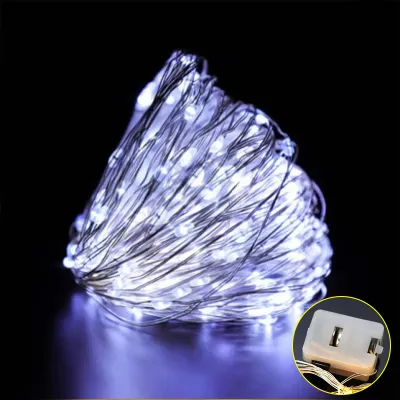
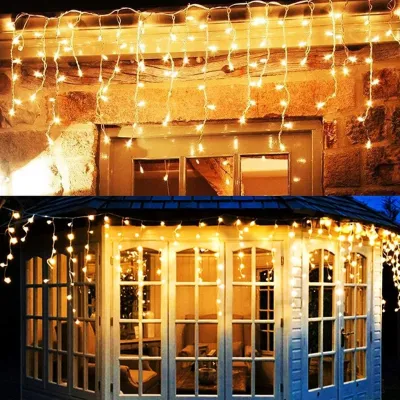
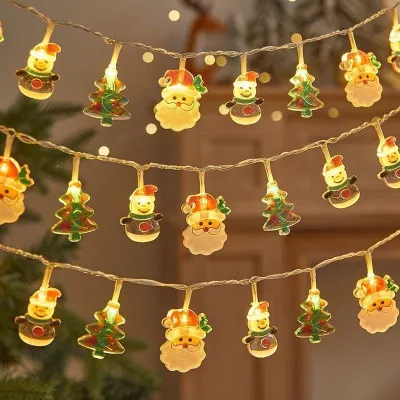
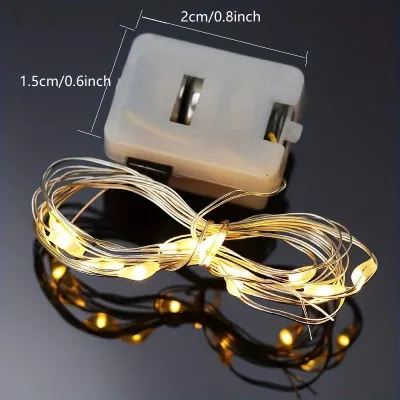
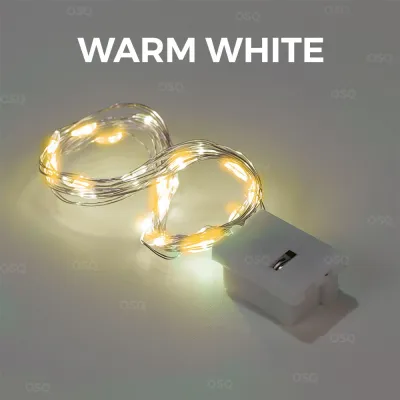
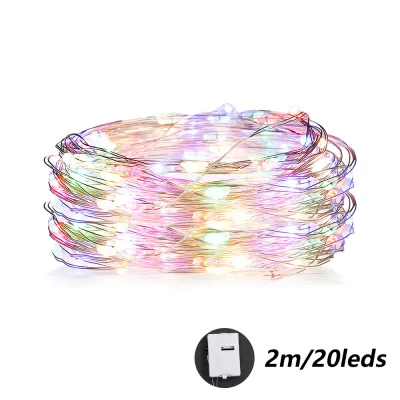
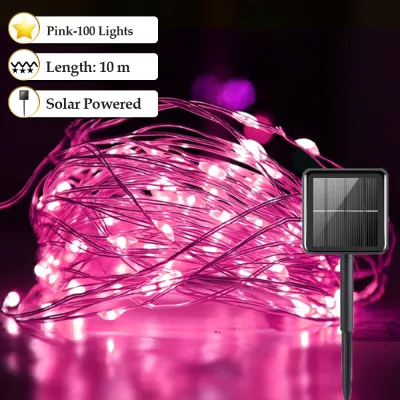
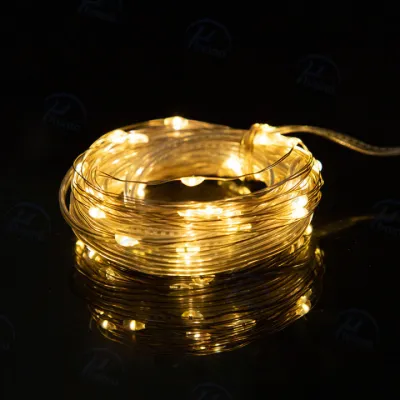
Prices are valid at publication and may change. Please refer to the product page for the latest price.
Next, examine the mounting surfaces in your chosen decoration zones. Different surfaces—such as concrete walls, wooden railings, metal gates, or living tree branches—have varying weight capacities and require specific fastening methods. For instance, wrapping a heavy, thick-wired light string around delicate garden shrubs can damage the plants, while lightweight fairy lights might easily blow away in strong winds if not secured properly. Estimate the total length of the area you wish to cover and calculate the weight limits of your support structures to ensure they can handle the load of both the light strings and the heavier battery compartments.
Finally, factor in the unique weather patterns of the Philippines. The holiday season often coincides with the tail end of the rainy season, bringing high humidity, sudden tropical downpours, and occasional strong winds. Standard indoor lights will quickly short-circuit or corrode under these conditions. Your outdoor decorations must be resilient enough to handle moisture-laden air and heavy rain without failing. Understanding these environmental challenges beforehand allows you to select products specifically engineered to endure tropical climates.
Essential Specifications to Verify on Product Labels
When shopping for battery-operated outdoor lights, product labels and technical specifications are your primary line of defense against product failure and safety hazards. The most critical specification to verify is the Ingress Protection (IP) rating. This rating consists of two digits: the first indicates protection against solid objects like dust, and the second indicates protection against liquids. For outdoor use in tropical environments, look for a minimum rating of IP44, which protects against splashing water from any direction. For areas fully exposed to heavy downpours, an IP65 rating or higher is highly recommended, as it ensures the product is completely dust-tight and protected against water jets.

Do not assume that an “outdoor-use” label automatically applies to the entire product. In many battery-powered light sets, the LED string itself may carry a high IP rating, while the battery compartment is only rated for indoor or sheltered use. Carefully inspect the product specifications to confirm that the battery box itself is explicitly rated for outdoor exposure. A truly weather-resistant battery compartment should feature a robust sealing mechanism, such as a thick rubber gasket or silicone O-ring lining the closure, along with secure latches or screw-down covers that compress the seal to prevent moisture from seeping into the electrical contacts.
The materials used in the wires and bulbs also dictate the longevity of your outdoor display. Opt for light strings constructed with heavy-duty, UV-resistant PVC or thick copper wiring. Thin, flimsy wires degrade rapidly when exposed to intense tropical sunlight and high humidity, leading to cracked insulation and exposed conductors. Additionally, choose shatterproof LED bulbs rather than traditional glass bulbs. LEDs generate minimal heat, consume significantly less power—which is crucial for preserving battery life—and are highly resistant to impact from wind-blown debris or accidental drops during installation.
Matching Light Styles to Outdoor Features
Selecting the right style of light string not only enhances your home’s curb appeal but also ensures the physical installation is manageable and secure. Fairy lights and classic micro-string lights are incredibly versatile due to their thin, flexible wires. These are best suited for detailed wrapping around tree trunks, porch railings, columns, and window frames. Because they are lightweight, they place minimal stress on branches and can be easily manipulated to follow the natural contours of your architectural features.
For broader, more dramatic coverage, curtain and net lights are the ideal choice. Net lights consist of a pre-woven grid of bulbs that can be quickly draped over hedges, bushes, or low fences, providing uniform illumination with minimal effort. Curtain lights feature multiple vertical strands hanging from a single main wire, making them perfect for blank outdoor walls, patio backdrops, or hanging along the edge of a roofline. These styles distribute light over a large surface area, creating a cohesive and festive backdrop for your outdoor living spaces.
If you want to draw attention to specific focal points, consider globe, lantern, or novelty shaped lights. These larger, more substantial bulbs work exceptionally well around main entryways, garden gates, or suspended from gazebo rafters. Because globe lights are heavier and more prominent, they serve as excellent visual anchors in your design. However, their increased weight means you must ensure that the mounting surfaces and fastening materials are robust enough to support them, particularly during windy evenings.
Safe Installation and Weather Protection Practices
Proper installation is just as important as choosing the right product when it comes to safety and durability. When securing your lights, avoid using metal nails, staples, or tacks. These can easily pierce the protective PVC insulation of the wires, leading to short circuits, water intrusion, or electrical shocks. Instead, use outdoor-rated plastic adhesive clips, gutter hooks, or UV-resistant nylon zip ties. These fasteners hold the wires securely in place without damaging the insulation and can withstand prolonged exposure to sunlight and rain.
The placement of the battery pack requires strategic planning. Even if the battery box features a high IP rating and a rubber gasket, it should never be left resting directly on the ground where water can pool during heavy rains. Position the battery compartment in a sheltered spot whenever possible, such as under a roof overhang, behind a porch pillar, or tucked beneath dense foliage. If the lights must be installed in an open area, elevate the battery box by mounting it to a post or wall, or place it inside a dedicated weatherproof electrical enclosure to provide an extra layer of defense against the elements.
Routine maintenance throughout the holiday season will significantly extend the lifespan of your lights. Periodically inspect the entire length of the wire for any signs of wear, fraying, or pest damage. Check the battery compartment regularly for signs of moisture ingress or corrosion on the metal contacts. If you notice any white or powdery buildup on the terminals, turn off the power, remove the batteries, and clean the contacts with a dry cloth or a small brush. Always turn off the power supply before performing any maintenance or adjustments to ensure your safety.
Smart Shopping Checklist for Online Marketplaces
Navigating online marketplaces in the Philippines requires a discerning eye to avoid low-quality counterfeits or misrepresented products. When browsing e-commerce platforms, do not rely solely on promotional images or product titles. Dive deep into the user reviews and filter them for keywords like “waterproof,” “battery life,” and “actual length.” Look for reviews that include real-life photos or videos showing the lights in use during rainy weather, as these provide the most accurate representation of how the product performs in real-world conditions.
Verify the credibility of the seller before making a purchase. Look for official brand stores, authorized distributors, or sellers with high positive ratings and a history of responsive customer service. Check the store’s return and warranty policies, particularly concerning electrical items. A reputable seller should offer a clear return window in case the product arrives damaged or fails to match the advertised specifications.
Finally, consider the long-term operational costs of battery-powered lighting. While the initial purchase price of battery-operated lights may be lower than plug-in alternatives, the ongoing cost of replacement batteries can quickly add up over a multi-week holiday display. Check if the light set is compatible with high-quality rechargeable batteries, such as NiMH or lithium-ion options. Using rechargeable batteries is not only more cost-effective over time but also reduces environmental waste, saving you hundreds of pesos (₱) over the holiday season.
Frequently Asked Questions (FAQ)
Can I leave battery-operated Christmas lights outside in heavy rain?
While many high-quality LED light strings are designed to withstand rain, the battery compartment is almost always the most vulnerable component. Even with an IP44 or IP65 rating, prolonged exposure to torrential downpours or standing water can cause moisture to seep past the seals of the battery box. During severe weather events, tropical storms, or typhoons, it is highly recommended to temporarily bring the battery compartments indoors or place them inside a fully sealed, waterproof protective enclosure to prevent irreversible water damage and corrosion.
How long do battery-powered outdoor lights typically last on a single set of batteries?
The operational lifespan of a single set of batteries depends on several factors, including the number of bulbs on the string, the quality of the batteries used, and the active lighting mode (such as steady-on versus flashing). Generally, a standard set of alkaline batteries can power a typical 50-LED string for several days to a few weeks of nightly use. To maximize battery life, look for light sets that feature built-in automatic timers (such as 6 hours on, 18 hours off) or multi-action modes that consume less power than a continuous steady-on setting.
Are rechargeable batteries safe to use in outdoor Christmas lights?
Rechargeable batteries are generally safe to use, but you must verify the manufacturer’s specifications for voltage compatibility first. Standard alkaline batteries provide 1.5 volts, whereas many common rechargeable batteries (like NiMH) output 1.2 volts. This slight voltage difference may cause the LED bulbs to appear slightly dimmer than usual. Conversely, some specialized lithium-ion rechargeable batteries can output higher voltages that might overheat or damage the delicate LED circuitry. Always check the product manual to ensure your chosen rechargeable batteries match the required voltage and current specifications of the light set.

Community discussion
Share your experience or ask a question. Comments are reviewed before publication.