
Finding the right bedside wall lamps requires balancing two distinct needs: focused task lighting for reading and soft, diffused light for relaxation. Because bedrooms serve as both a retreat and a functional space, selecting wall sconces that seamlessly transition between these modes involves evaluating fixture design, light source characteristics, and placement. This guide outlines the key decision factors to help you choose dual-purpose bedside lighting that enhances both comfort and functionality.
Defining Your Dual Lighting Needs
Before browsing designs, it is essential to identify the specific reading and relaxation habits that dictate your lighting requirements. Task lighting for reading in bed requires a concentrated, directional beam that illuminates your book or tablet without causing eye strain. In contrast, ambient lighting for winding down should be soft, indirect, and evenly distributed to signal to your body that it is time to rest.
Your personal habits play a significant role in this decision. Consider your typical reading posture—whether you sit upright against the headboard, lean to one side, or lie flat. The duration of your reading sessions and whether you share the bed with a partner who sleeps on a different schedule will also influence the type of fixture you need. If one person sleeps while the other reads, highly directional light control becomes a priority.
Products mentioned in this guide
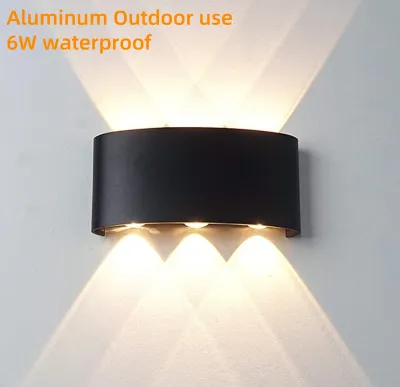
Prices are valid at publication and may change. Please refer to the product page for the latest price.
Additionally, evaluate the bedroom’s overall size and existing light sources. In tropical climates like the Philippines, bedrooms often feature large windows for ventilation, which provide ample natural light during the day but leave the room entirely dependent on artificial lighting at night. Assess how much supplemental light the wall lamps must provide in relation to your main ceiling fixtures or natural evening shadows.
Essential Features for Dual-Purpose Wall Sconces
To achieve both focused task lighting and soft ambient illumination, look for wall lamps with specific physical features. Adjustable arms, swivel heads, or flexible goosenecks are excellent for reading because they allow you to direct the light precisely where you need it. When you are finished reading, you can simply push the arm back against the wall or point the head upward to create a soft, indirect glow.

Another highly effective option is a dual-light design. These specialized fixtures combine two light sources into a single unit: an upward or downward-facing lamp with a fabric or frosted glass shade for ambient light, and a separate, adjustable LED spotlight on a flexible arm for reading. This setup allows you to use either light source independently or both together, depending on your needs.
Control mechanisms are equally important for managing dual-purpose lighting. Look for fixtures with built-in dimmer switches or dual independent switches that let you control each light source separately. If you prefer modern convenience, choosing fixtures compatible with smart home systems or smart bulbs allows you to transition from bright reading light to a low, warm ambient glow using a remote, smartphone app, or voice commands.
Selecting Bulbs and Color Temperature
The performance of your bedside wall lamps depends heavily on the bulbs you choose. Before purchasing any bulb, always check the fixture’s manufacturer label for maximum wattage limits, voltage compatibility, and compatible bulb base types, such as E27 or GU10. Using a bulb that exceeds the recommended wattage can cause overheating, which is a safety hazard, especially in warm, humid environments.
To balance visual clarity for reading with warmth for relaxation, pay close attention to the Kelvin scale on bulb packaging. For reading, a cooler, clearer light between 3000K and 4000K (often labeled as warm white or cool white) provides excellent contrast and reduces eye strain. However, for winding down before sleep, a warmer light around 2700K (extra warm white) is ideal because it mimics the sunset and helps promote relaxation.
Smart bulbs offer an elegant solution to this color temperature dilemma. By installing a smart LED bulb, you can adjust both the brightness and the color temperature of a single fixture through an app or smart assistant. This eliminates the need to physically change bulbs or compromise on light quality, allowing you to enjoy a bright, cool light for reading and a dim, warm amber glow for relaxation at the touch of a button.
Placement and Installation Guidelines
Proper placement of your bedside wall lamps is crucial to avoid glare and ensure you can easily reach the switches without getting out of bed. To find the optimal mounting height, sit comfortably in your bed in your typical reading posture. Have someone assist you by holding a flashlight or a mockup of the fixture against the wall, aiming to position the bottom of the shade or the light source roughly at your seated eye level.
This height will vary depending on your specific mattress thickness, bed frame height, and headboard design. Generally, the light source should be low enough to illuminate your reading material directly but high enough that you do not look directly into the bare bulb when sitting up. The horizontal distance from the center of the bed should allow you to reach the physical switches comfortably while lying down.
When it comes to installation, you must decide between hardwired and plug-in options. Plug-in sconces are highly convenient, especially for rental properties, as they simply mount to the wall and plug into a nearby outlet, though the hanging cords will be visible. Hardwired fixtures offer a clean, seamless look with all wiring hidden behind the drywall or concrete. For any new hardwired installations, structural wall modifications, or if local electrical codes are unclear, always isolate the power at the circuit breaker and consult a qualified electrician to ensure a safe installation.
Coordinating Sconce Styles with Bedroom Decor
While functionality is key, your bedside wall lamps should also complement your bedroom’s aesthetic. Match the fixture’s metal finishes—such as brushed brass, matte black, or polished chrome—with existing hardware in the room, such as drawer pulls, curtain rods, or door handles. This creates a cohesive, intentional look that ties the entire space together.
Consider the visual weight and physical dimensions of the sconces relative to your headboard and nightstands. Large, heavy fixtures can overwhelm a minimalist bedroom or a small bed, while tiny sconces might look lost next to a grand, upholstered headboard. Ensure the scale of the lamps balances harmoniously with the surrounding furniture to maintain a sense of proportion.
Finally, evaluate how the design of the lamp shade affects light output. Highly decorative shades with intricate cutouts, dark metal finishes, or heavily tinted glass can create beautiful patterns on the wall, but they may also obstruct or overly tint the light, making reading difficult. If you choose a decorative fixture, ensure it has an open bottom or a dedicated secondary reading light so your functional lighting needs are not compromised by style.
Frequently Asked Questions (FAQ)
Can I use a single wall sconce for both reading and ambient light?
Yes, a single wall sconce can successfully serve both purposes if it is designed with dual-function features. Look for fixtures that combine a translucent fabric or frosted glass shade—which diffuses light to create a soft, ambient glow—with an adjustable, integrated spotlight for focused reading. Alternatively, you can use a standard single-source sconce paired with a dimmable smart bulb, allowing you to transition from bright, clear reading light to a dim, warm ambient glow using a simple app or remote control.
How do I prevent my bedside wall lamp from disturbing my partner?
To keep your reading light from keeping your partner awake, choose fixtures that offer precise directional control, such as a narrow-beam LED spotlight on a flexible gooseneck arm. This allows you to direct the light strictly onto your book or tablet while keeping the rest of the bed in darkness. Additionally, look for fixtures with independent switches so you can turn off the ambient portion of the lamp entirely, and position the light source low enough so that your headboard or your own body acts as a natural shield, keeping the light out of your partner’s direct line of sight.

Community discussion
Share your experience or ask a question. Comments are reviewed before publication.