
Customizing your condo with vibrant, personalized LED letters requires balancing visual style with the practical constraints of high-rise living. To get the perfect sign, you must evaluate your unit’s physical layout, choose materials that complement your interior design, select appropriate color temperatures, and plan a non-destructive mounting strategy. Crucially, you must also verify technical specifications—such as voltage compatibility with the standard 220V system in the Philippines, base or interface types, wattage limits, and proper electrical certifications—to ensure safe, long-term operation.
Condo spaces present unique challenges, from strict homeowner association (HOA) rules regarding drilling to the ambient heat and humidity of a tropical climate. Selecting the right sign is not just about choosing a catchy phrase or a striking font. It involves a systematic review of structural limits, electrical requirements, and visual balance. By addressing these technical and aesthetic factors before you place an order with a custom manufacturer, you can avoid costly design mistakes and ensure your illuminated art remains a safe, beautiful focal point for years to come.
Evaluate Your Condo Space and Lighting Goals
Before browsing design catalogs, you must precisely assess the physical space where you plan to install your custom LED letters. Condo units, whether studio layouts in Makati or spacious multi-bedroom residences in Bonifacio Global City, require careful spatial planning to prevent decorative elements from overwhelming the room. Start by measuring the width, height, and depth of your designated wall, shelf, or niche. Use a physical measuring tape rather than estimating, as even a few centimeters of error can make a custom sign look cramped or awkwardly off-center.
Products mentioned in this guide
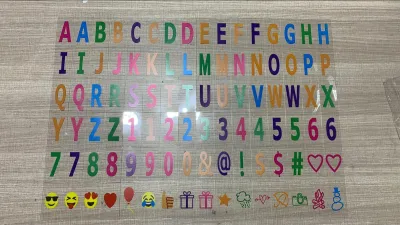
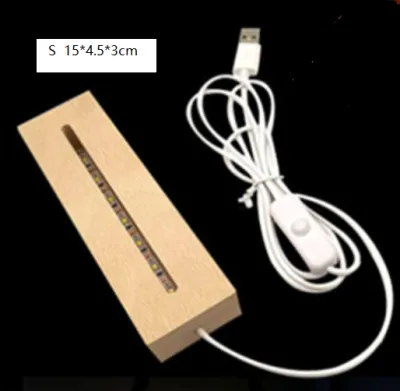
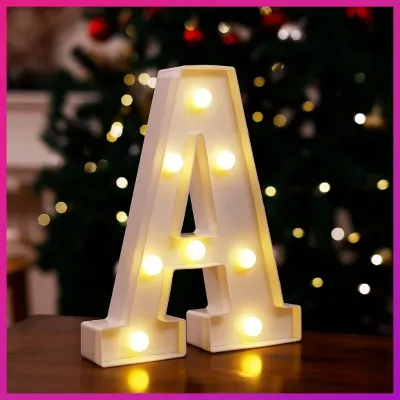
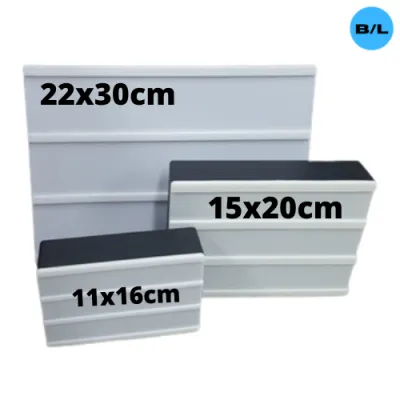
Prices are valid at publication and may change. Please refer to the product page for the latest price.
When measuring, establish clear boundary margins around the proposed sign. A good rule of thumb is to leave at least 20% to 30% of the surrounding wall space empty to let the design breathe. If you are placing the letters on a shelf or inside a display cabinet, measure the vertical clearance and the shelf depth to ensure the unit fits securely without overhanging the edge. Keep in mind that custom signs require routing for power cords, which may necessitate additional clearance at the bottom or sides of the installation area.
Evaluating the existing ambient light in your condo is equally critical. Observe how natural light changes in the room throughout the day, especially if you have large floor-to-ceiling windows that let in intense tropical sunlight. A sign that looks brilliantly bright at night might lose its impact during the day if it competes with direct sunlight. Conversely, placing a highly reflective acrylic or metal sign directly opposite an artificial light fixture can cause distracting glare, making the letters difficult to read.
Finally, define the primary purpose of the LED letters within your overall lighting scheme. A sign designed as a welcoming entryway piece requires a different scale and brightness level than a motivational quote for a home office or a soft, low-brightness nightlight for a bedroom. Defining this purpose early helps you determine the necessary light output, color temperature, and control options. For instance, an accent light meant for evening relaxation should prioritize dimming capabilities, whereas a focal piece in a living room can feature bolder, more vibrant colors.
Key Design and Specification Factors to Request
Size, Proportion, and Font Selection
Achieving the correct proportion for your LED letters is a balance of visual scale and legibility. To calculate the ideal dimensions, consider the primary viewing distance within your condo. For a standard living room where viewers sit two to three meters away, letters with a height of 15 to 25 centimeters are generally highly legible without dominating the wall. If the sign is intended for a long hallway or a spacious open-concept dining area, you may scale the letters larger, provided they do not crowd the surrounding furniture.

Font selection directly impacts both the legibility of your sign and the technical feasibility of its construction. Clean, modern sans-serif fonts feature straight lines and wide curves, making them highly legible from various angles and easier to manufacture in smaller sizes. These fonts are excellent for longer phrases or compact spaces where clarity is paramount. In contrast, highly decorative script or cursive fonts offer a flowing, continuous aesthetic that works beautifully for single-word statements or names, but they require a larger overall scale to prevent the glowing lines from blurring together.
Always request a detailed digital mockup or a technical proof from your chosen manufacturer before authorizing production. This mockup should show the exact dimensions, letter spacing, stroke thickness, and the placement of any backing boards or support structures. Reviewing this proof allows you to visualize how the font scales to your specific measurements. It also gives you an opportunity to check that the spacing between letters looks natural and that the overall layout aligns with your design vision before the physical materials are cut and assembled.
Material Choices and Finishes
The materials used to construct your custom LED letters determine their durability, weight, and appearance when the light is turned off. Acrylic faces paired with metal returns (the sides of the letters) offer a polished, premium aesthetic that fits seamlessly into modern or contemporary condo interiors. The acrylic face diffuses the light evenly, eliminating harsh hotspots, while the metal returns provide a clean, structured border. This combination is highly durable and resists warping, though it is heavier than alternative options.
For a vibrant, continuous-line aesthetic reminiscent of classic glass neon, flexible silicone LED neon is an exceptional choice. These signs utilize a flexible silicone sleeve packed with high-density LED strips, creating a smooth, unbroken glow. Silicone is highly flexible, shatterproof, and emits minimal heat, making it incredibly safe for homes with pets or children. However, because silicone is flexible, these signs require a structural backing board—typically made of clear, colored, or mirrored acrylic—to maintain their shape and provide mounting points.
If you prefer an industrial, rustic, or minimalist look, raw or painted metal cutouts with embedded LEDs are highly effective. These letters are typically fabricated from aluminum or steel, offering a tactile, architectural quality. The metal can be powder-coated in various colors or left with a brushed finish to match your decor. Because metal is completely opaque, these designs often feature backlighting to create a sophisticated halo effect against the wall, rather than emitting light directly from the front face.
Do not overlook the appearance of the sign when the power is turned off. Ask your manufacturer about the finish of the backing board, the color of the silicone sleeves, and the appearance of the letter sides. In a well-lit condo during the day, a clear acrylic backing board can catch reflections, while a matte black or white backing might blend more naturally with your wall color. Ensuring these non-illuminated details align with your interior styling prevents the sign from looking like an unfinished commercial fixture during daylight hours.
Color Temperature and Dimming Capabilities
While decorative style, perceived color temperature, and spatial effects are highly subjective and depend on your conditional preferences rather than being universal performance facts, selecting the right setup can dramatically alter how spacious your room feels. For instance, warm white (ranging from 2700K to 3000K) delivers a cozy, relaxing glow that mimics traditional incandescent bulbs, making it ideal for bedrooms, dining areas, and living rooms where comfort is the priority. Cool white (ranging from 5000K to 6500K) provides a crisp, daylight-like illumination that enhances focus and modern aesthetics, making it suitable for home offices or sleek, minimalist entryways.
For those who want versatility, RGB (Red, Green, Blue) LEDs allow you to change the color of your sign on demand. Modern RGB systems often include smart controllers, allowing you to select solid colors, dynamic color-changing patterns, or even sync the lighting to music. While RGB offers incredible flexibility for hosting gatherings or matching seasonal themes, it is important to ensure the default white settings of the RGB strip are of high quality if you plan to use the sign for daily ambient lighting.
In the relatively compact environment of a condo, fixed-brightness LEDs can easily become visually overwhelming, causing eye strain or distracting reflections on television screens and windows. It is highly recommended to request a built-in dimmer switch or a compatible dimmable power adapter from your manufacturer. A dimmer allows you to dial down the brightness to a gentle glow for evening relaxation or crank it up to full strength when you want the sign to stand out during a daytime gathering, giving you complete control over your space’s atmosphere. When ordering, always verify the exact wattage limit of the LED letters and the dimming method supported by the controller (such as pulse-width modulation or analog dimming) to ensure compatibility. A category name alone does not prove compatibility or safety; you must check the physical specifications of the power supply.
Condo-Friendly Mounting and Power Management
Installing custom lighting in a condo requires careful consideration of structural limitations and building regulations. Many residential towers in the Philippines are constructed with solid concrete shear walls or post-tension slabs, which are incredibly difficult to drill into without specialized rotary hammer drills. Furthermore, if you are renting your unit, drilling permanent holes into concrete or drywall can lead to security deposit deductions or lease violations.
For lightweight signs, such as small flexible silicone neon designs mounted on acrylic backings, heavy-duty, damage-free adhesive strips are an excellent alternative to drilling. When using adhesive strips, ensure the wall surface is clean, dry, and free of dust or oils. Follow the adhesive manufacturer’s weight limits strictly, and apply pressure evenly across the mounting points. For heavier installations, such as large backlit acrylic letters or metal marquee designs, mechanical fasteners are necessary. In these cases, acrylic standoffs or French cleat mounting systems provide a secure, level installation, but they require drilling and the use of appropriate wall anchors.
Before undertaking any installation that requires drilling, working at height, or handling suspended loads, consult your condo corporation’s guidelines and obtain any necessary work permits. Some property management offices restrict drilling into specific partition walls due to embedded utility conduits, electrical wiring, or plumbing lines. If your design involves fixed wiring or installation in damp areas, always prioritize safety by ensuring complete power-isolation at the main circuit breaker before starting. For complex setups, always follow the manufacturer’s installation instructions and hire a qualified professional electrician to handle the wiring and mounting boundaries safely.
Power management is another critical aspect of a clean installation. Compare the convenience of plug-in adapters with the portability of battery-operated options. While battery packs eliminate visible cords, they require frequent battery replacements or recharging, making them impractical for signs used daily. Plug-in adapters provide reliable, continuous power but leave you with a dangling cord that can disrupt the clean lines of your decor.
To achieve a professional look, implement effective cord-concealing strategies. Paintable plastic cord covers can be mounted to the wall and painted the exact shade of your wall paint, making the wiring virtually invisible. Alternatively, you can route the power cord along existing baseboards, door frames, or architectural moldings using small, clear cable clips. If you want to avoid wall mounting entirely, consider placing your LED letters on a shelf, console table, or bookcase. This setup allows you to rest the sign against the wall and route the power cord behind books, picture frames, and other decorative objects, completely hiding the power brick from view.
Top Custom LED Letter Styles for Condo Interiors
Flexible LED Neon Signs
Flexible LED neon signs are highly popular for modern condo spaces, offering a contemporary twist on retro commercial lighting. These signs consist of high-density LED strips encased in a protective, diffusing silicone sleeve, which mimics the continuous glow of traditional gas-discharge neon tubes without the fragility.
- Best for: Bedrooms, kids' rooms, creative home offices, and custom wall art featuring curved or cursive script designs.
- Why: They are completely shatterproof, run cool to the touch, and consume very little energy. Their lightweight nature makes them easy to mount using non-destructive adhesive strips, which is ideal for renters.
- Limitation: Because the silicone tubing is highly flexible, these signs require a rigid backing board—usually clear or colored acrylic—to hold their shape, which adds a visible outline around the letters when turned off.
- Check: Ensure the power adapter carries recognized safety certifications (such as UL, CE, or local PS/ICC marks) and that the manufacturer uses high-grade, UV-resistant silicone to prevent the tubing from yellowing over time in tropical sunlight.
Backlit Acrylic Letters
Backlit acrylic letters, often referred to as “halo-lit” letters, offer a sophisticated, architectural lighting style. In this design, the LEDs are mounted inside or behind opaque letters, directing the light backward toward the wall to create a soft, glowing silhouette.
- Best for: Living room feature walls, formal entryways, and professional home office backdrops.
- Why: They deliver a premium, high-end aesthetic that looks elegant both when illuminated and when turned off. The indirect light is glare-free and highly comfortable for eyes in small spaces.
- Limitation: These signs are heavier than flexible neon and require precise installation. They must be mounted slightly away from the wall using standoff hardware to allow the light to spread, requiring a perfectly flat wall surface for an even halo effect.
- Check: Verify that the included standoff hardware is compatible with your specific wall construction (concrete vs. gypsum board) and confirm that the wiring connecting the individual letters can be cleanly concealed behind the wall or within a matching mounting rail.
Marquee-Style Metal Letters
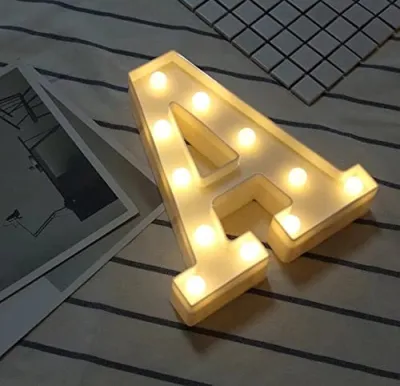
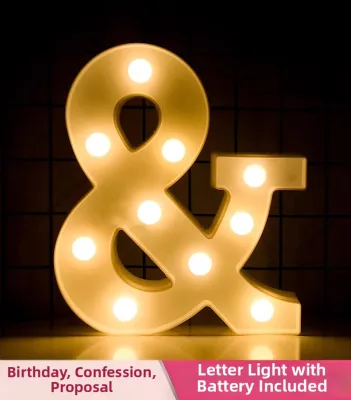
Marquee-style metal letters bring a classic, vintage cinematic charm into your home. These dimensional letters feature deep metal channels with individual LED bulbs placed along the center of each letter, reminiscent of historic theater signs.
- Best for: Bookshelves, deep media consoles, bar areas, and industrial-themed loft interiors.
- Why: They provide a highly tactile, sculptural element with a rich, nostalgic glow. Because they have wide, flat bases, many marquee letters can stand independently on flat surfaces without any wall mounting.
- Limitation: They are bulky, deep, and heavy, making them unsuitable for small or fragile wall shelves. The direct exposure of the bulbs can also cast sharp, dramatic shadows on surrounding walls if the light is not properly diffused or dimmed.
- Check: Confirm whether the individual LED bulbs are easily replaceable if they burn out and check if the unit features an integrated dimmer or is compatible with external dimming switches to control the direct glare.
Frequently Asked Questions (FAQ)
Are custom LED letters safe to leave on overnight?
Yes, high-quality custom LED letters are exceptionally safe to leave on overnight, provided they are manufactured using reputable components. Unlike traditional neon signs that rely on high-voltage glass tubes and generate significant heat, modern LEDs operate on low-voltage direct current (typically 12V or 24V) and emit minimal thermal energy. This low heat output dramatically reduces the risk of accidental burns or fire hazards, even when the sign is placed close to curtains or wooden furniture.
To ensure absolute safety, always verify that the external power adapter is certified by recognized electrical safety bodies and matches the standard 220V voltage of the Philippines. Confirm the wattage limit of your sign and ensure the power adapter can handle the load with a safe margin (typically 20% headroom). Avoid using unbranded, generic power bricks that feel excessively hot to the touch during operation. For added peace of mind and energy efficiency, consider plugging your LED sign into a smart plug or a mechanical timer. This allows you to schedule the sign to turn off automatically during sleeping hours, conserving energy and extending the overall lifespan of the LEDs.
What IP rating do I need for bathroom LED letters?
If you plan to install custom LED letters in a condo bathroom or any area prone to high humidity, you must pay close attention to the Ingress Protection (IP) rating. The IP rating consists of two numbers: the first indicates protection against solid particles like dust, and the second indicates protection against liquids. Standard indoor LED signs are typically rated IP20, which offers no protection against moisture and can quickly fail or short-circuit in a damp bathroom environment.
For installations near bathroom sinks, bathtubs, or showers where the sign may be exposed to steam, condensation, or direct water splashes, you should request a minimum rating of IP65 from your manufacturer. An IP65 rating ensures the LED strips and internal connections are completely sealed against dust and can withstand low-pressure water jets from any direction. Always verify the manufacturer’s IP rating on the product specification sheet or label. For any bathroom or damp area installation, ensure that the power supply is kept completely outside the humid zone, and consult a qualified professional to guarantee compliance with local electrical safety codes and proper power-isolation protocols.

Community discussion
Share your experience or ask a question. Comments are reviewed before publication.