
Living in a high-rise condominium in major Philippine urban centers often means adapting to compact layouts and restricted vertical space. Standard residential condo units in the country typically feature ceiling heights ranging from 2.4 to 2.7 meters, which can quickly feel cramped if paired with bulky, hanging light fixtures. Selecting the right living room lights is not just a matter of aesthetic preference; it is a functional necessity to preserve headroom, maximize the perception of vertical space, and ensure comfortable daily living. By focusing on ultra-slim flush mount fixtures, proper light distribution, and space-saving designs, you can transform a low-ceiling condo living room into a bright, open, and inviting environment.
To achieve this balance, homeowners must evaluate fixtures based on their physical profile, light output, and visual weight. The ideal ceiling light should provide ample illumination without drawing unnecessary attention to the physical limits of the ceiling. Understanding these core visual and functional standards is the first step toward making an informed purchase that enhances both the utility and style of your home.
Key Criteria for Low-Ceiling Living Room Lights
A fixture’s profile—the distance it extends downward from the ceiling—is the most critical physical dimension to evaluate when shopping for low-ceiling spaces. For a ceiling height of 2.4 meters, any light fixture that protrudes more than 10 centimeters into the room can create a visual obstacle, making the space feel smaller and potentially interfering with tall occupants or high furniture. Opting for ultra-slim profiles, ideally between 2 and 5 centimeters, keeps the fixture close to the ceiling plane. This maintains an unobstructed line of sight across the living room, allowing the eye to move freely without encountering vertical barriers.
Products mentioned in this guide
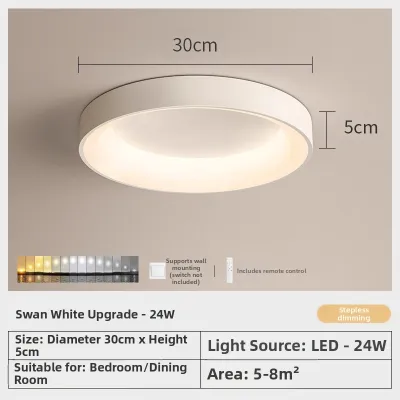
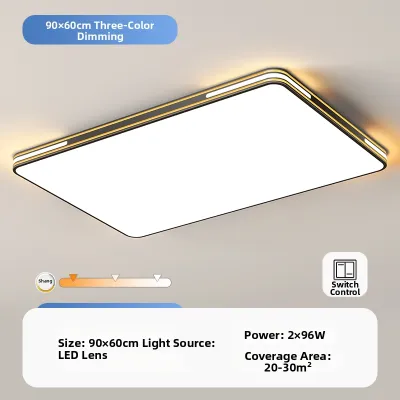
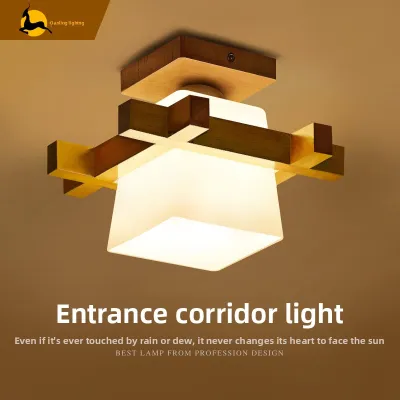
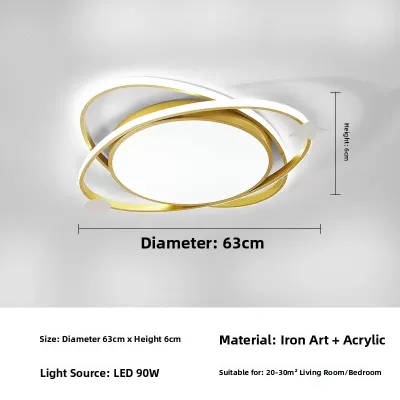
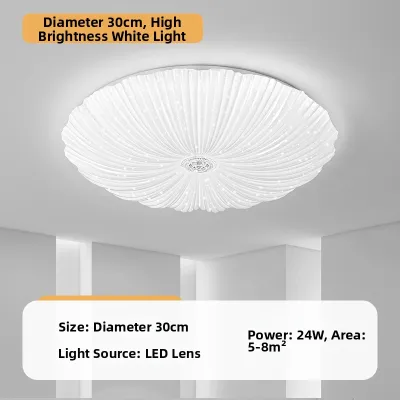
Prices are valid at publication and may change. Please refer to the product page for the latest price.
Light distribution and color temperature also play a significant role in how spacious a room feels. In compact living rooms, light must be distributed evenly to prevent harsh, localized shadows that make corners look dark and recessed. Wide-beam angles, typically 120 degrees or more, help disperse light across a broader surface area, softening transitions between light and shadow. While color temperature is a matter of personal preference, a neutral cool white (around 4000K) or a warm white (2700K to 3000K) is generally preferred for living spaces. These temperatures provide a cozy, inviting ambiance without the clinical feel of high-intensity blue-spectrum daylight, which can sometimes feel overwhelming in confined quarters.
The visual weight of a fixture refers to how heavy, dense, or dominant it appears within the room’s overall scale. Heavy metal frames, dark bronze finishes, and intricate glass ornaments draw the eye upward but hold its attention in a way that emphasizes the ceiling’s low height. Conversely, lightweight materials like polycarbonate, acrylic, and slim aluminum frames in matte white or light metallic finishes blend seamlessly into typical white condo ceilings. This allows the fixture to disappear visually when turned off, maintaining a clean and uncluttered aesthetic.
Finally, the tropical climate of the Philippines introduces environmental factors that affect fixture longevity. High humidity levels can accelerate the degradation of low-quality metal components and trap moisture inside poorly sealed fixtures. Selecting flush mounts with high-quality synthetic housings or rust-resistant aluminum alloys ensures the product remains durable and safe over years of exposure to humid conditions.
Electrical and Installation Checks for Condos
Before purchasing any ceiling fixture, verify that its electrical specifications match the standard Philippine residential power supply of 220 volts at 60 hertz. Many imported fixtures sold on online marketplaces are designed for different electrical standards, which can lead to premature driver failure, flickering, or safety hazards if installed without verification. Additionally, check the wattage limits of your existing junction box to ensure the new fixture does not overload the circuit or exceed the capacity of your unit’s electrical panel.

Condominium living comes with unique structural and administrative rules that govern home improvements. Most property management offices require homeowners to submit a formal work permit and secure gate passes for delivery personnel before undertaking any electrical or structural modifications. Drilling into solid concrete ceilings is often strictly regulated or entirely prohibited due to the risk of damaging embedded post-tensioned cables, structural beams, or electrical conduits. Furthermore, schedule your installation within the approved construction hours of your building, which typically exclude weekends and holidays to minimize noise disturbance for your neighbors.
Installing a new ceiling fixture involves working with fixed electrical wiring, which presents inherent risks of shock or fire if handled incorrectly. Always isolate the power at the main circuit breaker before touching any wires or removing an old fixture. If your installation requires working at heights, navigating complex wiring configurations, or modifying concrete ceilings, do not attempt a DIY installation. Consult a qualified, licensed electrician to ensure the work complies with the Philippine Electrical Code and your building’s safety standards.
Design Strategies to Maximize Space and Height
Edge-lit LED panels are highly effective for low-ceiling environments because they emit light horizontally through a light guide plate before directing it downward. This design minimizes direct glare and creates a soft, diffused glow that bounces off the ceiling surface, making the ceiling appear visually elevated. By reducing the contrast between the light source and the surrounding ceiling, edge-lit fixtures help eliminate the harsh “spotlight” effect that can make a room feel small and restrictive.
Choosing minimalist silhouettes with clean lines is another effective way to maintain an open feel. Simple geometric shapes, such as circular or soft-square flush mounts, work best in modern condo interiors because they do not compete with your furniture or decor. These low-profile designs integrate quietly into the ceiling plane, allowing other design elements in your living room, such as artwork or indoor plants, to take center stage.
To avoid relying on a single, ultra-bright central flush mount, implement a layered lighting scheme. Combining your main living room lights with secondary sources like slim floor lamps, adjustable table lamps, or low-profile wall sconces distributes light across different levels of the room. This layered approach draws the eye horizontally and vertically, adding depth and making the overall space feel larger and more dynamic than a room lit by a single overhead source.
Building Your Conditional Shortlist
To determine the appropriate brightness for your living room, calculate the required lumen output based on the room’s square footage. A standard living room typically requires approximately 20 to 30 lumens per square foot. You can estimate your needs using the formula: Required Lumens = Area (in square feet) × Desired Foot-candles. For example, a 150-square-foot living space would benefit from a fixture or combination of fixtures delivering roughly 3,000 to 4,500 lumens. Ensuring your chosen fixture meets these requirements prevents the room from being under-illuminated or uncomfortably bright.
When browsing options on ecommerce platforms or in local home improvement centers, establish a realistic budget in Philippine Pesos (₱) that prioritizes safety over the lowest price. Look for products that carry verified safety certifications, such as the Philippine Standard (PS) quality mark or the Import Commodity Clearance (ICC) sticker. These labels indicate that the product has undergone rigorous testing for electrical safety, thermal management, and fire resistance, providing peace of mind in high-density condo buildings.
Homeowners must also choose between integrated LED fixtures and traditional fixtures with replaceable bulbs, such as E27 sockets. Integrated LED units offer the slimmest profiles, often measuring less than 3 centimeters in thickness, making them ideal for ultra-low ceilings. However, they require replacing the entire fixture once the LED driver or diodes reach the end of their lifespan. Replaceable bulb fixtures are thicker and visually heavier, but they offer easier long-term maintenance since you can replace individual bulbs without removing the entire housing from the ceiling.
Frequently Asked Questions (FAQ)
Can I install a flush mount light if my condo has a solid concrete ceiling?
Yes, but the installation process differs from homes with hollow drywall or gypsum ceilings. Solid concrete ceilings do not have a recessed cavity to hide bulky wiring or deep junction boxes. You must use a surface-mounted junction box or route the wiring through exposed conduits, such as painted metal pipes or PVC moldings, which can be styled to match an industrial or modern aesthetic. Always consult a professional structural engineer or your condo’s property management office before drilling mounting holes into concrete slabs to avoid damaging structural elements.
Are integrated LED flush mounts better than replaceable bulb fixtures for low ceilings?
Integrated LED flush mounts are generally better suited for low ceilings because their compact, solid-state design allows for an incredibly thin profile that cannot be achieved with traditional bulb sockets. They also offer superior energy efficiency and heat dissipation, which is highly beneficial in the warm, humid climate of the Philippines. However, if you prefer the convenience of easily changing light bulbs or adjusting color temperatures by swapping out individual bulbs, a low-profile socket fixture remains a viable, though slightly thicker, alternative.

Community discussion
Share your experience or ask a question. Comments are reviewed before publication.