
Identifying truly heavy-duty and waterproof solar lights for garden landscaping in the Philippines requires verifying manufacturer specifications rather than relying on marketing claims. The combination of intense tropical heat, high humidity, and torrential monsoon rains demands fixtures built with robust ingress protection, corrosion-resistant housings, and heat-tolerant batteries. By systematically evaluating these engineering details, you can select outdoor lighting that remains functional and safe season after season.
Key Criteria for Heavy-Duty and Waterproof Performance
When evaluating solar lights for heavy-duty outdoor use, the Ingress Protection (IP) rating is your primary indicator of water and dust resistance. Do not rely on vague product titles that simply label an item as “waterproof” or “weatherproof.” Instead, locate the official specification sheet or product label to verify the exact IP rating. An IP65 rating indicates the fixture can withstand low-pressure water jets from any angle, making it suitable for standard garden exposure. For ground-level installations or areas prone to temporary pooling during heavy downpours, look for IP67 or IP68 ratings, which certify protection against temporary or continuous immersion in water.
The choice of housing material directly impacts how well a fixture survives the harsh tropical climate. Cast aluminum is highly regarded for its excellent heat dissipation and structural strength, though it must feature a high-quality powder coating to prevent oxidation in humid coastal or inland environments. Stainless steel, particularly grade 304 or 316, offers exceptional corrosion resistance but adds significant weight to the fixture. For a lighter and rust-proof alternative, heavy-duty acrylonitrile butadiene styrene (ABS) or polycarbonate with UV-stabilizer additives can perform well, provided the plastic is thick and engineered specifically to resist degradation under intense tropical sunlight.
Products mentioned in this guide
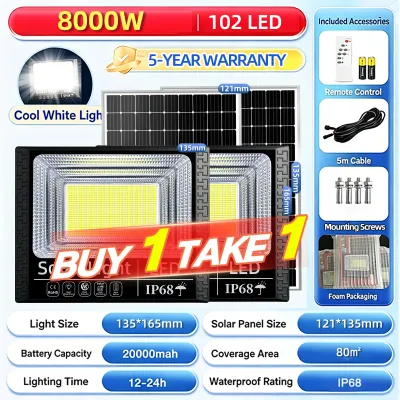
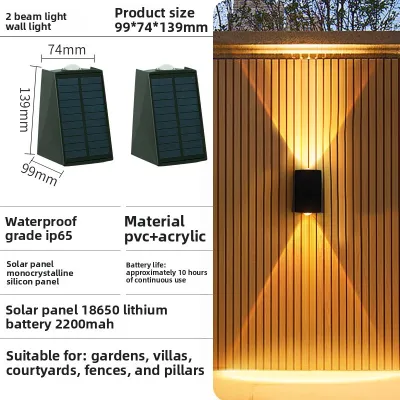
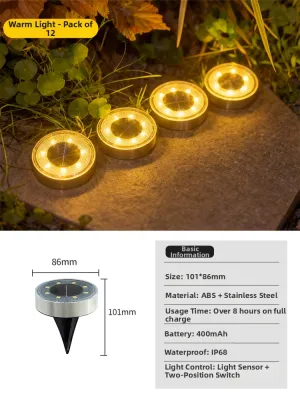
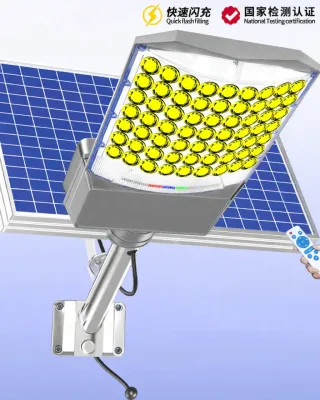
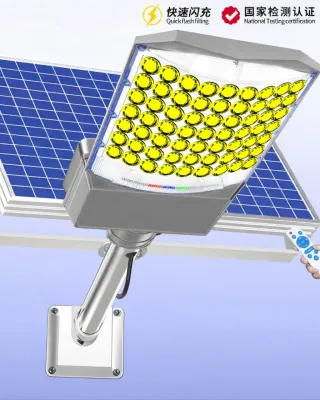
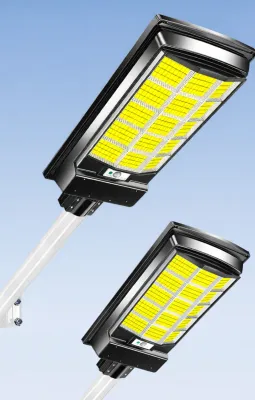
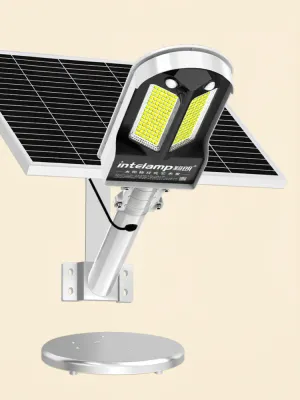
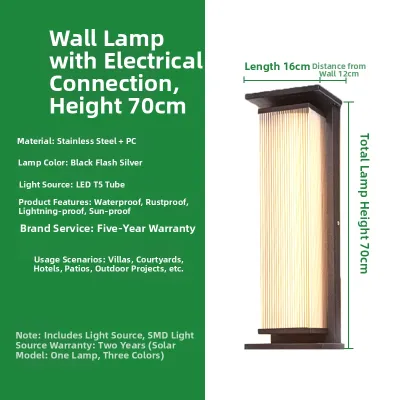
Prices are valid at publication and may change. Please refer to the product page for the latest price.
Beyond raw materials, examine the structural design features that prevent moisture ingress over time. High-quality heavy-duty lights utilize thick silicone O-rings or gaskets at every joint, sealed wire entry points, and tempered glass covers rather than cheap plastic lenses that yellow and cloud. The rapid temperature shifts common in tropical climates—where a hot afternoon sun is suddenly followed by a cool downpour—can create a vacuum effect inside the fixture. Without robust seals and precision-engineered seams, this pressure differential will draw moisture into the housing, leading to premature circuit failure.
Matching Light Types to Garden Landscape Zones
Designing an effective garden lighting layout requires a zone-based approach, matching different fixture types to specific landscape areas. Because heavy-duty fixtures carry more weight than standard decorative lights, you must ensure that the mounting surface and installation method can support the physical load of the light under all weather conditions.

Pathway and Border Lighting
Pathway and border lights are positioned close to the ground, making them highly vulnerable to moisture from wet grass, soil, and splashing rain. When selecting heavy-duty pathway lights, pay close attention to the thickness and material of the mounting stake. Flimsy plastic stakes will bend, crack, or loosen in soft, saturated tropical soil during the rainy season. Opt for reinforced metal or high-impact ABS stakes with a substantial ground insertion depth to ensure the fixture remains upright and stable.
Additionally, review the light distribution patterns on the product’s specification sheet. Pathway lighting should direct illumination downward and outward to safely light walkways without casting glare into the eyes of residents or guests. Verify the physical dimensions of the fixture to ensure it fits the scale of your garden borders without obstructing foot traffic or maintenance equipment like lawnmowers.
Courtyard and Accent Lighting
Courtyard and accent lights, such as wall-mounted sconces, pillar lights, and spotlights, are designed to highlight architectural features, trees, or stone walls. Because these fixtures are often mounted overhead or on vertical surfaces, verifying the mounting hardware and weight-bearing capacity of the installation surface is critical. Ensure that the brackets, screws, and anchors provided are rated for the weight of the fixture and are made of corrosion-resistant materials like stainless steel.
When planning your accent lighting, treat decorative style, perceived color temperature, and spatial effects as conditional preferences rather than universal performance facts. A warm white light (around 3000K) may create a cozy, inviting ambiance for seating areas, while a cool white light (around 5000K) might offer better visibility and security along perimeter walls. Look for fixtures with adjustable brackets and beam angles, allowing you to customize the direction of the light to suit your specific landscaping layout.
Evaluating Solar Panel and Battery Specifications
The performance of any solar light depends heavily on the efficiency of its solar panel and the capacity of its internal battery. In the Philippines, where rainy seasons bring prolonged overcast days, maximizing energy capture is essential. Monocrystalline solar panels are the preferred choice for heavy-duty applications because they offer higher conversion efficiency than polycrystalline panels, meaning they can generate more electricity from a smaller surface area even under partial cloud cover. Check the panel’s wattage and efficiency rating on the specification sheet to ensure it matches the power demands of the light source.
Battery chemistry is another critical factor that determines the longevity and safety of outdoor solar lights. Standard Lithium-ion (Li-ion) batteries are sensitive to extreme heat, which can accelerate degradation and shorten their lifespan when exposed to direct tropical sunlight daily. Lithium Iron Phosphate (LiFePO4) batteries are highly recommended for heavy-duty solar lights due to their superior thermal stability, safety profile, and extended lifecycle. A LiFePO4 battery can often withstand thousands of charge-discharge cycles and operate safely at higher temperatures, making it far more durable in tropical climates.
Always verify manufacturer claims regarding charging times and runtime. A reliable heavy-duty solar light should specify the number of hours of direct sunlight required to achieve a full charge (typically 6 to 8 hours) and the corresponding operating hours (ideally 10 to 12 hours). Be cautious of unrealistic claims promising multiple nights of continuous operation on a single charge unless the product specification sheet details a high-capacity battery and an intelligent power-saving mode that dims the light during periods of low solar generation.
Installation, Safety, and Maintenance Boundaries
Understanding the boundaries between simple DIY tasks and installations that require professional assistance is vital for safety and long-term reliability. Stake-mounted pathway lights are generally safe for DIY installation, requiring no specialized tools or electrical knowledge. However, mounting heavy floodlights, wall sconces, or pillar lights often involves structural drilling into concrete, brick, or stone. For these heavier fixtures, always follow the manufacturer’s installation instructions carefully to prevent the light from falling and causing injury or property damage.
Safety boundaries must be strictly observed when installing solar lights in consistently damp areas, near water features, or at significant heights. If your installation involves integrating solar fixtures with existing low-voltage or mains-voltage outdoor wiring systems, always isolate the power source before beginning any work. For complex installations, fixed wiring, or work at height, hiring a qualified professional is highly recommended to ensure compliance with local building and electrical codes.
Routine maintenance is necessary to keep your heavy-duty solar lights operating at peak efficiency. Dust, pollen, and mold can accumulate quickly on solar panels in tropical environments, blocking sunlight and reducing charging capacity. Clean the panels regularly using a soft microfiber cloth and clean water, avoiding abrasive cleaners or harsh chemicals that could scratch the tempered glass. Establish clear stop-conditions for maintenance: if a fixture shows signs of water ingress behind the lens, a cracked housing, or a swollen battery compartment, discontinue use immediately and consult the manufacturer or a professional rather than attempting unsafe repairs.
Building Your Conditional Shortlist
When building a shortlist of heavy-duty waterproof solar lights, establish a realistic budget based on material and component quality. High-quality fixtures featuring cast-aluminum housings, LiFePO4 batteries, and IP67 ratings typically range from ₱1,500 to ₱5,000 or more per unit. Extremely low-priced options under ₱500 often compromise on waterproofing, battery safety, and structural durability, leading to frequent replacements that cost more in the long run.
Before purchasing from online marketplaces or local retailers, verify the seller’s credentials and authorization. Look for official brand stores or authorized distributors that offer clear local warranty terms—ideally one to two years—and straightforward return policies for defective units. Check the product specifications to verify the voltage, base or interface type, wattage limits, physical dimensions, and dimming methods to ensure compatibility with your installation environment.
Watch out for common red flags when browsing product listings. Unrealistic lumen claims (such as tens of thousands of lumens for a compact garden light), vague material descriptions, and the absence of official IP certifications or electrical safety markings are strong indicators of low-quality products. Stick to brands and sellers that provide transparent, verifiable technical specifications and clear installation instructions.
Frequently Asked Questions (FAQ)
Do heavy-duty solar lights require professional electrical wiring?
No, independent heavy-duty solar lights do not require professional electrical wiring or trenching because they operate entirely on solar energy captured by their integrated or remote panels. This makes them an excellent option for DIY garden landscaping, as you do not need to run high-voltage cables through your lawn or flower beds. However, if you are mounting heavy fixtures at height, drilling into structural concrete, or integrating solar components with an existing hybrid electrical system, a professional assessment is recommended to ensure structural safety and proper installation.
How do I maintain the solar panels during the rainy season?
During the rainy season in the Philippines, maintaining solar panels involves keeping them free from debris and monitoring their charging performance. Heavy rains can splash mud and wet leaves onto the panels, which blocks sunlight and reduces charging efficiency during overcast days. Gently wipe the panels with a soft, damp microfiber cloth to remove dirt buildup. If extreme weather events like typhoons are forecasted, define a clear stop-condition: temporarily uninstall and store portable or stake-mounted solar lights indoors to protect them from flying debris and severe wind damage.

Community discussion
Share your experience or ask a question. Comments are reviewed before publication.