
To choose matching indoor wall mounted lights for your hallway and bedside that create a cohesive look, you do not need to buy identical fixtures. Instead, establish a unified design language by linking them through a shared visual anchor—such as a matching metal finish, a consistent geometric silhouette, or complementary shade materials—while tailoring the physical size and functionality of each fixture to its specific location. This approach allows the hallway lights to focus on low-profile safety and ambient illumination, while the bedside lights prioritize adjustable task lighting and easy-to-reach controls, maintaining a harmonious flow throughout your home.
Achieving this balance requires looking at your home as a continuous visual journey rather than a series of isolated rooms. When transitioning from a transitional space like a corridor to a private sanctuary like the bedroom, subtle design repetitions help the eye glide naturally between zones. In tropical climates like the Philippines, where open-plan layouts and high humidity are common, selecting durable, easy-to-clean materials for these fixtures ensures they remain both beautiful and functional over time.
Define Unifying Design Elements for a Cohesive Look
Creating a cohesive lighting scheme starts with identifying one or two design threads that run through all your fixtures. You can choose a shared silhouette, such as clean cylindrical shapes or soft spherical globes, to tie different spaces together. Alternatively, focusing on a specific design era, such as mid-century modern, industrial, or minimalist contemporary, allows you to select different fixture shapes that still feel like they belong to the same family.
Products mentioned in this guide
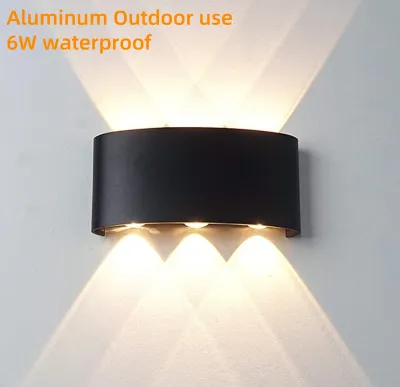
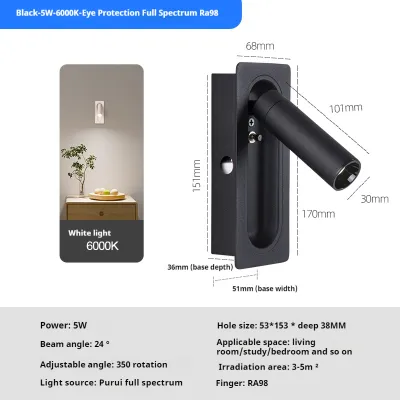
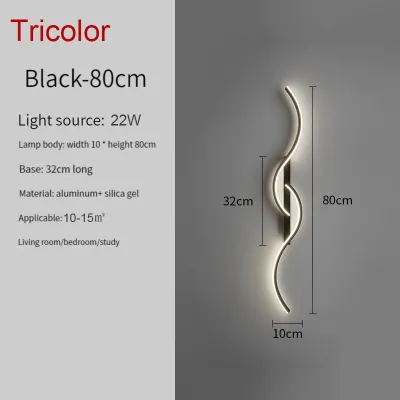
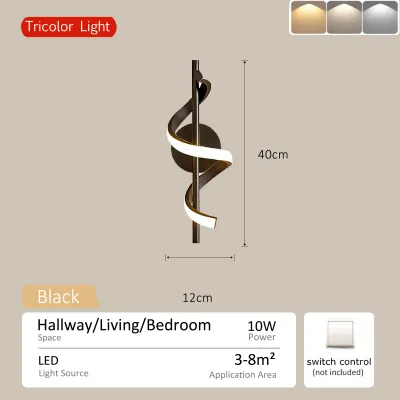
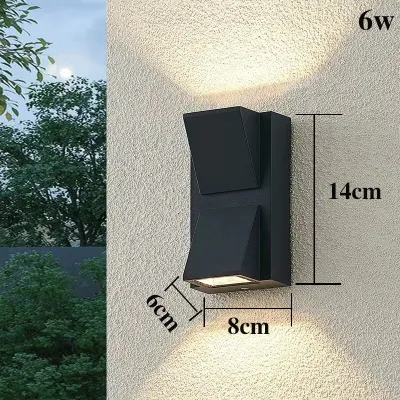
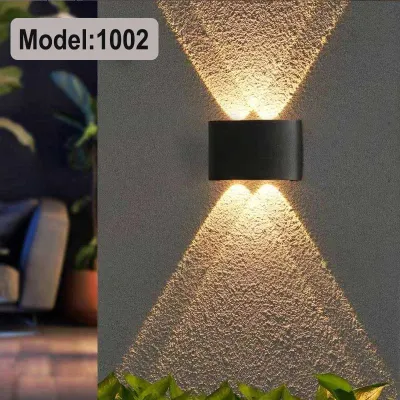
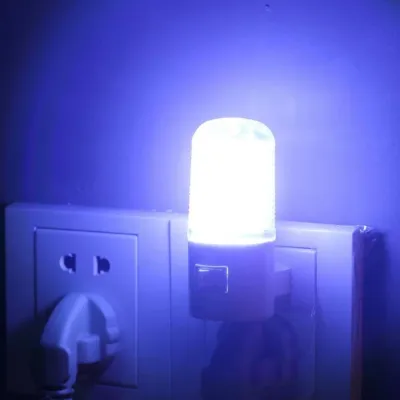
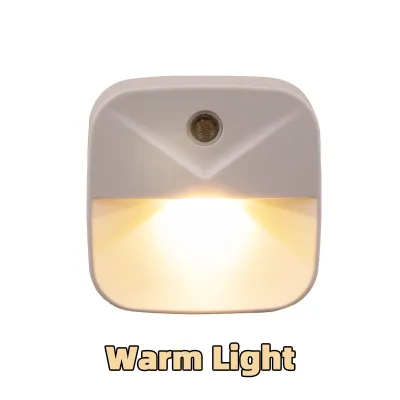
Prices are valid at publication and may change. Please refer to the product page for the latest price.
Another highly effective way to unify your lighting is through hardware finishes. You can match the exact metal finish, such as brushed brass or matte black, across both the hallway and the bedroom. If you prefer a more dynamic look, a coordinated mixed-metal approach can be used by pairing a dominant finish with a secondary accent. When planning this, look at existing hardware in your home, such as door handles, window frames, and cabinet pulls, to ensure the metals complement rather than compete with each other.
Finally, evaluate how your chosen lighting style aligns with the overarching interior theme of your home. If your home features a modern tropical aesthetic with warm wood accents and indoor plants, choosing sconces with natural woven elements or warm brass accents will enhance that look. Ensuring your fixtures match the broader architectural style of your living space guarantees long-term versatility, even if you decide to change your furniture or wall colors in the future.
Adapt Scale and Function for Each Space
While visual cohesion is essential, a fixture that works perfectly in a wide bedroom can be completely impractical in a narrow corridor. Each zone serves a distinct physical purpose and has unique spatial limitations that must dictate the size and light output of the fixtures. Balancing these practical needs with your aesthetic goals ensures your lighting is both beautiful and highly usable.

Hallway Sconces: Clearance and Wayfinding
Corridors and hallways are high-traffic transit areas where safety and clear passage are the primary concerns. When selecting indoor wall mounted lights for these spaces, always check the physical depth and protrusion of the fixture. In narrow hallways, bulky fixtures can become physical hazards that people might bump into while carrying laundry or moving furniture. Opt for low-profile designs, often referred to as flush-mount or slim-profile sconces, which keep the pathway clear and safe.
Spacing and placement are equally critical to eliminate dark spots and shadow zones along the length of your corridor. Plan to space your sconces evenly, taking into account the length of your hallway and the light spread of your chosen bulbs. Placing fixtures too far apart creates a disjointed, cavernous feel, while placing them too close together can make the space feel cluttered and overly bright.
To ensure a comfortable walking experience, select designs that feature diffused, shaded, or upward-firing light. Exposed bulbs at eye level can cause harsh glare and temporary visual discomfort in confined spaces. Uplights or fixtures with frosted glass shades soften the illumination, casting a gentle glow upward and downward to guide your steps safely without straining your eyes.
Bedside Sconces: Task Lighting and Reach
In the bedroom, wall-mounted lights transition from general wayfinding to intimate task and accent lighting. If you enjoy reading, journaling, or working in bed, verify the need for adjustable arms, swiveling heads, or directional shades. These features allow you to direct the light precisely onto your page or device, preventing eye strain and allowing you to adjust the beam so it does not disturb a sleeping partner.
Switch accessibility is another crucial factor that directly impacts your nightly comfort. Ensure the controls for your bedside sconces are easily reachable from a lying position without requiring you to stretch or get out of bed. You can look for fixtures with built-in switches on the backplate, inline cord switches, or plan to connect them to a convenient bedside wall switch or smart home system.
To support your body’s natural sleep preparation, consider dimmable features or compatibility with lower-wattage bulbs. High-intensity light in the evening can disrupt your sleep cycle, so choosing fixtures that allow you to lower the brightness is ideal. Verify the socket type and ensure the fixture is compatible with warm, low-wattage LED bulbs that emit a soft, relaxing glow.
Verify Electrical and Installation Requirements
Before finalizing your purchase of indoor wall mounted lights, it is essential to verify the physical and electrical conditions of your walls. Check the locations of existing junction boxes and wall studs to determine where the fixtures can be securely mounted. If you are replacing existing lights, ensure the new backplates are large enough to cover the existing wall openings and paint lines.
Electrical compatibility is a critical safety consideration. In the Philippines, the standard household electrical system operates at 220V and 60Hz. Always verify that your chosen fixtures are rated for this voltage and carry recognized electrical safety certifications, such as the Philippine Standard (PS) mark or the Import Commodity Clearance (ICC) sticker. Using fixtures that do not match these specifications can lead to electrical hazards or premature bulb failure.
You must also decide between hardwired installations and plug-in models based on your current living situation. Hardwired fixtures offer a clean, seamless look with all wiring hidden behind the drywall, making them ideal for permanent homes. However, if you are renting or want to avoid cutting into your walls, plug-in sconces are an excellent alternative. They mount easily to the wall and plug into a nearby standard outlet, and you can use matching cord covers to keep the installation looking neat and organized.
For any installation involving fixed wiring, working at heights, or modifying your home’s electrical system, safety must be your top priority. Always isolate the power at the main circuit breaker before starting any work, and carefully follow the manufacturer’s installation instructions. If you need to run new wiring, relocate switches, or install new junction boxes, always consult a licensed electrician to ensure the work complies with local electrical codes.
Common Pairing Mistakes to Avoid
One of the most common mistakes when pairing wall sconces is selecting fixtures with mismatched scales. A sconce that is physically too large can overwhelm a small bedside table or headboard, making the bedroom feel cramped. Conversely, choosing fixtures that are too small for a long, high-ceilinged hallway will make them look lost and fail to provide adequate illumination, leaving the space feeling cold and unfinished.
Another pitfall is creating a clash of styles by mixing completely unrelated design languages. While your hallway and bedside lights do not need to match exactly, pairing an ornate, crystal-draped traditional sconce in the bedroom with an ultra-minimalist, industrial concrete fixture in the adjacent hallway can feel jarring. Aim for a gentle transition where at least one design element, such as a shared metal finish or a similar geometric curve, bridges the two styles.
Finally, do not ignore the color temperature of the bulbs you install. Using a cool daylight bulb in your hallway sconces and a warm yellow bulb in your bedside lights will drastically alter how the finishes look, breaking the visual cohesion you worked hard to achieve. For a harmonious flow, use consistent warm-to-neutral white bulbs (ranging from 2700K to 3000K) across both areas to create a welcoming, unified atmosphere throughout your home.
Frequently Asked Questions (FAQ)
Do the hallway and bedside sconces need to be the exact same model?
No, they do not need to be the exact same model. Using identical fixtures in every room can make a home feel rigid or commercial. Instead, look for coordinating collections from the same manufacturer, or select different models that share a common design element, such as a matching brass finish or similar glass shades, to maintain a cohesive yet customized look.
Can I mix different metal finishes in the same home?
Yes, you can successfully mix different metal finishes as long as you follow a clear design strategy. A good rule of thumb is to choose one dominant finish, such as matte black, for about seventy percent of your hardware and fixtures, and use a secondary finish, like brushed brass, as an accent. Ensure the undertones of the metals complement each other to prevent a cluttered or chaotic appearance.

Community discussion
Share your experience or ask a question. Comments are reviewed before publication.