
Choosing the right outdoor curtain Christmas lights for your home in the Philippines means finding a balance between brilliant holiday aesthetics and robust weather protection. Because the local holiday season often transitions from late-monsoon rains to humid tropical evenings, standard indoor lights will not suffice. To create a safe and stunning display, you must evaluate specific ingress protection ratings, verify electrical compatibility with local power standards, and plan your physical layout to prevent overloading your home’s circuits. By focusing on durable materials and proper installation techniques, you can ensure your home shines brightly throughout the festive season without risking electrical hazards or premature product failure.
Checking Weather Resistance and Durability Labels
When shopping for outdoor curtain lights, your first line of defense against the elements is verifying the product’s Ingress Protection (IP) rating. This rating, typically printed on the packaging or manufacturer specification sheet, consists of two numbers that indicate protection against solids and liquids. For outdoor holiday displays exposed to rain, look for a minimum rating of IP44, which protects against splashing water from all directions. If you plan to hang the lights in highly exposed areas like roof eaves or open garden structures where heavy downpours are common, upgrading to an IP65 rating provides superior protection against water jets and dust ingress.
Beyond the IP rating, examine the physical construction of the light strings, paying close attention to the wire insulation. Cheap, thin plastic casings degrade quickly under the intense tropical sun and high humidity levels characteristic of the Philippines. Opt for heavy-duty, thick rubberized cables or double-insulated PVC wires that resist UV damage and cracking. These robust materials prevent moisture from seeping into the copper wiring, which can cause short circuits or corrosion over weeks of continuous outdoor exposure.
Products mentioned in this guide
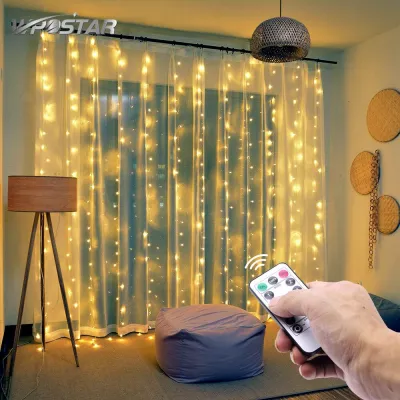
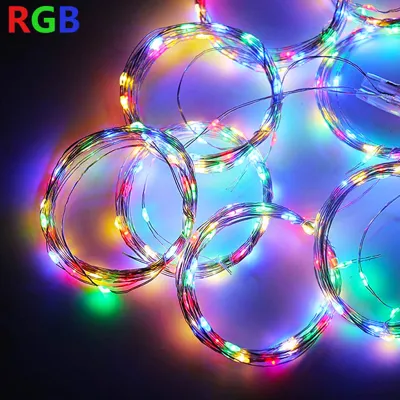
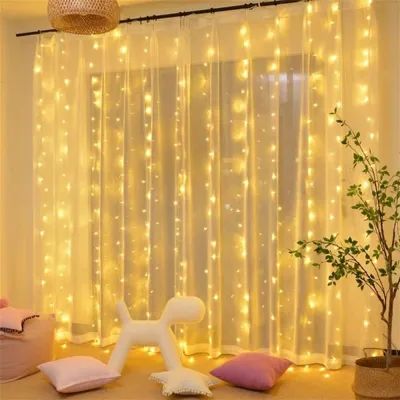
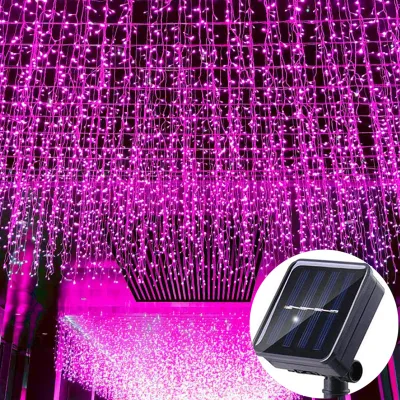
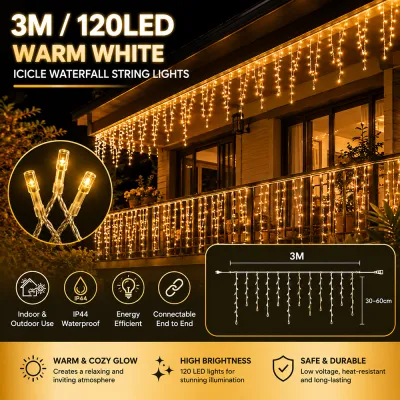
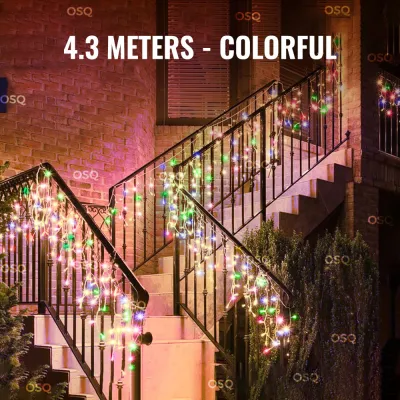
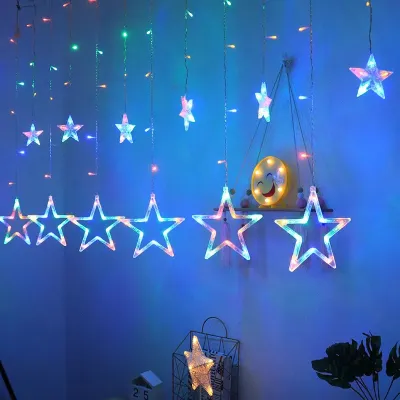
Prices are valid at publication and may change. Please refer to the product page for the latest price.
It is also essential to understand the practical limits of “waterproof” or “weather-resistant” marketing claims. While high-quality outdoor lights can withstand typical seasonal rain showers, they are not designed to survive extreme weather events. During severe tropical storms or typhoons, the combination of high winds and torrential rain can easily breach seals or tear mounting points. Always plan to temporarily take down your curtain lights when severe weather warnings are active to protect your investment and prevent electrical hazards around your property.
Verifying Electrical Compatibility and Safety
Electrical safety is paramount when installing temporary outdoor lighting, starting with voltage verification. The standard household electrical supply in the Philippines is 220V at 60Hz. Ensure any curtain lights you purchase are rated for this specific voltage to avoid immediate burnout or fire hazards. While direct 220V mains-powered lights are common, choosing low-voltage options that utilize a step-down transformer or adapter (reducing the voltage to 24V or 31V) offers an extra layer of safety, especially in wet outdoor environments where physical contact might occur.

Pay close attention to the plug type, dimming capabilities, and connection points of your chosen light sets. Most homes in the Philippines use Type A or Type B flat-prong outlets, so verify that the light’s adapter matches your receptacles without requiring loose, unsafe adapters. If you plan to use a dimmer to adjust the brightness of your display, verify that the light set and its controller are explicitly rated as dimmable, as non-dimmable LEDs can flicker or suffer driver damage. When running power to your yard or balcony, always use outdoor-rated, heavy-duty extension cords that feature built-in ground fault circuit interrupter (GFCI) protection or plug them into a GFCI-protected outdoor outlet. Keep all plug connections housed inside weatherproof connection boxes or wrap them securely with electrical tape, ensuring they are elevated off the ground to prevent contact with pooling water.
Selecting light-emitting diode (LED) curtain lights over traditional incandescent options is highly recommended for outdoor holiday displays. LEDs consume significantly less electricity, which is a crucial consideration given local utility rates, and they generate virtually no heat during operation. This low heat output reduces the risk of thermal damage to nearby plastic gutters, wooden eaves, or synthetic fabrics. Additionally, LEDs are highly durable and less prone to breaking when swaying in the wind, ensuring your display remains fully illuminated throughout the long holiday season. Always look for valid electrical safety certification marks on the product packaging to verify that the lights have undergone rigorous safety testing before use.
Measuring Your Space and Planning the Layout
Before purchasing your curtain lights, take precise measurements of the architectural features you intend to decorate. Use a reliable measuring tape to determine the exact width and vertical drop length of your windows, balcony railings, or roof eaves. Curtain lights come in various standardized dimensions, such as three meters wide by three meters deep, so knowing your space prevents you from buying sets that drag on the wet ground or fail to cover the intended area. Ensure you leave a small amount of slack in the horizontal cable to prevent tension on the wires when hanging.
Consider the visual density and style of the curtain lights to match your home’s aesthetic. Straight-drop curtain lights provide a clean, uniform wall of light that works exceptionally well against flat walls or large glass windows. Alternatively, cascading or “waterfall” styles feature built-in controllers that mimic falling snow or flowing water, creating a dynamic visual effect. Whichever style you choose, ensure the spacing between the vertical strands is dense enough to create the desired impact without becoming tangled in nearby foliage or architectural details.
Finally, calculate the total wattage of your planned display to avoid overloading your home’s electrical circuits. Check the manufacturer’s label on each light set for its power consumption, usually listed in watts (W) or amperes (A). If you plan to connect multiple sets together, ensure the combined wattage does not exceed the maximum rating of your extension cords, timers, or the household circuit breaker. Overloading a single outdoor outlet can cause frequent trips or overheat the wiring inside your walls, posing a serious safety risk.
Installing and Mounting the Lights Safely
Hanging outdoor curtain lights securely requires using the right mounting hardware to prevent damage to both the lights and your home’s exterior. Avoid using metal staples, nails, or tacks, which can easily pierce the wire insulation and create a shock hazard. Instead, opt for plastic gutter hooks, non-damaging adhesive clips designed specifically for outdoor use, or reusable zip ties if you are securing the lights to balcony railings. These fasteners hold the main horizontal cable firmly in place while allowing the vertical strands to hang freely without stress.
When routing your cables, safety should dictate every placement decision. Ensure that power cords do not cross walkways, driveways, or garden paths where they could present a tripping hazard or suffer physical damage from foot traffic. Always isolate the power source before handling any wiring or working at heights to prevent accidental shocks or falls. Elevate connection points, splitters, and controllers off the ground by securing them to walls or posts, keeping them far away from areas where rainwater might pool. Implementing a “drip loop”—a simple downward curve in the cord right before it enters an outlet or connection box—prevents rainwater from running along the cable directly into the electrical socket.
While many homeowners can safely install plug-and-play curtain lights using existing outdoor outlets, complex setups require professional intervention. If your holiday display requires installing new outdoor receptacles, running permanent conduit, or tapping directly into your home’s main electrical panel, stop and consult a qualified, licensed electrician. Attempting DIY modifications to your home’s fixed electrical wiring, especially for damp outdoor environments, increases the risk of electrical fires and violates local building safety codes.
Maintaining and Storing the Lights After the Holidays
Proper post-holiday care is essential to preserve the lifespan of your outdoor curtain lights and ensure they remain safe for the next festive season. When taking down the lights, work systematically to avoid pulling or stretching the delicate vertical strands. Inspect the entire length of the wires, plugs, and individual bulb housings for any signs of wear, fraying, exposed copper, or rust on the metal contacts. If you discover damaged insulation or corroded components, discard the set immediately rather than attempting unsafe repairs.
Before packing the lights away, clean off any accumulated outdoor residue, dust, or insect debris. Use a slightly damp microfiber cloth to gently wipe down the cables and bulbs, ensuring you never submerge any electrical plugs, controllers, or adapters in water. Allow the entire light set to air dry completely in a shaded, well-ventilated area before packing. Storing damp lights in sealed containers traps moisture, leading to mold growth and rapid corrosion of the internal copper wiring.
To prevent frustrating tangles and wire damage, coil the curtain light strands loosely. You can wrap the main horizontal cable around a piece of sturdy cardboard, keeping the vertical drops neatly folded alongside it, or use dedicated light storage reels. Store the coiled lights inside a durable, airtight plastic container placed in a cool, dry, and temperature-stable part of your home. Protecting the lights from the high humidity and heat of storage areas like uninsulated attics or damp utility closets ensures they will plug in safely and shine brightly when the next holiday season arrives.
Frequently Asked Questions (FAQ)
Can I connect multiple curtain light sets together?
Yes, many outdoor curtain lights are designed to be connected end-to-end, but you must strictly adhere to the manufacturer’s maximum limit. Check the product packaging or manual for the specific limit on connectable sets, which is determined by the wire gauge and the capacity of the primary plug or controller. Exceeding this limit can overload the main cable, causing the lights to dim, the controller to overheat, or the built-in fuse to blow. Always ensure that the total wattage of all connected sets remains well below the rated capacity of your power source.
Are solar-powered curtain lights a reliable option?
Solar-powered curtain lights can be a highly practical and energy-efficient option, provided they receive adequate sunlight. For reliable performance, the solar panel must be positioned in an unshaded outdoor area that receives direct sunlight for several hours daily to fully charge the internal battery. Keep in mind that during the rainy season or on heavily overcast days, the battery may not charge completely, resulting in shorter operating times or dimmer illumination at night. If you require consistent, high-intensity brightness regardless of daily weather conditions, plug-in LED options remain the more dependable choice.

Community discussion
Share your experience or ask a question. Comments are reviewed before publication.