
To choose the right outdoor globe string lights for your home in the Philippines, you must prioritize weatherproofing, material resilience, and electrical safety over aesthetics alone. The local climate presents unique challenges, from torrential monsoon rains and high relative humidity to intense tropical sun and seasonal typhoons. Selecting a set of lights that can withstand these elements requires looking past generic “waterproof” marketing claims and verifying specific technical standards, such as Ingress Protection (IP) ratings, heavy-duty wire insulation, and local electrical compatibility. By focusing on these core specifications, you can ensure your outdoor lighting remains safe, functional, and beautiful throughout the year.
How Local Weather Affects String Light Durability
Heavy rainfall and high humidity can easily penetrate poorly sealed electrical connections. When moisture enters a bulb socket or a wire splice, it can cause short circuits, corrosion, and rapid failure of the entire string. In coastal or highly humid areas, this degradation happens even faster as salt air or persistent dampness accelerates the rusting of metal contact points inside the sockets. The transition between the dry season and the wet season also brings rapid temperature shifts, causing materials to expand and contract, which can compromise weak seals over time.
The intense Philippine sun emits strong ultraviolet radiation that degrades standard plastics and low-grade PVC wire coatings. Over time, non-UV-treated wires become brittle, crack, and expose the live copper conductors inside, creating severe shock and fire hazards. Plastic globe bulbs that lack UV stabilizers will also turn yellow, cloudy, and brittle, reducing light output and making them prone to cracking under minor impacts. This degradation is particularly pronounced in open areas like rooftops, gardens, and unshaded patios that receive direct sunlight throughout the day.
Products mentioned in this guide
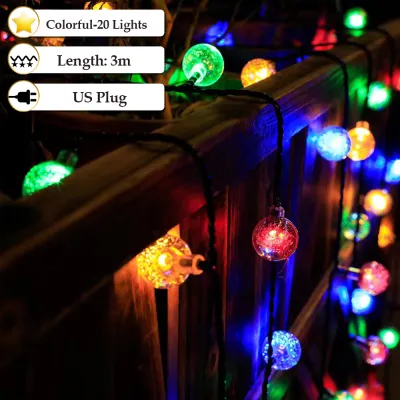
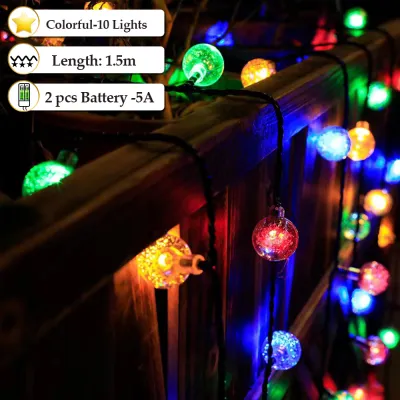
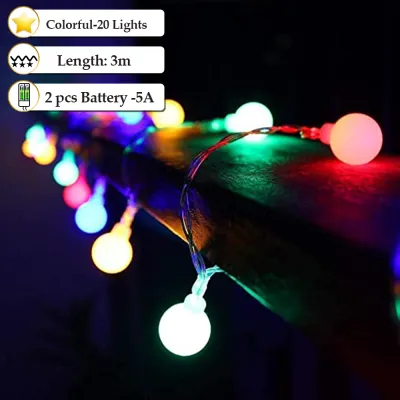
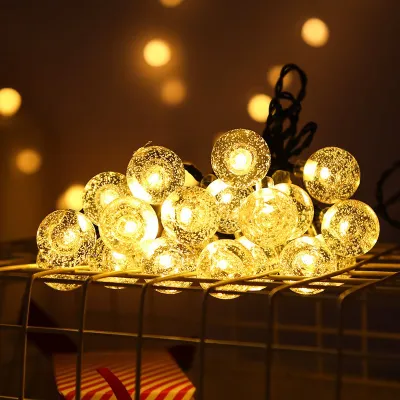
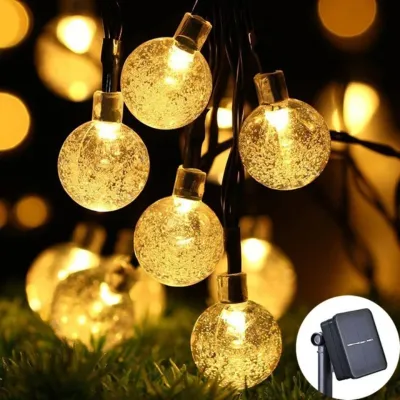
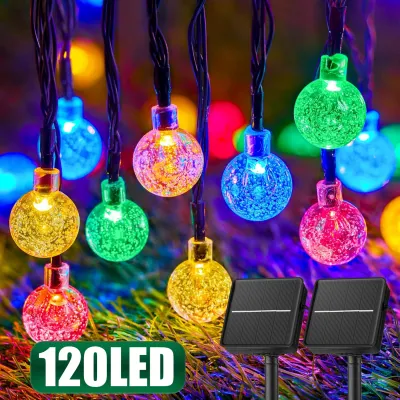
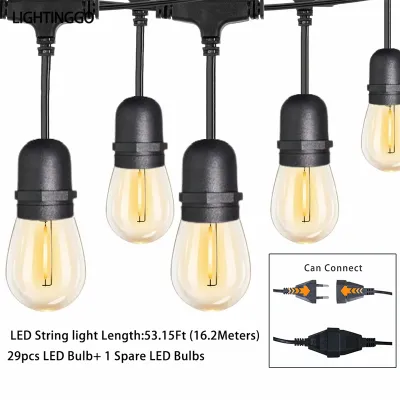
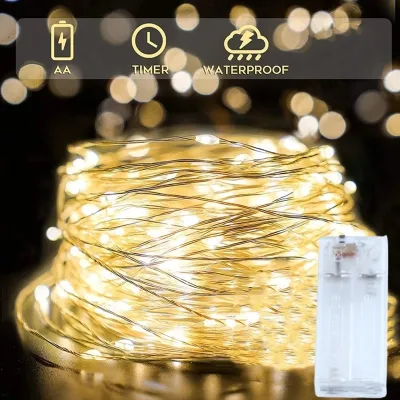
Prices are valid at publication and may change. Please refer to the product page for the latest price.
Strong winds during the monsoon season or tropical depressions exert significant physical stress on hanging light strings. If the wires are thin or lack a supportive guide cable, the constant swaying can stretch the copper conductors, loosen the bulb connections, or tear the mounting points right out of the wall. Debris blown by the wind can also shatter fragile glass bulbs, making shatterproof materials a critical consideration for outdoor installations. Properly securing the lights and choosing wind-resistant materials are essential steps to prevent physical damage during stormy weather.
Essential Technical Specs to Check Before Buying
To filter out low-quality products designed solely for indoor use, you must learn to identify three main technical pillars on the product packaging or online specifications sheet: the Ingress Protection (IP) rating, the wire jacket material, and the bulb technology. These specifications are typically printed on the product box, molded directly onto the wire insulation, or listed in the technical details section of online product pages. Understanding these labels allows you to make an informed decision and avoid products that may pose safety risks in outdoor environments.

Water and Dust Resistance (IP Ratings)
The IP code consists of two digits: the first represents protection against solid particles, and the second represents protection against liquids. For outdoor string lights exposed to rain, the second digit is the most critical. An IP44 rating means the product is protected against splashing water from any direction, which is generally sufficient for covered patios, balconies, or semi-sheltered outdoor spaces that do not experience direct, heavy downpours.
For fully exposed areas like open gardens, fences, or rooftops, look for a minimum rating of IP65, which indicates protection against water jets, or IP67, which allows for temporary immersion. Always verify that the manufacturer specifies these ratings for the entire assembly, including the bulb sockets and the end-to-end connectors, rather than just the plug or the controller box. Generic terms like “waterproof” or “weather-resistant” without an accompanying IP rating are often unreliable indicators of actual performance in heavy tropical downpours.
Wire Quality and UV Resistance
Heavy-duty outdoor string lights typically use thick, rubberized cables or commercial-grade PVC that remains flexible and intact under temperature fluctuations. In contrast, cheap indoor-grade strings use thin, flat wires that offer minimal protection against physical wear, moisture penetration, or accidental tugging. Checking the wire gauge (such as 18 AWG or thicker) can give you a good indication of the cable’s physical strength and capacity to carry electrical current safely over long distances.
Look for explicit mentions of UV resistance or weatherproofing on the product label to ensure the cable will not degrade under intense sunlight. The socket construction is equally important; high-quality outdoor globe lights feature molded rubber sockets that form a tight, waterproof seal around the base of each bulb when fully screwed in. This design prevents rainwater from trickling down the bulb and entering the electrical contacts, which is a common cause of short circuits in lower-grade lighting products.
Bulb Technology and Power Source
LED bulbs are highly recommended for outdoor use because they consume significantly less energy, emit virtually no heat, and are commonly available in shatterproof plastic enclosures. Glass incandescent bulbs, while offering a classic look, run hot, consume more electricity, and are highly susceptible to shattering if knocked together by the wind or dropped during installation. Choosing shatterproof LED globes reduces maintenance costs and minimizes safety hazards in areas where children or pets are present.
Plug-in systems connected to a standard outlet provide consistent brightness but require careful routing of cables and weatherproofing of the plug connection. Solar-powered globe lights offer easy installation without wiring constraints, but their performance depends entirely on daily sunlight exposure, which can be highly inconsistent during the rainy season. Low-voltage systems utilizing a step-down transformer (reducing 220V to 12V or 24V) offer an excellent balance of safety and brightness, especially for ground-level installations, pathways, or areas near water features.
Verify that any plug-in string light or transformer you purchase is rated for the standard Philippine voltage of 220V at a frequency of 60Hz. Using incompatible voltage ratings can lead to overheating, flickering, or immediate electrical failure of the system. Additionally, check that the plug type matches your outdoor outlets (typically Type A or Type B) to ensure a secure and stable connection.
Installation Safety and Mounting Boundaries
Before hanging any outdoor lights, verify that the product carries recognized electrical safety certifications. Look for local quality marks or reputable international testing certifications molded onto the plug or printed on the product tag. These marks indicate that the product has undergone rigorous testing for insulation, heat resistance, and electrical safety under load, giving you peace of mind that the system is safe for extended outdoor use.
When planning your layout, never rely on the electrical wire itself to support the weight of the string over long spans. For spans longer than a few meters, install a stainless steel guide wire and secure the string light to it using outdoor-rated, UV-resistant cable ties. This setup relieves physical tension on the electrical connections, prevents sagging, and keeps the lights stable during strong winds. Ensure all mounting hooks, eye bolts, or brackets are securely anchored into solid wood, masonry, or metal posts rather than loose trim, gutters, or temporary fixtures.
Always isolate the power supply before handling any electrical components, replacing bulbs, or climbing ladders. If your installation involves connecting multiple strings end-to-end, check the manufacturer’s instructions for the maximum allowable wattage or number of connected strings to avoid overloading the circuit. For complex setups, permanent outdoor wiring, installations requiring work at significant heights, or any integration with your home’s main electrical panel, stop and consult a licensed professional electrician to ensure compliance with local electrical codes and safety standards.
Building Your Shortlist: Matching Specs to Your Space
Once you have filtered out low-quality options based on technical specifications, you can match the remaining candidates to your specific space and aesthetic preferences. Color temperature is a key design choice: warm white bulbs (typically 2200K to 2700K) create a cozy, inviting, and intimate ambiance perfect for dining areas and patios, while cool white bulbs (4000K to 5000K) offer a brighter, crisper light suitable for security or task-oriented outdoor spaces. These color choices are matters of personal preference rather than performance indicators.
Consider the physical dimensions of your space when choosing globe sizes and bulb spacing. Standard globe bulb sizes like G40 (approximately 40mm in diameter) or G50 (50mm) are popular for residential patios, balconies, and gardens. For smaller balconies or tight pergolas, closer bulb spacing (such as 12 inches or 30cm apart) provides a dense, continuous glow, whereas larger gardens or open yards benefit from wider spacing (such as 24 inches or 60cm apart) to create a balanced, elegant look without overwhelming the space.
If you plan to use dimmers or smart controllers to adjust the brightness, verify that both the bulbs and the controller are explicitly labeled as dimmable and rated for outdoor use. Non-dimmable LED bulbs will flicker, buzz, or fail prematurely if connected to a dimmer switch. Keep in mind that adding external dimmers or smart plugs introduces additional connection points that must be thoroughly sealed against moisture using weatherproof junction boxes or silicone tape to prevent water ingress.
Purchasing Channels and Delivery Inspection
When purchasing outdoor globe string lights, choosing the right channel can significantly affect your warranty support and after-sales service. Local hardware stores allow you to physically inspect the build quality, wire thickness, and socket seals before buying, and they typically offer straightforward return policies. Online marketplaces and e-commerce platforms provide a wider variety of styles and often lower prices, but you must carefully read customer reviews, check seller ratings, and verify the return policy to avoid counterfeit or low-grade products.
As soon as your package arrives, perform a thorough physical inspection before attempting installation. Check the entire length of the cable for any signs of exposed copper, cuts in the insulation, or cracked socket housings. Ensure that every socket contains its rubber sealing ring, which is essential for keeping water out of the electrical contacts, and verify that the plug and any included transformer are intact and free of damage.
Always test the complete string of lights indoors before hanging them outside. Plug the string into a safe indoor outlet and verify that every single bulb illuminates without flickering or buzzing. This simple step saves you the frustration of installing a long, complex string of lights only to discover a defective bulb, a broken socket, or a faulty wire after it is already mounted high off the ground.
Frequently Asked Questions (FAQ)
Can I leave outdoor globe string lights outside during a typhoon?
No, it is highly recommended to take down outdoor globe string lights before a typhoon or severe tropical storm hits. Even if your lights have a high IP rating and are secured to a guide wire, the extreme wind speeds, flying debris, and torrential rains associated with typhoons can easily tear down mounting points, snap cables, or shatter bulbs. Taking them down prevents physical damage to the lights and eliminates the risk of fallen live wires creating electrical hazards in your yard. After the storm passes, inspect the mounting area, ensure all outlets are completely dry, and check the light string for any physical damage before reinstalling and plugging them back in.
How do I clean cloudy or dirty globe bulbs?
To clean dirty or cloudy globe bulbs safely, always start by turning off the power and completely unplugging the string from the electrical outlet. Prepare a bucket of warm water mixed with a small amount of mild dish soap; do not use harsh chemical solvents, abrasive cleaners, or stiff scrubbing brushes, as these can degrade the plastic globes, strip away UV-resistant coatings, or damage the rubber weather seals. Wipe down each bulb and socket exterior gently using a soft microfiber cloth dampened with the soapy water, taking care not to let water pool inside the sockets if any bulbs are removed. Once clean, wipe the entire string with a dry cloth and allow it to air-dry completely in a shaded area before restoring power.

Community discussion
Share your experience or ask a question. Comments are reviewed before publication.