
Creating a cozy, inviting outdoor retreat on a small condo balcony requires lighting that enhances the atmosphere without cluttering the limited floor area. The most effective outdoor solar lights for these compact spaces are versatile, low-profile formats—such as flexible string lights with detached charging panels, clip-on railing fixtures, and damage-free wall sconces. These options allow you to elevate your balcony’s design vertically, keeping walkways clear while maximizing exposure to the sun.
Because condo balconies are often shaded by overhanging floors, choosing the right solar light outdoor setup involves more than just picking an attractive design. It requires a strategic approach to solar panel placement, structural safety, and light distribution. By focusing on compact form factors and warm, diffused illumination, you can transform a small concrete balcony into a relaxing tropical sanctuary.
Assessing Sunlight and Space Constraints
Before purchasing any outdoor solar lights, you must evaluate the unique environmental and structural conditions of your balcony. Unlike open gardens, condo balconies are highly restricted spaces that receive varying degrees of direct sunlight depending on their orientation and neighboring towers.
Products mentioned in this guide
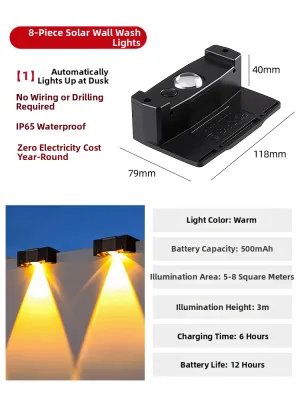
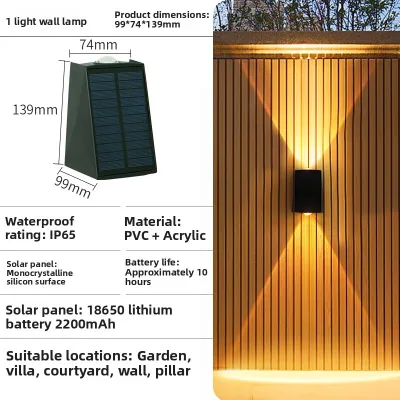
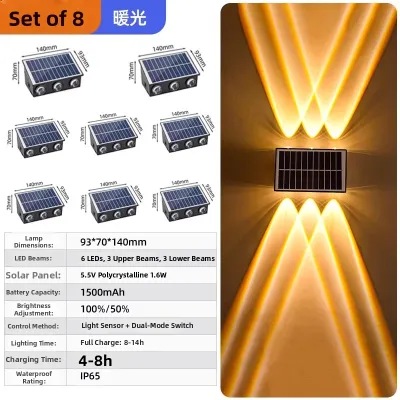
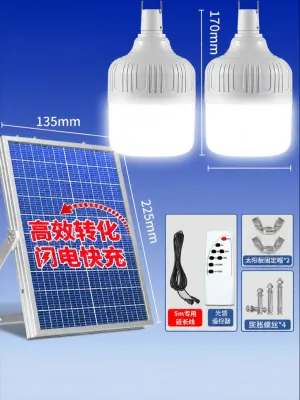
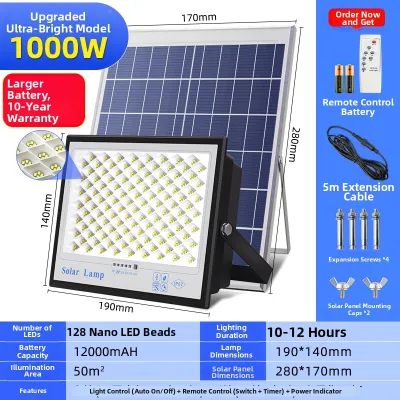
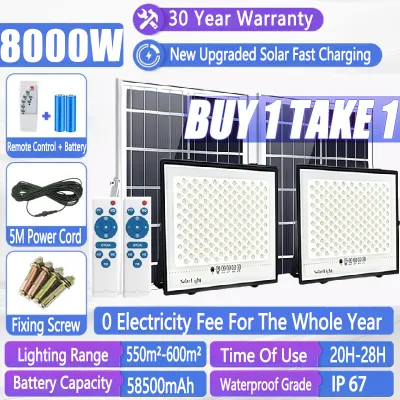
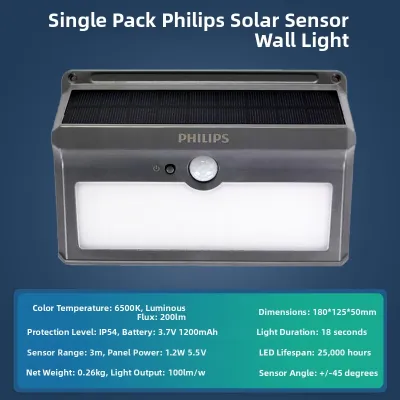
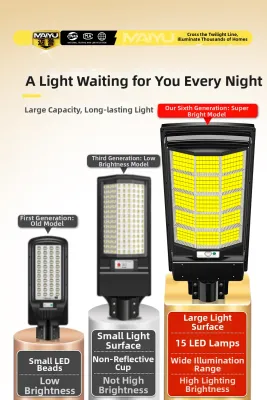
Prices are valid at publication and may change. Please refer to the product page for the latest price.
Start by tracking daily direct sunlight exposure. Solar panels generally require several hours of direct, unobstructed sunlight to charge fully. Observe where the sun hits your balcony throughout the day. If your balcony is covered by an overhanging ceiling, the light fixture itself can remain in the shade as long as the solar panel is positioned in a sunny spot, such as along the outer railing.
Next, consult your condominium corporation’s house rules regarding exterior modifications. Many high-rise developments in the Philippines enforce strict policies against drilling into exterior walls, hanging items visible from the street, or installing fixtures that alter the building’s facade. Reviewing these covenants beforehand prevents costly fines and ensures your lighting setup remains fully compliant.
Finally, measure your usable railing length and floor space to avoid overcrowding. A small balcony can quickly feel cramped if cluttered with oversized fixtures or excessive cabling. Knowing these dimensions helps you select compact fixtures that maintain comfortable clearance for outdoor furniture and daily foot traffic.
Comparing Solar Light Formats for Limited Spaces
Selecting the right physical format for your solar light outdoor fixtures is essential for balancing aesthetic appeal with spatial efficiency. In a limited balcony layout, every square inch of floor space is valuable, making vertical and perimeter lighting solutions highly advantageous.

Different form factors interact uniquely with typical condo balcony dimensions. While ground-based lights might work well in a spacious garden, they can become tripping hazards on a narrow balcony. By understanding how each format utilizes space, you can design a layered lighting scheme that feels open, safe, and visually balanced.
String and Fairy Lights
String and fairy lights are excellent for creating a soft, festive canopy overhead or along your balcony railing. To prevent these flexible cords from tangling in strong winds or obstructing your neighbors’ views, use secure fastening techniques such as weather-resistant zip ties or heavy-duty adhesive clips.
When selecting string lights, look for models that feature a detached solar panel connected by a long lead wire. This design allows you to drape the decorative bulbs in shaded areas under your balcony ceiling while mounting the solar panel high up on the railing where it can capture maximum sunlight.
Railing and Clip-On Lights
Railing and clip-on lights attach directly to the perimeter of your balcony, keeping the floor completely clear. Before purchasing, verify the compatibility of the clip or clamp mechanism with your specific railing material and thickness, whether it is made of wrought iron, concrete, or glass.
To maintain good relations with your neighbors, opt for fixtures that project light downward rather than upward or outward. Downward-facing perimeter lights illuminate your balcony floor safely while minimizing light pollution and glare that could disturb residents in adjacent units or towers.
Wall-Mounted and Sconce Styles
Wall-mounted solar sconces offer a classic, structured look that adds architectural depth to your outdoor space. Since drilling into exterior condo walls is typically prohibited, look for lightweight sconces that can be secured using damage-free mounting alternatives, such as outdoor-rated adhesive strips or industrial-strength mounting tape.
Utilizing your vertical wall space allows you to create a layered lighting effect without blocking sightlines or taking up valuable seating areas. Position these fixtures at eye level or slightly above to cast a warm, welcoming glow across your balcony furniture.
Planter and Stake Lights
If you already have potted tropical plants or small planter boxes on your balcony, planter and stake lights can easily integrate a low-level ambient glow into your existing greenery. When inserting these stakes, gently push them into the soil near the edge of the pot to avoid damaging the plant’s root system.
Be mindful of plant growth over time. Ensure that lush foliage or broad leaves do not grow over the integrated solar panels on the stakes, as blocking the panels will significantly reduce their charging efficiency and nightly runtime.
Selecting Features for a Cozy Ambiance
To create a relaxing evening mood, pay close attention to the technical specifications of your outdoor solar lights. The goal of ambient lighting is to provide a soft, warm glow rather than harsh, utilitarian illumination.
First, identify the color temperature of the lights, which is measured in Kelvins (K). For a cozy, intimate atmosphere, look for labels indicating “warm white” or a color temperature range between 2200K and 3000K. Avoid “cool white” or “daylight” options (typically 5000K or higher), as these can feel clinical and overly bright in a confined balcony setting.
Second, look for fixtures that offer adjustable brightness settings or multiple dimming modes. Having the ability to lower the light intensity allows you to adapt the ambiance to different occasions, whether you are reading a book or hosting a quiet dinner.
Third, choose fixtures with diffused shades, frosted bulbs, or textured covers. These design elements scatter the light evenly, preventing harsh glare and hot spots that can strain your eyes when sitting close to the light source on a small balcony.
Finally, manage motion sensor features carefully. While motion-activated lights are excellent for security, they can disrupt a steady ambient glow by constantly switching between bright and dark states. If your chosen solar lights have motion sensors, ensure they feature an override switch or a dedicated “always-on” ambient mode.
Renter-Friendly Installation and Safety Checks
Installing outdoor solar lights on a condo balcony requires a careful balance between secure mounting and renter-friendly practices. Because high-rise balconies are exposed to wind, rain, and humidity, your installation must be durable enough to withstand the elements without causing permanent damage to the property.
When securing your lights, select non-destructive mounting hardware such as outdoor-rated adhesive hooks, tension rods, or UV-resistant zip ties. These tools allow you to mount string lights and lightweight fixtures securely to railings and frames, leaving no permanent marks or holes when it is time to move out.
Given the tropical climate of the Philippines, it is crucial to verify the manufacturer’s weather resistance rating before installation. Look for an Ingress Protection (IP) rating, such as IP44 or higher, which indicates the fixture’s ability to resist water splashes and dust. This certification is essential for ensuring the electrical components remain safe during heavy seasonal rains.
Always secure loose cables and wires along the walls or railings using cable clips or ties. Loose, dangling cords pose a tripping hazard in small spaces and are highly susceptible to wind damage on high-rise balconies. If you are ever unsure about the safety or structural integrity of an attachment method, stop the installation immediately and consult your building management office.
Frequently Asked Questions (FAQ)
Do solar lights work on covered or shaded balconies?
Yes, solar lights can work on covered balconies if you choose fixtures with detached solar panels. This allows you to place the light fixtures under the shaded cover while positioning the solar panel on the outermost edge of the railing where it can receive direct sun exposure. If your balcony receives no direct sunlight at all, solar lights may not charge fully, and you may need to consider hybrid or USB-rechargeable alternatives.
How do I maintain solar panels in a dusty urban environment?
In busy urban areas, dust and vehicle emissions can quickly accumulate on solar panels, blocking sunlight and reducing charging efficiency. Perform a regular visual inspection of your solar panels every few weeks. To clean them, gently wipe the surface with a soft, damp microfiber cloth. Avoid using harsh chemical cleaners or abrasive pads, as these can scratch the protective cover and permanently decrease its ability to absorb light.
Can I leave solar lights outside during heavy seasonal rains?
Whether you can leave your solar lights outside during heavy seasonal rains depends on their IP (Ingress Protection) rating. Fixtures rated IP44 or higher are generally designed to withstand standard outdoor rain and humidity. However, during severe tropical storms, typhoons, or periods of prolonged torrential rain, it is highly recommended to temporarily bring your solar lights indoors. This simple precautionary step protects the internal batteries and delicate circuitry from water ingress.

Community discussion
Share your experience or ask a question. Comments are reviewed before publication.