
To choose the right warm white fairy lights for outdoor spaces, you must evaluate key technical specifications including the Ingress Protection (IP) rating, power source compatibility, wire durability, and color temperature. In tropical climates like the Philippines, where heavy downpours, high humidity, and intense heat are common, selecting lights with robust weatherproofing and safe electrical configurations is essential to ensure longevity and prevent hazards.
Understanding IP Ratings for Outdoor Durability
Selecting the correct Ingress Protection (IP) rating is the most critical step in ensuring your warm white fairy lights can survive the elements. The IP rating consists of two digits that define how well the light string resists solids and liquids. The first digit indicates protection against solid objects like dust and insects, while the second digit measures resistance to water penetration.
For covered outdoor areas such as a veranda or covered patio, an IP44 rating is typically the minimum standard required. This rating ensures the lights are protected against splashing water from any direction. While suitable for sheltered spots, these lights should not be directly exposed to heavy downpours.
Products mentioned in this guide
![SOLAR MANILA Solar String Bulb Lights | 30 Warm White LEDs 10M Waterproof Outdoor Garden with Remote[Fast Shipping]](https://img.lazcdn.com/g/p/ba05429f96fa617b1777fb7147cca323.jpg_400x400q80.jpg_.webp)
![[Vodool Home Mall] 10/20/30/50M LED Cluster Fairy Lights with Auto Timer Warm White Cluster String Light Copper Wire String for Christmas Tree Plant Bedroom Garden Outdoor Wedding and Holiday Decorations Waterproof for Window Wall Decor](https://img.lazcdn.com/g/p/a6a151bfb499a9bc7bfc99e159971646.jpg_400x400q80.jpg_.webp)
![[Ueb Wholesale Center] 10/20/30/50M LED Cluster Fairy Lights Warm White Firecracker Copper Wire String with Auto Timer Waterproof for Window Wall Tree Decor](https://img.lazcdn.com/g/p/deaec32649a99231f0d6a6823592c903.jpg_400x400q80.jpg_.webp)
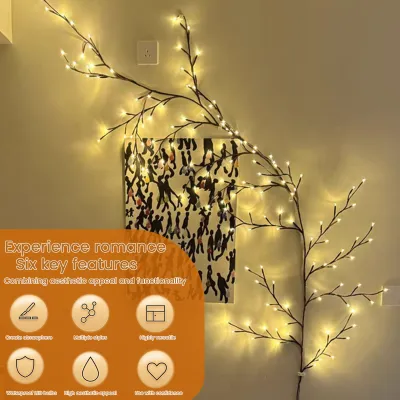
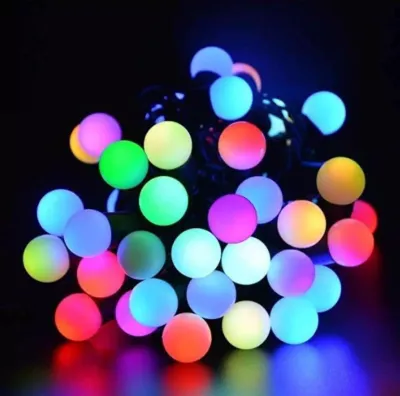
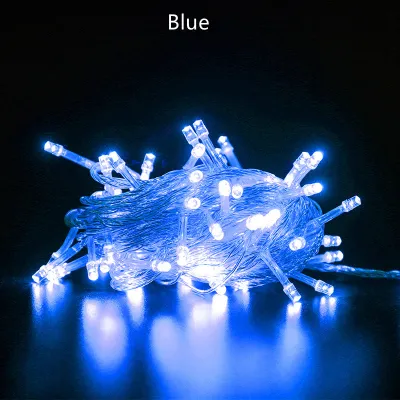
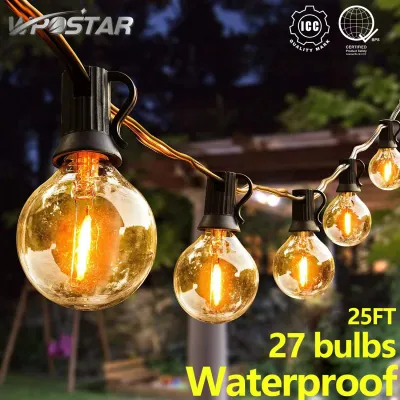
Prices are valid at publication and may change. Please refer to the product page for the latest price.
For fully exposed areas like garden trees, fences, or open lawns, look for lights rated IP65 or higher. An IP65 rating indicates the light string is completely dust-tight and can withstand low-pressure water jets from any angle. This level of protection is essential for enduring intense tropical storms and seasonal rains without short-circuiting.
The IP rating usually applies only to the light string itself. The controller box, plug, and power adapter often have lower ratings or are not waterproof at all. These vulnerable components must be housed in a dedicated weatherproof enclosure or kept indoors to prevent water damage and electrical hazards.
Choosing the Right Power Source and Voltage
Matching the power supply to your outdoor setup is essential for both convenience and safety. Solar-powered fairy lights offer excellent flexibility for remote garden spots because they require no nearby electrical outlets. However, their brightness and runtime depend entirely on daily sunlight exposure. During the rainy season or on highly overcast days, solar panels may not receive enough charge to power the lights through the night.

Battery-operated options work well for temporary events or small accent areas where running cords is impractical. To ensure durability, verify that the battery compartment features a secure rubber gasket seal to keep moisture out. Keep in mind that frequent battery replacements can become inconvenient and costly for long-term installations.
Plug-in (mains-powered) fairy lights provide consistent, reliable brightness and are ideal for permanent installations. Always verify that the voltage rating matches your local household supply, which is typically 220V in the Philippines, and check for local electrical safety certifications. Using incompatible voltage configurations can damage the lights or create a fire hazard.
When running extension cords outdoors, only use heavy-duty, outdoor-rated cables designed to resist moisture and UV exposure. For permanent installations, high-load setups, or any fixed wiring in damp environments, isolate the power source before handling. Always consult a qualified professional electrician to ensure safe routing and compliance with local electrical codes.
Selecting Length, Wire Type, and Bulb Spacing
Estimating the required length of fairy lights involves more than measuring a straight line. If you plan to wrap a tree trunk, column, or railing, use a piece of string to mimic the wrapping pattern first, then measure that string to find the actual length needed. Purchasing a string that is slightly longer than your estimate is always safer than trying to stretch a short cable to its limit.
The wire material determines how well the lights survive physical stress and environmental exposure. Thin, bare copper wire lights are highly flexible and blend seamlessly into foliage, making them popular for delicate decorative accents. However, they are fragile and best suited for temporary or highly sheltered setups.
For permanent outdoor installations or suspended spans, thicker insulated rubber or PVC cables are much more durable. These heavy-duty cables resist UV degradation from intense tropical sun and withstand the physical tension of being hung over open spaces. They also provide better protection against moisture ingress along the length of the wire.
Bulb spacing directly influences the visual density of the light. Closer spacing, such as five to ten centimeters, creates a bright, continuous glow ideal for dense foliage. Wider spacing, ranging from fifteen to thirty centimeters, offers a softer, more delicate twinkle suitable for spanning large patios or open yards.
Evaluating Color Temperature and Brightness
The term “warm white” can vary significantly between manufacturers, so it is best to check the specific Kelvin (K) rating on the product label. A range of 2700K to 3000K delivers a classic, cozy golden glow that enhances outdoor relaxation areas. This range mimics the warm light of traditional incandescent bulbs, creating an inviting and comfortable atmosphere.
If you prefer an ultra-warm, candle-like ambiance, look for specifications closer to 2200K to 2400K. Avoid lights labeled above 3500K if your goal is a warm, inviting atmosphere, as higher numbers shift toward a cooler, neutral white. These cooler tones can feel clinical and may not deliver the cozy aesthetic desired for outdoor living spaces.
To gauge brightness, look at the lumen output rather than just the wattage, especially since energy-efficient LED lights use very little power. For decorative fairy lights, a lower lumen output per bulb is generally preferred to prevent harsh glare in intimate outdoor seating areas.
Because visual perception of color temperature is highly subjective, always verify the specifications on the packaging or manufacturer’s datasheet. Do not rely solely on product photos, which can be altered or affected by camera settings. Checking the verified Kelvin rating ensures you get the exact shade of warm white you expect.
Installation Safety and Maintenance Boundaries
When hanging your lights, use insulated mounting clips, plastic zip ties, or outdoor-rated adhesive hooks. Never use metal staples, nails, or tacks that could pierce the wire insulation and cause a short circuit or electrical shock. Ensuring the wire remains completely intact is vital for preventing moisture from entering the electrical path.
Always isolate the power supply by unplugging the lights before installing, adjusting, or cleaning them. Handling live electrical components in damp outdoor environments poses a severe safety risk. If you need to work at heights to hang lights on tall trees, use a stable ladder and have a spotter assist you.
Regularly inspect the light string for signs of wear, such as cracked insulation, exposed wires, or moisture inside the bulb housings. If you notice any physical damage or if the lights begin to flicker inconsistently, stop using them immediately. Do not attempt to splice or repair damaged outdoor wiring yourself, as DIY repairs can compromise the waterproof seal.
If a light string is compromised, replace the entire unit or consult a qualified professional electrician to assess the setup. Taking these precautions ensures your outdoor lighting remains safe, reliable, and beautiful throughout the year.
Frequently Asked Questions (FAQ)
Can I leave outdoor fairy lights on all night?
While many modern LED fairy lights generate minimal heat and are designed for extended use, leaving them on continuously can shorten their lifespan and increase energy consumption. Always check the manufacturer’s instructions regarding maximum continuous run times. Using an outdoor-rated timer or a smart plug allows you to automate the operating hours safely, ensuring the lights turn off during daylight hours.
How do I protect the plug and controller from rain?
To safeguard non-waterproof components like plugs, adapters, and controllers, place them inside a dedicated, outdoor-rated weatherproof connection box. These enclosures feature rubber seals and cable entry ports designed to keep moisture out. Avoid temporary fixes like wrapping connections in standard plastic bags or electrical tape, as these methods trap condensation and fail to provide reliable protection against heavy tropical downpours.

Community discussion
Share your experience or ask a question. Comments are reviewed before publication.