
Selecting the right plug-in Christmas lights for a condo bedroom requires balancing cozy visual appeal with the practical constraints of a compact, tropical living space. To achieve a warm, relaxing ambiance that invites rest, low-voltage LED string lights featuring a warm white color temperature are the most effective choice. Unlike harsh overhead fixtures, these lights emit a soft, golden glow that mimics candlelight, transforming a small bedroom into a personal sanctuary. By focusing on specific bulb styles, safe installation methods, and proper electrical ratings, you can create a beautiful lighting display that enhances your room without causing clutter or safety hazards.
Decoding Warm Ambiance: Color Temperature and Bulb Styles
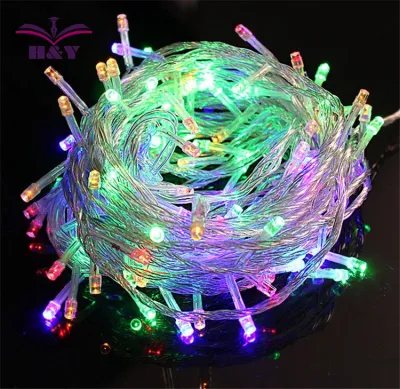
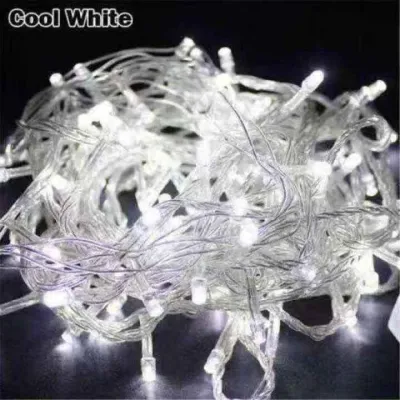
Color temperature is the most critical factor in establishing a cozy bedroom atmosphere. For a warm, relaxing glow, look for lights labeled between 2200K and 2700K, which produce a soft golden hue. Avoid cool white lights, which typically exceed 5000K and emit a bright blue-white light that can disrupt your sleep cycle by mimicking daylight. While multicolor strings offer festive cheer, a single warm white tone is generally more effective for creating a calm, cohesive bedroom environment year-round.
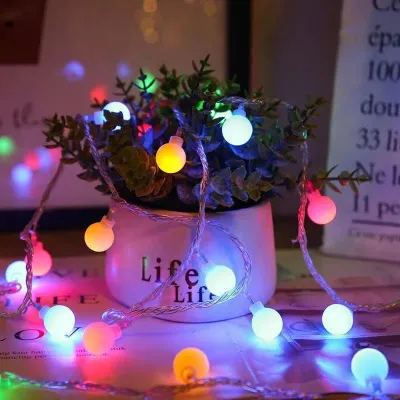
The physical style of the bulb also influences how light disperses in a compact room. Micro LED fairy lights, which feature tiny bulbs on thin copper or silver wires, are highly suitable for minimalist condo decors because the wiring virtually disappears when turned off. Globe bulbs, such as G40 or G50 styles, offer a bolder, retro aesthetic but require more physical clearance and can look bulky if overdone in a small space. Vintage Edison-style string lights provide a rustic, industrial charm, though they often run warmer and require careful placement away from delicate fabrics.
Products mentioned in this guide
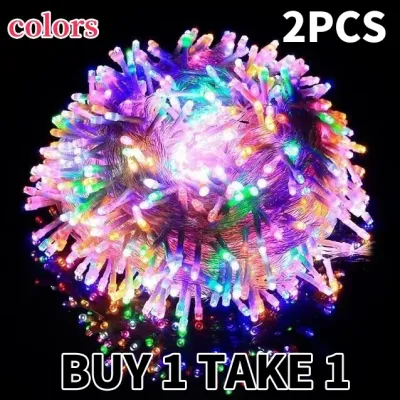
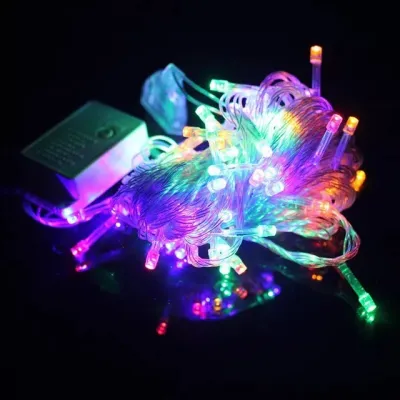
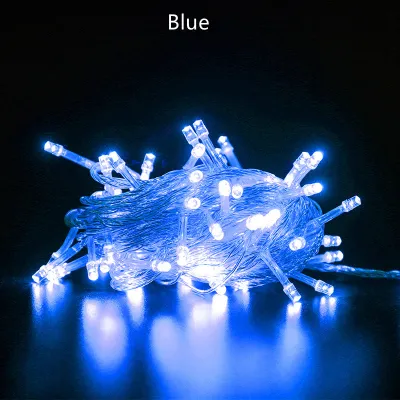
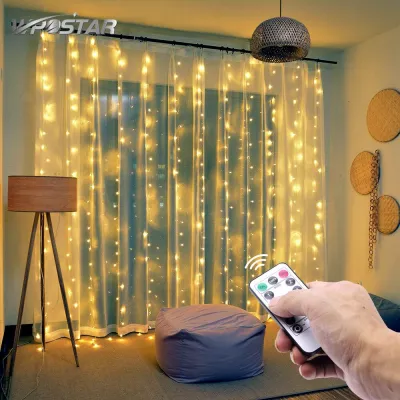
Prices are valid at publication and may change. Please refer to the product page for the latest price.
To ensure maximum comfort in a sleeping area, check product labels for dimmable features or built-in inline controllers. Having the ability to cycle through brightness levels or select a steady, low-intensity glow is essential for winding down at night. Avoid cheap, non-adjustable strings that flash aggressively, as these can cause eye strain and detract from the peaceful environment you want to cultivate.
Sizing and Layout: Matching String Length to a Compact Bedroom
To avoid buying a string that is either too short to complete your design or so long that it piles up on the floor, take precise measurements before shopping. Use a flexible measuring tape or a piece of string to trace the exact path where the lights will hang, whether along the top of a headboard, around a window frame, or draped across a wall. Add a buffer of approximately 10% to 15% to this measurement to account for natural draping and slack, ensuring the wires do not look tightly strained.

The distance between individual bulbs significantly alters the visual density of the light. Clustered fairy lights, where bulbs are spaced only a few centimeters apart, create a bright, concentrated line of light that works well for framing specific features like a vanity mirror. In contrast, widely spaced bulbs offer a more subtle, twinkling effect that feels less intense and more relaxing for a sleeping area. Choose the spacing that aligns with your desired aesthetic without overwhelming the room’s existing decor.
If you end up with extra length, never bunch or coil the active wire tightly behind furniture or under mattresses, as this traps heat and poses a fire hazard. Furthermore, pay close attention to the manufacturer’s limits on daisy-chaining multiple light strings. While LED strings draw very little power, connecting too many sets together can overload the first string’s wiring or the wall outlet. Always verify the maximum number of connectable strings specified on the product packaging before linking them.
Power and Safety: Electrical Checks for Plug-In Indoor Lights
Before purchasing any plug-in lights, verify that they are fully compatible with your condo’s electrical system. In the Philippines, the standard residential voltage is 220V at 60Hz, so importing lights rated solely for 110V without a proper transformer will damage the product and create an immediate hazard. Look for flat-prong plugs that fit securely into your wall outlets without requiring loose adapters. Additionally, check the packaging for official safety certifications, such as the Philippine Standard (PS) mark or the Import Commodity Clearance (ICC) sticker, which prove the product has undergone safety testing.
Small condo bedrooms often have a limited number of wall outlets, tempting residents to use multi-plug adapters or daisy-chain multiple extension cords. Overloading a single outlet with lights, phone chargers, and cooling appliances increases the risk of electrical shorts and overheating. This risk is particularly high near bedding, curtains, and upholstered headboards, which can easily ignite if exposed to a spark or prolonged high temperatures from a faulty wire.
If you notice any warning signs—such as flickering lights, outlets that feel warm to the touch, a faint burning smell, or breakers that trip when the lights are turned on—immediately unplug the strand. For complex installations, such as mounting heavy fixtures at height, running wiring behind drywall, or installing new wall outlets, always consult a qualified electrician or your condo’s property management office to ensure compliance with building safety codes.
Damage-Free Installation and Styling for Small Condo Spaces
Condo living often comes with strict rental agreements or concrete walls that make drilling or nailing impractical. To hang your lights without losing your security deposit, rely on damage-free adhesive clips designed specifically for lightweight cables. These clips hold the wires securely and peel off cleanly when it is time to redecorate. For window frames, tension rods offer an excellent non-invasive way to drape lights, while lightweight curtain wires can be suspended from existing hardware.
To maximize the cozy effect in a compact bedroom, focus on strategic placements that diffuse the light. Draping a delicate string of micro LEDs over a wooden or upholstered headboard creates a soft halo effect behind your head. Alternatively, framing a vanity mirror bounces the light around the room, making the space feel larger. If you have a sheer bed canopy, weaving fairy lights through the fabric diffuses the glare, creating a dreamy, cloud-like atmosphere.
Before mounting your lights, perform a quick safety inspection on a flat, clear surface. Plug the string in to verify that every single bulb is functioning properly, as replacing a dead bulb is much harder once the string is hung. Carefully run your fingers along the entire length of the cord to check for any cracks in the plastic insulation, exposed copper wires, or loose connections. Finally, ensure the path to your power outlet is clear and that the cord will not create a tripping hazard across the bedroom floor.
Frequently Asked Questions (FAQ)
Can I leave plug-in Christmas lights on overnight in the bedroom?
It is generally not recommended to leave plug-in Christmas lights on while you sleep unless they are explicitly rated for continuous, unattended use by the manufacturer. Even low-wattage LEDs can accumulate heat if they are in direct contact with flammable materials like bedding, pillows, or curtains. To enjoy a warm glow safely, look for lights with built-in automatic timer functions that turn the system off after a set number of hours, or plug them into a certified smart plug to schedule an automatic shutoff before bedtime.
How do I hide the power cord for a cleaner bedroom look?
To maintain a clean, minimalist aesthetic in your condo bedroom, use paintable plastic cord covers or fabric cable sleeves that match your wall color. You can route the power cord discreetly along the edges of baseboards or behind heavy furniture like nightstands and wardrobes. Never run power cords under area rugs, pinch them tightly inside window frames, or secure them with metal staples, as these actions can damage the internal wiring, trap heat, and create a serious electrical hazard.

Community discussion
Share your experience or ask a question. Comments are reviewed before publication.