
To find the most reliable solar string lights for your garden in the Philippines, you must look beyond basic aesthetics and focus on how well the components handle intense tropical heat, high humidity, and heavy monsoon rains. The ideal outdoor lighting setup balances decorative appeal with robust weatherproofing, efficient solar energy conversion, and durable battery storage. By prioritizing technical specifications like Ingress Protection (IP) ratings and monocrystalline solar panels, you can ensure your garden remains beautifully illuminated night after night, even after a typical afternoon downpour.
Selecting the right lighting involves understanding the unique environmental challenges of a tropical climate. High ambient temperatures can accelerate battery degradation, while persistent moisture can easily penetrate poorly sealed electronics, leading to short circuits or corrosion. By focusing on build quality, material durability, and proper installation techniques, you can transform your outdoor space into a safe, inviting haven while avoiding the common pitfalls of premature product failure.
Key Selection Criteria for Outdoor Solar String Lights
Evaluating the technical specifications of outdoor solar string lights is the most critical step in ensuring long-term performance. Unlike indoor decorative lights, outdoor solar fixtures must operate as self-sustaining electrical systems, relying entirely on their built-in components to collect, store, and distribute power under varying weather conditions.
Products mentioned in this guide
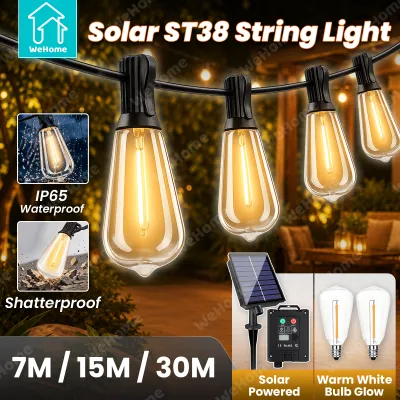
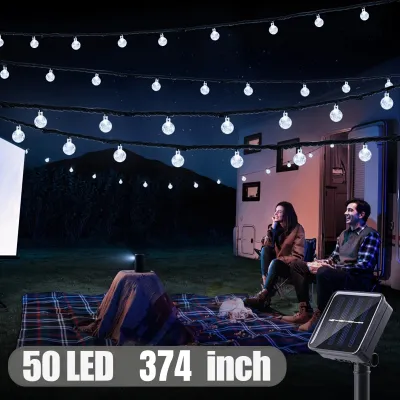
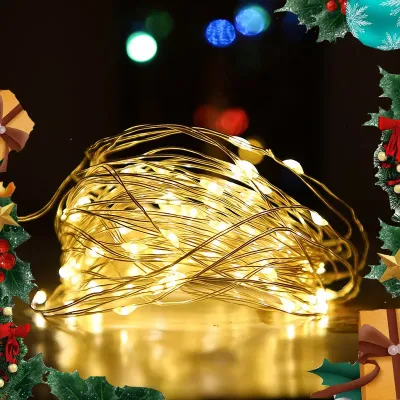
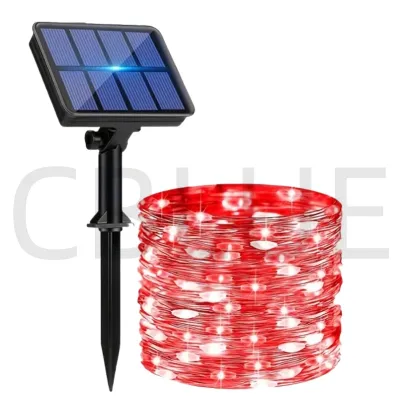
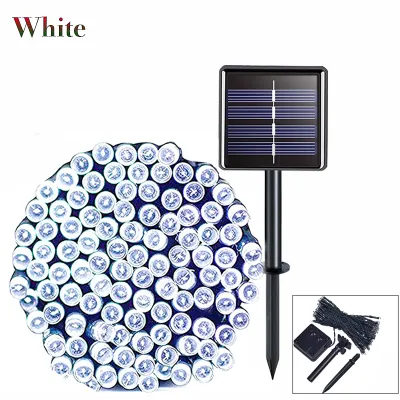
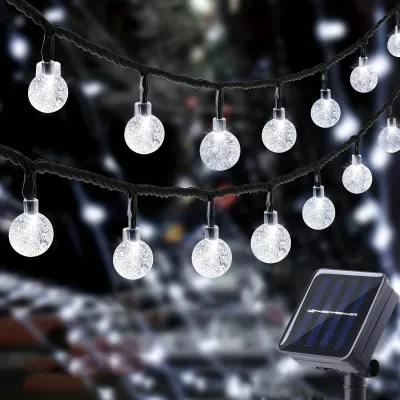
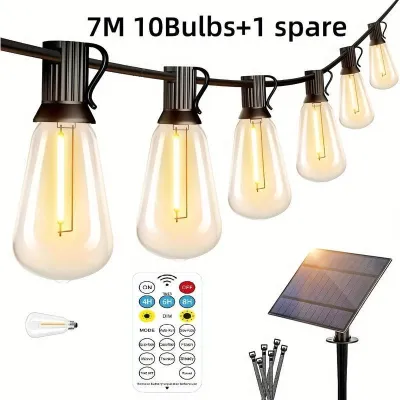
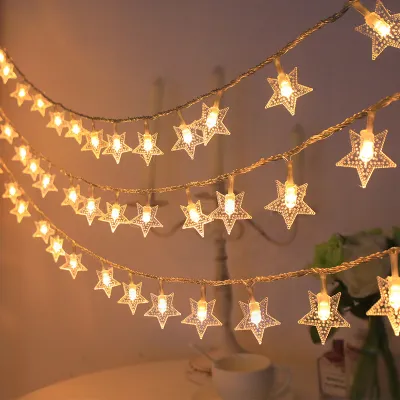
Prices are valid at publication and may change. Please refer to the product page for the latest price.
Lumen Output and Color Temperature
When planning your garden lighting, consider how much light you actually need for different zones. Lumen output measures the total amount of visible light emitted by a source. For ambient or accent lighting—such as wrapping tree trunks or highlighting garden pathways—low-intensity fairy lights emitting 1 to 5 lumens per bulb are often sufficient to create a soft, magical glow. If you require functional illumination for dining areas, patios, or outdoor kitchens, look for larger globe or Edison-style bulbs that deliver 10 to 50 lumens per bulb.
Color temperature, measured in Kelvin (K), is a matter of conditional preference and spatial effect rather than a universal performance fact. Warm white light (typically 2700K to 3000K) is highly favored for residential gardens because it creates a cozy, relaxing, and intimate atmosphere that complements natural wood and foliage. Cool white light (5000K to 6500K) offers higher visual contrast and clarity, making it suitable for security lighting or task-oriented areas, though it can sometimes feel clinical or harsh in a relaxing garden setting.
Understanding IP (Ingress Protection) Ratings
The Ingress Protection (IP) rating is a standardized scale that indicates how effectively an electrical enclosure seals against solids and liquids. It consists of two digits: the first represents protection against solid objects (0 to 6), and the second represents protection against moisture (0 to 9). For outdoor garden lights in the Philippines, where heavy tropical downpours and high humidity are constant factors, understanding these ratings is vital.
An IP44 rating means the fixture is protected against solid objects larger than 1 millimeter and splashes of water from any direction. While IP44 lights are acceptable for covered patios, balconies, or semi-protected verandas, they are highly susceptible to water ingress if left fully exposed to torrential rains. For open garden areas, lawns, fences, and pergolas, look for fixtures with at least an IP65 or IP67 rating. An IP65 rating guarantees complete protection against dust and low-pressure water jets, while IP67 indicates the unit can withstand temporary submersion in water, ensuring maximum durability during the wet season.
Evaluating Battery Types and Solar Panel Efficiency
The heart of any solar lighting system is its power generation and storage capacity. Solar panels generally come in two types: monocrystalline and polycrystalline. Monocrystalline panels are made from a single crystal structure, giving them a uniform dark appearance and a high energy conversion efficiency, typically ranging from 15% to 22%. This high efficiency is incredibly beneficial in tropical regions, as it allows the panel to generate substantial power even during short periods of direct sunlight or on overcast afternoons. Polycrystalline panels, recognizable by their blue speckled appearance, are more budget-friendly but offer lower conversion efficiency (around 13% to 16%), requiring larger surface areas to produce the same amount of energy.
Battery capacity, measured in milliampere-hours (mAh), dictates how long your lights can run on a single charge. Look for systems equipped with Lithium-ion (Li-ion) or Lithium Iron Phosphate (LiFePO4) batteries rather than older Nickel-Metal Hydride (NiMH) batteries. Lithium-based batteries offer superior energy density, handle deep discharge cycles more effectively, and perform better under high ambient temperatures without rapid degradation. A battery capacity of 1200mAh to 2000mAh is generally recommended for standard string lights to ensure a reliable runtime of 6 to 8 hours per night.
Popular Styles and Design Options
Matching the physical design of your solar string lights to your garden’s layout ensures both aesthetic harmony and physical durability. Different styles of bulbs and wire materials perform differently under physical stress, wind, and heat.

Bulb Shapes and Aesthetics
Globe bulbs (such as G40 or G50 sizes) offer a classic, bistro-style aesthetic that works beautifully when draped over open patios, dining areas, or between sturdy posts. Fairy lights, which feature tiny micro-LEDs embedded along a thin wire, are highly flexible and lightweight, making them perfect for wrapping around tree trunks, weaving through shrubs, or detailing delicate garden structures. Edison-style bulbs provide a vintage, industrial look with visible faux-filaments, adding a sophisticated touch to pergolas and gazebos.
Wire Materials and Durability
The material of the string wire determines how well the system resists physical wear, tension, and environmental exposure. Copper wire is incredibly lightweight, flexible, and easy to hide within foliage, but it lacks structural strength. If copper wire is pulled too tightly or subjected to strong winds, the delicate internal conductors can easily snap.
For heavy-duty installations, choose plastic-coated or thick rubberized cables (often rated as commercial-grade). These cables feature robust insulation that protects the copper conductors from moisture, UV radiation, and physical friction against tree bark or metal hooks. Rubberized cables are heavier, but they can safely span longer distances without sagging or snapping under their own weight.
Mounting Methods and Spacing
Consider the spacing between individual bulbs when planning your layout. Closely spaced bulbs (around 6 to 12 inches apart) create a dense, vibrant line of light, which is ideal for defining borders or wrapping columns. Wider spacing (18 to 24 inches apart) is better suited for overhead canopy lighting, preventing the illumination from becoming overly bright or visually cluttered. Always measure the total length of the area you wish to cover and compare it to the lighted length of the string, keeping in mind that solar string lights usually include a lead cable (the unlit wire between the solar panel and the first bulb) that can range from 3 to 10 feet.
Installation and Placement Best Practices
Proper installation is key to maximizing the energy collection of your solar panel while ensuring the physical safety and longevity of your lighting setup. A poorly positioned panel will result in dim lights and short runtimes, while loose wiring can pose safety hazards.
Positioning the Solar Panel
To get the most out of your solar string lights, the solar panel must receive direct, unobstructed sunlight for the majority of the day. In the Philippines, the sun’s path changes slightly throughout the year but remains relatively high in the sky. Mount the solar panel in a location that faces south or utility-free open areas to capture maximum solar radiation.
Avoid placing the panel directly under dense tree canopies, roof gutters, or adjacent walls that cast long shadows during peak daylight hours (between 10:00 AM and 3:00 PM). Even partial shading on a small portion of the solar panel can drastically reduce its overall energy output. Angle the panel at approximately 15 degrees rather than mounting it completely flat; this slight tilt allows rainwater to slide off easily, naturally washing away accumulated dust, pollen, and fallen leaves that would otherwise block sunlight.
Securing Wires and Preventing Hazards
High winds during the monsoon and typhoon seasons can put immense physical stress on outdoor installations. When hanging heavy rubberized string lights across open spans, do not rely solely on the electrical wire to support the weight. Instead, install a stainless steel guide wire (tension cable) between your mounting points and secure the string lights to the guide wire using UV-resistant nylon zip ties or specialized cable clips. This prevents the electrical wire from stretching, sagging, or snapping under wind load.
When wrapping lights around living trees, leave a small amount of slack in the wires to accommodate the natural growth and movement of the branches. Avoid using metal staples or nails directly into tree bark, as this can damage the tree and eventually cut through the wire insulation. Ensure all cables are routed away from high-traffic garden pathways to prevent tripping hazards, and keep any excess wire neatly coiled and secured off the ground to prevent damage from lawnmowers or pets.
Safety Boundaries and Electrical Precautions
Always prioritize personal safety during installation, especially when working at heights on ladders or roofs to hang lights. Ensure your ladder is placed on stable, level ground, and have a second person assist you if necessary. While solar string lights operate on low-voltage direct current (DC) and are generally safe to handle, any integration with mains power—such as using an optional AC-to-DC adapter or installing a new outdoor electrical outlet for a hybrid solar system—requires strict adherence to safety protocols. Always isolate the power supply at the main circuit breaker before handling fixed wiring, use weather-rated junction boxes, and consult a qualified professional electrician to ensure your setup complies with local electrical codes.
Routine Maintenance and Troubleshooting
Regular maintenance is essential to keep your solar string lights operating at peak efficiency and to extend the lifespan of the system’s components. Because these lights are constantly exposed to the elements, a small amount of preventative care goes a long way.
Cleaning Solar Panels and Light Covers
Over time, a fine layer of dust, dirt, bird droppings, and organic debris will accumulate on the surface of your solar panel. This buildup acts as a barrier, preventing sunlight from reaching the photovoltaic cells and reducing charging efficiency. Clean the solar panel at least once a month using a soft, damp microfiber cloth and clean water. Avoid using abrasive scrubbing pads, steel wool, or harsh chemical detergents, as these can scratch or degrade the protective tempered glass or plastic coating on the panel. Similarly, wipe down the individual bulb covers to remove dirt film and maintain maximum brightness.
Diagnosing Common Performance Issues
If your solar string lights stop working or begin to malfunction, follow a systematic troubleshooting process before deciding to discard them.
- Lights do not turn on at night: Verify that the solar panel is not positioned near external artificial light sources, such as streetlights, security floodlights, or bright indoor lighting spilling through windows. The built-in light sensor (photocell) inside the solar panel detects ambient light levels; if it senses nearby artificial light, it will prevent the string lights from turning on. Try covering the solar panel completely with a dark cloth to test if the lights illuminate in the dark.
- Flickering or short runtimes: This is usually caused by insufficient charging or an aging battery. Ensure the solar panel is clean and has not been shaded by newly grown foliage. If the panel receives full sunlight but the lights still dim quickly, the battery may no longer be holding a charge.
Battery Replacement and System Retirement
Rechargeable batteries in solar fixtures have a finite lifespan, typically lasting between 12 to 24 months depending on usage and temperature exposure. High tropical temperatures can accelerate the chemical degradation inside the battery. Check if your solar panel unit features a user-replaceable battery compartment secured by screws.
If the compartment is accessible, unscrew the cover carefully to avoid tearing the rubber waterproofing gasket. Remove the old battery and replace it with a new rechargeable battery of the exact same chemistry (e.g., NiMH or Li-ion), voltage, and physical size as specified on the original battery or in the product manual. If the solar unit is completely sealed with no visible battery compartment, it is designed as a single-use system; once the internal battery fails, the entire solar controller assembly must be retired.
Building Your Shortlist: What to Verify Before Purchase
Before finalizing your purchase on any online marketplace or at a local home improvement center, take the time to verify product claims against realistic performance standards. This step helps you avoid low-quality products that may fail after only a few weeks of outdoor exposure.
Cross-Referencing Specifications and Reviews
Do not rely solely on highly stylized promotional photos or generic product titles. Look closely at the technical specifications sheet provided by the seller. Verify the exact IP rating, battery capacity (measured in mAh), and the type of solar panel used. Cross-reference these specifications with verified customer reviews. Look for feedback from buyers who have uploaded photos of their installations and shared their experiences after several months of use, particularly during the rainy season, to assess how well the lights handle real-world weather conditions.
Warranties, Return Policies, and Replacement Parts
A reliable manufacturer or retailer should offer a clear warranty or return policy on outdoor electronic products. Look for a warranty period of at least six months to a year, which provides protection against manufacturing defects or premature component failure. Additionally, check if the seller offers replacement parts, such as individual compatible LED bulbs or separate solar panel assemblies. Being able to purchase a single replacement bulb or a new solar controller is far more cost-effective than buying an entirely new string light set when a single part wears out.
Frequently Asked Questions (FAQ)
Do solar string lights work on cloudy or rainy days?
Yes, solar string lights can still charge and operate on cloudy or rainy days, but their performance will be noticeably reduced. Solar panels rely on light energy, not heat, so they can still capture diffused sunlight filtering through cloud cover. However, a heavy overcast sky can reduce a solar panel’s charging efficiency to about 10% to 25% of its capacity under direct sunlight. As a result, the battery will not fully charge, and you should expect a significantly shorter runtime at night—often only 1 to 3 hours of illumination instead of the typical 6 to 8 hours.
Can I leave solar string lights outside all year round?
High-quality solar string lights with an IP65 or IP67 weatherproofing rating are designed to withstand continuous outdoor exposure throughout the year. However, physical durability limits must be considered during extreme weather events. While the electrical components may resist water penetration, the high winds, flying debris, and falling branches associated with severe tropical storms and typhoons can easily tear down wires or shatter bulb covers. To protect your investment, it is highly recommended to temporarily take down and store your string lights when a typhoon warning is active in your area.
How do I replace the battery in a solar string light?
To replace the battery, first ensure the solar panel unit is completely powered off. Locate the battery compartment cover, which is typically found on the back or bottom of the solar panel housing, and remove the securing screws with an appropriate screwdriver. Gently lift the cover, taking care not to misalign or damage the rubber sealing gasket that prevents water from entering the electronics. Remove the old rechargeable battery and insert a new one that matches the exact chemistry, size, and voltage specifications (such as a 1.2V NiMH AA or a 3.7V 18650 Li-ion battery) indicated on the original battery label. Reassemble the cover, ensuring the rubber gasket is perfectly seated in its groove, and tighten the screws securely to maintain the waterproof seal.

Community discussion
Share your experience or ask a question. Comments are reviewed before publication.