
The best solar Christmas lights for a condo balcony are lightweight, weather-resistant solar string lights equipped with a high-efficiency solar panel and an adjustable mounting system. Because most high-rise balconies lack external electrical outlets, finding a high-quality christmas light solar outdoors setup is the most efficient way to extend your indoor holiday warmth to the outdoors. By choosing low-lumen, warm-white LEDs, you can create a cozy, festive retreat that respects both your building’s aesthetic guidelines and your neighbors’ privacy.
Understanding the Condo Balcony Environment
Condominium balconies present unique physical and regulatory challenges that differ from open suburban yards. Most high-rise balconies lack outdoor electrical outlets, making traditional plug-in holiday decorations highly impractical. Running extension cords through sliding glass doors compromises home security and pinches cables, which can damage insulation and create electrical hazards. This is where solar-powered fairy string lights provide an elegant, self-sustaining solution, drawing clean energy during the day and illuminating your balcony automatically at night.
Space is also a critical factor. Unlike expansive lawns where bulky plastic figures fit easily, a balcony requires streamlined, space-saving designs. Lightweight string lights wrap around thin railings, drape along walls, or weave through potted plants without cluttering the limited floor area. They preserve the functional footprint of your outdoor space while delivering a high visual impact.
Products mentioned in this guide
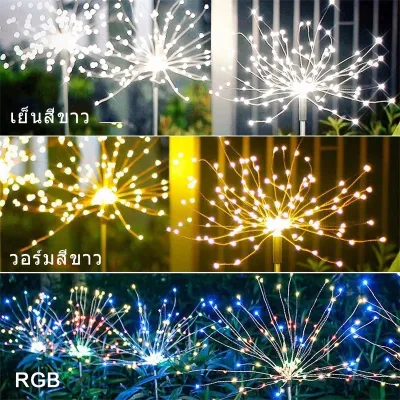
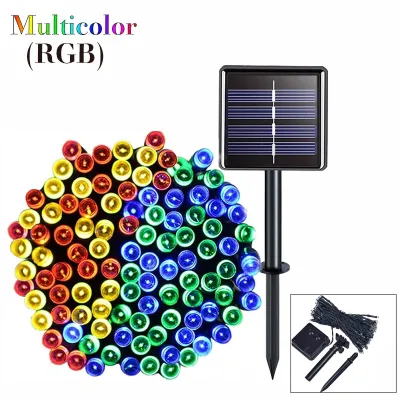
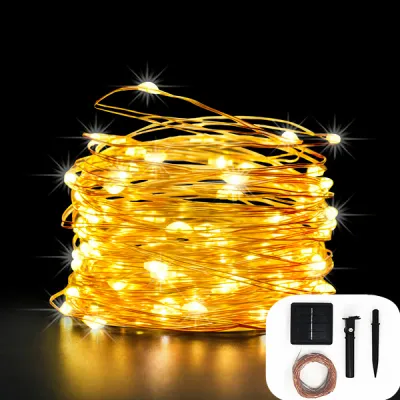
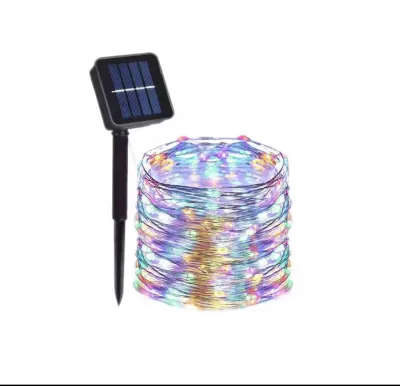
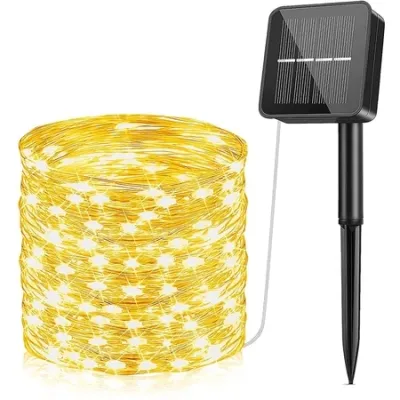
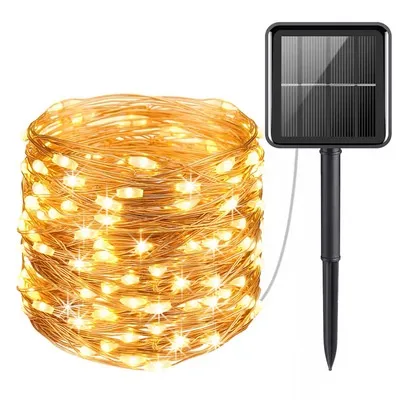
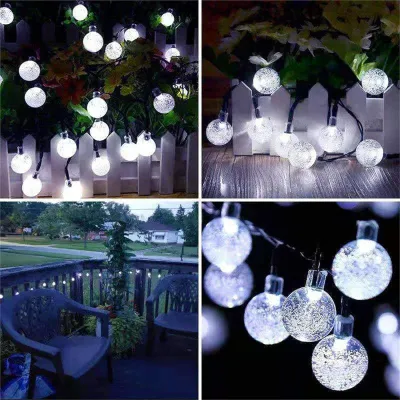
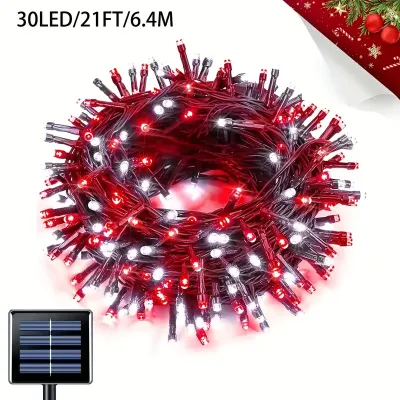
Prices are valid at publication and may change. Please refer to the product page for the latest price.
Before purchasing any outdoor lighting, consult your condominium’s property management guidelines. Many vertical communities enforce strict regulations regarding exterior modifications, drilling into concrete walls, or hanging items that alter the building’s uniform facade. Furthermore, light spill can cause friction with neighbors. Selecting low-intensity, adjustable fixtures ensures your festive display remains within your personal boundaries and does not cast an intrusive glare into adjacent units.
Key Features for Balcony Solar String Lights
Selecting the perfect outdoor solar lights requires looking beyond the festive packaging to evaluate the underlying hardware. To ensure your holiday display remains bright and functional throughout the season, you must focus on three critical performance categories: power collection efficiency, structural durability, and visual output.

It is vital to verify the product labels and manufacturer specifications before making a purchase. A simple category name on an online marketplace does not guarantee that the lights are safe or suitable for continuous outdoor use. Look for specific technical ratings, including the exact Ingress Protection (IP) level, battery capacity, and material composition, to ensure the product matches your balcony environment.
Solar Panel Placement and Cable Reach
For a solar lighting system to function effectively on a condo balcony, the solar panel must receive adequate sunlight, which can be challenging on recessed or covered balconies. Unlike ground-level gardens where panels can be staked into the soil, concrete balcony floors require alternative mounting solutions. Look for solar light kits that offer versatile mounting hardware, such as detachable wall-mount brackets, screw-on clamps, or heavy-duty zip-tie mounts that can secure the panel directly to your balcony railing.
The distance between your solar panel and the first LED bulb—known as the lead cable length—is a crucial measurement. If your balcony railing receives direct afternoon sun but your seating area is tucked away in a shaded corner, you will need a lead cable that is long enough to span that distance. Before buying, measure this gap carefully; a lead cable of at least 2 to 3 meters is generally recommended to give you the flexibility to position the panel in the sunniest spot while keeping the decorative lights exactly where you want them.
Additionally, opt for solar panels with adjustable, tilting heads. The angle of the sun changes throughout the year, and being able to tilt the panel vertically or horizontally allows you to maximize solar energy absorption without moving the entire bracket. A panel angled directly toward the sun will charge the internal battery much faster, ensuring your lights stay illuminated for hours after dusk.
Weather Resistance for Tropical Climates
The tropical climate of the Philippines introduces intense heat, high humidity, and heavy monsoon rains, which can rapidly degrade low-quality outdoor electronics. To protect your investment, always check the Ingress Protection (IP) rating on the product packaging. For balcony installations exposed to blowing rain, look for a minimum rating of IP44, which protects against water splashes. If your balcony is completely unsheltered and subjected to torrential downpours, upgrading to an IP65-rated system is highly recommended, as this level ensures complete protection against dust ingress and low-pressure water jets.
The physical construction of the wire itself plays a massive role in long-term durability. Ultra-thin copper wire lights are highly flexible and virtually invisible during the day, making them excellent for delicate railings or potted plants. However, they are more susceptible to snapping under high winds. For more exposed balconies, thicker PVC-coated or rubber-insulated cables offer superior structural integrity, resisting physical tension and UV degradation from intense tropical sunlight.
Do not forget to verify the weatherproofing of the solar panel and battery housing unit. While the LED bulbs themselves are highly resilient, the control box containing the solar cells, charging circuitry, and rechargeable battery is highly vulnerable to water ingress. Ensure the housing features a tight rubber gasket seal around the battery compartment and that the power switch is covered by a waterproof silicone boot. Choosing a system with certified electrical standards prevents short circuits and premature product failure.
Bulb Style and Color Temperature for Ambiance
The visual character of your holiday balcony depends heavily on the color temperature and style of the bulbs you select. Color temperature is measured in Kelvin (K), and for a relaxing, festive ambiance, warm white lights (ranging from 2200K to 2700K) are highly effective. Warm white mimics the soft glow of traditional incandescent bulbs, creating a cozy atmosphere that seamlessly extends your indoor living room onto the balcony. While cool white or vibrant multicolor options offer an energetic feel, they can sometimes appear harsh or clinical in confined balcony spaces.
Bulb shape and size also dictate the visual weight of your display. Micro fairy lights feature tiny LEDs embedded directly into flexible wire, offering a delicate, starry-night effect that is perfect for wrapping around railings or weaving through balcony plants. If you prefer a more structured, modern look, globe bulbs (such as G40 style) or Edison-style filament bulbs provide distinct focal points and a touch of vintage charm. Keep in mind that larger bulbs carry more physical weight and require sturdier mounting solutions.
It is also important to distinguish between ambient lighting and task lighting. Your holiday display should focus entirely on low-lumen ambient lighting designed to set a mood rather than illuminate a workspace. High-lumen lights can cause uncomfortable glare in close quarters and disturb your neighbors. Opt for low-wattage, dimmable solar options if available, allowing you to fine-tune the brightness to match the quiet evening atmosphere.
Sizing and Layout: Measuring Your Balcony Space
A successful balcony lighting setup begins with precise measurements to ensure you purchase the correct string length. Start by using a flexible measuring tape to map out the exact path your lights will follow. Measure the length of the top railing, any vertical posts, overhead beams, or the perimeters of wall-mounted trellises and potted plants where you plan to install the lights.
When calculating your total required length, you must account for the “draping factor.” If you plan to wrap the lights tightly around a railing or create a graceful, sagging swag effect, a straight-line measurement will fall short. As a general rule of thumb, add an extra 20% to 30% to your linear measurement for gentle swags, and double the measurement (100% extra) if you plan to wrap a railing tightly with closely spaced coils. Having a bit of excess wire is always easier to manage than running out of lights a few feet before the end of the railing.
For a standard condo balcony measuring roughly 2 to 3 meters in width, a single string of 10 to 15 meters is usually sufficient to cover the main railing with a beautiful, dense glow. Avoid the temptation to daisy-chain multiple solar light strings together. Unlike plug-in lights, solar string lights are engineered to operate within the specific current and voltage limits of their dedicated solar panel and battery pack. Connecting multiple strings to a single panel will overload the system, resulting in extremely dim lights or complete circuit failure. If you need more coverage, install separate, independent solar light sets, each with its own dedicated panel.
Damage-Free Installation and Property Compliance
Because most condo associations prohibit permanent alterations to the building’s exterior, damage-free installation is paramount. Avoid drilling into concrete walls, stucco, or metal railings, which can void warranties, cause structural damage, or lead to fines from property management. Instead, utilize temporary, renter-friendly mounting solutions. Heavy-duty outdoor adhesive hooks are ideal for smooth surfaces, while UV-resistant plastic zip ties and specialized railing clips are perfect for securing wires to metal balcony balusters without leaving a trace.
High-rise balconies are frequently subjected to strong gusts of wind, especially during afternoon rainstorms. Securing your solar panel safely is critical to prevent it from becoming a falling hazard. Never simply rest the panel on a ledge or railing. Use sturdy zip ties or adjustable clamps to lock the panel’s mounting bracket firmly to the structural railing. If using a ground stake, secure it inside a heavy, soil-filled planter pot to weigh it down against the wind.
Proper cable management is also essential for both safety and longevity. Keep all wires tucked neatly against the railings or walls to eliminate tripping hazards in your limited balcony space. Use cable clips to prevent the wires from rubbing repeatedly against rough concrete or metal edges, as constant friction from the wind can wear away the waterproof protective coating and expose the live copper wires to moisture. Lastly, position your lights so they point slightly inward or downward, or use frosted bulb diffusers to minimize light spill into neighboring units, ensuring your festive cheer remains a welcome sight rather than a community nuisance.
For any permanent installations, work at height, or integrations with fixed building wiring, always isolate the power source, follow the manufacturer’s installation instructions, and consult a qualified professional to ensure safety.
Maintaining Solar Lights in Humid Conditions
To keep your solar Christmas lights performing optimally throughout the holiday season and beyond, a simple maintenance routine is highly recommended. In humid tropical environments, airborne dust, pollen, and hard water spots from heavy rains can quickly accumulate on the surface of your solar panel. This thin film of grime blocks sunlight, drastically reducing the panel’s charging efficiency and leaving your lights dim or short-lived at night. Every few weeks, gently wipe the solar panel glass with a soft, damp microfiber cloth. Avoid using harsh chemical cleaners or abrasive pads, which can scratch the protective coating and permanently reduce solar transmission.
Periodically perform a quick visual inspection of your entire lighting setup. Check for any signs of moisture buildup inside the individual bulb housings or within the solar panel’s battery compartment. If you notice condensation, turn off the power, disconnect the system, and allow it to dry completely in a shaded, well-ventilated area before turning it back on.
Once the holiday season comes to an end, proper storage is vital to preserve the lifespan of the internal rechargeable batteries. Do not leave the lights outside indefinitely if they are not in use. Carefully untangle and coil the wires, and store the entire system in a dry, climate-controlled indoor space. Storing the lights in high-humidity or high-heat environments can cause the rechargeable batteries to leak or degrade rapidly, preventing them from holding a charge when you bring them out again next year.
Frequently Asked Questions (FAQ)
This quick-reference guide addresses common questions about optimizing solar-powered holiday lighting in high-rise environments.
Do solar Christmas lights work on shaded or north-facing balconies?
Solar panels require direct, unobstructed sunlight to charge their internal batteries fully. If your balcony is north-facing, deeply recessed, or heavily shaded by neighboring buildings, a standard solar panel will struggle to collect enough energy, resulting in very dim lights or a run-time of only an hour or two. If you cannot position the solar panel in a spot that receives at least four to six hours of direct sunlight daily, consider alternative lighting options. High-efficiency USB-rechargeable string lights or battery-operated LED sets equipped with automatic daily timers are excellent alternatives that deliver reliable holiday ambiance without relying on solar exposure.
Can I leave solar string lights outside all year round?
While high-quality outdoor solar lights are built to resist seasonal weather, leaving them exposed to the elements year-round is not recommended. Continuous exposure to intense tropical UV rays, high humidity, and heavy monsoon seasons will gradually degrade the plastic wire coatings, yellow the solar panel’s protective cover, and shorten the lifespan of the internal rechargeable batteries. To maximize the value of your lights, it is best to take them down after the holiday season, clean them thoroughly, and store them indoors. Reserving their use for seasonal displays ensures the materials remain intact and the electrical components function perfectly for many years to come.

Community discussion
Share your experience or ask a question. Comments are reviewed before publication.