
To choose the best solar Christmas lights for outdoor use, you must prioritize weatherproofing (specifically looking for an IP65 rating or higher), solar panel efficiency to handle seasonal cloud cover, and battery capacity that matches the number of LEDs. Because these lights rely entirely on the sun and must withstand outdoor elements like heavy tropical rains and high humidity, focusing on durable construction and realistic performance specifications ensures your holiday display stays bright throughout the night.
Understanding Waterproof and Weather Resistance Ratings
Outdoor holiday decorations in tropical climates must endure intense downpours, high humidity, and heat. When evaluating solar string lights, the Ingress Protection (IP) rating is your primary indicator of environmental resistance.
For reliable outdoor seasonal use, look for products rated at least IP65, which indicates the lights are dust-tight and protected against water jets. If your installation area is prone to temporary pooling water or extreme storms, upgrading to IP67-rated lights provides protection against temporary immersion. Avoid lower ratings like IP44 for fully exposed garden areas, as they are only splash-proof and may fail during heavy tropical downpours.
Products mentioned in this guide
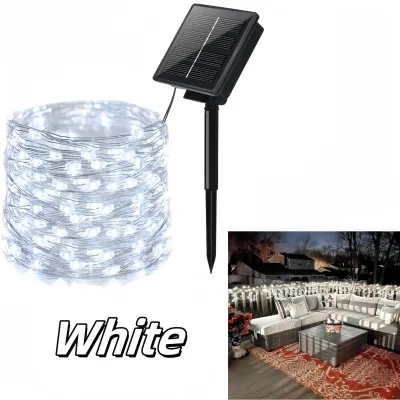
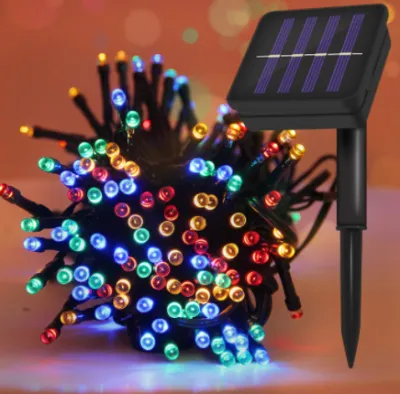
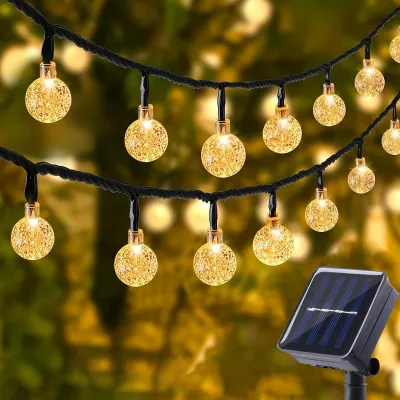
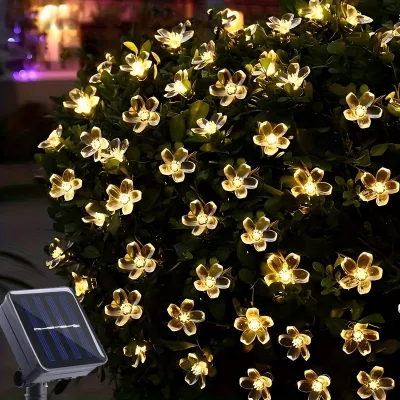
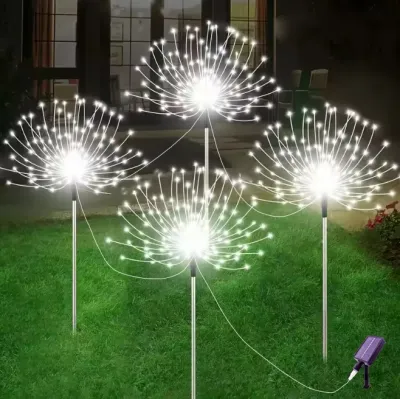
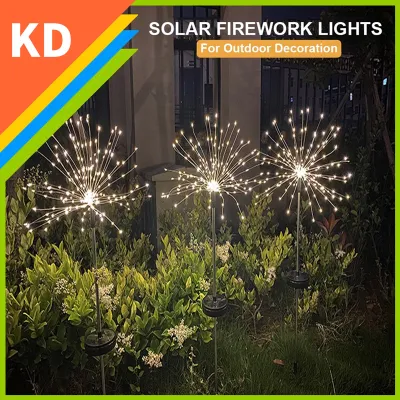
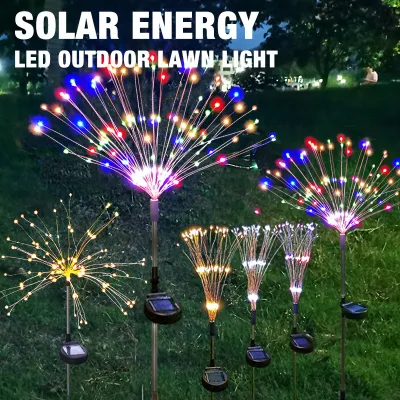
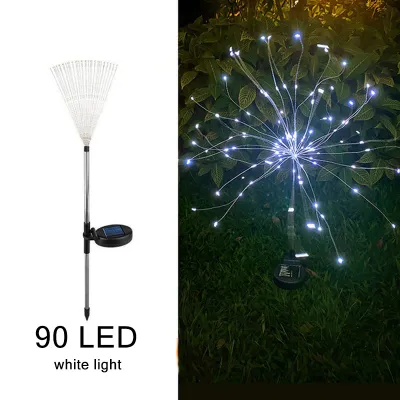
Prices are valid at publication and may change. Please refer to the product page for the latest price.
It is crucial to distinguish between the waterproof rating of the LED string itself and that of the solar panel or battery box. Often, manufacturers use highly sealed materials for the light bulbs but house the controls in a lower-grade plastic enclosure. Before purchasing, verify that both components carry an outdoor-ready rating.
Before hanging your lights, perform a physical inspection of the build quality. Check that the joints between the wires and the light sockets are tightly sealed with heat-shrink tubing or molded plastic. Inspect the battery compartment to ensure it features a thick rubber gasket and that the cable entry points are reinforced with flexible strain-relief boots to prevent water from seeping into the internal electronics.
Evaluating Solar Panel Efficiency and Battery Capacity
Solar Christmas lights depend entirely on the energy they harvest during the day, making the solar panel type and battery capacity critical to their performance. In regions with unpredictable tropical weather, afternoon rain clouds can significantly limit the amount of direct sunlight your setup receives.

You will encounter two types of solar panels: monocrystalline and polycrystalline. Monocrystalline panels are made from single-crystal silicon, giving them higher energy conversion efficiency, especially in low-light or overcast conditions. Polycrystalline panels, recognizable by their speckled blue look, are more economical but require longer exposure to direct, unobstructed sunlight to achieve a full charge. For reliable holiday lighting during rainy seasons, monocrystalline panels are highly recommended.
Battery capacity, measured in milliampere-hours (mAh), must be balanced with the total number of LEDs on the string. A high LED count on a small-capacity battery will drain the stored power quickly, resulting in dim lights that turn off shortly after dusk. Look for specifications that detail the battery capacity and compare it to the length of the string; a longer string with more bulbs naturally requires a larger battery to maintain consistent brightness.
Be cautious of marketing claims promising multiple days of continuous runtime on a single charge. In real-world tropical conditions, high humidity and cloud cover will affect charging efficiency. Instead of relying on maximum runtime estimates, focus on placing the panel where it can receive maximum daily exposure and verify that the battery is replaceable so you can swap it out if performance degrades over several seasons.
Choosing the Right Light Specifications and Modes
Selecting the right light specifications involves balancing your aesthetic preferences with the practical energy constraints of a solar-powered system. The color temperature of your LEDs sets the mood for your outdoor space. Warm white lights (around 2700K to 3000K) create a cozy, traditional holiday atmosphere, while cool white lights (5000K and above) offer a bright, modern look with higher perceived visibility. Multicolor strings add a festive, playful energy but may vary in individual bulb brightness depending on the color mix.
When planning your layout, consider the relationship between the LED count, total string length, and light density. If you plan to wrap tree trunks or dense columns, you will need a higher density of bulbs per meter to achieve a full, vibrant look. For draping along fences or rooflines, a lower density with longer wire lengths may suffice. Always measure your outdoor structures before buying to ensure the wire length is adequate without putting physical tension on the connections.
The operating mode you select also directly impacts battery consumption. Steady-on modes keep all LEDs illuminated continuously, which drains the battery at the fastest rate. Flashing, fading, or twinkling modes cycle the lights on and off rapidly, reducing the overall power draw and extending the nightly runtime. Utilizing these dynamic modes is an effective way to preserve battery life on overcast days when the solar panel cannot reach a full charge.
Installation Constraints and Safety Checks
Proper installation is essential to maximize the lifespan of your solar lights and ensure safe operation. The solar panel must be mounted in a location that receives unobstructed, direct sunlight for the majority of the day. Avoid placing the panel under roof eaves, dense tree canopies, or near outdoor utility lights that could trick the automatic light sensor into thinking it is still daytime. Angle the panel toward the sun’s path to optimize energy collection.
Safety should always be your top priority when installing temporary outdoor wiring. Never attach solar string lights to active electrical service drop lines, utility poles, or load-bearing structural elements that require regular maintenance access. If your installation requires working at heights or routing wires near metal gutters, ensure the power is completely isolated if you are connecting to any hybrid indoor-outdoor systems. Use insulated plastic clips or zip ties rather than metal staples or nails, which can easily pinch and damage the wire insulation, creating a short-circuit hazard in wet weather.
Additionally, check the manufacturer’s instructions regarding daisy-chaining or connecting multiple strings together. Most low-voltage solar light systems are designed as closed circuits with a specific voltage limit matched to their dedicated solar panel. Attempting to splice or connect multiple strings to a single solar panel can cause a severe voltage drop, resulting in extremely dim lights, overheating of the control box, or voiding the product warranty.
Simplifying Your Decision: Specs That Matter Less
When shopping on an online marketplace, it is easy to get overwhelmed by complex product listings. To simplify your decision, learn to filter out marketing hype that does not affect real-world performance. For instance, exaggerated lumen claims for decorative string lights are often misleading. Unlike functional floodlights, Christmas string lights are designed for ambient decoration, so ultra-high brightness ratings are rarely standardized or necessary for a beautiful display.
You should also look past elaborate packaging descriptions and focus instead on the core electrical specifications printed on the product label or manual. Certifications from recognized testing bodies provide much more assurance of safety and build quality than vague claims of “heavy-duty” or “premium” construction.
Finally, consider whether advanced smart features, such as Bluetooth app controls or complex programming schedules, are truly necessary for your setup. While convenient, these features introduce additional points of failure and increase the standby power drain on the battery. For basic, temporary seasonal decorations, a simple automatic dusk-to-dawn sensor is usually the most reliable and cost-effective choice.
Frequently Asked Questions (FAQ)
Can I leave solar Christmas lights outside during heavy rain?
Yes, provided the lights and the solar panel carry an IP65 rating or higher. However, during severe tropical storms or typhoons, it is best to temporarily take down and store the lights indoors. Extreme winds can tear the wires from their mountings, and prolonged exposure to torrential downpours can test the limits of even high-quality waterproof seals.
Why do my solar lights turn off before midnight?
This is typically caused by insufficient daytime sunlight, which prevents the battery from fully charging. Check that the solar panel is clean and free of dust, leaves, or shadows from nearby structures. If the panel is clean and well-positioned, the issue may be a degrading rechargeable battery that can no longer hold a full charge, which is common after a year or two of continuous outdoor use.
Do I need to turn off the switch every day?
No, you do not need to manually turn the switch off daily. Solar Christmas lights feature built-in light sensors that automatically turn the LEDs on at dusk and off at dawn. You only need to use the manual switch to turn the system completely off when storing the lights for the season or when performing maintenance on the string.

Community discussion
Share your experience or ask a question. Comments are reviewed before publication.