
Solar curtain Christmas lights offer a convenient, wire-free way to illuminate outdoor spaces for the holidays, eliminating the need to run extension cords across your yard or balcony. However, because these fixtures are exposed to the elements and rely entirely on solar charging, selecting the right set requires careful attention to technical specifications and build quality. This guide provides a structured evaluation framework to help you assess dimensions, weatherproofing, and power efficiency, ensuring you choose a reliable lighting setup for your outdoor decoration.
When planning your outdoor holiday display, the appeal of solar-powered curtain lights lies in their self-sustaining design. By capturing sunlight during the day and converting it into electrical energy, these systems bypass the need for outdoor electrical outlets, which are often scarce or poorly positioned. This independence from the main grid simplifies the setup process, allowing you to decorate remote garden structures, perimeter fences, or high balconies without trailing unsightly and potentially hazardous extension cables across wet lawns or walkways.
However, the outdoor environment presents unique challenges that can quickly degrade low-quality solar lighting. High humidity, intense tropical sunlight, and sudden heavy downpours can compromise poorly sealed electronics, leading to premature failure or diminished brightness. To ensure your festive display remains vibrant throughout the holiday season, you must look beyond aesthetic appeal and evaluate the underlying technical specifications, material durability, and installation requirements of each lighting system.
Products mentioned in this guide
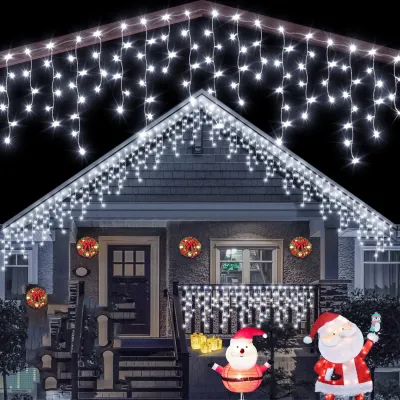
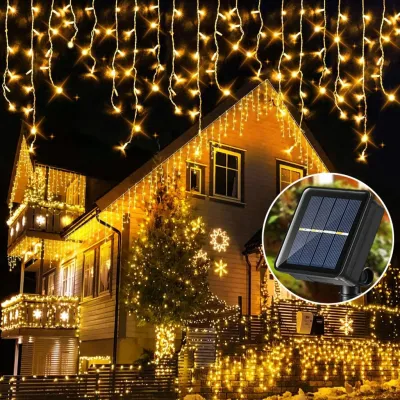
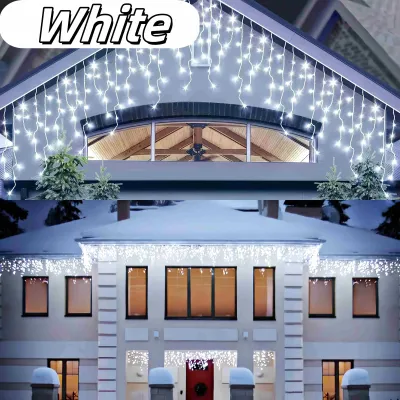
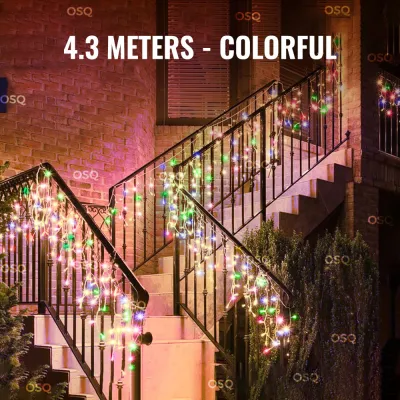
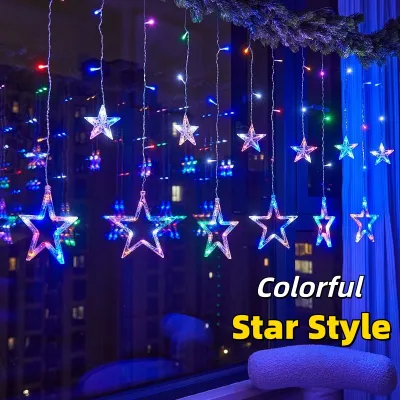
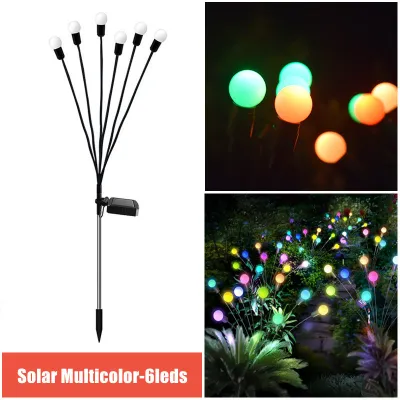
Prices are valid at publication and may change. Please refer to the product page for the latest price.
Decoding Technical Specs for Coverage and Power
To achieve a balanced and visually striking outdoor display, you must first decode the physical dimensions and power specifications of the solar curtain lights. Unlike standard string lights, curtain lights consist of a main horizontal support cable from which multiple vertical light strands drop down at regular intervals. When evaluating physical dimensions, measure the exact width of the area you intend to cover, such as a window frame, a balcony railing, or a garden pergola, and compare this against the stated width of the main horizontal string.
The drop length of the vertical strands is equally critical, as strands that are too short will leave gaps, while excessively long strands may drag on damp ground, increasing the risk of moisture ingress or physical damage. Additionally, check the total LED count and the spacing between individual drops; a higher density of LEDs generally provides a more continuous sheet of light, whereas sparse spacing can result in a patchy, less cohesive appearance.
Beyond physical dimensions, the performance of your outdoor display depends heavily on the solar panel’s wattage and the capacity of the integrated battery. Look for specifications detailing the solar panel type, with monocrystalline panels generally offering higher energy conversion efficiency in limited space compared to polycrystalline alternatives. The battery capacity, typically measured in milliampere-hours (mAh), indicates how much electrical energy the system can store; a larger capacity battery is essential for sustaining illumination through extended periods of darkness or during consecutive overcast days.
To gauge the practical reliability of a solar lighting system, compare the manufacturer’s estimated charging time against the advertised working time under realistic conditions. In tropical climates, while daytime sunlight can be intense, seasonal cloud cover and afternoon rainstorms can significantly reduce the actual solar energy captured. A system that requires eight hours of direct, unobstructed sunlight to provide only four hours of illumination may struggle to perform consistently during the rainy season, making it necessary to select systems with optimized power-consumption profiles or larger solar collectors.
Verifying Weather Resistance and Outdoor Safety
Operating electrical fixtures outdoors requires strict adherence to safety standards and weatherproofing verifications to prevent short circuits, corrosion, and electrical hazards. The primary indicator of a fixture’s ability to withstand environmental moisture and dust is its Ingress Protection (IP) rating, which is typically printed on the product packaging or technical datasheet. For outdoor holiday displays, both the light string and the solar panel unit must carry an appropriate rating, with IP44 representing the minimum standard for splash resistance, while IP65 or higher is recommended for areas fully exposed to heavy tropical downpours.

Inspect the construction materials of the cables and connector seals, as these components are subjected to constant UV exposure and temperature fluctuations that can cause cheap plastics to crack and degrade. Look for heavy-duty insulation materials, such as thick PVC or rubberized cabling, which resist UV degradation and maintain flexibility in varying weather conditions. The connection points between the light strands and the solar panel controller must feature threaded, watertight collar seals with rubber O-rings to prevent moisture from seeping into the electrical contacts.
When planning your installation, establish clear safety boundaries to protect the equipment and ensure safe operation. Position the solar panel and its integrated battery housing well above ground level, utilizing mounting stakes, wall mounts, or gutter clips to keep the sensitive electronics away from areas where water might pool during heavy rain. If your installation requires working at heights, such as hanging lights from high eaves or second-story balconies, always use stable, non-conductive ladders and secure the light strings firmly to prevent wind damage.
It is vital to remember that solar curtain lights operate on low-voltage direct current (DC) power supplied by the battery, which is inherently safer than mains voltage; however, you must never attempt to splice, cut, or modify the fixed wiring of the system to connect it directly to household alternating current (AC) power. Any integration with existing household electrical systems or fixed outdoor wiring must be performed in accordance with local electrical codes, and if you are unsure about the electrical safety of your setup, consult a qualified professional to avoid fire hazards or electrical shocks. Additionally, verify that the system carries recognized electrical safety certifications, confirming that the low-voltage DC components have been tested for safe outdoor operation.
Choosing Light Effects and Control Features
Selecting the appropriate visual effects and control mechanisms allows you to tailor the holiday display to your specific aesthetic preferences and functional needs. Color temperature is a key visual consideration, with warm white LEDs (typically around 2700K to 3000K) offering a soft, traditional glow that complements classic holiday decor, while cool white LEDs (5000K to 6500K) provide a bright, modern, and crisp appearance. Multicolor options, featuring alternating red, green, blue, and yellow diodes, are highly suited for festive, high-energy displays, but the choice remains a matter of personal preference and should harmonize with your existing outdoor landscaping.
Modern solar curtain lights often feature multiple operating modes, such as steady-on, slow fade, sequential, and twinkling patterns, which can be adjusted to create different visual dynamics. When evaluating these features, verify whether the solar controller includes an integrated memory function; without a memory chip, the controller may default to a pre-programmed demo mode every time the system powers on, forcing you to manually cycle through the settings each evening to find your preferred pattern. Check the interface type of the connectors and whether the dimming method is controlled via a physical button on the panel or a wireless remote.
The operational convenience of your lighting setup is also influenced by the control interface and sensor integration. Many systems include infrared or radio-frequency remote controls, allowing you to adjust settings, dim the lights, or set timers from a distance; however, you should check the effective range of these remotes, especially if the solar panel is mounted high on a roofline or deep within a garden bed. Additionally, ensure the built-in dusk-to-dawn sensor is positioned where it can accurately detect ambient light levels, enabling the system to turn on automatically at nightfall and shut off at sunrise without manual intervention.
Building Your Shortlist and Pre-Purchase Checklist
Before finalizing your purchase from an online marketplace or local retail store, compiling a structured checklist will help you verify product claims and avoid common performance pitfalls. Start by cross-referencing the official product descriptions with independent user reviews, paying close attention to feedback regarding actual battery life, real-world brightness, and individual LED failure rates. Manufacturers often present performance figures based on ideal laboratory conditions, so reading user experiences from similar tropical climates can provide a more realistic expectation of how the lights will perform in your yard. When comparing options on an online marketplace, look for products that offer a reliable balance of features within your target budget, which often ranges from ₱500 to ₱2,500 depending on the size and build quality.
Carefully review the warranty terms and return policies offered by the seller or manufacturer, specifically checking for coverage against defective solar panels, faulty control chips, or dead LEDs upon arrival. A reliable warranty provides recourse if the product suffers from manufacturing defects or fails prematurely after the first heavy rainstorm of the season. Ensure that you understand the process for filing a claim, including whether you need to retain the original packaging or provide photographic evidence of the malfunction.
Finally, confirm the complete package contents to ensure you have all the necessary hardware for a successful installation without needing to make separate purchases. A complete kit should include the LED curtain light string, the solar panel assembly, a ground mounting stake, wall-mounting brackets, and a sufficiently long lead cable connecting the solar panel to the first drop of the curtain. This lead cable is crucial, as it allows you to position the solar panel in an area of maximum sunlight exposure while keeping the decorative curtain lights shaded under an awning, porch, or pergola.
Frequently Asked Questions (FAQ)
Can I leave solar curtain lights outside during heavy rain or storms?
While high-quality solar curtain lights with IP65 or higher ratings are designed to withstand standard rain, extreme tropical storms, typhoons, or localized flooding can exceed the sealing capabilities of the protective housings. During severe weather events characterized by high winds and torrential downpours, the physical force of the wind can tear the delicate vertical strands, and rising water levels can submerge the solar panel or battery compartment. To prevent permanent water damage and physical tearing, it is highly recommended to temporarily take down the light strings and store the solar panel unit in a dry, indoor location until the storm passes.
Why do my solar curtain lights turn on during the day?
If your solar curtain lights illuminate during daylight hours, the built-in dusk-to-dawn sensor is likely detecting a level of darkness that triggers the automatic power-on function. This issue commonly occurs when the solar panel is positioned in a heavily shaded area, such as under dense tree canopies, roof eaves, or thick porch awnings, which blocks natural daylight from reaching the sensor. To resolve this, reposition the solar panel to a location that receives direct, unobstructed sunlight throughout the day, and ensure the sensor surface is clean and free from dirt, fallen leaves, or debris that could mimic nighttime conditions.

Community discussion
Share your experience or ask a question. Comments are reviewed before publication.