
Outdoor holiday decorating in the tropical climate of the Philippines brings unique challenges like high humidity, heavy seasonal rains, and intense sunlight. Solar curtain lights offer an energy-efficient, wire-free way to drape walls, fences, or balconies with festive illumination. However, selecting the right set requires looking beyond aesthetics to evaluate technical specifications that ensure survival in tropical outdoor environments. By focusing on weatherproofing, battery capacity, and physical dimensions, you can find a durable lighting setup that keeps your home glowing throughout the festive season.
Key Specifications to Evaluate for Outdoor Solar Curtain Lights
Before browsing online marketplaces, measure the exact width and height of the space you plan to decorate. Curtain lights are defined by their horizontal width and the vertical drop length of the individual light strands. If your balcony railing is three meters wide, buying a two-meter set will leave awkward gaps, while an oversized set might bunch up and look untidy.
Evaluating the spacing of the vertical strands and the density of the LED bulbs is crucial for achieving your desired visual effect. High-density sets feature strands spaced about 10 to 15 centimeters apart, creating a solid wall of light. Lower-density options might space strands 30 centimeters apart, which offers a more subtle, twinkling effect. While basic sets may start around ₱400 on online marketplaces, investing in a durable, weather-resistant model is more cost-effective in the long run.
Products mentioned in this guide
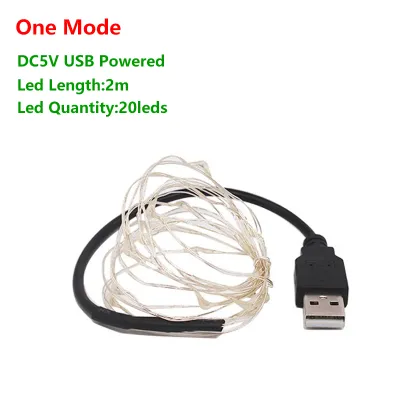
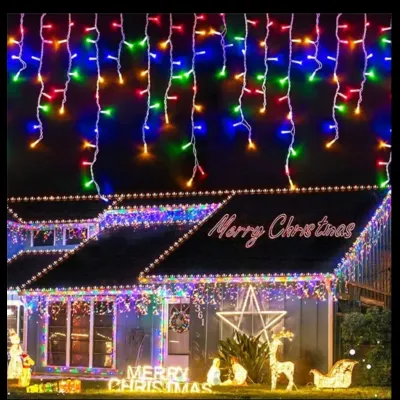
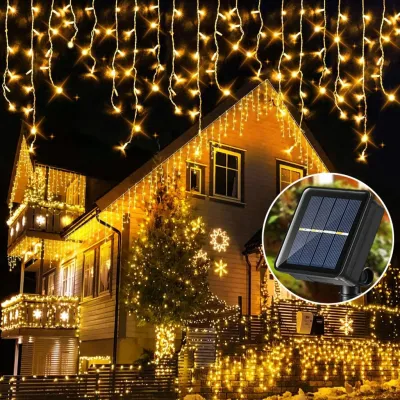
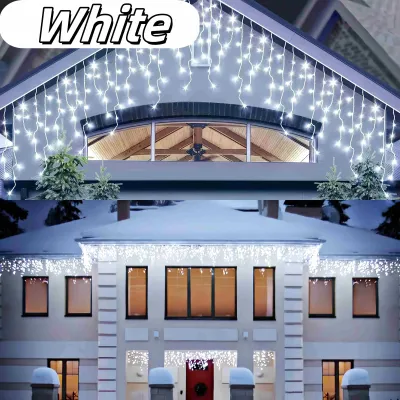
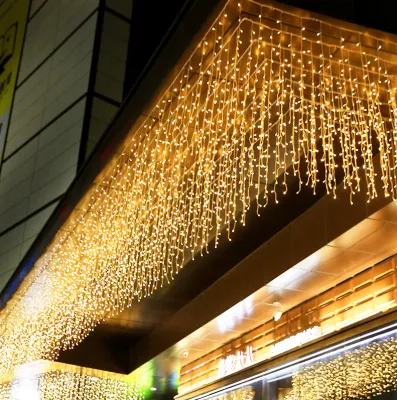
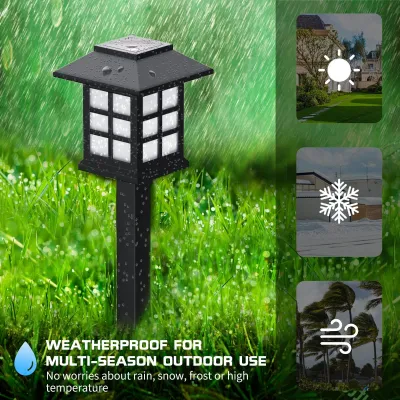
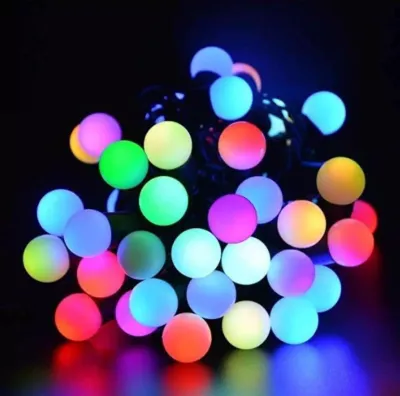
Prices are valid at publication and may change. Please refer to the product page for the latest price.
One of the most overlooked specifications is the length of the lead wire, which is the unlit segment of cable running from the solar panel to the first strand of lights. Because the solar panel must be placed in an area that receives direct sunlight, a short lead wire limits your installation options. Look for a lead wire of at least two to three meters so you can mount the panel on a sunny roofline or garden stake while hanging the curtain lights under a shaded porch or awning.
Although solar-powered lights operate on low-voltage direct current (DC) supplied by an integrated battery, build quality still matters. Check the manufacturer specifications for electrical safety certifications. High-quality sets will clearly state their operating voltage and wattage limits, ensuring the internal wiring is rated to handle the current without overheating or short-circuiting during prolonged use.
Essential Features for Weather Resistance and Durability
Outdoor lights must withstand environmental elements, and the Ingress Protection (IP) rating is the standard measure of this resistance. The rating consists of two numbers: the first indicates protection against solid objects like dust, and the second indicates protection against liquids. For outdoor holiday decorations exposed to the elements, do not settle for anything less than an IP44 rating, which protects against splashing water from any direction.

In regions prone to heavy tropical downpours and high humidity, opting for an IP65 or IP67 rating provides much greater peace of mind. An IP65-rated light set is completely dust-tight and can withstand low-pressure water jets, meaning it will survive intense seasonal rainstorms without water leaking into the bulb casings or the control box.
The durability of the wire itself is just as important as the bulbs. Cheap copper wires wrapped in thin, brittle plastic will quickly degrade under intense tropical sunlight and heat. Look for curtain lights made with thick, UV-resistant PVC or heavy-duty rubberized insulation. These materials resist cracking, peeling, and stiffening, preventing exposed copper wires from causing short circuits or electrical hazards.
The weakest points in any outdoor lighting system are the connections. Examine the joint where the light string plugs into the solar panel controller. Quality outdoor lights feature threaded, screw-together connectors equipped with a rubber O-ring or gasket to create a watertight seal. Avoid sets that use simple push-fit connectors without any protective sleeve, as moisture will inevitably seep in and corrode the metal contacts.
Solar Panel and Battery Performance Considerations
The type of solar panel included with your curtain lights directly affects how quickly the battery charges. Monocrystalline panels are made from a single crystal structure and are highly efficient, meaning they can generate more power even on overcast or rainy days. Polycrystalline panels are more affordable but have lower conversion rates, requiring longer exposure to bright, direct sunlight to achieve a full charge.
The energy collected by the solar panel is stored in a rechargeable battery, typically housed inside the panel casing. Look for the battery capacity specified in milliampere-hours (mAh). A higher capacity, such as 1200mAh or 2000mAh, allows the lights to run for eight to twelve hours on a single charge. Additionally, verify the battery chemistry; Lithium-ion (Li-ion) batteries generally offer better longevity and faster charging cycles compared to older Nickel-Metal Hydride (NiMH) alternatives.
To get the most out of your solar lights, the panel must be positioned where it receives unobstructed sunlight for at least six hours a day. In the Philippines, this means avoiding areas shaded by large trees, roof overhangs, or neighboring buildings. Many solar panels come with adjustable brackets or ground stakes, allowing you to tilt the panel at an angle that maximizes sun exposure throughout the day.
Over time, all rechargeable batteries degrade and lose their ability to hold a charge, usually after one or two years of daily use. When choosing a solar curtain light set, check if the battery compartment can be easily opened with standard screws. Choosing a model with a user-replaceable battery allows you to swap out the old cell for a new one, saving you from having to discard the entire light set when the battery eventually wears out.
Lighting Modes and Aesthetic Adjustments
Solar curtain lights often come with multiple pre-programmed lighting modes, ranging from steady-on and slow fade to rapid flashing and sequential waves. These modes allow you to customize the visual atmosphere of your outdoor space. While a steady-on mode offers a classic, elegant look, dynamic flashing modes can add a playful, energetic vibe to a holiday party.
Most solar light sets feature a mode selection button on the back of the solar panel itself. However, if your panel is mounted high up on a gutter or roofline, changing the settings manually can be difficult and unsafe. Look for models that include an infrared (IR) or radio frequency (RF) remote control. RF remotes are particularly useful because they do not require a direct line of sight and can operate through walls, allowing you to adjust the lights from inside your home.
The color temperature of the LEDs is a matter of personal preference but significantly influences the mood of your outdoor decor. Warm white lights (around 2700K to 3000K) emit a soft, golden glow that feels cozy and inviting. Cool white lights (5000K to 6500K) produce a bright, crisp, ice-like illumination that stands out from a distance. Multicolor options provide a festive, vibrant display that is highly popular during the Christmas season.
Some advanced solar controllers feature dimming options and a built-in memory chip. Dimming the lights to 50% or 75% brightness is an excellent strategy to extend the battery life on cloudy days when the panel did not receive a full charge. A memory function ensures that the lights automatically turn on in your preferred mode every night, sparing you from having to cycle through all the settings manually each time they power up.
Installation and Safety Checks Before Mounting
Before beginning any outdoor installation, especially when working at heights or near existing electrical fixtures, prioritize safety. Ensure that any nearby mains-powered outdoor outlets or fixtures are switched off. If you need to use a ladder to reach high gutters or balconies, make sure it is placed on flat, stable ground and have a second person spot you to prevent falls. For complex setups involving high-voltage integration, permanent outdoor wiring, or mounting at extreme heights, always isolate the main power supply and consult a qualified professional to ensure compliance with local electrical codes.
It is highly recommended to test your solar curtain lights on the ground before hanging them up. Unbox the set carefully and unravel the strands on a clean, flat surface to avoid tangles. Cover the solar panel completely with a piece of cardboard or your hand to simulate darkness, then turn the power switch on. Verify that every vertical drop lights up and that the mode controller functions correctly before spending time mounting the set.
To protect both your home and the light wires, avoid using metal nails, staples, or tacks that can pinch or cut through the protective insulation. Instead, use outdoor-rated plastic gutter hooks, zip ties, or weather-resistant adhesive clips. These fasteners hold the wires securely without causing damage, and they make taking down the decorations at the end of the holiday season much easier.
Curtain lights present a large surface area that can act like a sail during strong winds. Ensure that the top horizontal cable is anchored securely at multiple points to distribute the weight and prevent sagging. The solar panel itself must be bolted to a wall or staked deeply into the ground. If a tropical storm or typhoon is forecasted, it is best to temporarily take down the lights to prevent wind damage or water intrusion.
Frequently Asked Questions (FAQ)
How do I clean the solar panel to maintain charging efficiency?
To keep your solar panel operating at peak efficiency, clean it regularly to remove dust, pollen, bird droppings, and salt residue if you live near the coast. Use a soft, damp microfiber cloth and plain water to gently wipe the surface. Avoid using harsh chemical cleaners, abrasive scrubbing pads, or dish soap, as these can scratch or degrade the protective plastic coating on the panel. Scratches scatter sunlight and permanently reduce the panel’s ability to charge the battery.
Why do the lights turn on during the day or fail to turn on at night?
This issue is almost always related to the light sensor built into the solar panel. The sensor detects ambient light levels to determine when to turn the LEDs on. If your lights turn on during the day, the solar panel might be positioned in a deep, dark shadow that mimics nighttime. If they fail to turn on at night, check if there is an external light source, such as a streetlamp, security floodlight, or porch light, shining directly onto the panel. Relocating the panel to a darker spot will resolve this issue.
Can I extend the wire between the solar panel and the curtain lights?
Cutting and splicing the low-voltage wire to extend its length is not recommended. Doing so voids the manufacturer’s warranty and introduces a high risk of water leakage, which can cause short circuits and ruin the electronics. If you need a longer distance between your solar panel and the first light strand, look for manufacturers that sell dedicated, waterproof extension cables. These cables feature pre-molded, threaded male and female connectors with rubber gaskets that maintain the waterproof integrity of your lighting system.

Community discussion
Share your experience or ask a question. Comments are reviewed before publication.