
Decorating outdoor spaces in the Philippines with solar-powered fairy lights is an excellent way to create an inviting, magical ambiance without increasing your monthly electricity bill. Whether you want to illuminate a cozy balcony in Manila, drape a garden fence in Cavite, or wrap coconut palms at a beach resort in La Union, solar lighting offers a flexible and eco-friendly solution. However, the tropical climate presents unique challenges, including intense heat, high humidity, and heavy seasonal rainfall. Choosing the right set of lights requires looking beyond aesthetics to evaluate how well the components can withstand these environmental demands.
To find the most reliable solar fairy lights for your outdoor setup, you must focus on key technical specifications, material durability, and proper installation practices. Instead of relying on generic product descriptions or universal performance claims, a systematic approach to evaluating weatherproofing, battery capacity, and solar panel efficiency will ensure your lights remain bright and functional throughout the year. This guide breaks down the essential factors to consider, helping you make an informed decision that matches your specific decorative goals and local environmental conditions.
Essential Features to Check Before Buying
Before purchasing any outdoor solar fairy lights, it is crucial to verify their technical specifications to ensure they can perform reliably in your specific installation environment. The first aspect to evaluate is the light output, which is determined by the lumen rating, LED count, and light distribution. Lumens measure the total amount of visible light emitted by a source. For subtle, decorative accent lighting, a lower lumen output per bulb is usually sufficient, whereas illuminating a larger pathway or dining area requires a higher density of LEDs with greater lumen ratings. Check the product packaging or manufacturer specification sheet to confirm the total LED count and how the light is distributed along the string, as a higher concentration of bulbs will provide a more continuous glow.
Products mentioned in this guide
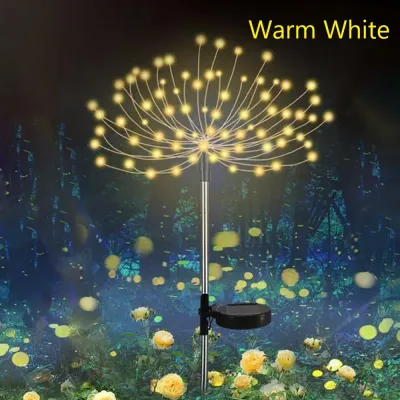
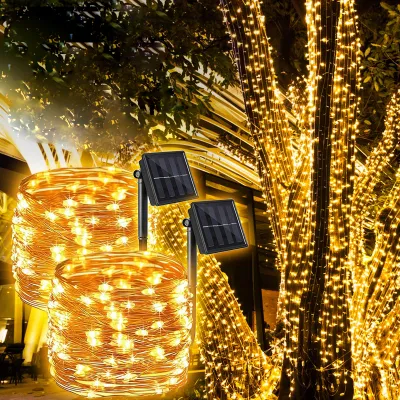
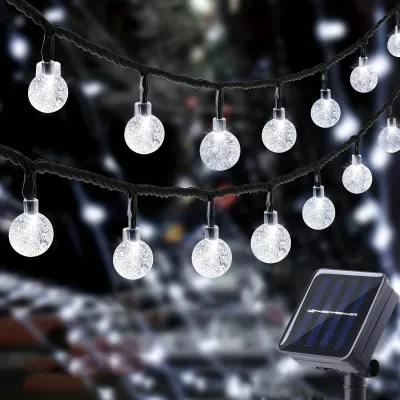
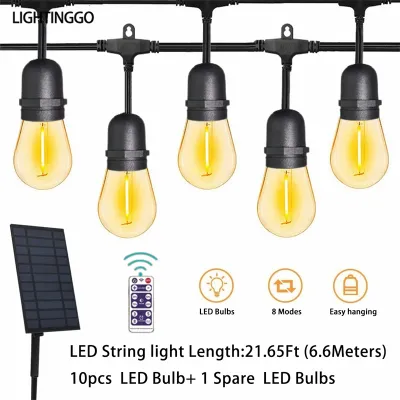
Prices are valid at publication and may change. Please refer to the product page for the latest price.
Battery capacity and expected runtime are equally important, especially during the shorter days or overcast periods of the wet season. Look for the battery capacity specified in milliampere-hours (mAh) on the product label. A larger capacity battery can store more electrical energy generated during the day, allowing the lights to operate longer into the night. However, the actual runtime is highly dependent on the amount of direct sunlight the solar panel receives. When comparing options, verify the estimated charging time versus the operating hours under optimal conditions, keeping in mind that these figures represent maximum performance under clear skies.
Given the heavy downpours and high humidity common in the Philippines, verifying the Ingress Protection (IP) rating is a critical safety and durability step. The IP rating consists of two digits: the first indicates protection against solid objects like dust, and the second indicates protection against liquids. For fully exposed outdoor installations, such as hanging lights on open garden trellises or wrapping exposed trees, look for a minimum rating of IP65, which signifies protection against dust ingress and low-pressure water jets from any direction. Lower ratings, such as IP44, may only withstand light splashes and are better suited for semi-sheltered areas like covered patios or balconies. Avoid products that do not clearly state an IP rating, as they may fail quickly when exposed to tropical rains.
Additionally, always check for electrical safety certifications and voltage limits, particularly if you are considering hybrid systems that allow both solar charging and USB or mains power backup. Ensure that any plug-in components or adapters are rated for the standard 220V grid voltage used in the Philippines and carry recognized safety marks. If your installation involves fixed wiring, connecting multiple light strings to a single power source, or mounting lights in highly damp areas, always isolate the power supply before handling the components. For complex setups, high-altitude installations, or suspended loads over seating areas, consult a qualified professional to ensure structural and electrical safety.
Matching Light Styles to Your Outdoor Setup
Selecting the right style of solar fairy lights involves matching the physical design of the light string to the structural features of your outdoor space. String lights, often referred to as classic fairy lights, consist of small LED bulbs spaced along a single flexible wire. This design is highly versatile and ideal for wrapping around tree trunks, columns, balcony railings, or weaving through garden shrubbery. The flexibility of the wire allows you to contour the lights to almost any shape, creating a customized organic glow that highlights the natural features of your landscape.

For vertical surfaces, curtain lights and net lights offer an efficient way to cover large areas with minimal effort. Curtain lights feature a main horizontal cable from which multiple vertical light strands hang down, making them perfect for draping along solid fences, bare walls, or patio backdrops to create a dramatic wall of light. Net lights, on the other hand, arrange the LEDs in a grid pattern that can be easily draped over hedges, bushes, or outdoor structures, providing uniform light distribution without the need to manually position individual strands. If you are looking to line pathways, garden beds, or walkways, stake-integrated designs are highly effective, as they combine the light source and solar panel onto a single ground stake for straightforward installation.
The choice of color temperature significantly influences the atmosphere of your outdoor space, and this should be treated as a conditional preference rather than a performance metric. Warm white lights, typically ranging from 2700K to 3000K, emit a soft, yellowish glow that evokes a cozy, intimate, and relaxing ambiance, making them highly suitable for outdoor dining areas, patios, and residential gardens. Cool white lights, ranging from 5000K to 6500K, provide a bright, crisp, bluish-white light that enhances visibility and modern architectural lines, which can be useful for security lighting or highlighting specific garden paths. Multicolor (RGB) modes offer a vibrant, playful effect with various color-changing patterns, ideal for festive celebrations, holiday decorations, or lively outdoor gatherings.
Finally, examine the wire material, as it directly impacts both the durability and the aesthetic integration of the lights. Copper wire fairy lights are incredibly thin, lightweight, and flexible, allowing them to blend seamlessly into foliage or delicate decorations during the day. However, they can be fragile and prone to tangling or snapping if handled roughly. For more permanent installations, heavy-duty PVC or rubber-insulated cables are highly recommended. These thicker cables provide superior protection against physical wear, moisture ingress, and UV degradation from intense tropical sunlight, making them a more robust choice for long-term outdoor exposure despite being more visible during daylight hours.
Optimizing Solar Panel Placement for Reliable Charging
The performance of your solar-powered fairy lights depends entirely on the efficiency of the solar panel, which relies on receiving direct, unobstructed sunlight throughout the day. When planning your installation, carefully identify and avoid potential sources of shade. Common obstructions include overhanging tree branches, roof eaves, pergolas, adjacent buildings, and even tall garden plants. Because solar cells are typically connected in series, even partial shading on a small portion of the panel can drastically reduce the overall energy output, leading to dim lights or a significantly shortened runtime at night.
To maximize energy absorption, you must adjust the angle of the solar panel relative to the sun’s path. Since the Philippines is located in the tropical zone close to the equator, the sun passes directly overhead or slightly to the north or south depending on the season. For optimal year-round charging, position the solar panel in an open area tilted at an angle of approximately 10 to 15 degrees. Many solar fairy light kits feature adjustable mounting brackets or ground stakes that allow you to tilt and rotate the panel. Once you have determined the angle that receives the most direct sunlight between 10:00 AM and 2:00 PM—the peak hours of solar radiation—tighten the adjustment screws securely to prevent the panel from shifting during strong winds or heavy rains.
Another critical factor to consider is the lead cable length, which is the distance between the solar panel and the first LED bulb on the string. A generous lead cable length provides the flexibility to place the solar panel in a fully exposed, sunny location—such as a lawn, fence top, or roof edge—while allowing the decorative lights to be installed in shaded areas like a covered veranda, under a thick tree canopy, or inside a gazebo. Before purchasing, measure the distance from your desired lighting display to the nearest sunny spot to ensure the lead cable is long enough. Avoid stretching the cable tightly, as tension can damage the internal wiring or pull the connections loose over time.
Routine Maintenance and Battery Care
To extend the lifespan of your solar fairy lights and maintain their brightness, regular maintenance is essential. Over time, the surface of the solar panel accumulates dust, pollen, bird droppings, and atmospheric grime, which creates a barrier that blocks sunlight and reduces charging efficiency. Clean the solar panel surface at least once a month using a soft, damp microfiber cloth and clean water. Avoid using harsh chemical detergents, abrasive scouring pads, or dry cloths, as these can scratch the protective plastic or glass cover, permanently degrading the panel’s ability to transmit light to the solar cells beneath.
In addition to cleaning, perform periodic physical inspections of the entire light string and its connections, especially after severe weather events like typhoons or heavy monsoon storms. Check the wires for any signs of fraying, cracking, or damage caused by wind friction, garden tools, or pests. Inspect the connection points where the wires enter the solar panel housing and the individual LED bulbs to ensure the seals remain intact. If you observe water accumulation inside the solar panel casing or notice corrosion on the metal battery contacts, carefully dry the components and clean the contacts with a dry cotton swab. If the wiring is severely damaged or exposed, discontinue use and consult the manufacturer’s instructions regarding safe repair or disposal.
Understanding the lifespan and care of the built-in rechargeable batteries is also key to long-term performance. The rechargeable batteries inside solar light units (typically NiMH or Li-ion chemistry) gradually lose their capacity to hold a charge over one to two years of continuous daily cycling. If you notice that the lights turn off after only an hour or two despite receiving a full day of direct sunlight, the battery likely needs replacement. Refer to the manufacturer’s manual to verify if the battery is user-replaceable and to identify the exact voltage, chemistry, and capacity required. Always turn off the power switch before opening the battery compartment, ensure the new battery is installed with the correct polarity, and dispose of the old battery responsibly at an authorized e-waste recycling center.
Frequently Asked Questions (FAQ)
Do solar fairy lights work on cloudy or rainy days?
Yes, solar fairy lights will still charge on cloudy or rainy days, but their performance will be significantly reduced. Solar panels can utilize ambient, diffused light that penetrates through cloud cover, but this light carries much less energy than direct sunlight. As a result, the internal battery will not reach a full charge, which typically leads to a much shorter runtime and dimmer illumination during the night. During consecutive days of heavy overcast weather, it is normal for the lights to operate for only a brief period or not turn on at all until clear skies return.
Can I leave solar fairy lights outside all year round?
High-quality solar fairy lights with an IP65 or higher weatherproofing rating are designed to remain outdoors year-round under normal weather conditions. However, the extreme weather patterns in the Philippines, such as severe tropical storms and typhoons, present risks that standard weatherproofing cannot fully mitigate. To prevent physical damage from high winds, falling branches, or flying debris, it is highly recommended to temporarily take down and store both the light strings and the solar panels indoors when a typhoon warning is active in your area.
Why do my solar fairy lights turn off after only a few hours?
If your solar fairy lights turn off prematurely, the most common cause is insufficient charging due to shading, dirty solar panels, or poor panel positioning. Additionally, check that the solar panel’s built-in light sensor is not exposed to artificial ambient light sources at night, such as streetlights, security floodlights, or indoor lighting spilling through windows, as this can trick the sensor into turning the lights off. If the panel is clean, well-positioned, and free from nighttime light interference, the issue is likely a degraded rechargeable battery that can no longer hold a sufficient charge and needs to be replaced.

Community discussion
Share your experience or ask a question. Comments are reviewed before publication.