
Selecting the right solar rechargeable emergency lights for your garden pathways and patios requires balancing daily aesthetic appeal with reliable backup performance during power outages. In tropical climates prone to sudden downpours, high humidity, and seasonal storms, these fixtures must do more than simply decorate your outdoor space. The most reliable options combine robust weatherproofing, efficient solar charging capabilities, and smart power-management features that ensure your pathways remain visible and your patio stays functional when the main electrical grid fails. By focusing on verifiable technical specifications rather than marketing promises, you can secure an outdoor lighting system that keeps your home safe and illuminated through any emergency.
To make an informed decision, you must first understand how different areas of your landscape utilize light and how these fixtures transition from everyday decorative accents to critical safety assets. Evaluating your specific spatial layout, local weather patterns, and installation environments will guide you toward the ideal balance of brightness, battery capacity, and durability.
Defining Your Lighting Roles: Pathway, Patio, and Backup
Pathway lighting and patio lighting serve distinct functional purposes, and understanding these differences is key to planning your layout. Pathway lights are designed to guide movement safely along walkways, steps, and garden borders. They require low-glare, downward-focused illumination that highlights ground-level obstacles without blinding those walking by. In contrast, patio lighting is task- and ambient-oriented, designed to illuminate seating areas, outdoor kitchens, or dining tables where people gather. Patio fixtures need a wider, more diffused beam angle and higher light output to support activities like reading, cooking, or socializing.
Products mentioned in this guide
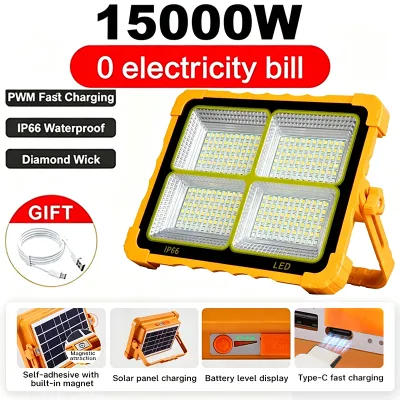
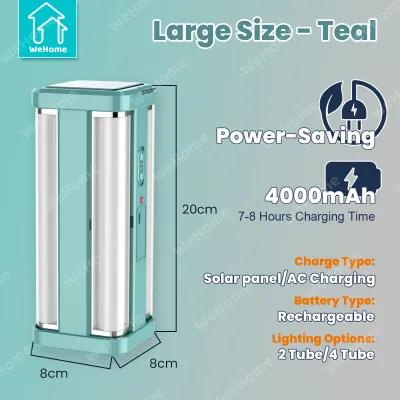
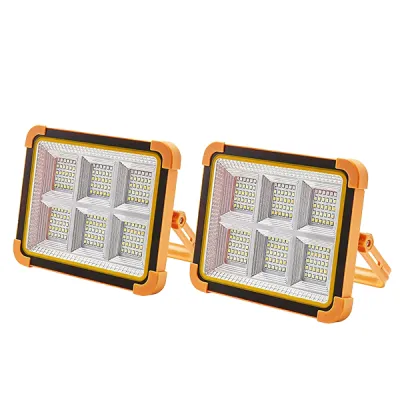
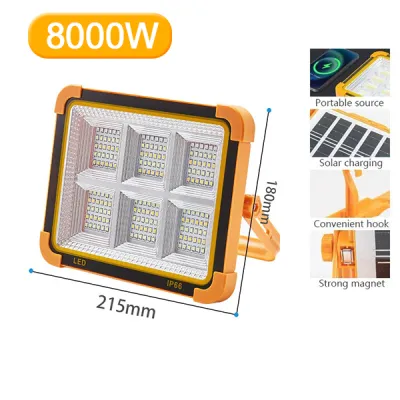
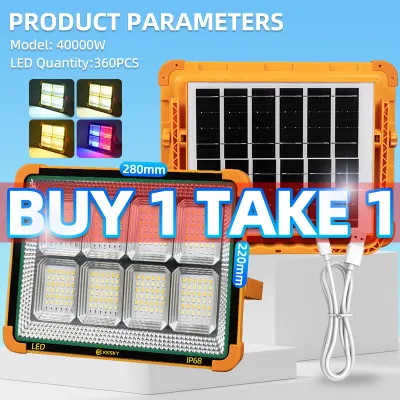
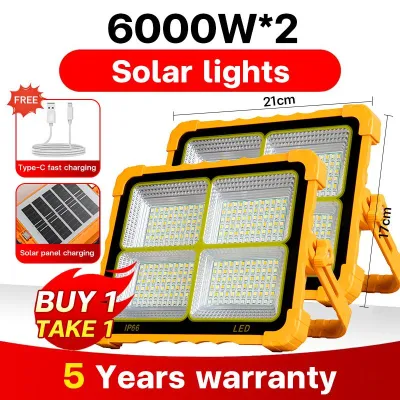
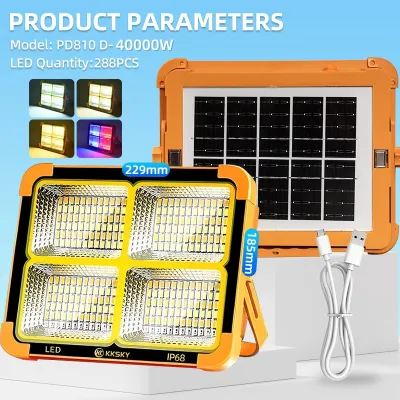
Prices are valid at publication and may change. Please refer to the product page for the latest price.
During a power outage, these daily roles shift into critical emergency functions. Pathway lights become essential escape routes, preventing trips and falls in complete darkness, while patio lights transform into central gathering hubs where family members can congregate safely. To ensure these fixtures perform reliably when the grid goes dark, you must estimate the runtime required to bridge typical local power interruptions. In areas where brownouts or storm-related blackouts can last several hours or even overnight, look for fixtures capable of providing continuous illumination for at least eight to twelve hours on a single full charge.
To manage battery life effectively across both daily and emergency scenarios, pay close attention to the operating modes listed on product packaging. Many modern solar emergency lights feature dual-mode functionality, such as a motion-sensor mode or a dusk-to-dawn constant illumination setting. A motion-sensor mode keeps the light at a low, energy-saving standby level (or completely off) until movement is detected, at which point it switches to full brightness. This mode is highly efficient for conserving battery power during consecutive rainy days. Conversely, a constant dusk-to-dawn mode provides continuous, low-level ambient light throughout the night, which is often preferred for pathway safety but drains the battery faster. Choosing the right mode depends on whether you prioritize constant visibility or maximum emergency runtime.
Decoding Product Labels: Solar, Battery, and Durability Specs
When shopping for solar rechargeable emergency lights, the product label is your most reliable source of truth, provided you know how to interpret the technical specifications. The first and most critical specification to verify for any outdoor fixture is the Ingress Protection (IP) rating, which measures resistance to dust and water. For garden and patio environments exposed to heavy tropical rains and high humidity, look for a minimum rating of IP65. An IP65 rating indicates the fixture is completely dust-tight and protected against water jets from any angle. If the light will be installed in low-lying areas prone to temporary pooling or intense splashing, upgrading to an IP67-rated fixture, which can withstand temporary submersion, offers greater long-term reliability.

Next, evaluate the battery specifications, as the battery determines how long the light will run and how many years the fixture will last before requiring maintenance. Most modern solar lights utilize either Lithium-ion (Li-ion) or Lithium Iron Phosphate (LiFePO4) batteries. LiFePO4 batteries are highly recommended for tropical climates because they offer superior thermal stability in high temperatures, a lower risk of overheating, and a significantly longer lifespan—often lasting up to 2,000 charge cycles compared to the 500 to 1,000 cycles typical of standard Li-ion batteries. Check the battery capacity, measured in milliampere-hours (mAh); a higher mAh rating generally indicates a larger energy reservoir, though actual runtime will still depend on the fixture’s power consumption.
The solar panel itself is the engine of the fixture, and its efficiency determines how quickly the battery charges. Look for fixtures equipped with monocrystalline solar panels rather than polycrystalline alternatives. Monocrystalline panels are recognizable by their dark, uniform appearance and are highly efficient, meaning they can generate more electricity in a smaller footprint and perform better on overcast or rainy days. Verify the panel’s wattage rating on the label; a higher wattage panel will charge the battery faster, which is crucial during seasons with limited direct sunlight.
Finally, examine the light output and color temperature specifications to ensure they match your functional and aesthetic needs. Light output is measured in lumens, not watts. For pathway lights, a subtle output of 50 to 150 lumens per fixture is usually sufficient to guide footsteps without causing glare. For patio areas where higher visibility is required, look for fixtures that deliver 300 to 800 lumens. Color temperature, measured in Kelvin (K), dictates the color of the light. Warm white light (2700K to 3000K) creates a cozy, relaxing garden atmosphere and minimizes glare, while cool white light (5000K to 6500K) provides high-contrast, crisp visibility that is excellent for security and task-oriented emergency lighting.
Placement and Installation for Optimal Charging and Safety
Proper placement is the single most important factor in determining whether your solar emergency lights will perform when needed. Solar panels require direct, unobstructed sunlight to charge their internal batteries fully. Before installing any fixtures, map out your garden and patio areas at different times of the day. Note how shadows cast by trees, roof overhangs, fences, and taller plants shift as the sun moves. Even partial shading on a small portion of a solar panel can drastically reduce its charging efficiency, leaving the battery only partially charged when night falls.
When installing your fixtures, always follow the manufacturer’s instructions to protect both the product and your property. For pathway lights utilizing ground stakes, ensure the soil is soft enough to receive the stake without forcing it; forcing a plastic stake into hard, dry soil can crack the housing or damage the internal wiring connections. If you are mounting fixtures to patio walls, posts, or brickwork, use the appropriate anchors and screws specified in the manual to prevent the lights from vibrating loose or falling during high winds. Ensure all seals and gaskets are properly seated during assembly to maintain the fixture’s weatherproofing integrity.
Keep in mind that the sun’s angle changes throughout the year, which can affect how much light your solar panels receive. A spot that receives full sun in the dry season might be shaded by a roofline or a growing tree canopy during the wet season. Opt for fixtures with adjustable solar panels that allow you to tilt and rotate the panel independently of the light source. This flexibility enables you to optimize the angle of solar intake twice a year to compensate for seasonal shifts in the sun’s path.
While standalone solar lights are straightforward to install, some homeowners choose to integrate them with low-voltage wired landscape lighting systems for a comprehensive outdoor setup. If your project involves fixed electrical wiring, connecting to household mains power, mounting fixtures at significant heights, or installing heavy suspended loads over seating areas, safety must be your primary concern. In these scenarios, always isolate the power source before handling any electrical components, strictly adhere to the manufacturer’s installation instructions, and consult a qualified professional or licensed electrician to ensure compliance with local electrical codes.
Building Your Shortlist: Pre-Purchase Verification Checklist
Before purchasing your solar emergency lights from local hardware stores or online marketplaces, compile a shortlist of candidates and run them through a final verification process. Do not rely solely on promotional titles or generic product descriptions, which often inflate performance metrics. Instead, cross-reference the seller’s claims with the official manufacturer specification sheets. Look for clear indications of local electrical safety certifications and quality standards, which verify that the product has undergone independent testing for safety and durability.
Evaluate the price of each fixture in ₱ against its expected lifespan, build quality, and warranty coverage. While budget-friendly options priced under ₱500 per light may seem appealing, they often feature thin plastic housings, low-capacity batteries, and poor waterproofing that lead to failure within a few months of exposure to tropical weather. Investing in mid-range to premium fixtures, typically ranging from ₱1,000 to ₱3,000 per unit, often yields better long-term value. These products generally feature durable aluminum or UV-resistant polycarbonate housings, high-quality LiFePO4 batteries, and comprehensive warranties that cover both the battery and the solar panel for one to two years.
Your chosen fixtures should also complement your existing outdoor decor without compromising functional brightness or safety. Select a design style—whether modern, rustic, or minimalist—that blends seamlessly with your patio furniture and garden architecture during the day. Ensure the lens material is made of high-quality glass or UV-stabilized acrylic, as cheap plastics will quickly yellow, cloud, and degrade under intense sun exposure, severely reducing the light output over time.
Finally, verify the long-term maintainability of the fixtures before making your purchase. Check whether the manufacturer or seller offers replacement batteries, spare stakes, or mounting brackets. Solar lights are exposed to harsh outdoor elements daily, and being able to replace a degraded battery or a damaged bracket after a few years of service is far more cost-effective and environmentally friendly than discarding the entire fixture. A manufacturer that provides clear maintenance instructions and accessible replacement parts is a strong indicator of a high-quality, reliable product.
Frequently Asked Questions (FAQ)
How do I maintain the solar panels to ensure consistent charging?
To maintain optimal charging efficiency, wipe the solar panels regularly with a soft, damp microfiber cloth to remove accumulated dust, pollen, bird droppings, and salt residue. Avoid using abrasive sponges, steel wool, or harsh chemical cleaners, as these can scratch the protective tempered glass or plastic coating, permanently reducing light transmission. During your routine cleaning, inspect the panels for physical damage, such as cracks, water intrusion, or clouding beneath the surface. If you notice deep cracks or permanent clouding that cleaning cannot resolve, the panel’s efficiency will be severely compromised, and you may need to replace the unit to ensure reliable emergency runtime.
Can I replace the built-in battery when it stops holding a charge?
Whether you can replace the battery depends entirely on the design of the fixture. Refer to your product’s user manual to determine if the battery compartment is user-accessible via screws and gaskets, or if the housing is permanently sealed to maintain its IP rating. If the compartment is accessible, open it carefully to avoid damaging the waterproof seal, and replace the old battery with a new one that matches the exact voltage, capacity (mAh), and chemistry (such as LiFePO4 or Li-ion) specified by the manufacturer. If the manual states the battery is non-replaceable or if the unit is permanently sealed, do not attempt to force it open; doing so compromises its weatherproofing and safety. Instead, dispose of the entire unit responsibly at a local e-waste recycling facility.

Community discussion
Share your experience or ask a question. Comments are reviewed before publication.