
Creating a serene, restful sanctuary in your bedroom relies heavily on your choice of lighting. Standard overhead fixtures often emit a harsh, uniform glare that disrupts your body’s natural wind-down process. To transform your space into a peaceful retreat, the ideal string lights should feature a warm color temperature between 2200K and 2700K, emit a low-lumen glow, and use a bulb style that complements your room’s physical layout.
By focusing on these specific characteristics, you can craft a cozy ambiance that signals your brain it is time to rest. This approach keeps your installation safe, energy-efficient, and highly compatible with the typical layout of modern residential spaces.
Key Light Characteristics for a Relaxing Bedroom
The primary factor that determines how cozy a bedroom feels is the light’s color temperature, measured on the Kelvin (K) scale. For a sleep-friendly environment, aim for a warm white range between 2200K and 2700K. This range produces a soft, amber-toned glow that closely mimics the natural warmth of candlelight or a setting sun. This specific spectrum of light helps minimize exposure to blue wavelengths, which are known to suppress melatonin production and disrupt your circadian rhythm. In contrast, cool white (4000K) or daylight (6500K) tones mimic high-noon sunlight, which stimulates alertness and makes it difficult to transition into a restful state of mind.
Products mentioned in this guide
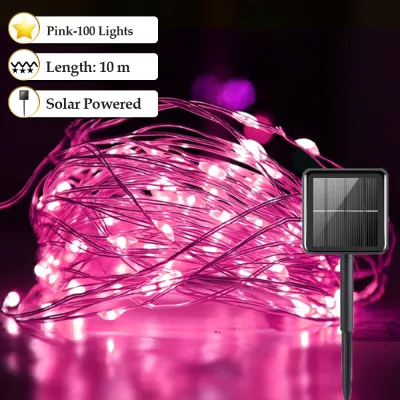
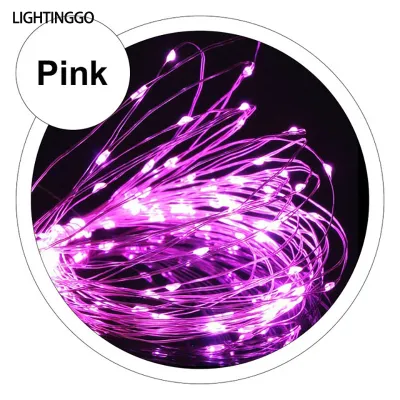
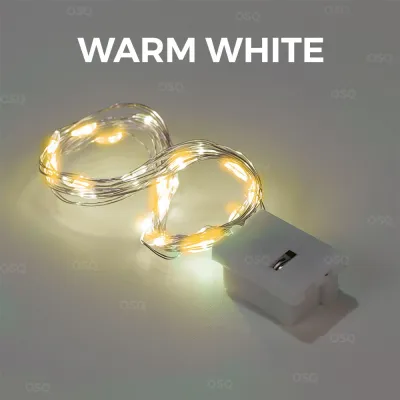
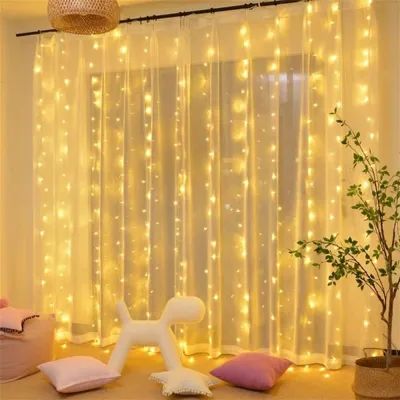
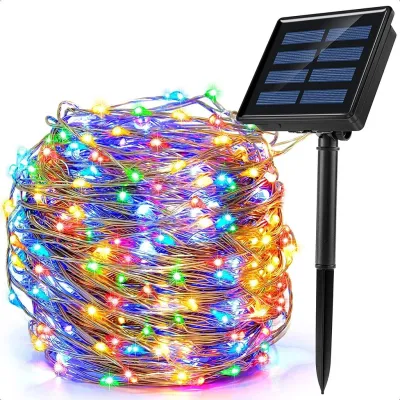
Prices are valid at publication and may change. Please refer to the product page for the latest price.
Brightness, measured in lumens, is another critical dimension to evaluate. Unlike primary task lighting designed for reading fine print or working, bedroom string lights should serve strictly as low-level ambient or accent lighting. A standard overhead bulb might emit 800 lumens or more, but a string light setup for a bedroom should ideally distribute a fraction of that intensity across the entire strand. Opting for low-wattage LED bulbs—typically between 0.5 to 1.5 watts per bulb for larger styles, or a total system output of under 150 lumens—prevents eye strain and maintains a soft, non-glaring background glow.
The way light is diffused and the physical appearance of the wire casing also play significant roles in the room’s overall aesthetic. String lights feature various wire materials, including bare copper, silver, insulated black, or white plastic.
- Copper Wire: Highly flexible and adds a warm, rustic metallic accent that looks attractive even when the lights are turned off.
- Silver Wire: Offers a cleaner, more modern look that blends seamlessly with cool-toned decor.
- White Wire: Blends easily into standard light-colored concrete condo walls, making the wiring less noticeable during the day.
- Black or Green Wire: Best reserved for wrapping around dark furniture or indoor plants to avoid creating a visually cluttered look against light backdrops.
Matching String Light Styles to Bedroom Decor
Selecting the right physical bulb style allows you to tailor the lighting to your bedroom’s specific layout and design theme. Different bulb shapes and sizes distribute light in distinct ways, helping you achieve either a subtle, starry effect or a bold, vintage-inspired statement.

Fairy and Micro Lights for a Delicate Canopy
Fairy lights, also known as micro LED lights, feature tiny, droplet-shaped bulbs spaced closely together along a thin, bendable wire. Because the wire itself is nearly invisible, these lights create an intimate, soft-glow effect that resembles a cluster of stars. This delicate style is highly versatile and works exceptionally well when woven into open-work wooden or metal headboards, draped loosely over bed canopies, or styled inside glass cloches on your bedside table. Because they emit very little heat and are extremely lightweight, they can be styled around delicate fabrics and lightweight decor without causing physical strain or safety hazards.
Globe and Edison Bulbs for a Vintage Lounge Feel
If your bedroom also serves as a cozy reading nook or a lounge space, larger bulb styles like G40 globe lights or miniature Edison-style bulbs offer a more prominent decorative presence. These styles provide a classic bistro or industrial-chic aesthetic, casting a slightly wider pool of light than micro LEDs. Because they act as a stronger visual statement, they are highly effective when strung along the perimeter of the ceiling, draped over wall shelves, or wrapped around decorative wooden ladders. When choosing these larger bulbs, look for low-wattage LED filaments that deliver the vintage look of traditional incandescent bulbs without the high energy consumption or heat generation.
Curtain and Cascade Lights for Window Framing
Curtain lights consist of a main horizontal cord with multiple vertical light strands dropping down at regular intervals, creating a beautiful waterfall effect. This style is ideal for framing architectural features, such as hanging them directly behind sheer window drapes or across a blank accent wall behind your bed. The vertical alignment of the light drops draws the eye upward, which visually expands the height of the room and makes compact condo bedrooms feel more spacious. The sheer fabric of the drapes acts as a natural diffuser, softening the individual points of light into a continuous, gentle glow.
Safe Installation and Power Options for Condos
Living in a condominium or rental property often means dealing with strict rules regarding structural modifications, making damage-free installation a top priority. Understanding your power options and mounting techniques ensures a beautiful setup that complies with building guidelines and electrical safety standards.
Choosing a Power Source
- Plug-In (220V Mains Power): Plug-in string lights offer consistent brightness and do not require battery replacements. In the Philippines, where the standard residential voltage is 220V at 60Hz, it is crucial to ensure that any plug-in set includes a certified step-down transformer or adapter that converts the high mains voltage into a safe, low-voltage direct current (typically 5V, 12V, or 24V).
- USB-Powered: USB string lights are highly convenient for modern bedrooms. They can be plugged directly into standard 5V mobile phone charger blocks, multi-port USB power strips, or even portable power banks. This versatility eliminates the need for bulky wall adapters and allows you to position the lights far from traditional wall outlets.
- Battery-Operated: Battery-powered options offer complete placement freedom since they do not require an outlet. However, they are best suited for temporary setups or small accents, as frequent battery replacements can become costly and environmentally unfriendly. If you choose this option, consider using rechargeable batteries to minimize waste.
Damage-Free Mounting Techniques
- Adhesive Utility Hooks: Small, transparent adhesive hooks are the most reliable option for hanging string lights on concrete walls or painted drywall. They hold the wire securely and can be removed cleanly without peeling off the paint or leaving sticky residue.
- Removable Putty: For ultra-lightweight copper wire fairy lights, small pieces of removable mounting putty can hold the wire in place along headboards or shelves.
- Avoid Heavy-Duty Tapes: Do not use industrial double-sided foam tapes or duct tape. These adhesives bond too strongly to latex wall paint and will likely tear the paint or drywall paper when removed, leading to costly repair fees.
- Surface Preparation: Before applying any adhesive hook, clean the wall surface with rubbing alcohol to remove dust and oils, ensuring a secure, long-lasting hold.
Safety and Heat Management Boundaries
- Airflow and Ventilation: While modern LED string lights generate very little heat compared to old incandescent versions, they still require adequate ventilation. Never sandwich string lights between your mattress and the wall, or trap them beneath heavy duvets, thick blankets, or plush pillows where heat can build up over time.
- Indoor Ratings: Always verify that your string lights are rated explicitly for indoor use. Indoor-rated lights are designed with appropriate insulation for dry, enclosed spaces. If you live in a high-humidity tropical environment, keep indoor lights away from open windows during heavy monsoon rains to prevent moisture from entering the electrical connections.
- Manufacturer Instructions: Before installing, read the product's label and the manufacturer's instructions regarding maximum continuous run times and wattage limits. If you plan to connect multiple strands together, verify the maximum number of end-to-end connections allowed to prevent overloading the circuit.
Enhancing Ambiance with Dimmers and Smart Controls
To fully integrate your string lights into a relaxing nightly routine, incorporating control options allows you to adjust the lighting without disrupting your comfort. The ability to transition the light level from active evening use to a pre-sleep glow is essential for a truly cozy bedroom.
Inline Dimmers and Remote Controls
Many modern string light sets come equipped with inline dimmers or compact wireless remote controls. These controllers allow you to adjust the brightness levels from 10% to 100%, matching your current activity. A higher brightness setting is useful when you are wind-down reading or organizing your room, while a low 10% setting provides a gentle, candle-like glow that helps ease you into sleep. Many remotes also feature built-in sleep timers that automatically turn the lights off after 2, 4, or 6 hours.
Smart Plugs and Automation
If your preferred string lights do not have built-in dimming or timer functions, you can easily upgrade them by plugging them into a smart plug or a simple mechanical outlet timer. Smart plugs connect to your home Wi-Fi network, allowing you to control the lights via a mobile app or integrate them with smart home systems. This enables you to set automated schedules, such as turning the string lights on automatically at 6:00 PM and shutting them off at midnight. This automation ensures you never have to fumble for a physical switch in the dark, saves energy, and extends the overall lifespan of your lights.
Frequently Asked Questions (FAQ)
Is it safe to leave LED string lights on while sleeping?
While high-quality, certified LED string lights generate very little heat and are significantly safer than traditional incandescent options, it is best practice to turn them off or use an automatic timer when you sleep. Leaving any electrical device running unattended overnight carries a minor risk of electrical malfunction. Additionally, always inspect the power cords periodically for any signs of fraying, cracking, or physical damage, and avoid running wires under heavy rugs, carpets, or mattresses where they can be pinched or overheated.
What is the best color temperature for bedroom string lights?
The optimal color temperature for bedroom string lights is a warm white range between 2200K and 2700K. This warm, amber-toned glow closely mimics natural candlelight and sunset, which helps signal your brain to wind down and prepare for sleep. This color temperature minimizes blue light exposure, supporting your body’s natural melatonin production and helping you establish a healthy, restful sleep cycle. Avoid cool white or daylight options, as their blue-toned light stimulates alertness and can interfere with your sleep quality.

Community discussion
Share your experience or ask a question. Comments are reviewed before publication.