
Transforming your outdoor space with a sunflower solar garden light involves more than simply pushing stakes into the soil. To achieve a balanced landscape design, you must match each fixture’s physical height, brightness level, and beam pattern to the specific demands of your yard’s different zones. While a pathway requires low-glare, downward-focused illumination to guide your steps safely, an entrance area demands broader visibility, and a flower bed benefits most from soft, decorative accent lighting.
By taking a systematic approach to your garden layout, you can select solar fixtures that enhance both safety and visual appeal. In tropical climates like the Philippines, where heavy seasonal rains and intense sunlight alternate, choosing the correct specifications ensures your decorative lighting remains durable and functional year-round. This guide provides a practical framework to evaluate your outdoor zones and select the ideal sunflower solar garden light configurations for each space.
Understanding Light Requirements for Each Garden Zone
Before purchasing any outdoor lighting, it is essential to analyze how different areas of your yard are used and how natural light interacts with them. Safety illumination and decorative accent lighting serve entirely different purposes, and mixing them up can lead to either blinding glare or insufficient visibility. For instance, walking surfaces like steps and garden paths require consistent, low-level light that clearly defines boundaries without shining directly into your eyes. Conversely, plant displays and lawn features require subtle, ambient highlights that draw attention to textures and shapes rather than flooding the entire area with harsh light.
Products mentioned in this guide
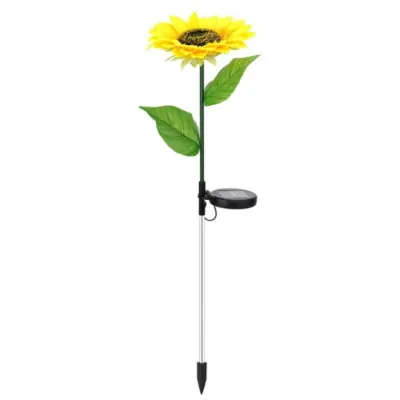
Prices are valid at publication and may change. Please refer to the product page for the latest price.
You should also assess the existing ambient light conditions in each zone during the evening. Areas near streetlights, porch lamps, or indoor window spill may already have a baseline level of brightness, meaning you only need low-output decorative fixtures to add character. In contrast, isolated corners of the yard that remain pitch-black will require more strategic placement of brighter solar lights to eliminate dark spots.
Physical obstacles present another critical consideration when planning your layout. Overhanging tree branches, dense tropical foliage, and tall ornamental grasses can block sunlight from reaching the solar panels during the day, while also casting erratic shadows at night. Mapping these obstructions helps you identify where fixtures can receive maximum sun exposure while still delivering light exactly where it is needed.
Matching Sunflower Light Styles to Specific Areas
Selecting the right sunflower solar garden light requires matching the physical design of the fixture to the primary function of each garden zone. Different areas demand specific stem heights, light distribution patterns, and brightness levels to perform effectively. By comparing these physical characteristics against the dimensions of your target zones, you can create a cohesive and functional lighting scheme.

Pathways and Walkways
When lighting pathways, walkways, or garden borders, your primary goal is to provide safe navigation without creating visual discomfort. For these areas, prioritize sunflower solar garden light models with shorter stake heights. Keeping the light source closer to the ground ensures that the illumination remains below eye level, preventing direct glare as you walk past.
Look for fixtures designed with downward-facing or heavily diffused beam patterns. These designs direct the light downward onto the walking surface, clearly marking the path’s edges while minimizing upward light spill that can disrupt the night sky or create distracting shadows. Additionally, check the manufacturer’s spacing recommendations on the product packaging. Placing the stakes at regular intervals ensures a continuous, overlapping glow along the path, eliminating dark gaps where tripping hazards might hide.
Flower Beds and Lawn Accents
For flower beds, shrubberies, and lawn accents, the primary objective is to highlight the natural beauty of your plants and create visual depth. In these zones, select sunflower solar garden light fixtures with taller stakes or adjustable stems. Elevating the sunflower head allows the light to shine over low-growing ground cover, preventing the foliage from completely blocking the decorative glow.
Because the goal in flower beds is purely aesthetic, focus on the color temperature and the visual design of the sunflower head rather than high lumen output. A warm, soft glow is generally preferred for plant displays, as it enhances the natural colors of flowers and leaves without washing them out. When installing these lights, verify that the stake base can be inserted gently into the soil without severing the delicate root systems of your prized ornamental plants.
Entrances and Gathering Spaces
Entrances, patios, and outdoor gathering spaces require higher visibility and broader light coverage to facilitate social interaction and secure navigation. For these high-traffic zones, seek sunflower solar garden light models that feature higher lumen ratings and wider beam angles. This ensures that a single fixture can illuminate a larger surface area, making steps, doorways, and seating options clearly visible.
To maximize the light output in these areas, consider choosing multi-head sunflower designs or grouping multiple single-head fixtures together in decorative clusters. This arrangement not only increases the total illumination but also creates a striking visual focal point near your home’s entry points. Ensure that the chosen style and placement complement your home’s architectural features and do not obstruct doors, gates, or handrails.
Key Specifications to Check Before Buying
To ensure your sunflower solar garden light fixtures can withstand outdoor conditions and deliver reliable performance, you must verify several technical specifications on the product packaging. First, check the Ingress Protection (IP) rating, which indicates how well the fixture resists water and dust. For outdoor garden use, especially in humid and rainy tropical environments, look for an IP65 rating or higher to ensure the internal electronics remain protected against heavy downpours.
Next, examine the solar panel type and battery capacity. Monocrystalline solar panels generally offer higher energy conversion efficiency than polycrystalline alternatives, which is beneficial if your garden receives partial shade. Pair this with a high-capacity rechargeable battery (measured in milliampere-hours, or mAh) to ensure the light has enough stored energy to remain illuminated throughout the night after a full day of charging.
The housing materials and overall build quality are equally important for long-term durability. Look for fixtures constructed from UV-resistant ABS plastic, stainless steel, or powder-coated metals that can withstand intense tropical sun and high humidity without fading, cracking, or rusting. Finally, confirm that the included mounting hardware, such as the ground stakes, is sturdy and suitable for your yard’s soil conditions, whether you are inserting them into soft garden loam or compacted clay.
Installation and Placement Tips for Maximum Sunlight
The performance of any solar-powered light depends entirely on the amount of direct sunlight its solar panel receives during the day. Before installing your sunflower lights, spend a day mapping the sun exposure across your yard to identify areas that receive at least six to eight hours of unobstructed sunlight. Avoid placing the fixtures directly under dense tree canopies, roof overhangs, or in the permanent shadow of walls and fences.
When positioning the lights, angle the solar panels toward the sun’s path according to the manufacturer’s instructions to capture peak midday rays. In the Philippines, where the sun’s angle shifts throughout the year, choosing fixtures with adjustable solar panels allows you to fine-tune the angle for optimal charging across different seasons. Keep in mind that as your garden plants grow and mature, they may begin to cast new shadows over previously sunny spots, requiring you to periodically adjust the placement of your solar stakes to maintain consistent nighttime performance.
Frequently Asked Questions (FAQ)
Can sunflower solar lights work in shaded garden areas?
Standard sunflower solar garden light models require direct sunlight to charge their internal batteries fully and will underperform if placed in deep shade. If you must illuminate a shaded zone, look for specialized models that feature a detachable solar panel connected to the light fixture by a wire. This design allows you to mount the solar panel in a nearby sunny spot while placing the decorative sunflower light in the shaded area. Always evaluate the density and duration of the shade in your target zone before purchasing to ensure realistic performance expectations.
How do I maintain the solar panels on garden lights?
To keep your solar panels operating at peak efficiency, gently wipe the panel surface with a soft, damp microfiber cloth to remove accumulated dust, pollen, bird droppings, and water spots. Avoid using abrasive scrubbing pads, harsh chemical cleaners, or solvents, as these can scratch or degrade the protective plastic coating on the panel, permanently reducing its ability to absorb sunlight. While cleaning, inspect the fixture for any signs of moisture buildup or condensation inside the lens, and consult the manufacturer’s guidelines if you suspect a seal has failed.

Community discussion
Share your experience or ask a question. Comments are reviewed before publication.