
Choosing the right fairy lights for a condominium depends on balancing the distinct functional needs of your private and shared spaces. In a compact condo layout, lighting plays a double role: it defines the boundaries of a room and sets the emotional tone.
For a bedroom, delicate, low-intensity options like copper wire or curtain lights help create a quiet sanctuary for rest. In contrast, a living room requires more versatile, durable options like globe string lights or adjustable LED strands that can transition from bright social gatherings to dim, cozy movie nights.
Defining the Ambiance: Bedroom vs. Living Room Needs
Condo living often requires maximizing limited square footage, where rooms must serve multiple purposes throughout the day. The bedroom is primarily a private sanctuary dedicated to rest, recovery, and sleep preparation. Because of this, the lighting in this space should signal to your brain that it is time to wind down, requiring low-intensity, warm illumination that does not disrupt your natural sleep cycle.
Products mentioned in this guide
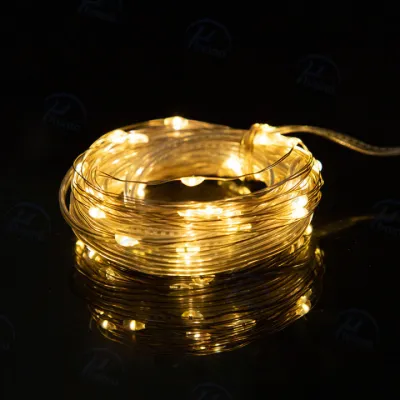
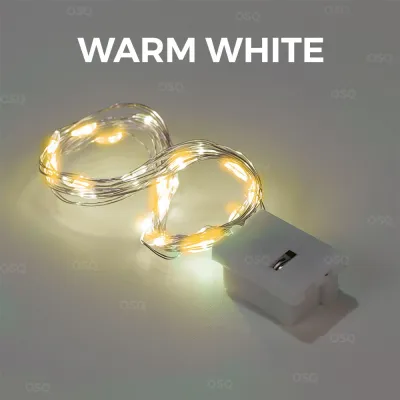
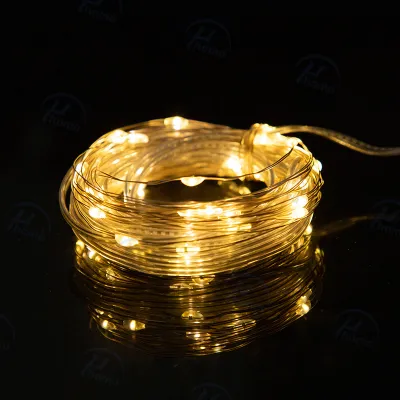
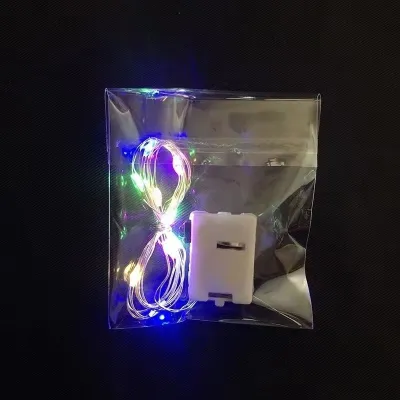
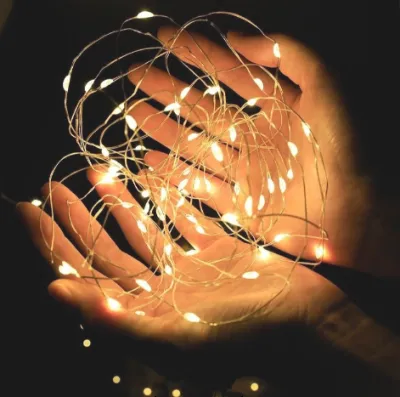
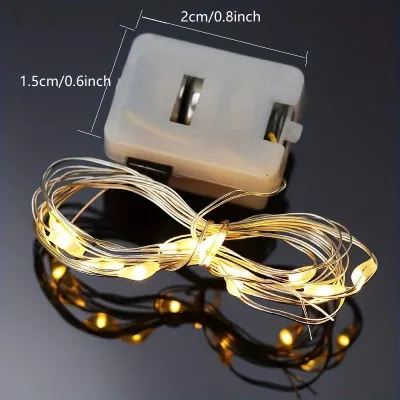
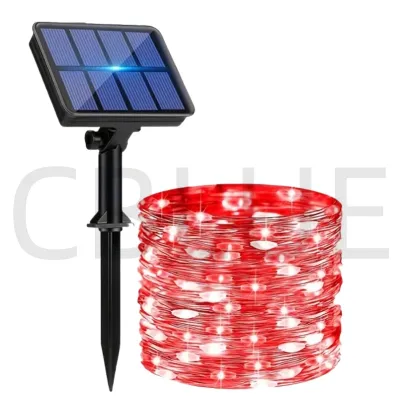
Prices are valid at publication and may change. Please refer to the product page for the latest price.
The living room, on the other hand, is a highly social and multi-functional hub. On any given day, it might host casual gatherings, serve as a temporary workspace, or transform into a home theater. The lighting here must be adaptable enough to support active hosting while also offering a relaxed, inviting glow when you want to decompress after a long day.
To achieve this balance, it helps to understand how lighting layers work in a home. General ambient lighting provides overall visibility, task lighting assists with specific activities like reading, and accent lighting adds depth and character. Fairy lights function primarily as accent or soft ambient sources, drawing the eye to specific design features and softening the harsh shadows often cast by standard overhead ceiling fixtures.
Top Fairy Light Styles for a Relaxing Bedroom
Creating a restful bedroom environment requires selecting fairy lights that blend seamlessly into the decor without creating visual clutter. Delicate copper wire lights are an excellent choice for this space because the ultra-thin wire virtually disappears when turned off, leaving only tiny, star-like points of light when illuminated. You can drape these micro LEDs along a headboard, weave them through a sheer canopy, or frame a vanity mirror to add a soft, magical glow.

Another popular option is curtain fairy lights, which feature multiple vertical strands hanging from a single horizontal cord. Hanging these behind sheer curtains or along an empty accent wall creates a soft, diffused backdrop that mimics a gentle waterfall of light. This setup works exceptionally well in condos with limited floor space, as it utilizes vertical surfaces to add warmth without taking up valuable room.
Color temperature is critical when selecting bedroom lighting. Opt for warm white tones, typically ranging from 2200K to 2700K, which emit a gentle amber glow reminiscent of candlelight. This warm spectrum is highly effective for winding down in the evening, as it minimizes exposure to the stimulating blue wavelengths found in standard daylight bulbs.
To ensure your bedroom remains a functional sleep environment, look for fairy lights that feature dimming capabilities or remote-controlled timers. Being able to lower the brightness level as you get closer to bedtime helps prepare your body for sleep. A built-in timer is also highly practical, allowing the lights to turn off automatically after you fall asleep so you do not have to worry about manual operation or unnecessary power consumption.
Best Fairy Light Options for a Social Living Room
In the living room, fairy lights need to make a bolder design statement while remaining durable enough for daily use. Globe string lights, which feature small, round bulbs spaced along a thicker cable, are highly suited for these larger, shared spaces. Their defined shape adds a playful, retro-inspired aesthetic that works well when draped along open bookshelves, wrapped around exposed wooden beams, or suspended across a dining area.
If you want to highlight specific architectural features or furniture, consider using larger bulb fairy lights or icicle-style strands. Draping these along a media console, behind a television setup, or over a room divider helps define different zones within an open-concept condo layout. This zoning effect is particularly useful in studio apartments, where visual cues are needed to separate the living area from the sleeping quarters.
Because the living room hosts a variety of activities, adjustable lighting options are highly beneficial. Look for LED string lights that offer multiple brightness settings or adjustable color temperatures. This flexibility allows you to keep the lights slightly brighter during social gatherings or board game nights, and then dim them down to a low, warm glow for movie nights or quiet evenings.
When installing lights in the living room, pay close attention to scale and proportion. Delicate copper wire lights can easily get lost in a large living space or look cluttered against heavy furniture. Choosing slightly larger bulbs or thicker strands ensures the lighting complements your furniture and decor rather than looking like an afterthought.
Essential Specs to Check: Color, Brightness, and Power
Before purchasing any decorative lighting, it is essential to evaluate the technical specifications to ensure they match your condo’s layout and electrical setup. The first specification to consider is color temperature, which is measured in Kelvins (K). Warm white (2200K–3000K) is ideal for creating a cozy, inviting atmosphere, while cool white (4000K–5000K) offers a crisp, modern look but can feel clinical if overused. RGB (Red, Green, Blue) color-changing options provide a playful, customizable experience, though they are best suited for occasional accent lighting rather than daily ambient use.
Brightness is another key factor, especially since fairy lights are meant to enhance a room’s mood rather than serve as the primary light source. Look for low-lumen options that provide a soft, glare-free glow. If the product packaging does not list lumens, you can gauge brightness by checking the bulb count and spacing; closely spaced, high-density bulbs will naturally produce a more intense light than widely spaced options.
The power source you choose will significantly impact both cord management and placement flexibility. Battery-operated fairy lights offer the ultimate portability, making them perfect for small decorative displays, table centerpieces, or areas far from an electrical outlet. However, they require frequent battery replacements, which can become costly and less eco-friendly over time.
USB-powered and plug-in options are generally more practical for permanent installations like curtain lights or long living room strands. USB-powered lights can run off standard phone chargers or power banks, offering a great middle ground for areas with limited wall outlets. Traditional plug-in lights provide consistent, reliable power for longer runs, but you must plan your layout carefully to ensure the power cord can safely reach an outlet without creating a tripping hazard.
Safe Installation and Placement in a Condo
Living in a condo, especially a rented unit, requires using installation methods that do not damage walls, ceilings, or landlord-owned furniture. Adhesive hooks and clips designed for clean removal are excellent tools for hanging fairy lights along walls or window frames. In tropical climates like the Philippines, high indoor humidity can sometimes weaken standard adhesives, so it is wise to select moisture-resistant adhesive strips and clean the mounting surface thoroughly with rubbing alcohol before application.
Electrical safety should always be a top priority when installing decorative lighting. Before plugging in your lights, verify that the product’s voltage rating matches the standard 220V electrical system used in the Philippines. Avoid overloading wall outlets or daisy-chaining multiple extension cords and power strips, as this can create a fire hazard. If you are planning a complex installation that involves fixed wiring or mounting lights at a significant height, always isolate the power at the breaker and consult a qualified professional.
Additionally, keep safety boundaries in mind when choosing where to place your lights. Ensure that the light strands are kept away from highly flammable materials, such as lightweight polyester curtains, bed linens, or paper decorations. While modern LED fairy lights emit very little heat compared to traditional incandescent bulbs, they should still be placed in well-ventilated areas. Always read and follow the manufacturer’s instructions regarding continuous run times, and turn off all decorative lights when leaving the condo or going to sleep to ensure a safe, worry-free home environment.
Frequently Asked Questions (FAQ)
Can I leave fairy lights on all night in the bedroom?
While modern LED fairy lights emit minimal heat and are generally safer than older incandescent bulbs, leaving them on all night is not recommended. Continuous operation can shorten the lifespan of the LEDs and poses a minor safety risk if the lights are draped near bedding or curtains. To maintain a safe environment and promote better sleep hygiene, use a plug-in timer or a remote control to set the lights to turn off automatically after you fall asleep.
How do I hide the wires for plug-in fairy lights in a living room?
To maintain a clean, uncluttered aesthetic in your living room, route the power cords along the tops of baseboards or behind furniture legs using small, clear adhesive clips. For a more seamless look, you can use paintable plastic cord covers that blend directly into your condo’s walls. If your lights are placed near an entertainment center, bundle the excess cabling with hook-and-loop straps and tuck them neatly behind the media console or inside a dedicated cable management box.

Community discussion
Share your experience or ask a question. Comments are reviewed before publication.