
Selecting the right floor lamp shade for a modern living room reading corner is essential for protecting your eyes and creating a comfortable reading environment. The ideal shade must direct light downward onto your pages while shielding your eyes from direct bulb glare. By balancing shape, material, and physical proportions, you can transform a simple corner into a highly functional, stylish reading retreat.
While aesthetic appeal is important, reading comfort and eye strain reduction must take priority over purely decorative ambient lighting. A poorly chosen shade can scatter light inefficiently, leaving your book in shadow while casting harsh glare directly into your eyes. Understanding how different shade designs control light distribution is the first step toward creating a perfect reading nook.
Core Features of an Ideal Reading Lamp Shade
An effective reading lamp shade serves a primary functional goal: it must direct a concentrated beam of light downward onto your reading material. This targeted illumination, often referred to as task lighting, ensures that text remains sharp and legible without requiring you to squint.
Products mentioned in this guide
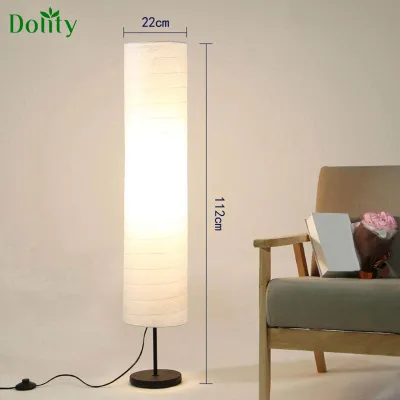
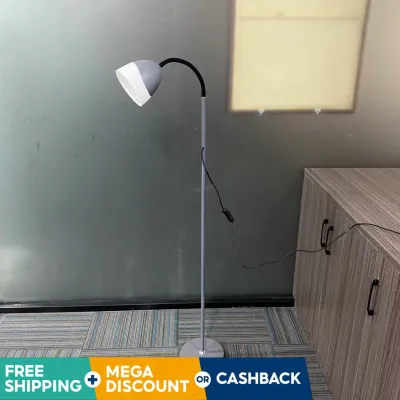
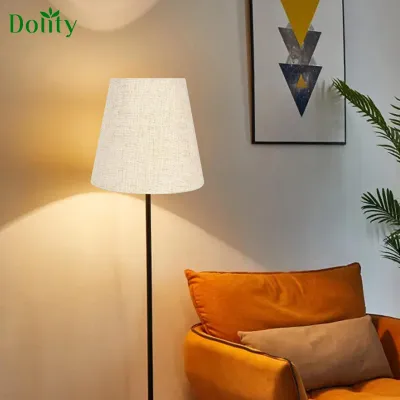
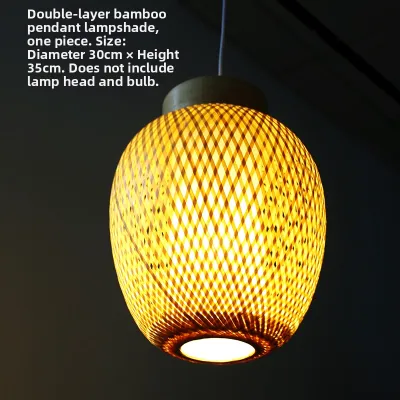
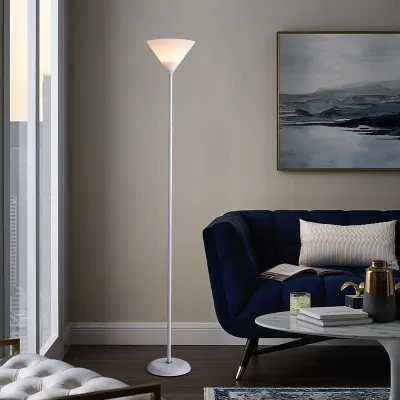
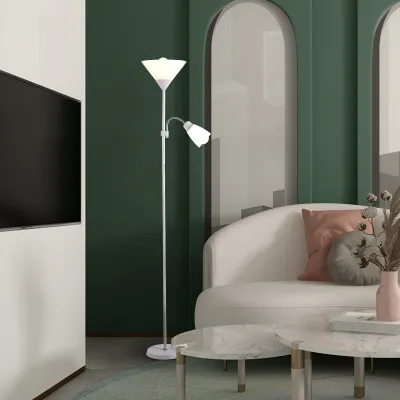
Prices are valid at publication and may change. Please refer to the product page for the latest price.
To achieve this, you must evaluate three main decision pillars: shape, material, and physical proportions. The shape determines how wide or narrow the light pool will be, while the material controls how much light escapes through the sides of the shade. Finally, the physical proportions ensure the light source is positioned at the correct height relative to your seating.
Prioritizing these functional traits helps prevent eye fatigue during prolonged reading sessions. While a beautiful lamp can enhance your living room decor, its primary value in a reading corner lies in its ability to deliver comfortable, glare-free illumination.
Choosing the Right Shape for Focused Reading Light
The shape of your lamp shade directly dictates how light behaves as it leaves the bulb. Drum shades, which feature vertical sides and equal openings at the top and bottom, offer a wider and softer spread of light. This shape is excellent for general ambient lighting, but it may scatter light too broadly for intense, focused reading.

In contrast, cone or bell shades taper toward the top, channeling the light downward into a more directed, focused beam. This concentrated pool of light is ideal for highlighting a book, tablet, or e-reader. The narrow top opening minimizes upward light loss, ensuring that the majority of the bulb’s output is utilized exactly where you need it.
For maximum flexibility, adjustable or directional shades mounted on gooseneck or cantilever arms are highly beneficial. These designs allow you to physically pivot the shade to target the light pool precisely onto your page, accommodating different sitting positions or book sizes. This adjustability is particularly useful if multiple family members use the same reading chair.
When selecting a shape, avoid wide, shallow shades that expose the bare bulb to your eyes when you are seated. A shallow shade fails to contain the light source, causing direct glare that can quickly lead to headaches and eye strain. Ensure the shade is deep enough to fully house the bulb while directing the light downward.
Selecting Materials to Reduce Glare and Heat
Shade materials play a critical role in managing both light diffusion and heat output. Opaque materials, such as metal or dark-finished wood, block all lateral light transmission. This complete containment ensures strict downward light control and zero side-glare, making opaque shades highly effective for dedicated task lighting.
Translucent materials, including linen, cotton, or frosted glass, allow a portion of the light to filter through the sides. This creates a softer, diffused ambient glow around the reading corner, which helps reduce harsh shadows in the rest of the room. However, in tropical climates with high humidity, fabric shades require regular maintenance to prevent moisture retention and dust accumulation.
Avoid clear glass shades or highly reflective inner linings, such as polished chrome or mirror finishes, for a reading corner. Clear glass does nothing to shield your eyes from the intense brightness of the bulb filament, while reflective linings can create distracting hot spots and uneven light distribution that strain your eyes over time.
Always check the manufacturer’s heat tolerance labels on the shade, especially when pairing fabric or paper shades with high-wattage bulbs. Excessive heat can degrade delicate materials over time, causing discoloration or creating safety hazards. Opting for shades with heat-resistant frames and linings is a reliable way to ensure long-term durability.
Sizing the Shade for Your Reading Chair and Corner
To ensure your floor lamp functions effectively, the physical dimensions of the shade must match your reading seat. A shade that is too large can overwhelm a compact reading chair, while a shade that is too small will look disproportionate next to a large, plush armchair or sectional sofa.
As a practical rule, measure the height of your reading chair to determine the ideal lamp height. When you are comfortably seated, the bottom of the lamp shade should sit at or slightly above your eye level. This positioning ensures that the light source illuminates your book from above and behind, preventing the bulb from shining directly into your eyes.
Visual proportion is also key to maintaining a balanced living room aesthetic. A massive drum shade in a tight corner can make the space feel cramped and cluttered. Conversely, a tiny cone shade next to a heavy leather recliner may look visually lost. Aim for a balanced silhouette where the lamp base and shade complement the scale of the surrounding furniture.
Before finalizing your purchase, use a simple checklist to evaluate your physical space. Measure the available floor area to ensure the lamp base fits securely without blocking walkways. Additionally, check the distance to the nearest power outlet to ensure the cord can reach safely without stretching across high-traffic zones, which creates a tripping hazard.
Integrating Modern Styles into Your Living Room
Achieving a modern aesthetic in your reading corner does not mean you have to sacrifice functional lighting. Modern design is characterized by clean lines, geometric shapes, matte finishes, and neutral or bold solid colors. A matte black metal cone shade or a simple white linen drum shade can easily elevate the look of your space.
To prevent visual clutter, balance a statement lamp shade with your existing living room decor. If your room already features vibrant patterns and colors, a neutral, minimalist shade will help ground the space. If your decor is highly monochromatic, a bold, geometric shade can serve as a tasteful focal point.
Mixing textures is an excellent way to add subtle visual interest without relying on busy patterns. For example, pairing a sleek, brushed-brass metal base with a textured oatmeal fabric shade creates a sophisticated contrast. This combination offers both the clean structure of modern design and the warmth of natural textiles.
Consider how the shade color interacts with your wall paint. A shade that matches the wall color will blend in seamlessly, making a small reading corner feel more spacious. On the other hand, choosing a contrasting shade color—such as a dark charcoal shade against a light cream wall—creates a deliberate, stylish contrast that defines the reading zone.
Safety and Bulb Compatibility Checks
Before setting up your new reading lamp, it is crucial to verify its electrical specifications and physical stability. Always check the lamp’s maximum wattage rating and the shade’s material heat limits, which are typically printed on a label near the bulb socket. Exceeding these limits can damage the fixture and pose a fire risk.
In the Philippines, standard household electrical systems operate at 220V. Ensure that any imported floor lamp or bulb you purchase is fully compatible with this voltage. Additionally, look for local safety certifications, such as the Philippine Standard (PS) mark or the Import Commodity Clearance (ICC) sticker, to verify that the product meets national safety standards.
Using low-heat LED bulbs is highly recommended for reading corners, especially when using enclosed metal or narrow fabric shades. LEDs run significantly cooler than traditional incandescent bulbs, reducing heat buildup inside the shade. They also consume less energy and are available in various color temperatures to suit your personal comfort.
Physical stability is another essential safety consideration. Ensure the floor lamp features a heavy, weighted base capable of supporting the weight of your chosen shade. This is particularly important in high-traffic living rooms or households with pets and children, where lightweight lamps can easily be tipped over.
If your ideal reading corner lacks a nearby power outlet, avoid running long extension cords under rugs or across walkways. Instead, consult a qualified professional to install a new outlet or safely modify your fixed wiring. Always isolate the power at the main circuit breaker before performing any electrical maintenance or installation work.
Frequently Asked Questions (FAQ)
How do I clean dust from a fabric reading lamp shade?
To clean dust from a fabric reading lamp shade, use a soft brush attachment on a vacuum cleaner or a clean microfiber duster for routine dry cleaning. Gently sweep the brush from the top of the shade to the bottom to lift away accumulated dust and pet hair. For stubborn lint, a standard sticky lint roller can be rolled lightly across the fabric surface. Always check the manufacturer’s care label before applying any liquid cleaners, water, or spot treatments, as moisture can cause water spots or dissolve the adhesive holding the fabric to the inner frame. Avoid harsh chemical solvents, which can discolor the fabric or degrade the structural lining.
Do I need a special bulb for a metal floor lamp shade?
You do not need a highly specialized bulb, but using a low-heat LED bulb is strongly recommended for metal floor lamp shades. Because metal is an opaque material that traps heat, traditional incandescent or halogen bulbs can cause the metal shade to become extremely hot to the touch, presenting a burn hazard. Always verify the socket’s maximum wattage limit, which is printed on the lamp base or the interior of the socket, and ensure your bulb does not exceed this rating. Additionally, choosing a smart LED bulb allows you to adjust the color temperature and brightness, making it easy to transition from a cool, focused reading light to a warm, relaxing evening glow.

Community discussion
Share your experience or ask a question. Comments are reviewed before publication.