
Condo living in urban centers across the Philippines offers a modern, convenient lifestyle, but personalizing these compact spaces often requires creative design choices. A custom light letter name sign is an excellent way to introduce warmth, personality, and a modern aesthetic into your living room, bedroom, or home office. These vibrant, glowing installations serve as both functional ambient lighting and a bold statement piece that reflects your personal style. However, choosing the right sign involves more than simply picking a favorite font and color.
To find the ideal custom sign for your condo, you must carefully evaluate your available wall space, understand the technical specifications of modern lighting materials, and ensure the installation complies with local electrical standards and lease agreements. By taking a systematic approach to planning, sourcing, and maintaining your sign, you can elevate your interior decor while ensuring a safe and durable setup. This guide provides a comprehensive framework to help you navigate these decisions and build a shortlist of reliable options.
Assessing Your Condo Space and Aesthetic Needs
Before placing an order for a custom light letter name sign, it is essential to analyze the physical characteristics of your condo. Compact urban layouts require careful spatial planning to ensure that a glowing sign enhances the room rather than overwhelming it.
Products mentioned in this guide
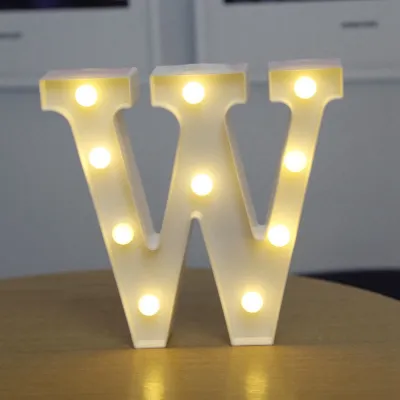
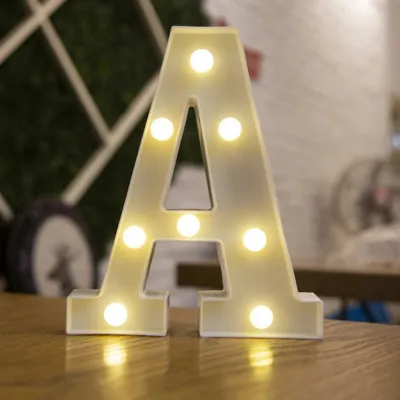
Prices are valid at publication and may change. Please refer to the product page for the latest price.
Begin by measuring the specific wall area where you plan to mount the sign. Use a tape measure to determine the height and width of the available space, and consider leaving a generous visual border around the sign—ideally keeping at least thirty to fifty percent of the surrounding wall empty. A helpful technique is to use painter’s tape to outline the proposed dimensions directly on the wall, allowing you to visualize the scale from different angles before finalizing your order.
Viewing distance is another critical factor in a condo environment. In a cozy studio or a compact one-bedroom unit, the distance between your seating area and the wall is often limited. A sign that is too large or excessively bright can cause visual fatigue or glare in a small room. Ensure the dimensions of your light letter name are proportional to the room’s viewing distance so that the text remains legible and comfortable to look at during extended periods.
Your sign should also harmonize with your existing interior design theme. For instance, if your condo features a minimalist or Scandinavian aesthetic with light wood tones and neutral fabrics, a soft warm white or pastel pink sign with a clean, sans-serif font can add a subtle touch of warmth. Conversely, if your space leans toward an industrial or modern tropical style, a vibrant blue, green, or purple sign with a bold, stylized script can create a striking focal point that complements your furniture and decor.
Finally, consider how the ambient lighting in your condo changes throughout the day. Many high-rise units in the Philippines feature large windows that let in abundant natural sunlight. During the day, bright sunlight can wash out the glow of your sign, making a high-contrast backing material or a higher brightness setting necessary. At night, however, you will want the flexibility to dim the sign to create a relaxing, cozy atmosphere that does not compete with your main light fixtures.
Key Specifications and Options for Custom Light Letter Name Signs
Understanding the technical components of custom signs is crucial for making an informed purchase. Modern custom signs primarily utilize LED neon flex technology, which has largely replaced traditional glass neon for residential indoor use.

LED neon flex consists of flexible silicone or PVC tubing embedded with high-density light-emitting diodes (LEDs). This material offers several advantages for condo living: it is highly durable, resistant to impact, and operates on low-voltage direct current (typically 12V or 24V), which keeps the sign cool to the touch. In contrast, traditional glass neon is fragile, runs hot, requires high-voltage transformers, and can emit a faint buzzing sound, making it less practical and safe for compact residential spaces.
The backing material of your sign plays a significant role in both its structural integrity and its visual impact. Clear acrylic is the most popular backing option because it is virtually invisible when mounted, allowing your wall color or wallpaper to show through and giving the illusion that the glowing letters are floating. Alternatively, you can choose a contoured backing that is cut precisely to the shape of the letters, or a solid colored backing (such as black or mirrored acrylic) to add contrast and hide the wiring behind the sign.
Font legibility and script complexity are also vital design considerations. While intricate cursive scripts can look elegant, they require tight bends in the LED tubing, which can make smaller letters difficult to read from a distance. Simple block fonts or clean, spaced-out scripts are generally easier to read and translate better into physical LED tubing. Keep in mind that most custom sign makers have character limits based on the overall length of the sign, as crowding too many letters into a small space can compromise both readability and structural quality.
Additionally, plan the routing of the power cable during the design phase. Most signs feature a thin, transparent wire extending from the letters, which connects to a thicker power adapter. Discussing the exit point of this wire with your vendor allows you to position it closest to your electrical outlet, minimizing visible cords and maintaining a clean, professional look on your wall.
Safety, Installation, and Electrical Checks for Condos
Safety and compliance should always be top priorities when introducing new electrical fixtures into your condo. Because high-rise buildings often have strict property management guidelines and specific electrical configurations, verifying compatibility is essential.
First, verify that the sign’s power adapter is compatible with the standard residential voltage in the Philippines, which is 220V AC at 60Hz. The adapter must safely step this voltage down to 12V or 24V DC to power the LED strip. Look for recognized safety certifications, such as CE, RoHS, or local quality marks, printed on the power brick to ensure it has built-in protection against short circuits, overcurrent, and overheating.
For renters, damage-free mounting is crucial to avoid losing your security deposit. Many condo lease agreements strictly prohibit drilling holes into concrete or drywall. In such cases, you can use heavy-duty, damage-free adhesive strips or mounting hooks rated for the weight of your sign. Ensure the wall surface is thoroughly cleaned and dry before application, and follow the adhesive manufacturer’s weight limits carefully.
If you own your condo and prefer a permanent, secure mount, drilling may be appropriate. Because condo walls are often constructed from dense concrete or hollow blocks, you must use a masonry drill bit and high-quality wall anchors (plugs) to support the weight of the acrylic backing. Always isolate the power supply at the breaker before performing any installation work near electrical lines, and consult a qualified professional if you are unsure about drilling or if your design requires fixed wiring or mounting at a significant height.
The tropical climate of the Philippines also introduces environmental factors like high humidity and seasonal dampness. Avoid placing your light letter name sign near open balconies, close to air conditioning units where condensation might drip, or in high-humidity areas like bathrooms. Keep the power adapter in a well-ventilated area, free from contact with flammable materials such as curtains, bedding, or indoor plants that require regular misting.
Building Your Shortlist: Where to Source and How to Filter
Finding a reliable vendor is the next step in bringing your custom design to life. By understanding the local market and knowing what questions to ask, you can filter out low-quality options and find a maker who delivers a durable product.
You will generally encounter two types of vendors: local specialized neon artisans and broad online marketplaces. Local artisans often provide a highly personalized service, allowing you to choose custom fonts, colors, and backing shapes, and they typically offer better quality control and direct communication. Online marketplaces or ecommerce platforms may offer lower entry-level prices, but they often come with limited customization options, longer shipping times, and variable material quality.
When evaluating potential vendors, always ask to see their portfolio of completed projects. Look for close-up photos of actual physical signs rather than digital mockups. Pay close attention to the neatness of the silicone joints, the precision of the acrylic cuts, and how securely the LED tubing is bonded to the backing. A reputable vendor will also provide a digital proofing process, showing you a detailed layout with exact dimensions and wire placement before production begins.
Pricing structures for custom signs in the Philippines are typically calculated based on the total length of the LED flex used, the complexity of the design, and the size of the acrylic backing. When comparing quotes in ₱, ensure you ask about potential hidden costs. These can include delivery fees (especially for fragile, oversized acrylic items traveling outside Metro Manila), custom packaging for safe transit, and essential accessories like remote-controlled dimmer switches, extension cords, or mounting hardware.
Finally, verify the vendor’s warranty and customer support policies. A trustworthy sign maker should offer a clear warranty period—typically covering the LED components and the power adapter against manufacturing defects. Clear communication channels and a straightforward return or repair policy provide peace of mind, ensuring that any issues during transit or early operation can be resolved quickly.
Maintenance and Daily Care Guidelines
Proper maintenance is key to ensuring your custom light letter name sign remains vibrant and functional for years to come. Establishing a simple care routine will protect both the electrical components and the aesthetic appeal of the sign.
To clean your sign, always turn off the power and unplug the adapter from the wall outlet first. Dust accumulation can dull the glow of the LEDs and make the acrylic backing look cloudy. Use a dry, soft, lint-free microfiber cloth to gently wipe down the surfaces. Avoid using liquid glass cleaners, alcohol, or abrasive scrubbing pads, as these can scratch the sensitive acrylic backing or compromise the adhesive seals holding the LED tubing in place.
If you experience issues like flickering or partial dimming, start by checking all physical connections. Ensure the barrel connectors between the sign, the dimmer switch, and the power brick are tightly joined. If the entire sign fails to light up, test the wall outlet with another household device to determine if the issue lies with the outlet or the sign’s power adapter. For complex electrical issues or internal wiring failures, avoid attempting a DIY repair; instead, contact the manufacturer or a qualified technician.
When relocating or temporarily storing your sign, handle it with care to prevent structural damage. Wrap the entire sign in multiple layers of bubble wrap, paying extra attention to the corners of the acrylic backing. Store the sign flat in a rigid cardboard box, and never place heavy objects on top of it, as excessive pressure can crack the acrylic or damage the internal LED circuitry.
Frequently Asked Questions (FAQ)
Can I use a neon name sign in a bedroom or child's room safely?
Yes, custom signs made with LED neon flex are highly suitable and safe for bedrooms, including children’s rooms. Unlike traditional glass neon, LED flex operates on low voltage (12V or 24V DC) and generates virtually no heat, making it safe to touch even after hours of operation. Additionally, LED signs do not contain fragile glass or harmful gases. To ensure absolute safety, mount the sign securely on the wall out of reach of children, and use cable clips or conduits to keep all power cords and adapters neatly secured and away from cribs, beds, or play areas to prevent tripping or pulling hazards.
How do I choose the right dimmer or smart plug for my sign?
To add brightness control or smart home integration, you must verify compatibility between your sign’s power adapter and any external controllers. Many custom signs come with a dedicated inline dimmer switch provided by the manufacturer; using an incompatible third-party dimmer can lead to flickering, buzzing, or premature failure of the power adapter. If you wish to use a smart plug for automated scheduling or voice control, ensure the smart plug is rated for the standard 220V local voltage. Use the smart plug solely to control the main power supply (turning the sign on and off) rather than attempting to adjust the brightness levels through the smart plug interface.

Community discussion
Share your experience or ask a question. Comments are reviewed before publication.