
Finding the right outdoor solar Christmas lights in the Philippines requires balancing festive aesthetics with the realities of tropical weather. Because December can still bring sudden rain showers, high humidity, and overcast days, standard indoor lights will not suffice. The ideal solar setup must capture enough daily sunlight to power bright, cheerful displays throughout the long Filipino holiday nights, all without increasing your monthly electricity bill.
To make a smart purchase, you need to look beyond the attractive packaging and evaluate key technical specifications. Focusing on weatherproofing ratings, battery capacities, and physical durability ensures your holiday display remains vibrant from the start of the festive season all the way through the new year.
Key Features to Check Before Buying Solar String Lights
When shopping on ecommerce platforms or at local home improvement centers, technical specifications are your best guide to performance. The first factor to evaluate is the physical layout of the light string, specifically the total length and the spacing between individual LEDs. For dense foliage or detailed rooflines, closely spaced LEDs provide a continuous, brilliant glow, whereas wider spacing works well for wrapping large tree trunks or draping along perimeter fences. Always measure your target outdoor areas before purchasing to ensure the string length matches your layout without stretching the wires tightly.
Products mentioned in this guide
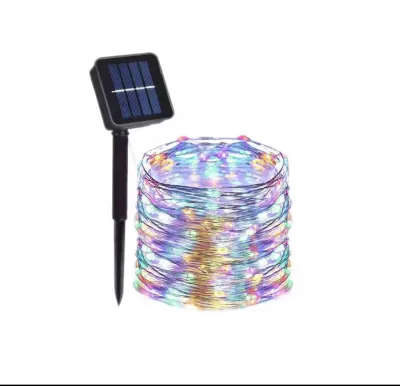
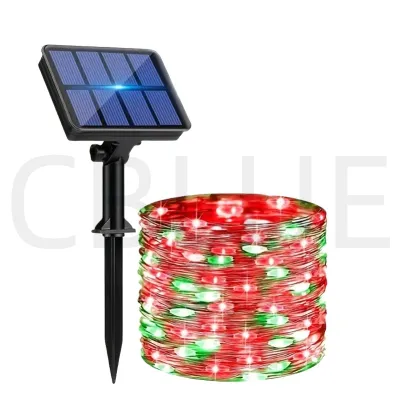
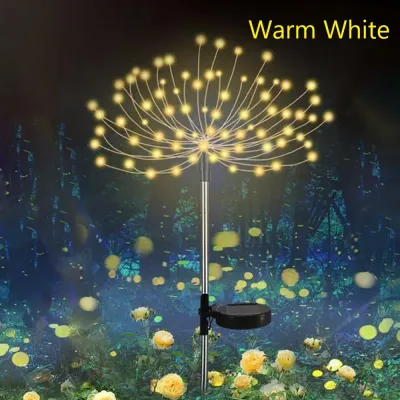
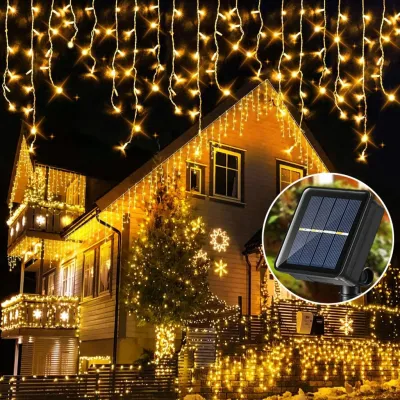
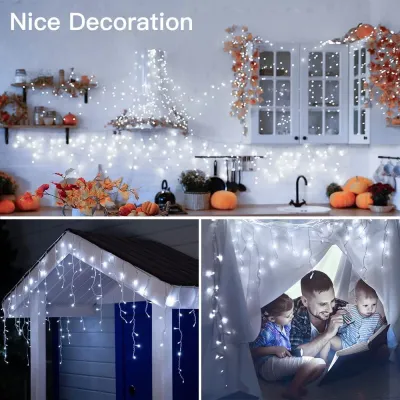
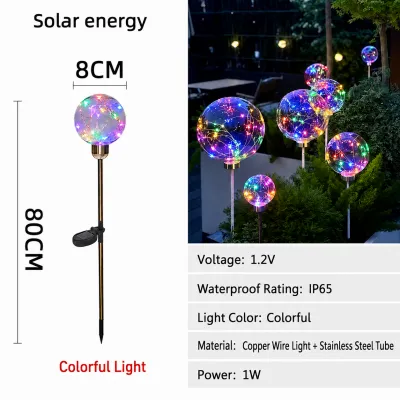
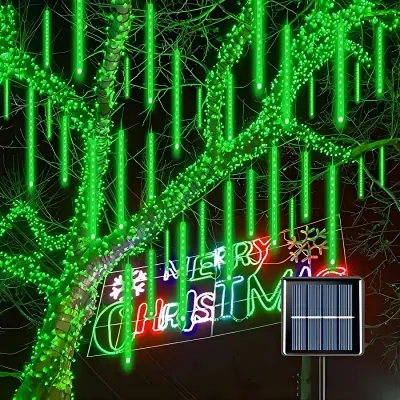
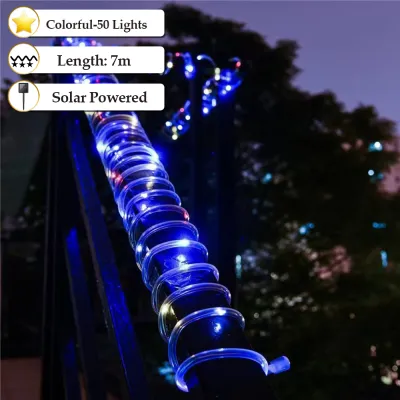
Prices are valid at publication and may change. Please refer to the product page for the latest price.
The Ingress Protection (IP) rating is the most critical specification for surviving the Philippine climate. Look for lights rated at least IP44, which protects against splashing water from any direction, though IP65 or higher is highly recommended for exposed garden areas and rooflines. An IP65 rating indicates the housing is completely dust-tight and can withstand low-pressure water jets, ensuring the internal circuitry remains dry during heavy tropical downpours. Avoid any products that fail to list an explicit IP rating on the packaging, as unrated enclosures are highly susceptible to moisture ingress and early failure.
Battery capacity, measured in milliampere-hours (mAh), directly determines how long your lights will stay illuminated after the sun goes down. Look for solar panels paired with rechargeable batteries of at least 1200mAh to 2000mAh to ensure a runtime of six to eight hours on a full charge. Because tropical weather can be unpredictable, a larger battery capacity acts as a buffer, storing extra energy on highly sunny days to keep the display glowing through overcast evenings. Always check the manufacturer’s label to verify the battery type, prioritizing lithium-ion or nickel-metal hydride (NiMH) options for better longevity and thermal tolerance.
Matching Light Modes and Styles to Your Outdoor Space
The visual impact of your holiday display depends heavily on selecting the right color temperature and bulb design for your home’s exterior. Warm white LEDs emit a soft, golden glow that creates a cozy, traditional holiday atmosphere, making them excellent for front porches, wooden railings, and garden pathways. Cool white LEDs offer a bright, modern, and crisp look that mimics ice or starlight, which stands out beautifully against dark foliage or modern concrete walls. For a lively, festive energy, multicolor strings featuring alternating red, green, blue, and yellow bulbs are a classic choice that appeals particularly to families.

Modern solar Christmas lights often feature built-in controllers with multiple lighting modes, ranging from steady-on to flashing, fading, chasing, and sequential patterns. When selecting a product, verify if the controller retains your last selected mode when it powers off, as cheaper models may reset to a chaotic flashing cycle every time the dusk sensor activates. Having adjustable modes allows you to tailor the visual speed to your setting; slower fading modes are peaceful for backyard gardens, while active flashing modes can draw attention to front-facing displays.
The physical shape of the light cover also influences how light is dispersed across your outdoor space. Micro fairy lights feature tiny, delicate LEDs embedded directly into thin copper or silver wire, making them virtually invisible during the day and perfect for wrapping delicate plants or creating a starry-night effect. Globe lights and larger novelty shapes, such as teardrops or snowflakes, use molded plastic covers that diffuse the light over a wider area, making them highly visible from a distance. Ensure the plastic covers are UV-resistant to prevent yellowing or cracking under the intense Philippine sun.
Installation and Placement Tips for Maximum Sun Exposure
To get the best performance from your solar Christmas lights, the placement of the solar panel is far more important than the location of the light string itself. In the Philippines, which lies in the northern hemisphere close to the equator, solar panels should generally face south or tilt slightly upward toward the open sky to capture the maximum amount of direct sunlight throughout the day. Avoid mounting the panel directly under roof overhangs, thick tree canopies, or behind glass windows, as even partial shading can reduce charging efficiency by more than half.
Another common installation pitfall is placing the solar panel too close to existing artificial light sources, such as bright streetlights, security floodlights, or porch lamps. Most solar Christmas lights feature an integrated dusk-to-dawn sensor that automatically activates the LEDs when ambient light levels drop. If a nearby light source shines directly onto the panel, the sensor will register that it is still daytime, preventing the string lights from turning on. Position the panel in a naturally dark corner of your yard or adjust its angle away from artificial light paths to ensure reliable automatic operation.
When hanging the light strings, prioritize non-damaging mounting methods that preserve the integrity of both your home and the light wiring. Use plastic gutter clips, insulated cable ties, or outdoor-rated adhesive hooks rather than metal staples or nails, which can easily pierce the protective rubber insulation and cause short circuits or electrical hazards. If you are installing lights at a significant height, such as along a high roofline or second-story balcony, always prioritize safety by using a stable ladder, securing the power-isolation boundaries if using a hybrid solar-mains system, and consulting a qualified professional for complex high-altitude setups.
Maintenance and Weatherproofing for the Holiday Season
Regular maintenance is essential to keep your solar holiday display running smoothly throughout the festive season. Over the course of several weeks, a fine layer of dust, pollen, and environmental grime can accumulate on the surface of the solar panel, blocking sunlight and reducing its charging capacity. Wipe the panel clean every two weeks using a soft, damp microfiber cloth without harsh chemical cleaners, which can scratch or degrade the protective plastic coating.
Periodically inspect the entire length of the wire and the connection points between the string and the solar panel, especially after periods of heavy rain or strong winds. Look for signs of wear, such as fraying insulation, loose connections, or moisture accumulation inside the battery compartment. If your lights feature a detachable panel, ensure the screw-cap connectors are tightened securely to prevent water from seeping into the electrical contacts.
The holiday season in the Philippines occasionally overlaps with late-season tropical storms or typhoons. While high-quality solar lights are designed to withstand regular rain, severe weather with high winds can tear wires from their mountings or damage the solar panel bracket. When a typhoon warning is active, it is best to temporarily take down your solar panels and light strings, store them in a dry indoor space, and reinstall them once the weather clears to prevent permanent physical damage.
Building Your Shortlist: What to Look for on the Product Label
Before finalizing your purchase from an online marketplace or local retailer, carefully review the product packaging and labels to verify quality and safety. Look for recognized electrical safety marks or international compliance certifications, such as CE, RoHS, or local quality assurance indicators, which confirm the product has undergone testing for electrical safety and environmental standards. While solar lights operate on low-voltage direct current (DC) and carry a minimal risk of shock, certified components ensure the internal battery and charging circuitry are stable and safe from overheating.
Check the retail listing or packaging for clear information regarding manufacturer warranties and return policies. Reliable brands typically offer a warranty period of at least three to six months, which provides peace of mind in case of early component failure or manufacturing defects. Be cautious of unbranded, extremely cheap options that offer no warranty or return path, as these often use lower-grade batteries that degrade rapidly after only a few weeks of use.
Finally, verify the exact list of included accessories to ensure you have everything needed for a successful installation. A complete kit should include a sturdy ground stake for garden placement, an adjustable mounting bracket with screws for wall or fence installation, and a sufficiently long lead cable between the solar panel and the first LED bulb. A long lead cable is particularly valuable because it allows you to position the solar panel in a sunny, open area while hanging the decorative lights in a shaded porch or under a covered patio.
Frequently Asked Questions (FAQ)
Do outdoor solar Christmas lights work on cloudy or rainy days?
Yes, outdoor solar Christmas lights can still charge on cloudy or rainy days, but their efficiency is significantly reduced. Solar panels rely on daylight to generate electricity, so while they do not require direct, blazing sunlight to function, diffuse light through thick cloud cover will result in a much slower charge. Consequently, you should expect a shorter illumination time at night during consecutive days of overcast weather.
Can I leave solar string lights outside all year round?
While many high-quality solar lights feature durable weatherproofing, seasonal Christmas lights are generally not designed for permanent, year-round outdoor exposure. Leaving them installed through the intense heat of the dry season and the heavy rains of the monsoon season can accelerate the degradation of the plastic wire insulation and the rechargeable battery. To maximize their lifespan, it is best to clean, dry, and store them in a cool, dry place once the holiday season ends.
Why do my solar lights turn on during the day?
If your solar lights turn on during daylight hours, the most common cause is a covered or heavily shaded solar panel. The built-in light sensor is located inside the solar panel assembly, and if it is blocked by leaves, dirt, or positioned in a very dark corner, it will mistake the shade for nighttime. Cleaning the panel and moving it to an area with brighter ambient light will usually resolve this issue and restore normal automatic operation.

Community discussion
Share your experience or ask a question. Comments are reviewed before publication.