
Selecting the best solar lights in the Philippines depends on matching a fixture’s technical specifications—such as Ingress Protection (IP) ratings, lumen output, battery chemistry, and panel type—to the specific demands of your outdoor space. Whether you are illuminating a lush garden path in Metro Manila, securing a perimeter wall in Cebu, or lighting up a long driveway in Davao, understanding these technical details ensures your investment survives the tropical climate. Transitioning to solar energy is a highly practical strategy for Philippine homeowners, offering a reliable way to reduce monthly electricity bills while ensuring your outdoor areas remain illuminated during sudden power outages or typhoons.
To get the most out of your outdoor lighting, you must look beyond aesthetic appeal and evaluate how different fixtures perform under real-world conditions. High humidity, heavy monsoon rains, intense heat, and salty coastal air all dictate which materials and designs will endure. By focusing on durability, battery capacity, and proper placement, you can establish an efficient, low-maintenance lighting system that enhances both the beauty and security of your property.
Match the Right Solar Light to Your Outdoor Space
Every outdoor zone serves a distinct purpose, meaning a single type of solar light cannot effectively serve your entire property. To build a cohesive and functional outdoor lighting system, you must select fixtures tailored to the specific physical demands and visual goals of each area.
Products mentioned in this guide
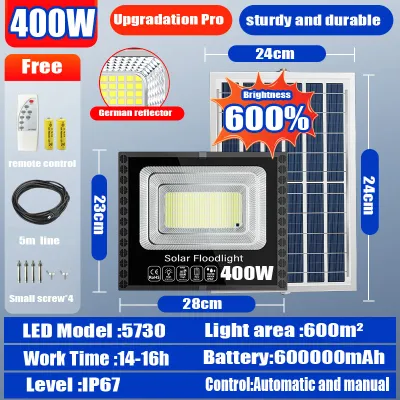
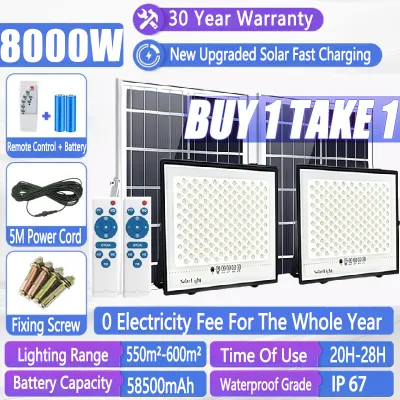
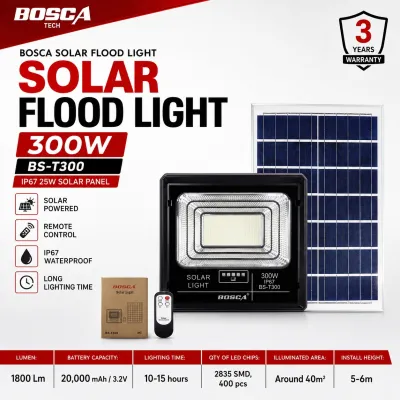
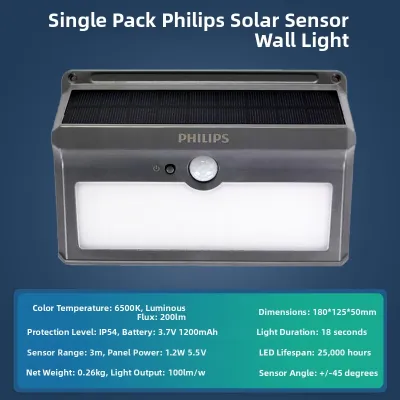
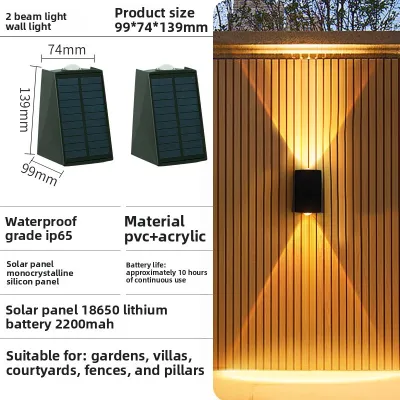
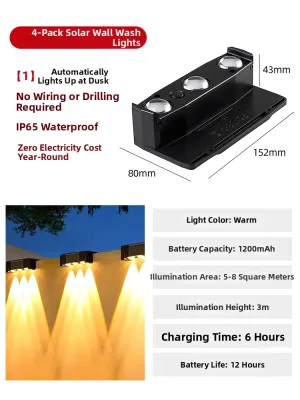
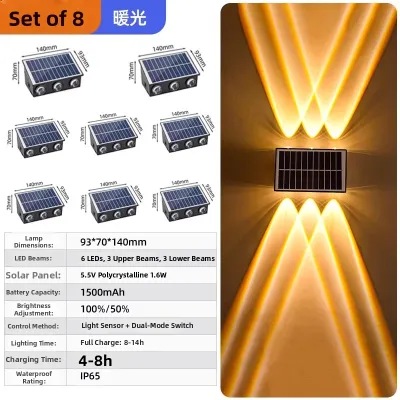
Prices are valid at publication and may change. Please refer to the product page for the latest price.
Gardens and Pathways
Garden paths and walkways benefit most from low-level, glare-free illumination that guides foot traffic while highlighting your landscaping. Stake lights and low-profile pathway lights are ideal for this purpose, as they can be easily inserted directly into the soil along borders and flowerbeds.
When selecting garden lights, consider the following design and performance factors:
- Color Temperature: A warm color temperature (typically 2700K to 3000K) is a popular conditional preference for gardens, as it creates a soft, welcoming ambiance that complements natural green foliage and wooden elements.
- Lumen Output: Lower brightness levels, ranging from 10 to 50 lumens, are generally sufficient to mark path boundaries without causing harsh glare or disrupting the natural nighttime environment.
- Material Selection: Because these fixtures sit close to damp soil and wet grass, look for corrosion-resistant materials. While high-quality ABS plastic is cost-effective and rust-proof, die-cast aluminum or stainless steel options offer greater structural rigidity, provided they feature protective anti-corrosion coatings to withstand high humidity.
Driveways and Walkways
Driveways and main entry walkways require highly durable fixtures that provide wider beam angles and clear visibility for both drivers and pedestrians. Because these areas are prone to accidental impacts from vehicles, lawnmowers, or active pets, the physical durability of the light housing is just as important as its light output.
For safe and reliable driveway navigation, prioritize these features:
- Robust Housing: Heavy-duty ground-recessed disc lights (often called paver lights) or thick-walled metal bollards are excellent choices. Recessed lights should have high weight-bearing ratings to ensure they do not crack if a vehicle tire rolls over them.
- Consistent Runtime: Driveway lights should ideally operate continuously from dusk to dawn. Look for fixtures with larger battery capacities to ensure they remain lit throughout the night, even after overcast days.
- Moderate Brightness: A brightness level of 100 to 300 lumens per fixture is recommended to provide clear visibility along the edges of the driveway without blinding drivers as they park.
Security and Perimeters
Security lighting prioritizes high-intensity illumination, wide coverage, and active deterrence over decorative aesthetics. These fixtures are typically mounted high on perimeter walls, fences, or posts to cast a broad sheet of light over vulnerable entry points, blind spots, and boundary lines.
When evaluating security-focused solar lights, focus on these technical aspects:
- High Lumen Output: Security floodlights and wall packs require high-intensity output, typically ranging from 800 to over 2,000 lumens, to effectively expose dark corners and deter intruders.
- Cooler Color Temperatures: Cooler color temperatures (5000K to 6500K) are generally preferred for security applications. This crisp, white light provides high-contrast visibility, making it easier to identify objects, motion, or faces on security cameras.
- Installation Safety: Because security lights are often mounted at a height, always prioritize safety during installation. Use stable ladders, ensure the mounting surface can support the weight of the fixture under high wind loads, and follow all manufacturer instructions. If your solar security light features a hybrid backup system that connects to your home's main electrical grid, always isolate the power supply before handling any wiring, or hire a qualified professional to complete the installation.
Key Specifications to Check on the Product Label
To avoid purchasing underpowered or fragile fixtures, you must look past marketing buzzwords and carefully analyze the technical specifications printed on the product label. These metrics provide an objective measure of how the light will perform and how long it will last in a tropical environment.

Brightness and Lumens
Many buyers mistakenly rely on wattage to judge the brightness of a solar light. However, wattage only measures electrical power consumption, whereas lumens (lm) measure the actual volume of visible light emitted by the fixture. Because LED efficiency varies widely between brands, always compare the lumen ratings to determine true brightness.
To match the light output to your specific application, use these general guidelines:
- Accent and Decorative Lighting: 5 to 30 lumens (ideal for flowerbeds, planters, and soft garden accents).
- Pathway and Border Marking: 50 to 150 lumens (perfect for defining walkways and steps safely).
- Driveways and Entryways: 100 to 300 lumens (provides clear visibility for vehicular and pedestrian movement).
- Security Floodlights: 800 to 2,000+ lumens (designed to illuminate large open areas and deter unauthorized access).
Battery Type and Capacity
The battery is the heart of a solar lighting system, determining how much energy can be stored during the day and how long the light can remain illuminated at night. Understanding battery chemistry is crucial for predicting long-term performance in hot climates.
Compare these common battery types before making a purchase:
- Lithium Iron Phosphate (LiFePO4): This is the gold standard for modern solar lights. LiFePO4 batteries offer exceptional thermal stability, making them highly resistant to the intense tropical heat of the Philippines. They also support deep discharge cycles and typically last between 3 to 5 years before requiring replacement.
- Lithium-ion (Li-ion): Commonly used in mid-to-high-range fixtures, Li-ion batteries offer high energy density in a compact size. While highly efficient, they are slightly more sensitive to extreme heat than LiFePO4 cells, but they still deliver reliable performance and a long lifespan.
- Nickel-Metal Hydride (NiMH): Often found in budget-friendly, low-lumen garden stake lights, NiMH batteries are affordable and easy to replace. However, they have a lower energy density, a shorter overall lifespan (typically 1 to 2 years), and can degrade quickly under constant exposure to high ambient temperatures.
- Capacity (mAh): Battery capacity is measured in milliampere-hours (mAh). A higher capacity allows the fixture to store more energy, which is essential for maintaining illumination through long, rainy nights when daytime charging is limited.
Weather Resistance and IP Ratings
In the Philippines, outdoor lights must endure intense tropical downpours, high humidity, and occasional typhoons. The Ingress Protection (IP) rating indicates how effectively the light’s housing seals out solid particles and moisture. The rating consists of two digits: the first measures protection against solids (0 to 6), and the second measures protection against liquids (0 to 9).
When verifying IP ratings, look for these standards:
- IP44: Protects against solid objects larger than 1 mm and splashes of water from any direction. This rating is acceptable only for sheltered outdoor areas, such as covered patios or under deep roof eaves.
- IP65: Dust-tight and protected against water jets from any angle. This is the recommended minimum rating for fully exposed garden, pathway, and driveway lights, ensuring they can withstand heavy monsoon rains.
- IP67: Dust-tight and protected against temporary submersion in water. This rating is ideal for low-lying ground lights or areas prone to temporary pooling or minor flooding during heavy storms.
- Component Check: Always verify that both the light housing and the solar panel (if separate) carry an appropriate IP rating, as water ingress in either component will cause premature system failure.
Solar Panel Efficiency
The solar panel converts sunlight into electrical energy to charge the battery. The efficiency of this conversion determines how quickly your lights can charge, especially on overcast or rainy days.
Evaluate the two primary panel types:
- Monocrystalline Panels: Made from a single, high-purity silicon crystal, these panels are highly efficient (typically 15% to 22%). They perform exceptionally well in low-light conditions, making them the best choice for ensuring your lights charge during the cloudy monsoon season.
- Polycrystalline Panels: Constructed from multiple silicon fragments melted together, these panels are more affordable but less efficient (typically 13% to 16%). They require more direct, intense sunlight to achieve a full charge, making them better suited for areas that receive unobstructed, all-day sun.
Electrical Safety and Certifications
Before purchasing any solar lighting product, verify that it carries recognized electrical safety and quality certifications, such as CE, RoHS, or local quality marks. Ensure that the product label clearly states the operating voltage, maximum wattage limits, and dimming methods. If you are installing a low-voltage system or a hybrid setup that interfaces with your home’s electrical grid, check that the transformer and wiring interfaces are fully compatible with your local electrical standards to prevent short circuits or fire hazards.
Understanding Sensors and Lighting Modes
Modern solar lights rely on smart sensors and customizable operational modes to balance energy consumption with illumination needs. Choosing the right sensor technology ensures your lights operate efficiently without wasting stored battery power.
Dusk-to-Dawn Photocells
Photocells are light-sensitive sensors that automatically control the fixture’s power cycle based on ambient light levels. When the sun sets, the sensor detects the drop in light and switches the LEDs on; at sunrise, it detects the returning light and turns the fixture off to begin the charging cycle.
To ensure reliable dusk-to-dawn operation, keep these factors in mind:
- Sensor Obstruction: Keep the photocell clear of dirt, fallen leaves, and overgrown foliage. A blocked sensor may cause the light to turn on during the day, draining the battery.
- Ambient Light Interference: Avoid placing solar lights near bright artificial light sources, such as streetlights or porch lamps. The photocell may mistake this artificial light for daylight, preventing the solar light from turning on at night.

Community discussion
Share your experience or ask a question. Comments are reviewed before publication.