
To find the best solar outdoor lights for your garden and pathways in the Philippines, you must look beyond basic aesthetics and focus on weather resistance, battery capacity, and solar panel efficiency. The local climate presents unique challenges, including intense tropical heat, high humidity, salt-laden air in coastal regions, and heavy monsoon rains. Choosing the right fixtures requires matching the specific lighting needs of your outdoor zones with durable, high-IP-rated hardware that can withstand these environmental demands while delivering reliable illumination throughout the night. By understanding how solar technology interacts with tropical weather, you can design an energy-efficient, low-maintenance lighting system that enhances both the safety and beauty of your home.
Assessing Your Garden and Pathway Lighting Needs
Before purchasing any solar fixtures, it is essential to map out your outdoor space and define the primary function of each lighting zone. Gardens and pathways serve multiple purposes, and a single type of light is rarely sufficient for the entire property. For instance, walkways and driveways require clear wayfinding illumination to prevent trips and falls, while perimeter walls and gates demand bright, wide-angle security lighting to deter intruders. Meanwhile, garden beds, trees, and patio areas benefit from softer, ambient accent lighting that highlights architectural features and landscaping without causing harsh glare.
Evaluating daily sunlight exposure is the next critical step, particularly in tropical landscapes where dense foliage is common. Lush gardens featuring banana plants, palms, or ornamental shrubs often cast deep shadows that block direct sunlight from reaching ground-level solar panels. If you plan to install lights in heavily shaded areas, you must identify spots that receive at least four to six hours of unshaded sunlight daily. For deeply shaded zones, look for solar fixtures that feature a detached solar panel connected by a long cable, allowing you to mount the panel on a sunny rooftop or fence while placing the light fixture exactly where it is needed.
Products mentioned in this guide
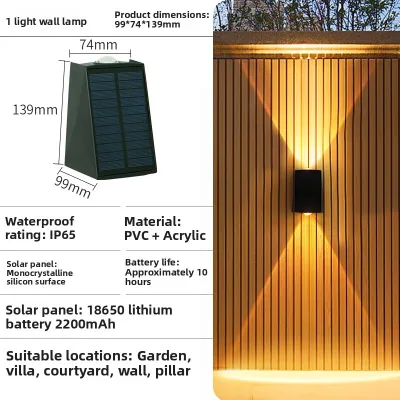
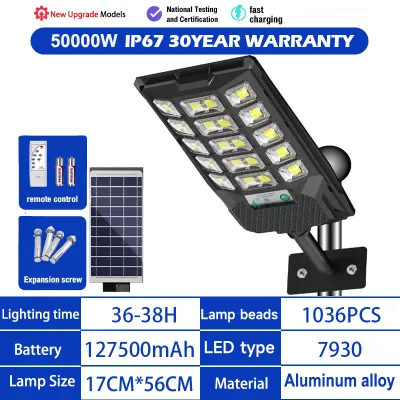
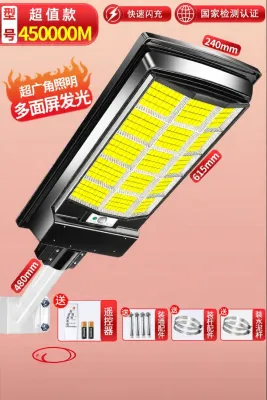
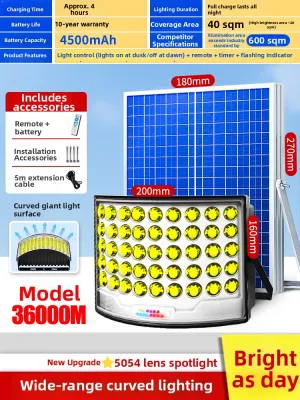
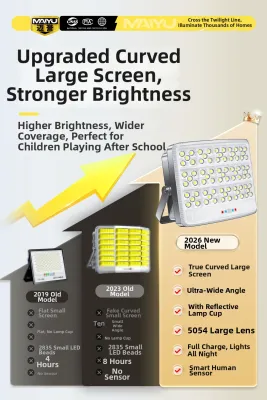
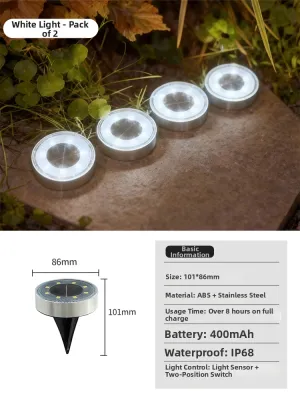
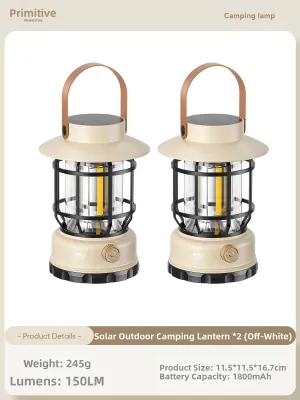
Prices are valid at publication and may change. Please refer to the product page for the latest price.
Finally, take precise measurements of your pathway widths and garden dimensions to estimate the number of fixtures required and their optimal spacing. Placing pathway lights too close together can create a cluttered, runway-like appearance, while spacing them too far apart leaves dark, unsafe gaps. As a general guideline, low-intensity pathway lights should be spaced approximately 1.5 to 3 meters apart, depending on their lumen output and beam spread. Measuring your space beforehand prevents over-purchasing and ensures a balanced, visually appealing distribution of light across your entire landscape.
Key Specifications to Check Before Buying
Navigating the technical specifications of solar lights is crucial to ensuring they perform reliably under local environmental conditions. One of the most common points of confusion is the relationship between lumen output and wattage claims. In traditional wired lighting, wattage indicates power consumption, which correlates directly with brightness. However, in solar lighting, manufacturers often list the wattage of the solar panel or the LED chip capacity rather than the actual light output. To determine how bright a fixture will actually be, always look for the lumen rating on the product label, as lumens measure the visible light emitted by the source.

When selecting solar lights, always verify the voltage, base or interface compatibility, wattage limits, physical dimensions, dimming methods, and relevant electrical certifications on the product label to ensure safe operation in your specific installation environment. The battery is the heart of any solar light, dictating both its nightly runtime and its overall lifespan. In hot and humid climates, battery chemistry plays a vital role in durability. Lithium Iron Phosphate (LiFePO4) batteries are highly recommended for outdoor solar applications due to their exceptional thermal stability, safety, and long cycle life, often lasting significantly longer than standard Lithium-ion or Nickel-Metal Hydride alternatives. When comparing options, verify the battery capacity in milliampere-hours to ensure it can store enough energy to power the light through the night.
Given the intense rainfall and tropical storms that regularly sweep through the region, verifying the Ingress Protection (IP) rating is non-negotiable. The IP rating consists of two digits: the first indicates protection against solid objects like dust, and the second indicates protection against liquids. For garden and pathway lights exposed to heavy downpours, look for a minimum rating of IP65, which protects against water jets from any angle. For ground-level stake lights or fixtures installed in areas prone to temporary pooling or flooding, opt for IP67 or IP68 ratings, which certify that the housing can withstand temporary immersion in water.
The efficiency of the solar panel itself determines how quickly and effectively the battery charges during the day. Monocrystalline solar panels are the preferred choice for outdoor lighting because they offer the highest energy conversion rates and perform significantly better in low-light or overcast conditions than cheaper polycrystalline panels. Additionally, consider the physical design of the panel: integrated panels are compact and easy to install but must be positioned carefully to catch the sun, whereas separate panels offer the flexibility to optimize the angle and direction of solar collection independently of the light fixture.
Matching Solar Light Types to Outdoor Spaces
Selecting the right physical form factor and beam angle for each outdoor zone ensures that your lighting is both functional and visually pleasing. Pathway and stake lights are specifically designed to outline walkways, driveways, and garden borders. These fixtures typically feature low-glare, downward-facing LEDs that cast a gentle pool of light onto the ground, guiding footsteps without shining directly into the eyes of pedestrians. When installing stake lights, ensure they are securely anchored into stable soil or gravel, and choose models with durable, UV-resistant housings that will not crack or discolor under intense tropical sun exposure.
For security and broad illumination, wall-mounted fixtures and floodlights are the most effective choices. These high-lumen lights are ideal for securing entrances, garage doors, gates, and dark corners around the perimeter of your home. Because floodlights emit a wide, intense beam of light, they should be mounted at a sufficient height to maximize coverage and prevent direct glare at eye level. For any solar lighting installations that involve fixed wiring—such as hybrid solar-electric systems—or those mounted at significant heights, safety must be your top priority. Always ensure the power is isolated before beginning installation, strictly follow the manufacturer’s instructions, and consult a qualified professional for complex mounting or electrical connections.
Decorative and string lights serve a completely different purpose, focusing on creating a warm, inviting ambiance in outdoor living areas. These lights are perfect for draping over patios, pergolas, balconies, and garden seating areas where family and friends gather in the evening. Keep in mind that decorative styles, perceived color temperatures, and spatial lighting effects are highly subjective and should be treated as conditional preferences rather than universal performance standards. When choosing string lights, verify that the entire assembly, including the cabling and bulb sockets, carries an outdoor-use rating, and secure the wires firmly to support structures to prevent damage from strong winds during typhoon season.
Smart Features and Lighting Modes
Modern solar outdoor lights often come equipped with smart features and various operational modes designed to optimize battery life and user convenience. One of the most practical features is the integration of Passive Infrared (PIR) motion sensors. Instead of running at full brightness all night, motion-sensor lights can remain in a low-power dim mode or turn off completely until movement is detected, at which point they switch to maximum brightness. This dynamic power management is incredibly useful during the rainy season when limited daytime sunlight prevents the battery from reaching a full charge, allowing the fixture to conserve energy while still providing security when needed.
Adjustable brightness levels and color temperature options allow you to customize the atmosphere of your outdoor spaces to suit different occasions. Color temperature is measured in Kelvin; warm white light (around 2700K to 3000K) creates a cozy, relaxing environment suitable for garden beds and seating areas, while cool white or daylight (around 5000K to 6500K) provides crisp, high-contrast visibility ideal for security and task lighting. Many advanced solar fixtures allow users to toggle between these color temperatures or adjust the brightness via built-in switches or remote controls, offering excellent versatility.
Remote controls and programmable timer functions add a layer of convenience, particularly for fixtures installed in hard-to-reach areas, such as high-mounted floodlights or gutter lights. A remote control allows you to turn lights on or off manually, adjust brightness levels, or select specific operating hours without needing a ladder to access the physical switch on the fixture. When evaluating these features, check the effective range of the remote control and ensure that the receiver on the light fixture is positioned with a clear line of sight to avoid signal interference.
Evaluating Listings and Avoiding Common Pitfalls
Shopping for solar lights on online marketplaces requires a critical eye, as listings are frequently filled with exaggerated claims and misleading specifications. A common pitfall is falling for astronomical wattage or lumen ratings, such as “9999W” or “100,000 lumens” on cheap, unbranded fixtures. These numbers are physically impossible for compact solar lights and are used purely as marketing tactics. To protect yourself, cross-reference the advertised specifications with the physical dimensions of the solar panel and the battery capacity; a small panel and a low-capacity battery simply cannot sustain high-lumen output for extended periods.
To gauge the real-world performance and durability of a solar light, look past the promotional images and dive deep into verified buyer reviews. Pay close attention to feedback from users who have operated the lights for several months, as this reveals how well the battery holds a charge over time and whether the housing remains watertight after exposure to heavy rains. Look for photos uploaded by customers to verify the actual brightness and build quality of the product, and be skeptical of listings that have an overwhelming number of generic, single-word positive reviews.
Before finalizing your purchase, carefully review the seller’s warranty terms, return policies, and the availability of replacement parts. High-quality solar lights should come with a clear manufacturer warranty that covers defects in materials and workmanship for a reasonable period. Additionally, because rechargeable batteries eventually degrade and lose capacity after a few years of continuous use, check whether the fixture’s battery compartment is accessible and if replacement batteries of the same voltage and chemistry are readily available. Choosing brands or sellers that offer reliable customer support and spare parts ensures that your lighting investment will last for years to come.
Frequently Asked Questions (FAQ)
How long do solar outdoor lights typically last?
The overall lifespan of a solar outdoor light depends on its individual components, with the LED light source, the housing, and the rechargeable battery all having different lifecycles. High-quality LED chips can last for tens of thousands of hours, while durable plastic or aluminum housings can withstand outdoor elements for several years. However, the rechargeable battery is typically the first component that will need attention, generally lasting between one to three years depending on the battery chemistry and usage patterns. To maximize the lifespan of your fixtures, keep the solar panels clean and free of debris, and consult the manufacturer’s guidelines for recommended battery replacement intervals.
Do solar lights work during the rainy season?
Yes, solar lights continue to work during the rainy season, but their performance and nightly runtime will be reduced due to prolonged cloud cover. Solar panels do not require direct sunlight to charge; they can still generate electricity from diffuse daylight on overcast or rainy days, though at a much lower efficiency. To ensure your lights remain functional during extended periods of bad weather, select fixtures equipped with high-capacity batteries and monocrystalline solar panels, which are more efficient in low-light conditions. Utilizing energy-saving modes, such as motion-sensor activation instead of continuous dusk-to-dawn lighting, will also help conserve stored battery power.
Can I replace the batteries in solar pathway lights?
In many cases, yes, you can replace the batteries in solar pathway lights, provided the fixture is designed with an accessible battery compartment. Before attempting a replacement, consult the product manual or inspect the underside of the light head for a removable cover secured by screws or a twist-lock mechanism. When purchasing replacement batteries, it is critical to match the exact voltage, capacity, and chemistry of the original battery to prevent damage to the charging circuitry. If the battery is permanently sealed inside the housing, attempting to replace it may compromise the fixture’s watertight seal, in which case the entire unit may need to be replaced.

Community discussion
Share your experience or ask a question. Comments are reviewed before publication.