
Selecting the ideal solar parol for your holiday display requires a careful balance between traditional Filipino design and modern, weather-resistant solar technology. Because these decorative lanterns are exposed to the elements during the wet and windy transition into the cooler holiday months, choosing a design is not merely an aesthetic decision but a technical one. You must evaluate how the parol captures sunlight, resists moisture, and mounts securely to your home’s exterior. By focusing on structural integrity, battery specifications, and solar panel placement, you can enjoy a brilliant, cost-effective festive display that honors heritage while embracing modern efficiency.
Key Criteria for Evaluating Solar Parol Designs
Before purchasing a solar parol, measure the physical dimensions of your intended installation area to ensure a proper fit. A parol that is too large can block walkways, obstruct window views, or become a sail during strong seasonal winds, while one that is too small will lose its visual impact from the street. Consider the clearance beneath eaves, balconies, or gates, and ensure there is at least a few inches of space around the perimeter of the lantern to prevent it from repeatedly striking walls or structural pillars when the wind picks up.
The location of your solar panel is critical to the performance of your holiday display. Solar parols generally feature either an integrated panel built directly into the frame or a detached panel connected by a thin, weather-resistant cable. Integrated panels offer a clean, self-contained look but require the entire parol to be hung in direct, unobstructed sunlight. Detached panels, which can be mounted on a ground stake or bracketed to a nearby roofline, provide the flexibility to hang your decorative lantern in shaded areas, such as under deep porch eaves, while placing the solar collector in an optimal, sun-drenched spot.
Products mentioned in this guide
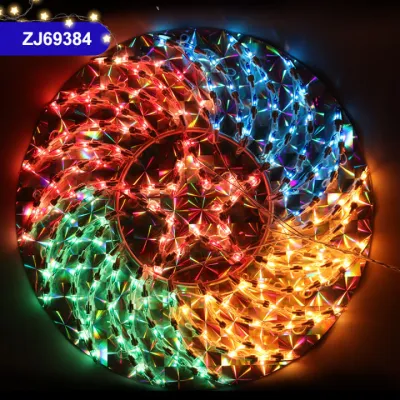
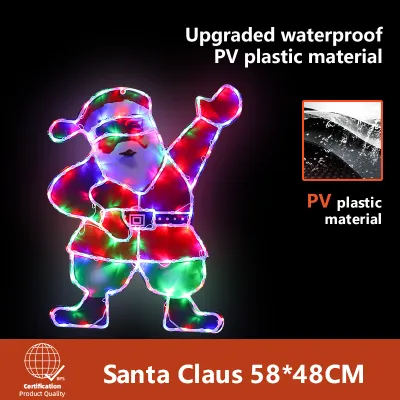
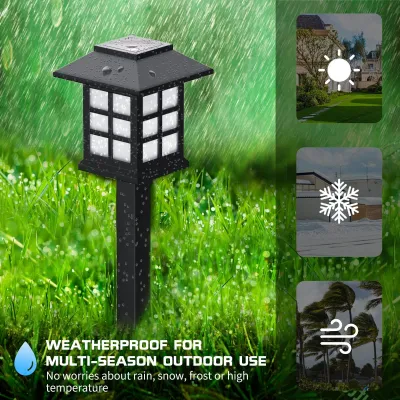
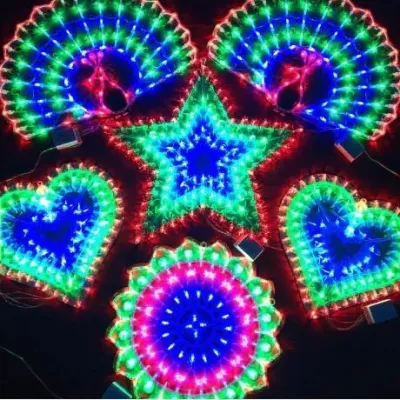
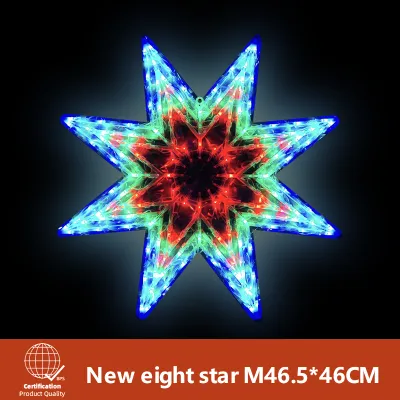
Prices are valid at publication and may change. Please refer to the product page for the latest price.
Balancing traditional aesthetics with modern durability is essential for a long-lasting investment. While classic designs evoke nostalgia, they must be constructed from materials that can withstand high humidity and sudden downpours without warping or short-circuiting. When planning your budget in ₱, look beyond the initial purchase price of the parol itself. Factor in the potential cost of high-quality mounting brackets, heavy-duty extension cables for detached panels, and future replacement batteries, as cheaper models often use proprietary power cells that are difficult or expensive to source locally.
Consider the primary function of the parol’s illumination within your overall outdoor lighting scheme. If you require the lantern to provide functional pathway visibility or highlight architectural features, look for designs with higher lumen outputs and clear, directional LED placement. For a purely decorative, ambient glow, diffused light sources are preferable. Color temperature also plays a significant role in setting the holiday mood; warm white LEDs offer a classic, welcoming glow reminiscent of traditional incandescent bulbs, while vibrant multicolor options deliver a dynamic, festive energy.
Popular Solar Parol Design Styles and Where to Use Them
Matching the right parol style to your home’s architecture ensures a cohesive holiday look. Different designs offer unique structural benefits and light dispersion patterns that suit specific outdoor environments.

Traditional Star and Capiz-Inspired Shapes
Traditional capiz shell parols are beloved for their pearlescent, translucent glow, but natural shells are highly fragile and susceptible to cracking in harsh outdoor conditions. Modern solar alternatives replicate this classic aesthetic using frosted acrylic, UV-stabilized resin, or treated heavy-duty polymers. These synthetic materials mimic the soft, diffused light transmission of natural capiz while offering superior impact resistance and weatherproofing, ensuring the delicate star patterns remain intact through heavy seasonal rains.
Because of their intricate patterns and cultural significance, these classic multi-point star designs serve as excellent focal points for prominent areas of your home. Hanging them above main gates, centered on spacious balconies, or inside large street-facing windows maximizes their visual impact. When mounting them in highly visible areas, ensure the solar panel is positioned where it will not detract from the clean lines of the traditional star shape.
Authentic traditional parols often feature decorative tassels, known as borlas, and elegant tail extensions that sway gently in the breeze. When selecting a solar-powered version, verify that these decorative elements are made from weather-resistant synthetic fibers, such as nylon or polyester, rather than paper, cardboard, or untreated cotton. Synthetic tassels will not absorb water, sag, or rot, allowing them to retain their shape and vibrant colors even after prolonged exposure to tropical humidity.
Modern Geometric and Minimalist Frames
For contemporary homes with clean lines and minimalist architecture, ornate traditional designs can sometimes clash with the exterior aesthetic. Modern geometric solar parols utilize sleek metal wireframes, flat-panel LED arrays, and abstract star shapes to deliver a festive touch that complements modern facades. These designs often feature exposed, low-profile LED nodes or flexible neon-style silicone strips that outline the geometric frame, creating a sharp, high-contrast visual effect at night.
One of the primary practical advantages of minimalist, open-frame geometric designs is their low wind resistance. Because these structures lack solid backing panels, wind can pass freely through the frame rather than pushing against it. This makes open wireframe parols exceptionally well-suited for high-wind installations, such as exposed roof eaves, high fences, or open-air carports where solid-bodied lanterns might be torn from their mountings.
When selecting a modern wireframe design, pay close attention to how the LED strips or light nodes are secured to the frame. High-quality models feature fully embedded LEDs encased in thick, flexible silicone sleeves or protective resin channels that prevent moisture from reaching the electrical connections. Ensure that the mounting clips or zip ties used to secure the lighting elements are UV-resistant to prevent them from becoming brittle and snapping under the intense tropical sun.
Lantern-Style and Woven Natural Materials
Woven solar parols made from natural materials like rattan, bamboo, or abaca offer a rustic, tropical charm that blends seamlessly with garden landscapes and heritage-style homes. However, natural fibers are highly vulnerable to moisture, mold, and UV degradation. If you prefer this organic look, verify that the woven materials have been treated with a clear, weather-resistant sealant and UV inhibitors, or opt for high-quality synthetic weaves made from polyethylene that replicate the texture of natural fibers without the risk of rotting.
The tight, overlapping patterns of woven parols create a unique lighting effect by casting intricate, textured shadows onto surrounding walls and surfaces. Rather than emitting a bright, direct beam, these lanterns produce a cozy, dappled glow that is ideal for creating a warm, intimate atmosphere. This makes them highly effective for low-level ambient lighting where a softer, more relaxed holiday vibe is desired.
Due to the semi-porous nature of woven designs, they are best installed in semi-protected outdoor spaces. Covered porches, verandas, gazebos, or deep window recesses provide excellent shelter from direct, torrential downpours while still allowing the detached solar panel to be routed to an open area for charging. This placement protects the delicate woven structure from water logging and extends the overall lifespan of the decorative materials.
Crucial Electrical and Installation Checks Before Purchase
The Ingress Protection (IP) rating is the most critical specification to verify when choosing an outdoor solar parol. Look for a minimum rating of IP44, which protects against splashing water from all directions, though IP65 or higher is highly recommended for fully exposed outdoor installations to guard against heavy tropical downpours. Avoid products that do not clearly state an IP rating on the packaging or manufacturer label, as unrated enclosures are highly prone to water ingress, leading to rapid corrosion of the internal circuitry and premature product failure.
Secure installation is paramount, especially when hanging a parol at a height where a fall could cause injury or property damage. Evaluate the mounting hardware included with the parol and compare it to your home’s exterior surfaces. While lightweight models may include simple adhesive hooks or thin wire ties, mounting a heavy parol onto concrete eaves or wooden fascia boards requires robust masonry anchors, heavy-duty screw hooks, or dedicated metal brackets. For any installation involving work at height, suspended loads, or integration into existing fixed electrical wiring, always prioritize safety by following the manufacturer’s installation instructions and consulting a qualified professional if necessary.
The type of rechargeable battery housed within the solar parol’s control box directly affects its performance and longevity. Lithium-ion (Li-ion) or Lithium Iron Phosphate (LiFePO4) batteries generally offer superior energy density, faster charging times, and longer lifespans compared to older Nickel-Metal Hydride (NiMH) batteries, especially in hot tropical climates. Crucially, verify that the battery compartment is easily accessible and uses standard, user-replaceable battery sizes; being able to swap out a degraded battery after a year or two of use prevents you from having to discard the entire parol.
To keep your parol illuminated throughout the night, the solar panel must generate sufficient wattage to fully charge the battery during the day. During the holiday season, days can be shorter and frequently overcast due to passing tropical depressions. Choose a solar panel with an adjustable mounting bracket that allows you to tilt and rotate the panel toward the path of the sun, maximizing solar energy absorption even on cloudy days.
Always check for recognized electrical safety certifications on the product label to ensure the internal components have been tested for safe operation. Verify that the voltage and wattage limits of the solar charging system match the specifications of the battery and LED array. If the parol includes an optional mains-power backup adapter for indoor use, ensure the adapter is certified for local voltage standards and that you isolate the power supply before performing any adjustments or maintenance on the unit.
Weatherproofing and Maintenance for Outdoor Holiday Displays
Dust, pollen, bird droppings, and wind-blown debris can accumulate rapidly on the surface of your solar panel, creating a barrier that blocks sunlight and drastically reduces charging efficiency. Establish a routine cleaning schedule, gently wiping the panel surface with a soft, damp microfiber cloth and clean water at least once every two weeks. Avoid using abrasive scrubbing pads, harsh chemical detergents, or high-pressure water sprays, as these can scratch the protective glass or compromise the waterproof seals around the panel frame.
Periodically inspect the physical condition of your solar parol, especially after heavy rainstorms or periods of high wind. Check the rubber seals around the battery compartment, the integrity of the wire connections, and the structural joints of the frame for any signs of moisture ingress, rust, or physical wear. If you notice minor gaps in the housing or loose wire connections, address them immediately to prevent water from reaching the delicate electronic components inside.
Proper storage during the off-season is essential for preserving the lifespan of your solar parol for future holidays. Once the Christmas season ends, carefully dismantle the display, clean all components thoroughly, and ensure they are completely dry before packing. Crucially, remove the rechargeable batteries from the compartment to prevent slow discharge and catastrophic acid leakage, which can ruin the contacts and internal circuitry. Store the parol and its accessories in a sturdy, dust-proof container kept in a cool, dry, and temperature-stable indoor environment away from direct sunlight.
While routine cleaning and basic inspections are safe DIY tasks, certain issues require professional intervention. If you observe severe battery swelling, cracked solar panel glass, exposed wiring, or persistent electrical faults that cause the lights to flicker or fail entirely, stop using the device immediately. Do not attempt to disassemble sealed electronic components or modify the internal wiring yourself; instead, consult the manufacturer’s customer service or contact a qualified technician to assess the unit and perform safe repairs.
Frequently Asked Questions (FAQ)
How long do solar parol batteries typically last before needing replacement?
Rechargeable batteries used in solar holiday decor typically last between one to two years, or roughly 300 to 500 charge-discharge cycles, depending on the battery chemistry and environmental conditions. Over time, exposure to high tropical temperatures accelerates the natural degradation of the battery cells, reducing their ability to hold a full charge. Common signs that your battery needs replacement include the parol turning off after only a few hours of operation, noticeably dimmer LED output, or a complete failure to illuminate at dusk despite a full day of clear sunlight. Always refer to the manufacturer’s specifications to identify the exact replacement battery type, voltage, and capacity required, and ensure you dispose of the old batteries safely at a designated recycling center.
Can I use a solar parol indoors if I place the panel outside?
Yes, you can display a solar parol indoors, provided the model features a detached solar panel connected to the main lantern by a sufficiently long, weather-resistant cable. This setup allows you to hang the decorative parol in your living room, hallway, or dining area while routing the cable through a window, door frame, or wall port to the solar panel mounted outdoors in direct sunlight. When routing the cable, take care not to pinch or crimp the wire, which can damage the internal conductors, and ensure that any outdoor entry points are properly sealed to maintain your home’s weatherproofing. Additionally, verify that the indoor environment is free from excessive moisture, and never use a parol body rated strictly for dry indoor locations in damp areas like bathrooms or kitchens.

Community discussion
Share your experience or ask a question. Comments are reviewed before publication.