
Creating a dedicated reading corner at home offers a personal sanctuary, especially during quiet rainy afternoons or humid tropical evenings. To make this space truly functional, a standard ceiling light is rarely sufficient. Finding the right stand light is the key to transforming a dim corner into an inviting, eye-strain-free reading retreat. The ideal floor lamp must deliver focused task lighting directly onto your pages while blending seamlessly with your home’s layout, safety requirements, and electrical setup.
Choosing the perfect lighting fixture involves balancing functional performance with your personal reading habits. A well-positioned stand light not only prevents eye fatigue but also enhances the overall ambiance of your living room or bedroom. By understanding your specific spatial needs and evaluating key technical features, you can select a lamp that provides the perfect balance of comfort, safety, and style.
Understanding Task Lighting Needs for a Reading Corner
To design an effective reading space, it is essential to understand how different layers of light interact. Ambient lighting provides the general illumination for a room, while accent lighting highlights specific architectural features or decor. Task lighting, which is the primary function of a high-quality stand light, focuses light on a specific area to help you perform detailed activities like reading or crafting. Relying solely on ambient overhead light often forces your eyes to strain, as the light source is typically too far away and distributed too broadly to illuminate small text clearly.
Products mentioned in this guide
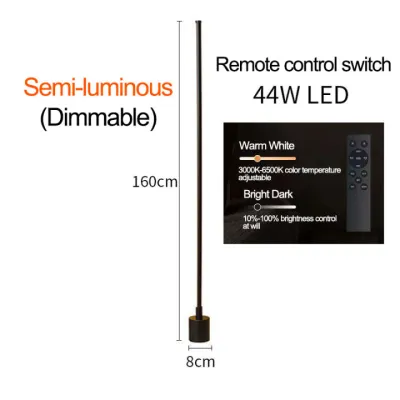
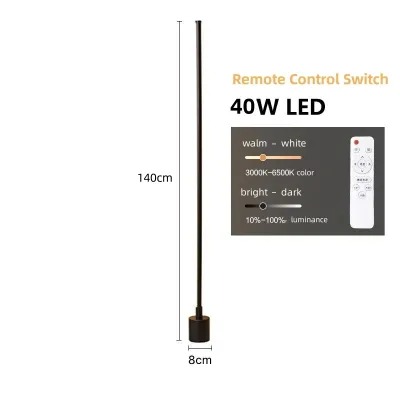
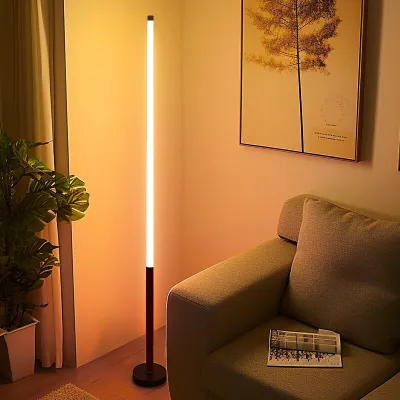
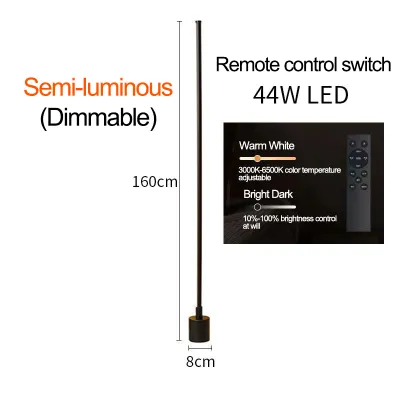
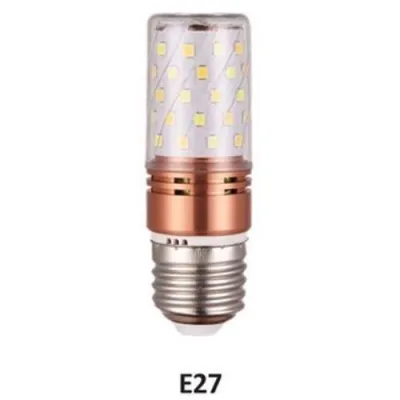
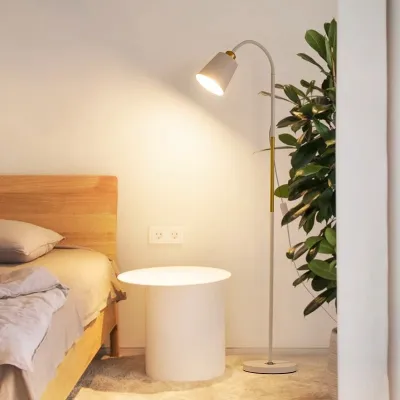
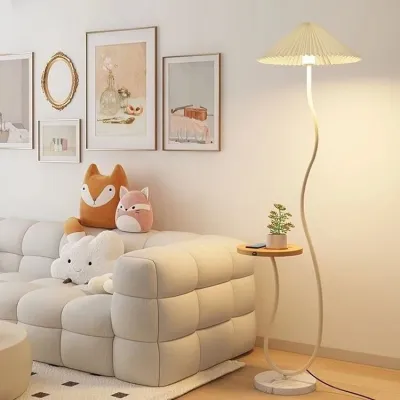
Prices are valid at publication and may change. Please refer to the product page for the latest price.
Without dedicated task lighting, readers frequently encounter uncomfortable visual obstacles. Glare is a common issue, occurring when light reflects harshly off glossy book pages, tablet screens, or e-readers. Harsh shadows can also form across your reading material if the light source is positioned directly behind your head or body. Furthermore, insufficient contrast between the text and the page forces your eyes to work much harder, which can lead to headaches, dry eyes, and physical fatigue over extended reading sessions.
Assessing your physical space and reading posture is the first step in determining the right light direction and beam spread. If you prefer to lounge deeply in a recliner, you will require a different light angle than someone who sits upright in a structured armchair. The beam spread should be concentrated enough to illuminate your book without spilling excessively into the rest of the room, allowing you to read comfortably without disturbing others nearby. Observing how you naturally sit and hold your reading material will guide you toward the correct lamp height and adjustability features.
Key Features to Evaluate in a Reading Stand Light
When shopping for a stand light, adjustability should be at the top of your checklist. Look for models featuring articulating arms, goosenecks, or swivel heads that allow you to direct the light beam precisely where you need it. Height-adjustable poles are also highly beneficial, as they let you position the light source below eye level to prevent direct glare while keeping the pages fully illuminated. A lamp that cannot be adjusted may force you to alter your posture, defeating the purpose of an ergonomic reading corner.

Bulb compatibility and brightness specifications require careful verification before purchase. Always check the manufacturer’s product label for the maximum wattage limit and the specific socket interface, such as the standard E27 screw base commonly used in the Philippines. Pay close attention to the lumen output rather than just the wattage, as modern LED bulbs deliver higher brightness while consuming significantly less energy. If you enjoy reading at different times of the day, prioritize lamps with built-in dimming features or multi-level brightness switches to easily adapt to changing natural light.
Base stability and physical footprint are critical safety and practical considerations. A reading lamp must have a heavy, weighted base to prevent it from tipping over if accidentally bumped. Measure the floor space beside or behind your reading chair to ensure the lamp’s footprint fits comfortably without obstructing walkways or doors. A compact, low-profile base can easily slide under the edge of a sofa or armchair, maximizing your usable floor space in smaller rooms.
Comparing Floor Lamp Designs for Reading Setups
Different floor lamp designs offer distinct advantages depending on your reading corner’s layout. Arc and swing-arm lamps are popular choices for their impressive reach and flexibility. An arc lamp features a long, curved pole that allows the light source to hang directly over your shoulder or lap, making it an excellent option if you do not have a side table nearby. Swing-arm designs provide similar directional benefits, allowing you to pull the light close for reading and push it back against the wall when you are finished.
Torchiere lamps with integrated reading lights offer a highly versatile, dual-purpose solution. The main bowl of the torchiere points upward, bouncing light off the ceiling to provide soft, indirect ambient illumination for the entire room. Meanwhile, a smaller, adjustable reading light extends from the main pole, delivering focused task lighting directly to your seating area. This design is ideal for multi-functional living spaces where you need both general room lighting and dedicated reading light from a single electrical outlet.
Straight task floor lamps are the classic choice for compact reading nooks. These minimalist fixtures feature a straight vertical pole with a single downward-pointing shade, concentrating the light beam directly onto your book or tablet. Because they take up very little visual and physical space, straight task lamps are highly efficient for tight corners. They deliver direct, high-contrast illumination exactly where it is needed, making them a favorite for dedicated, distraction-free reading zones.
Safety, Placement, and Electrical Checks
Before installing your new stand light, you must verify its electrical compatibility with local standards. In the Philippines, the standard household voltage is 220V at a frequency of 60Hz. Ensure that the lamp and any bulbs you install are rated for this voltage to prevent electrical hazards, short circuits, or premature bulb failure. Check that the plug type matches your wall outlets—typically flat two-pin Type A or three-pin Type B—and confirm that the power cord is long enough to reach the outlet without being stretched tight.
Proper cord management is essential to maintain a safe and tidy reading environment. Avoid running power cords across open walkways where they can present a serious tripping hazard for family members and guests. Instead, route cords along baseboards or secure them behind furniture using adhesive cord clips. Never run electrical cords under heavy rugs or carpets, as continuous foot traffic can wear down the protective insulation, creating a hidden fire hazard over time.
Given the warm and humid tropical climate, heat dissipation is another crucial safety factor to consider. Choose energy-efficient LED bulbs, which generate significantly less heat than traditional incandescent or halogen bulbs, keeping your reading area cool and comfortable. Ensure the lamp shade is positioned at a safe distance from flammable materials such as curtains, drapes, or wooden bookshelves. If your household includes active pets or young children, double-check the structural stability of the lamp on your specific flooring material, whether it is smooth tile or textured polished concrete, to prevent accidental tip-overs.
For any advanced electrical work, such as installing new wall outlets, modifying fixed home wiring, or working at heights to mount supporting fixtures, always isolate the main power supply beforehand. If you are unsure about any electrical connections or local building code compliance, consult a qualified professional electrician to handle the installation safely.
Building Your Shortlist: Matching Lamps to Reading Habits
To finalize your purchase decision, create a conditional framework that matches potential lamps to your specific seating style. If you prefer a deep, reclining lounge chair, you will need a lamp with a highly flexible gooseneck or a low-reaching swing arm to keep the light source below your direct line of sight. For an upright armchair or a high-backed study chair, a taller straight task lamp or an elegant arc lamp will better align the light source with your shoulder level, casting a clear beam onto your pages without creating distracting shadows.
Take precise measurements of your reading corner before browsing online marketplaces or visiting local home improvement stores. Note the distance from the nearest wall outlet to your chair, the clearance between your furniture and the wall, and the height of your seating. Having these dimensions on hand will help you quickly eliminate models with cords that are too short, bases that are too wide, or heights that do not align with your eye level. This step ensures that the lamp you choose fits perfectly into your physical space without requiring awkward furniture rearrangements.
Finally, establish a clear budget in ₱ and list your must-have functional features versus nice-to-have aesthetic elements. While a beautiful brass finish or a vintage-inspired shade can elevate your room’s decor, prioritize essential features like a weighted base, adjustable arm, and proper 220V electrical certification first. By focusing on functional performance and safety compliance within your budget, you can confidently select a stand light that will provide comfortable, reliable illumination for years of reading enjoyment.
Frequently Asked Questions (FAQ)
What is the ideal color temperature for reading at night?
For evening reading, a warm white color temperature between 2700K and 3000K is generally recommended. This range mimics the soft, relaxing glow of traditional incandescent bulbs, which helps signal to your brain that it is time to wind down, supporting healthy sleep hygiene. However, if you prefer high-contrast illumination for reading fine print, a neutral white light around 4000K can make text appear sharper. It is best to check the manufacturer’s bulb packaging and test different options to find the color temperature that feels most comfortable for your eyes.
Can I use a smart bulb in a standard reading stand light?
Yes, you can use a smart bulb in most standard reading stand lights, provided the bulb matches the lamp’s socket interface (typically E27) and does not exceed the maximum wattage limit stated on the fixture’s safety label. However, if your stand light features a built-in physical dimmer switch, using a standard smart bulb can cause flickering or damage to the bulb’s internal electronics. To avoid this, ensure the physical switch is kept at its maximum setting, and use the smart bulb manufacturer’s dedicated mobile app or compatible remote control to adjust the brightness levels.
How far should the stand light be placed from my reading chair?
As a general guideline, the light source of your stand light should be positioned approximately 50 to 100 centimeters away from your book or e-reader. Place the lamp slightly behind and to the side of your shoulder rather than directly in front of your face. This positioning allows the light to fall cleanly across your reading material without casting a shadow from your head or hands, while keeping the bright bulb out of your direct line of sight to prevent uncomfortable glare.

Community discussion
Share your experience or ask a question. Comments are reviewed before publication.