
Finding the right up and down wall light for hallway corridors in the Philippines involves balancing functional illumination with aesthetic appeal. These bidirectional fixtures are ideal for narrow walkways because they cast light both upward and downward, creating a spacious feel without consuming valuable floor space. To select the best option, you must evaluate physical dimensions, beam angles, and local environmental compatibility.
Quick Guide to Selecting Corridor Wall Sconces
Bidirectional wall sconces serve a dual purpose in transitional spaces. By casting light simultaneously toward the ceiling and the floor, they wash the wall in a soft glow that makes narrow corridors feel wider and more inviting. This vertical distribution of light draws the eye upward, effectively counteracting the cramped feeling common in standard residential hallways.
When browsing options, your primary focus should be on glare control and fixture proportions. A fixture that projects too far from the wall can become a physical hazard in a tight walkway, while an unshielded bulb will cause uncomfortable glare at eye level. Additionally, consider your wall texture; smooth plaster, rough concrete, and textured wallpaper will each reflect and diffuse the bidirectional light beams differently.
Products mentioned in this guide
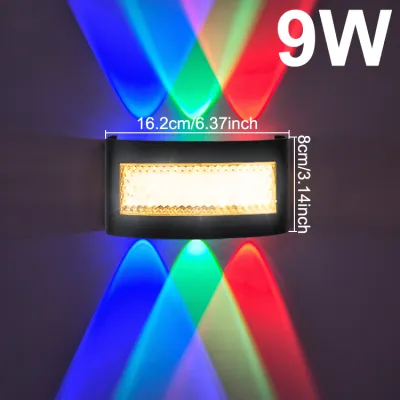
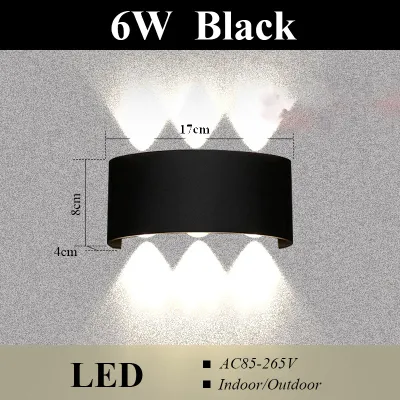
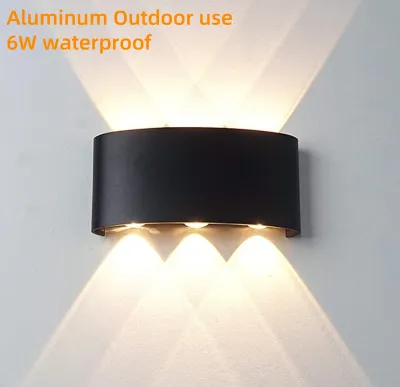
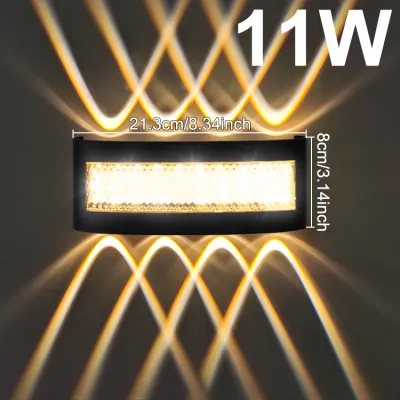
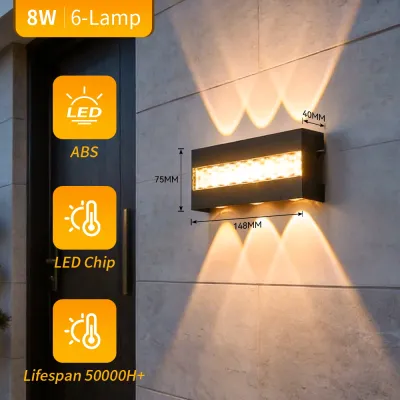
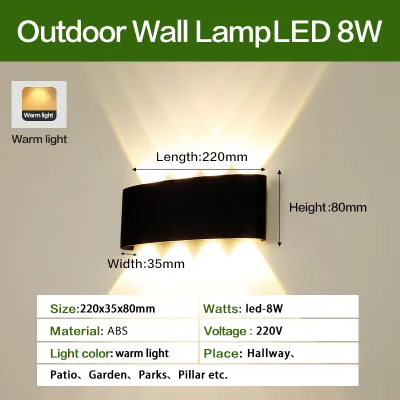
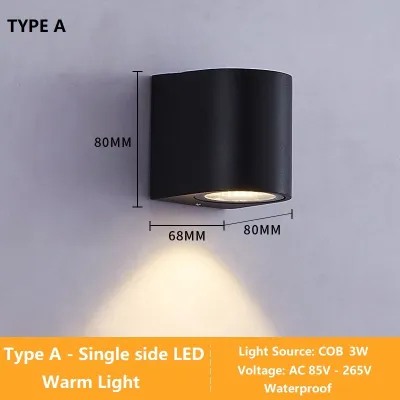
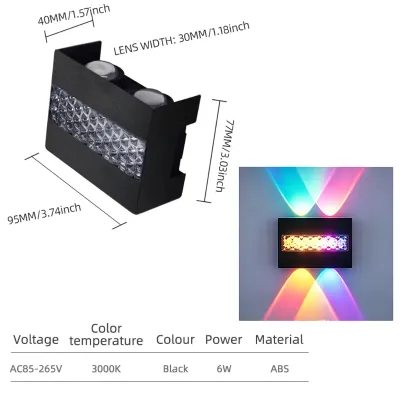
Prices are valid at publication and may change. Please refer to the product page for the latest price.
Before making any purchase, it is essential to measure your available wall depth and verify that the fixtures comply with local electrical standards. In the Philippines, residential electrical systems typically operate on a 220V mains supply, so ensuring your chosen light is compatible without needing an external transformer is a key first step.
Achieving the Right Visual Appeal and Light Wash
The magic of an up and down wall light lies in how it shapes and distributes light across your corridor’s vertical surfaces. Balancing the output between the upward and downward beams is crucial for creating a balanced atmosphere. The upward beam highlights the ceiling height and provides indirect ambient bounce, while the downward beam illuminates the floor path to ensure safe foot traffic.

Beam angles dictate the shape of the light wash on your walls. Narrow beam angles produce sharp, dramatic columns of light that work well for accentuating architectural features or columns. Conversely, wider beam angles create a softer, overlapping wall-washing effect that blends seamlessly, offering more uniform illumination across the entire length of the hallway.
Color temperature is a matter of conditional preference that significantly influences the mood of your home. Warm white light, typically ranging from 2700K to 3000K, offers a cozy, relaxing ambiance that transitions beautifully into bedrooms and living areas. Cool white light, around 4000K, provides a brighter, more modern aesthetic that enhances visibility and works well in contemporary or minimalist interiors.
To prevent visual discomfort, avoid installing fixtures with excessively high lumen outputs in narrow, enclosed corridors. Because the walls are close together, highly intense light sources can bounce harshly off surfaces, causing glare that strains the eyes. Opting for moderate brightness or fixtures with frosted glass diffusers helps soften the output while maintaining excellent visibility.
Technical Specifications and Compatibility Checks
Selecting the right fixture requires a careful review of technical specifications to ensure safety and long-term performance. In the Philippines, the standard residential voltage is 220V at 60Hz. Always check the product label to confirm that the fixture can be wired directly to this mains voltage, or verify if it includes a built-in driver or transformer if you are opting for low-voltage LED models.
Pay close attention to the maximum wattage limits and bulb compatibility of the sconce. If the fixture uses replaceable bulbs, such as GU10 or E27 bases, ensure you select bulbs that do not exceed the recommended wattage to prevent overheating. If you plan to adjust the light levels throughout the day or night, verify that both the fixture and your wall switch are explicitly rated as dimmable and compatible with the same dimming technology.
Physical dimensions are critical when dealing with tight corridor spaces. Standard building guidelines often recommend that wall-mounted fixtures in hallways project no more than 10 centimeters from the wall to prevent residents from accidentally bumping into them. Measure the width of your hallway and choose low-profile or slim-line up and down lights to maintain a clear, unobstructed walking path.
Environmental factors also play a major role in fixture durability. The tropical climate of the Philippines brings high humidity levels, which can accelerate the rusting or tarnishing of low-quality metal fixtures. Look for up and down lights constructed from corrosion-resistant materials such as powder-coated aluminum, stainless steel, or high-grade polycarbonate, and check that they have an appropriate indoor IP rating to keep out household dust and moisture.
Spacing, Placement, and Installation Safety
Proper placement is key to achieving a cohesive lighting design without dark spots or chaotic overlapping patterns. To calculate the ideal spacing between your up and down wall lights, consider both the length of your corridor and the beam angle of the fixtures. A common rule of thumb is to space the lights approximately 1.5 to 2.5 meters apart, allowing the edges of the light cones to meet gently along the wall.
Mounting height is equally important for maximizing visual comfort and light distribution. Installing the fixtures at approximately 1.5 to 1.7 meters above the finished floor level generally keeps the light source just above or below direct eye level for most family members. This height ensures that the upward and downward light paths have enough wall space to spread effectively before reaching the ceiling or floor.
When it comes to installation, safety must always be your top priority. Before inspecting existing wiring, removing old fixtures, or mounting new ones, always turn off the mains power at your home’s central circuit breaker. Use a reliable non-contact voltage tester at the wall box to verify that no electrical current is flowing through the wires before you begin handling them.
While replacing an existing wall light on a pre-installed junction box can often be a straightforward task, complex electrical work requires professional expertise. If your project involves running new electrical cables through the walls, installing new junction boxes, or modifying structural walls, always hire a licensed electrician. This ensures compliance with local electrical codes and guarantees a safe, reliable installation.
Keeping Your Up and Down Fixtures Clean and Bright
Regular maintenance is essential to keep your up and down wall lights performing at their best. Because these fixtures have upward-facing openings, they act as natural collectors for airborne dust and fibers. Over time, a thick layer of dust on the upper lens or bulb will significantly dim the uplight effect, reducing the overall brightness of your corridor.
In tropical environments, open-top fixtures also tend to attract small insects seeking warmth or light. Periodically check the inside of the sconces for insect debris. To clean them safely, switch off the power at the wall, allow the bulbs to cool completely, and use a soft, dry microfiber cloth or a small vacuum attachment to gently remove any accumulated dust and debris.
Always consult the manufacturer’s guidelines before applying any cleaning solutions to your fixtures. Harsh chemical cleaners or abrasive pads can strip away protective powder coatings, tarnish metal finishes, or scratch glass diffusers. For most materials, a simple wipe-down with a slightly damp microfiber cloth followed by a dry cloth is the safest way to preserve the fixture’s original finish.
Frequently Asked Questions (FAQ)
Can I use standard indoor up and down lights near an open corridor entrance?
Standard indoor up and down lights are typically rated IP20, meaning they are designed strictly for dry, enclosed indoor spaces. If your corridor is near an open entrance, a semi-outdoor hallway, or an area exposed to wind-blown rain and high tropical humidity, these fixtures can quickly fail or present electrical hazards. For these transitional zones, look for fixtures with an outdoor IP rating, such as IP44 or IP54, which provide protection against splashing water and moisture, and always follow the manufacturer’s specific placement recommendations.
Do up and down wall lights provide enough brightness for reading in a hallway?
Up and down wall lights are primarily designed to provide ambient, indirect illumination by washing the walls with soft light. While they offer excellent visibility for walking safely through a corridor, they do not produce the focused, high-lumen output required for reading or detailed tasks. If you have a seating area, a telephone desk, or bookshelves in your hallway, you should supplement the ambient wall sconces with dedicated task lighting, such as a focused ceiling downlight or a targeted reading lamp.

Community discussion
Share your experience or ask a question. Comments are reviewed before publication.