
Choosing the ideal USB-powered fairy string lights for your condo bedroom involves balancing spatial constraints, power accessibility, and visual warmth. In compact urban dwellings, where concrete walls often limit permanent fixtures and electrical outlets may be sparse, USB-powered lights offer a highly flexible, low-voltage solution to elevate your space. By understanding how to measure your room, evaluate technical specifications, and select the right color temperatures, you can transform a standard sleeping area into a serene, cozy sanctuary.
Assessing Your Condo Bedroom Lighting Needs
Before purchasing any string lights, you must measure the exact area you intend to decorate. A common mistake is buying a string that is either too short, leaving awkward gaps, or too long, resulting in a cluttered pile of excess wire. If you plan to frame a headboard, measure its perimeter (height and width). For a curtain drape or wall canopy, calculate both the vertical drop and the horizontal span, factoring in a slight sag or drape for a natural, relaxed look. Keep in mind that a taut wire looks clinical, while a gentle drape creates a softer, more inviting atmosphere.
Define the visual role these lights will play in your bedroom. Are they meant to act as a soft headboard accent, a cascading curtain backdrop, or a ceiling canopy that mimics a starry night? A headboard accent requires shorter, more flexible wires that can wrap tightly around wooden or metal frames. A curtain drape benefits from vertical waterfall-style string lights, while a ceiling canopy requires lightweight, ultra-thin wires that won’t sag excessively under their own weight. Identifying this primary use case early prevents you from buying incompatible wire types or lengths.
Products mentioned in this guide
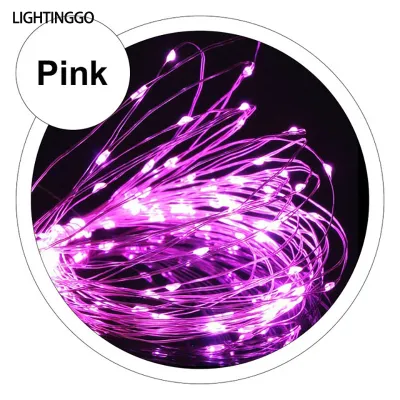
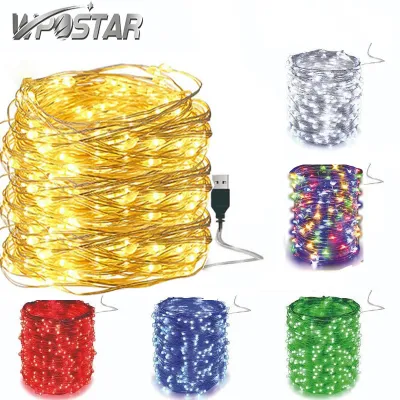
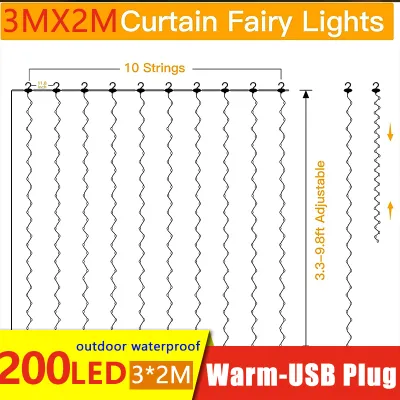
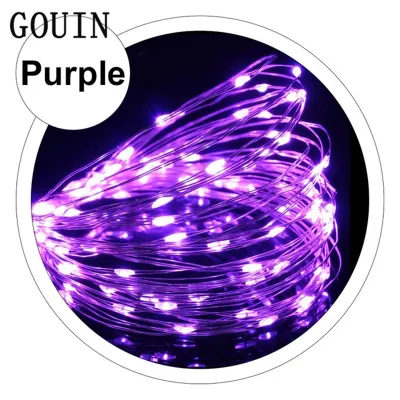
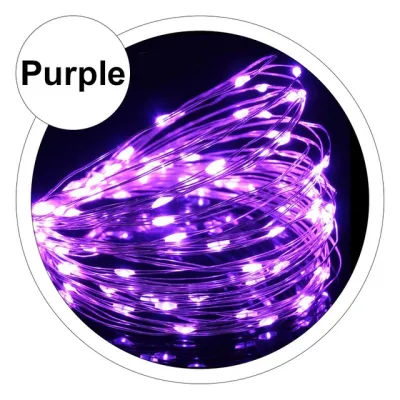
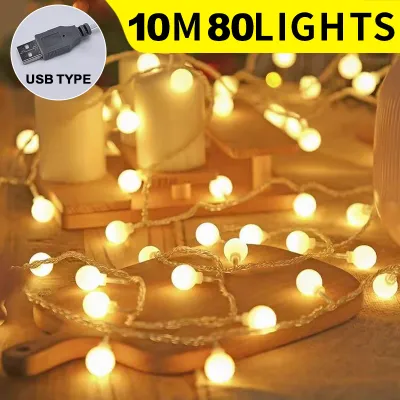
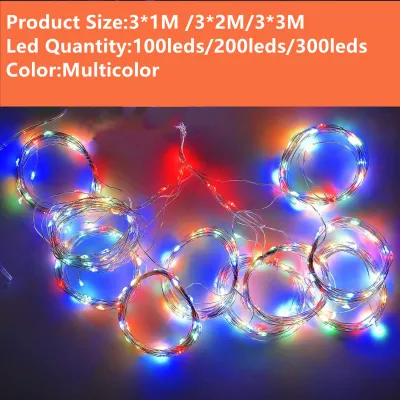
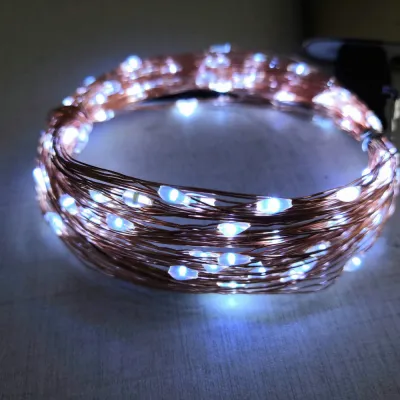
Prices are valid at publication and may change. Please refer to the product page for the latest price.
Consider how the fairy lights will interact with your current setup. Condo bedrooms often rely on a single overhead fluorescent or LED ceiling light, which can feel clinical and harsh. Fairy lights should not replace functional task lighting, such as reading lamps, but should instead serve as secondary ambient lighting. They should bridge the gap between complete darkness and bright overhead lighting, providing a soft, glare-free glow that signals your brain it is time to wind down. Balancing these layers of light ensures your bedroom remains functional during the day and relaxing at night.
Key Features for a Cozy Ambiance
The secret to a cozy atmosphere lies in the color temperature, measured in Kelvin (K). For a bedroom, look for lights in the warm white range, ideally between 2200K and 2700K. This range emits a soft, amber-toned glow that mimics candlelight and does not disrupt your sleep cycle. Avoid cool white (5000K or higher) or daylight tones, which emit high levels of blue light that can interfere with melatonin production and make your bedroom feel more like an office than a retreat. Warm, golden tones are essential for creating a restful environment.

The physical design of the bulbs significantly impacts the overall aesthetic. Micro LEDs (often called dewdrop or rice lights) are tiny, bead-like bulbs embedded directly into the wire. They offer a delicate, subtle sparkle that blends seamlessly into fabrics and plants. On the other hand, larger globe bulbs (such as G40 or small cherry bulbs) provide a more pronounced, vintage-inspired look. Globe bulbs are excellent for defined geometric patterns or bold statements, but they require sturdier mounting solutions due to their weight. Choose the bulb size that matches the scale of your furniture and decor.
Fairy lights typically come with copper, silver, or plastic-coated wires. Exposed copper wire is highly flexible, holds its shape well when bent around objects, and adds a warm, rustic touch that complements wooden furniture. Silver wire offers a cooler, modern aesthetic that disappears against white or light-colored walls when the lights are turned off. Plastic-coated wires are more durable and resistant to moisture—a crucial consideration in humid tropical climates—but they are bulkier and less pliable, making them harder to conceal. Select a wire color that matches your wall or headboard to keep the installation clean.
Evaluating Power Sources and Safety Limits
One of the greatest advantages of USB string lights is their versatility. They operate on a standard 5-volt (5V) direct current (DC), which can be powered by wall adapters, portable power banks, or even the USB ports of a laptop or smart television. When choosing a power source, verify the amperage requirement of your light string, which is typically between 1A and 2A. Using an underpowered adapter can cause the lights to flicker or dim, while a high-quality, certified wall adapter ensures a stable, consistent current. This low-voltage setup is inherently safer than traditional mains-powered lighting.
Safety should always be a priority when introducing electrical decor into your sleeping space. Look for lights that feature low-heat LED technology, ensuring the bulbs remain cool to the touch even after hours of continuous operation. This is especially important if the lights are draped over fabrics, wooden headboards, or near bedding. Additionally, check for built-in overcurrent and short-circuit protection within the USB controller to safeguard your condo’s electrical outlets from unexpected power surges. Certified components provide peace of mind during nightly use.
Always review the manufacturer’s instructions regarding continuous operation and daisy-chaining. Unlike traditional high-voltage incandescent strings, most low-voltage USB fairy lights cannot be connected end-to-end (daisy-chained) unless specifically designed with male and female connectors. Attempting to splice or connect multiple USB strings manually can overload the thin copper wires and lead to overheating. Limit continuous use to recommended hours, and consider unplugging the USB source when leaving the condo for extended periods to conserve energy and maintain safety.
Building Your Shortlist on Online Marketplaces
When browsing local e-commerce platforms, refine your search terms to avoid being overwhelmed by irrelevant listings. Use specific keywords such as ‘warm white USB fairy lights’ or ‘micro LED copper wire string lights.’ Filter your results by length (such as 5 meters or 10 meters) and power type to exclude battery-operated or plug-in models that do not fit your USB requirement. Utilizing these filters saves time and helps you compare similar products directly.
Do not rely solely on polished promotional images, which are often digitally enhanced. Scroll down to the customer review section and look for real, unedited photos uploaded by buyers. Pay close attention to feedback regarding wire tangling, bulb consistency, and how long the lights lasted before dimming. Reviews that mention the wire breaking easily or the USB connector getting excessively hot are clear red flags. Real-world photos also give you a better sense of the actual color temperature, as ‘warm white’ can vary between manufacturers.
In the local market, basic USB fairy lights can range from ₱150 for simple, single-mode strings to ₱800 or more for advanced models. Basic models are highly affordable but require manual plugging and unplugging. Mid-range and premium options often include convenient features such as wireless remote controls, dimming functions, and built-in timers. Weigh these trade-offs carefully; a dimming feature is highly recommended for bedrooms, as it allows you to adjust the brightness from a soft nightlight glow to a clearer ambient light depending on your mood.
Condo-Friendly Installation and Styling
Since many condo residents rent their units or want to preserve their walls, drilling holes is rarely an option. Instead, opt for damage-free mounting solutions. Transparent adhesive clips are ideal for holding thin copper wires along walls or headboards without being visible. Removable utility hooks work well for heavier globe lights. If you want to hang lights across a window frame, a tension rod is an excellent, non-invasive tool that requires zero adhesive or hardware. These methods ensure you can easily pack up your lights when moving without losing your security deposit.
A beautiful lighting setup can easily be ruined by a messy tangle of black or white USB cords hanging down the wall. Plan your routing so that the main power cord runs discreetly behind furniture, headboards, or curtains. Use adhesive cable organizers or simple twist ties to secure loose cords. Ensure the USB connector is easily accessible but positioned away from high-traffic areas where it could be tripped over, which could damage both the light string and your power source. Proper cable management keeps your space looking polished and safe.
To maximize the cozy, warm effect, integrate your fairy lights with existing textures in your bedroom. Drape micro LEDs behind sheer, lightweight curtains to create a soft, diffused glow that mimics a glowing window. You can also weave copper wire lights through the leaves of indoor plants (such as a snake plant or pothos) to cast beautiful, organic shadows on your walls. If you have a wooden headboard, wrapping the lights gently around the frame highlights the natural wood grain, adding depth and warmth to the entire room.
Frequently Asked Questions (FAQ)
Can I leave USB fairy lights on all night?
While high-quality LED fairy lights generate minimal heat and are generally safe for extended use, leaving them on all night is not recommended unless they are specifically rated for unattended overnight operation. Continuous use can shorten the lifespan of the LEDs and slowly degrade the thin wire insulation. To enjoy a worry-free sleep, choose a model with a built-in timer (such as a 6-hour on, 18-hour off cycle) or connect your USB adapter to a smart plug that automatically cuts power at a designated time. This simple step enhances safety and extends the product’s lifespan.
Do USB string lights drain power banks quickly?
The rate at which your lights drain a portable power bank depends on the capacity of the power bank (measured in milliampere-hours or mAh), the length of the string, and the number of active LEDs. A standard 10-meter string of 100 micro LEDs typically consumes about 1 to 2 watts of power. If you use a fully charged 10,000mAh power bank, it can easily power a basic string of lights for 15 to 20 hours of continuous use. Keep in mind that dynamic modes, such as flashing or fading, may consume slightly less power than a steady-on mode, but the difference is usually negligible.
Are exposed copper wire lights safe to touch?
Yes, exposed copper wire fairy lights are safe to touch because they operate on a very low voltage (typically 5V), which is far below the threshold that could cause an electrical shock to humans. However, you must inspect the wires regularly for any signs of physical damage, such as fraying, kinking, or exposed solder joints. Avoid placing uncoated copper wires directly against highly flammable materials, damp surfaces, or in areas with high condensation, as moisture can cause the copper to oxidize and degrade over time, potentially leading to a short circuit. Regular inspection ensures your setup remains completely safe.

Community discussion
Share your experience or ask a question. Comments are reviewed before publication.