
Selecting the most suitable waterproof fairy lights for outdoor spaces in the Philippines requires a careful balance of durability, safety, and performance. With the country’s distinct tropical climate—characterized by intense solar heat, high humidity, and heavy seasonal rainfall—standard indoor decorative lights will quickly fail or pose electrical hazards if used outside. To ensure your outdoor lighting setup remains safe and functional, you must evaluate key technical specifications, material compositions, and installation methods. By understanding how these factors interact with the local environment, you can create a beautiful, long-lasting outdoor display that withstands the elements.
Decoding Waterproof Ratings for Outdoor Use
To select lights that can survive the outdoor elements, you must understand the Ingress Protection (IP) rating system. This standard classification system uses a two-digit code to define how well an electrical enclosure is protected against solids and liquids. The first digit, ranging from zero to six, indicates protection against solid objects like dust and insects. The second digit, ranging from zero to nine, measures protection against moisture and water. For outdoor decorative lighting, the second digit is the most critical factor to analyze before making a purchase.
An IP44 rating is the minimum standard for outdoor use. Lights with this rating are protected against solid objects larger than one millimeter and water splashes from any direction. While suitable for outdoor environments, IP44 lights are not designed to withstand direct, heavy downpours. They are most appropriate for semi-sheltered outdoor zones, such as covered patios, verandas, balconies, or under deep roof eaves where they are shielded from the direct impact of tropical storms.
Products mentioned in this guide
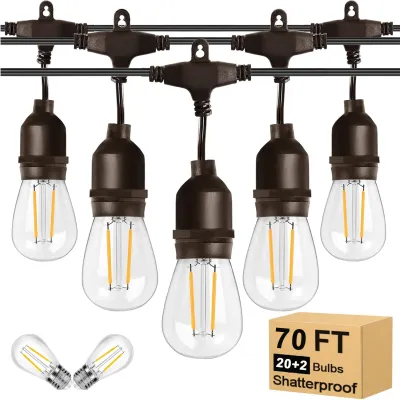
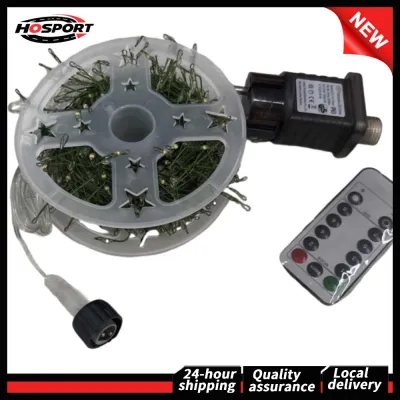
Prices are valid at publication and may change. Please refer to the product page for the latest price.
For fully exposed outdoor areas, such as garden fences, open-air pergolas, pathways, or wrapped around tree trunks, you should look for lights with at least an IP65 rating. An IP65 rating indicates that the product is completely dust-tight and can withstand low-pressure water jets from any angle. This level of protection ensures that the fairy lights can endure intense monsoon rains and high-pressure water from garden hoses without moisture penetrating the protective seals.
In low-lying garden areas or pathways where water tends to pool during heavy downpours, an IP67 rating offers a high level of security. IP67-rated lights are dust-tight and can survive temporary immersion in water up to one meter deep for a limited duration. While you should never intentionally submerge decorative fairy lights unless they are specifically certified for pool use, an IP67 rating provides peace of mind in areas prone to temporary flooding.
When verifying these ratings, it is vital to inspect the entire lighting assembly rather than just the light string itself. Manufacturers often advertise a product as waterproof based solely on the LED string, while the power adapter, USB plug, battery box, or solar controller may carry a much lower rating, such as IP20, which is strictly for indoor use. Always check the individual specifications of every component. If the power source or controller has a lower rating than the light string, you must house it in a certified weatherproof electrical box or plug it into a sheltered, outdoor-rated outlet.
Choosing the Right Power Source for Your Setup
Selecting the right power source for your outdoor fairy lights depends on your garden layout, proximity to electrical outlets, and how often you plan to use the lights. Each power option offers distinct advantages and limitations regarding installation flexibility, operating costs, and long-term maintenance.

Solar-powered fairy lights are highly practical for the sunny climate of the Philippines, offering an energy-efficient solution that requires no external electrical wiring. These systems use a small solar panel connected to a rechargeable battery that powers the lights after dark. They are ideal for unshaded garden beds, rooftops, and trees where running an extension cord is difficult or unsafe. To maximize their performance, place the solar panel in an area that receives direct, unobstructed sunlight for at least six to eight hours a day, preferably facing south or southwest. Keep in mind that during the rainy season, prolonged cloudy days will limit the battery’s ability to charge fully, resulting in shorter operating times and dimmer illumination at night.
Battery-operated fairy lights provide excellent portability, making them highly suitable for short-term outdoor events, temporary festive decorations, or hard-to-reach areas where power outlets are completely unavailable. However, relying on disposable batteries for daily outdoor lighting is neither cost-effective nor environmentally friendly. The constant need to replace batteries can quickly accumulate significant ongoing expenses. If you choose battery-powered lights for regular use, opt for high-quality rechargeable batteries. Additionally, battery boxes are highly susceptible to moisture ingress; even those rated for outdoor use should be placed in a sheltered spot or wrapped in a protective, weather-resistant cover to prevent corrosion of the battery terminals.
Plug-in fairy lights, which connect directly to a USB port or a standard 220V mains outlet, offer the most reliable and consistent brightness for permanent outdoor installations. Unlike solar lights, plug-in models do not depend on weather conditions to function at full capacity. When setting up plug-in lights, safety must be your primary concern. Always verify that the lights and any accompanying transformers are compatible with the standard 220V electrical grid in the Philippines. It is highly recommended to use low-voltage plug-in systems (such as 5V USB or 12V/24V step-down transformers) because they carry a much lower risk of severe electrical shock if the wire is accidentally damaged. Ensure that all connections are plugged into a Ground Fault Circuit Interrupter (GFCI) outlet and that any extension cords used are specifically rated for heavy-duty outdoor applications.
Essential Design and Material Checks
Before purchasing outdoor fairy lights, you must evaluate the physical construction and materials of the product to ensure they can withstand the harsh tropical sun and high humidity without degrading or creating safety hazards.
The wire material is the backbone of any string light setup and directly affects durability and ease of installation. Copper wire fairy lights, often referred to as micro or starry lights, consist of thin, flexible copper strands coated in a thin protective lacquer. They are incredibly lightweight and easy to wrap around delicate branches or weave into floral arrangements, but they are fragile and can snap if pulled too tightly. PVC-insulated wires are much thicker and offer superior physical protection against stretching and abrasion, making them suitable for hanging across wider spans. However, standard PVC can become brittle and crack over time when exposed to continuous ultraviolet (UV) radiation from the sun. For a highly durable outdoor setup, look for heavy-duty rubber or silicone-insulated wires, which offer excellent UV resistance, remain highly flexible in all weather conditions, and provide robust protection against moisture.
The choice of bulb type is another critical factor for safety and efficiency. Light Emitting Diode (LED) bulbs are highly recommended over traditional incandescent bulbs for almost all outdoor decorative applications. LEDs consume significantly less energy, which is an important consideration given local electricity rates. Furthermore, LEDs produce virtually no heat during operation, eliminating the risk of scorching dry leaves, wooden pergolas, or synthetic fabrics. They are also highly shatter-resistant, typically constructed from durable plastics rather than fragile glass, making them much safer during high winds or accidental drops.
Accurately planning the length and spacing of your lights will prevent installation frustration and ensure a cohesive look. Start by using a flexible measuring tape or a piece of string to trace the exact path where the lights will be installed, accounting for any natural draping or wrapping. Always calculate the distance from the first light bulb to the actual power source; this is known as the lead wire. If the lead wire is too short, you may end up with active light bulbs stretching awkwardly toward the outlet. For wrapping trees or columns, a helpful rule of thumb is to multiply the height of the structure by its circumference, adjusting the spacing of the wraps based on how dense you want the illumination to appear.
Safe Installation and Weatherproofing Practices
Proper installation is just as important as choosing the right product. Following safe mounting and weatherproofing practices protects your property, extends the lifespan of your lights, and prevents dangerous electrical hazards.
When securing fairy lights to outdoor structures, never use metal staples, nails, or tacks. These fasteners can easily pierce the protective wire insulation, exposing live copper strands to moisture and creating an immediate risk of short circuits, electrical shocks, or fires. Instead, use UV-stabilized plastic zip ties, insulated cable clips, or outdoor-rated adhesive hooks designed to hold wires securely without damaging them. If you are wrapping lights around living trees, leave a small amount of slack in the wires to accommodate the natural growth and movement of the branches in the wind.
Electrical safety should always be prioritized during installation. Before hanging or adjusting any lights, ensure the power source is completely isolated. All outdoor electrical connections must be kept elevated off the ground to prevent them from sitting in standing water during heavy tropical downpours. Use specialized weatherproof connection boxes to seal the joints where the light string connects to extension cords. Additionally, create a “drip loop” in the power cord just before it enters the outlet or connection box. A drip loop is a simple downward curve in the wire that forces rainwater to drip off the bottom of the loop rather than running directly into the electrical socket.
Routine maintenance and seasonal care will significantly extend the life of your outdoor lights. For solar-powered setups, gently wipe the solar panel with a soft, damp cloth every few weeks to remove accumulated dust, pollen, and bird droppings, which can block sunlight and reduce charging efficiency. During extreme weather events, such as typhoons or severe tropical storms, the safest course of action is to temporarily take down and store your fairy lights indoors. High winds can easily tear wires from their mounts, and flying debris can crush bulbs, regardless of their waterproof rating. If you store battery-operated lights for an extended period, always remove the batteries to prevent corrosive leaks from damaging the internal contacts.
Frequently Asked Questions (FAQ)
Can I leave waterproof fairy lights outside all year round?
While high-quality waterproof fairy lights are designed to withstand outdoor conditions, leaving them exposed to the elements year-round will accelerate material degradation. Continuous exposure to intense tropical UV rays can break down PVC insulation, making it brittle and prone to cracking, while constant humidity can eventually find its way past aging seals. To maximize the lifespan of your lights, check the manufacturer’s guidelines regarding continuous outdoor deployment. For standard decorative lights, it is often recommended to use them seasonally or take them down during the peak of the typhoon season to protect them from unnecessary wear and tear.
How do I calculate the right length of fairy lights for a tree or fence?
To estimate the required length for a linear structure like a fence, measure the total distance and add an extra 10 to 15 percent to account for natural draping and the distance to the power outlet. For wrapping a tree trunk, you can use a simple formula: divide the height of the trunk by your desired spacing between wraps (usually 3 to 6 inches), and then multiply that number by the circumference of the trunk. Always ensure you have a sufficient lead wire length so that the illuminated portion of the string starts exactly where you want the decoration to begin.
Are solar fairy lights bright enough for security or task lighting?
Solar-powered fairy lights are designed primarily for ambient decoration and accent lighting, creating a soft, warm glow rather than intense illumination. They do not produce enough lumens to serve as effective security or task lighting. If you require bright, functional lighting to secure pathways, driveways, or outdoor work areas, you should look into alternative outdoor lighting categories, such as solar-powered floodlights, motion-activated security lights, or high-lumen landscape spotlights.

Community discussion
Share your experience or ask a question. Comments are reviewed before publication.