
The ideal lampshade stand for a reading corner must position the bottom of the shade at or slightly below eye level when seated—typically between 100 to 130 centimeters from the floor depending on your chair height—while utilizing a heavy, low-profile base that slides securely under or behind furniture. This combination prevents direct bulb glare, focuses light onto your pages, and maximizes floor space in tight corners. In tropical homes where reading corners are often tucked away near windows or cooling fans, selecting the right stand requires balancing physical stability with visual weight. A stand that is too tall will expose the bare bulb to your eyes, causing strain, while a base that is too light or wide can become a tripping hazard or wobble on uneven flooring.
How to Measure and Choose the Right Lampshade Stand Height
To find your target height, start by measuring your favorite reading chair. Sit in your normal reading posture—whether sitting upright or reclining—and have someone measure the distance from the floor to your eye level or shoulder level. This measurement serves as your primary baseline when shopping for a new lampshade stand.
The golden rule for task lighting is that the bottom rim of the lampshade should align with your cheekbones or eye level when seated. This positioning ensures that the shade completely shields your eyes from the hot, bright bulb while casting a clear, unobstructed cone of light directly onto your book, tablet, or e-reader. If the stand is too short, the light cone will be too narrow, forcing you to hunch over to read. Conversely, a stand that is too tall exposes the interior of the shade, creating a harsh glare that causes eye fatigue during long reading sessions.
Products mentioned in this guide
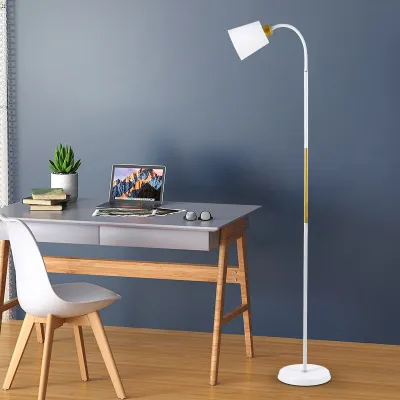
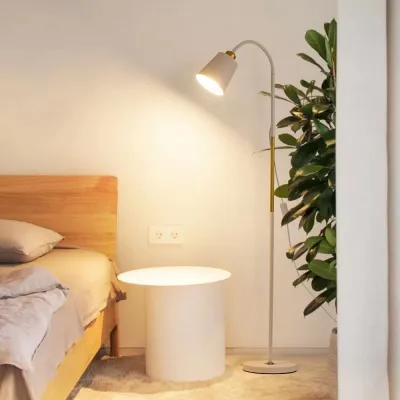
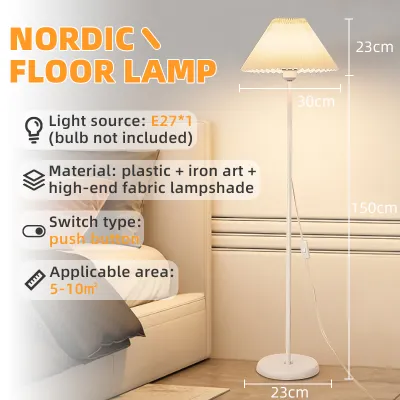
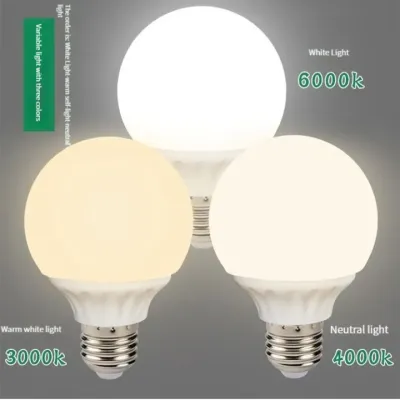
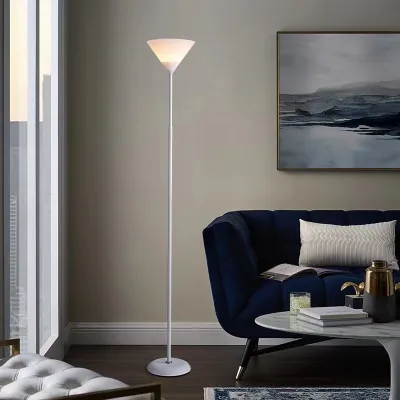
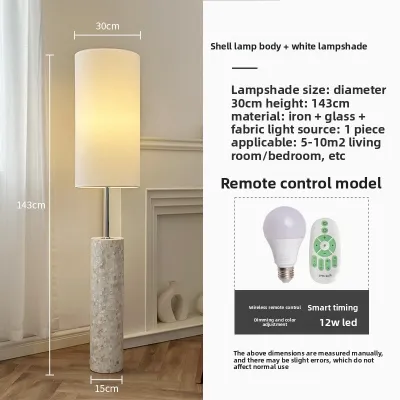
Prices are valid at publication and may change. Please refer to the product page for the latest price.
Consider the visual weight and physical dimensions of the lampshade itself. A large, drum-style shade paired with a very thin, short stand can look top-heavy and visually dominate a small corner. Taller stands generally pair better with tapered or narrower shades that maintain a balanced silhouette without overwhelming the surrounding decor.
Choosing a Stable Base Type for Tight Corner Spaces
Reading corners are often carved out of limited square footage, making the footprint of your lampshade stand a critical spatial consideration. You must balance the physical weight of the base with the amount of floor space it occupies to prevent the lamp from tipping over if bumped. In tropical climates where ceiling fans are constantly running, a wobbly stand can vibrate or sway, making a heavy base even more critical.

A heavy, flat, weighted disc base is often the most space-efficient option for tight corners. These bases use dense materials like cast iron or heavy steel plates, allowing them to remain incredibly stable while maintaining a low profile that can easily slide underneath the edge of a sofa, armchair, or side table. This design keeps the floor area clear and allows you to position your reading chair closer to the light source.
Tripod bases offer excellent stability but require a significantly larger open footprint. In a compact reading nook, the wide leg span of a tripod can easily block walkways, catch on curtains, or prevent you from pushing your reading chair fully into the corner. If you choose a tripod design, ensure you have ample open floor space where the legs will not present a constant tripping hazard.
Flat, slide-in bases with beveled or sloped edges are ideal for high-traffic areas. The smooth, tapered edges minimize the risk of stubbing your toes or tripping, and they allow the stand to sit flush against baseboards or walls without leaving awkward, dusty gaps behind your furniture.
Deciding if You Need an Adjustable Lampshade Stand
Your choice between a fixed-height stand and an adjustable model depends heavily on how you use your reading space. If you are the sole user of the corner and always read in the same posture, a classic fixed-height stand offers clean lines, fewer moving parts, and long-term structural reliability. These stands are often more budget-friendly, with quality options ranging from ₱1,500 to ₱3,500.
If multiple family members share the reading corner, or if you alternate between sitting upright and reclining, an adjustable stand is highly beneficial. Telescopic poles allow you to raise or lower the entire light source, while articulated swing-arm designs let you pull the light closer to your pages and push it away when you are finished. This flexibility ensures that every reader can customize the light angle to match their specific eye level.
When evaluating adjustable stands, pay close attention to the tilt and swivel mechanisms at the lampshade connection. A high-quality joint allows you to angle the shade to block reflections on glossy pages or screens, directing the light exactly where your eyes need it most.
Keep in mind that adjustable joints require regular maintenance. Over time, the tension screws or locking collars on telescopic and swing-arm stands can loosen due to gravity and frequent movement; always check the product manual for instructions on tightening these joints to prevent the arm from drooping or sagging.
Final Compatibility and Safety Checks Before Setup
Before finalizing your purchase, measure the physical clearance of your chosen corner, including the distance to the nearest wall outlet. Avoid stretching power cords across walkways, as taut cords create a severe tripping hazard and can pull a heavy lamp down onto the floor; utilize cord clips or discrete channels to route the cable safely along the baseboard.
Verify the electrical specifications of the stand to ensure compatibility with your home’s electrical system. In the Philippines, standard household voltage is 220V at 60Hz; check that the lamp socket, cord, and plug carry recognized safety certifications (such as the Philippine Standard or Import Commodity Clearance mark) and that you do not exceed the maximum wattage limit printed on the socket label. If you plan to use energy-efficient LED bulbs, confirm that the stand’s socket and any built-in dimming switches are compatible with dimmable LEDs to prevent flickering or premature bulb failure.
Review the manufacturer’s assembly instructions carefully, paying close attention to any anti-tip warnings or weight distribution guidelines. For exceptionally tall or top-heavy stands placed in homes with active pets or young children, consider anchoring the stand to the wall or consulting a qualified professional to ensure a secure, wobble-free installation.
Frequently Asked Questions (FAQ)
Can I use a table lamp stand instead of a floor lampshade stand in a reading corner?
Yes, you can use a table lamp stand, but it requires an adjacent surface like a side table or a sturdy shelf to achieve the correct height. A table lamp is highly portable and keeps the floor completely clear, but it limits your table surface space and may not provide the same overhead light coverage as a dedicated floor stand. If you lack space for an extra table, or if your chair is exceptionally tall, a table lamp will likely fail to provide sufficient overhead illumination without causing glare.
How do I keep a tall lampshade stand stable on a rug or uneven floor?
To stabilize a tall stand on a rug or uneven flooring, inspect the base for adjustable leveling feet or screw-in pads that can compensate for minor height differences. Avoid placing a heavy, narrow-base stand directly on thick, plush carpets, as this creates an unstable foundation. If the stand wobbles, do not use makeshift shims, cardboard, or loose weights, as these can slip and create a severe tipping hazard; instead, relocate the lamp to a flat, solid surface or consult a professional for secure mounting options.

Community discussion
Share your experience or ask a question. Comments are reviewed before publication.