
Creating a dedicated reading corner in your home requires more than just a comfortable armchair; it demands the right lighting to prevent eye strain and set a relaxing mood. In the Philippines, where residential spaces range from breezy provincial homes to compact high-rise condominiums, finding the perfect LED floor lamp—often searched for as an LED light stand—involves balancing functional design with local environmental conditions. High humidity, tropical warmth, and varying room layouts all influence how a light fixture performs and fits into your living space.
Choosing the ideal reading lamp is not merely about matching your interior decor. It requires a close look at physical adjustability, light quality, electrical safety, and spatial footprint. By understanding how to evaluate these technical specifications and design features, you can transform any quiet corner into an inviting, ergonomically sound reading sanctuary. This guide will walk you through the essential factors to consider, helping you make an informed decision that ensures long-term comfort and safety.
Essential Features for a Comfortable Reading LED Floor Lamp
When you settle down for an extended reading session, the ability to control exactly where and how the light falls is crucial for maintaining focus and preventing physical discomfort. A high-quality LED light stand should offer robust physical adjustability. Look for models featuring a flexible gooseneck, adjustable jointed arms, or a multi-directional swivel head. A gooseneck design allows for silent, micro-adjustments, enabling you to bend the light source directly over your shoulder to illuminate your book without casting a shadow of your head or hands. On the other hand, mechanical jointed arms provide a wider range of motion, allowing you to raise or lower the entire light assembly to accommodate different seating heights or to switch between reading a physical book and working on a tablet.
Products mentioned in this guide
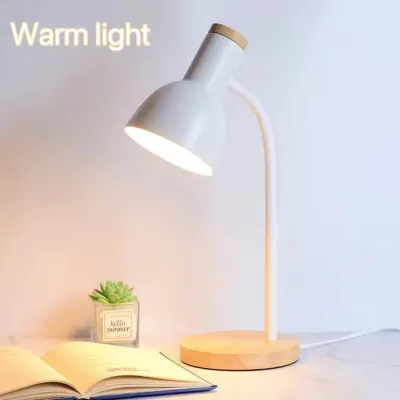
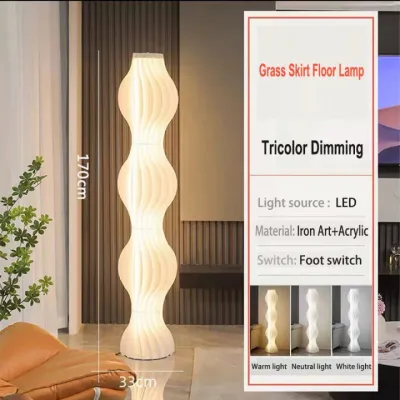
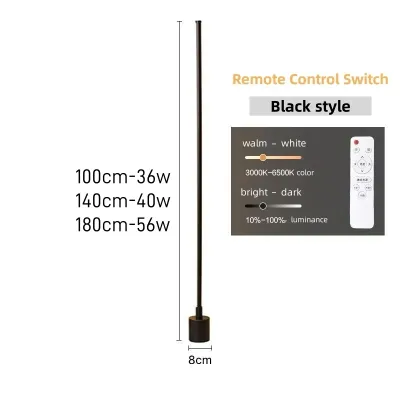
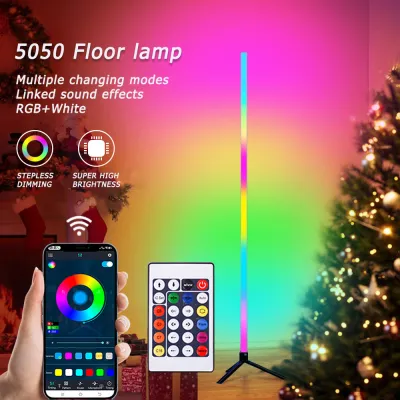
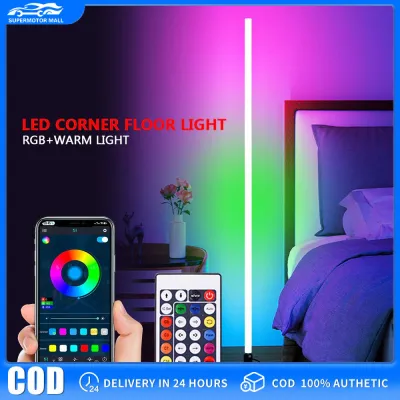
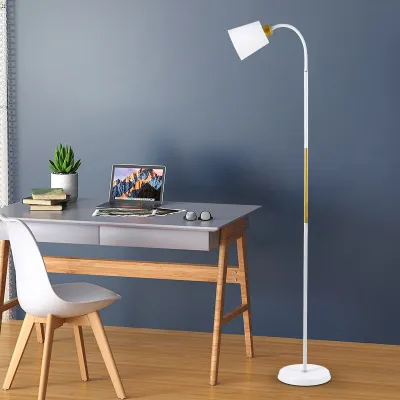
Prices are valid at publication and may change. Please refer to the product page for the latest price.
Equally important is the lamp’s dimming capability. Reading conditions change throughout the day; a light level that feels perfectly adequate during a rainy afternoon might feel blindingly bright in the pitch black of midnight. Look for lamps that offer stepless dimming, which allows you to smoothly adjust the brightness from a soft glow to full intensity by holding down a button or turning a dial. If stepless dimming is not available, ensure the lamp has at least three distinct preset brightness levels so you can adapt the output to your ambient surroundings.
The placement and type of controls also dictate how user-friendly a floor lamp will be in daily use. Foot pedal switches, which sit on the power cord on the floor, are convenient for quick on-and-off operation but can be difficult to reach if the cord is tucked behind a heavy armchair. Touch-sensitive controls positioned directly on the lamp pole at seated eye level offer the most ergonomic experience, allowing you to adjust brightness and color temperature without standing up. Remote controls provide ultimate convenience, but they introduce the minor hassle of battery replacements and the risk of getting misplaced.
How to Evaluate Light Quality and Eye Comfort
To protect your vision during long hours of reading, you must look beyond the physical structure of the lamp and evaluate the quality of the light it emits. When browsing product specifications, pay close attention to brightness, measured in lumens, rather than wattage. Modern, energy-efficient LEDs use very little power to produce high light output. For a dedicated reading corner, a lamp that delivers between 400 and 800 lumens directly to your reading surface is generally ideal. This range provides sufficient illumination to make text sharp and legible without creating an overwhelming glare that bounces off the pages.

Color temperature, measured in Kelvin (K), plays a significant role in eye comfort and mental alertness. For reading, you want to avoid extremely cool, blue-toned light, which can cause eye strain over time and disrupt your natural sleep cycle if used in the evening. A warm white light, ranging from 2700K to 3000K, mimics the cozy glow of traditional incandescent bulbs and is highly recommended for relaxing evening reading. If you use your reading corner for highly focused study, remote work, or detailed crafting, a neutral white light around 4000K offers a crisp, daylight-like balance that enhances contrast and keeps you alert without feeling clinical. Many modern LED light stands feature adjustable color temperature, allowing you to switch between warm, neutral, and cool modes depending on the time of day and your specific task.
Finally, guard against the invisible culprits of eye fatigue: flicker and glare. Low-quality LED drivers can produce a rapid, high-frequency flicker that, while invisible to the naked eye, causes the eye muscles to work harder, leading to headaches and fatigue. Look for products that explicitly state “flicker-free” technology on their packaging or product descriptions. Additionally, choose a lamp equipped with a frosted or milky diffuser over the LED panel. A diffuser scatters the light rays evenly, softening the beam and eliminating harsh, direct hotspots that reflect off glossy book covers or tablet screens.
Matching the Lamp Design to Your Reading Corner Space
The physical design of your LED floor lamp should harmonize with both the layout of your reading corner and the overall dimensions of your room. Arc and overhead lamps are characterized by a long, sweeping neck that curves upward and outward from a heavy base. This design is highly advantageous if your reading nook centers around a deep, plush armchair or a sectional sofa where a standard straight lamp cannot get close enough to project light from above. By positioning the base of an arc lamp behind or beside the furniture, the light head can hang directly over your reading material without requiring an adjacent side table. However, keep in mind that arc lamps have a larger physical footprint and require sufficient overhead clearance, making them less suitable for very tight spaces or low ceilings.
For compact corners, narrow gaps, or minimalist setups, a straight task lamp or a slim LED light stand is often the most practical choice. These lamps feature a vertical pole with a small, adjustable light head at the top. Because they rise straight up, they occupy minimal floor space and can be tucked neatly between a chair and a wall. Their streamlined profile keeps the reading corner looking clean and uncluttered, which is especially beneficial in smaller apartments or multi-purpose living rooms.
Regardless of the style you choose, always verify the base weight and footprint dimensions before purchasing. A stable lamp requires a heavy, substantial base to prevent it from tipping over, especially if the lamp features an extended arm or a flexible gooseneck that shifts the center of gravity. In Philippine households, where open windows, balcony doors, or powerful floor and ceiling fans can create strong indoor drafts, a lightweight base can easily lead to accidental tipping. Look for bases made of heavy metal, cast iron, or solid stone, and check the manufacturer’s specifications to ensure the base diameter can fit comfortably within your designated floor space or slide under the edge of your furniture to save room.
Safety, Power, and Stability Checks Before You Buy
Before finalizing your purchase of an LED light stand, it is essential to perform several safety and compatibility checks to ensure the fixture is suitable for your home environment. First and foremost, verify the electrical specifications. The standard residential power supply in the Philippines is 220 volts at a frequency of 60 Hertz (220V/60Hz). Many imported lamps sold on online marketplaces are designed for 110V systems; plugging a 110V-only lamp directly into a Philippine outlet will destroy the LED driver and can create a serious electrical fire hazard. Always look for a “wide-voltage” rating (such as 100V-240V) or an explicit 220V rating on the product label or power adapter. Additionally, check the plug type. Most Philippine outlets accommodate Type A (two flat parallel prongs) or Type B (two flat prongs with a round grounding pin) plugs. Ensuring your lamp has a compatible plug prevents the need for loose, poorly fitting adapters that can spark or overheat.
Cord management is another critical safety factor to consider. Measure the distance from your reading chair to the nearest wall outlet and compare it to the lamp’s cord length. A cord that is stretched tight across a walkway creates an immediate tripping hazard and can damage the lamp’s internal wiring if yanked. If the cord is excessively long, use cable ties or adhesive cord clips to route the wire neatly along the baseboard or behind furniture. Avoid running power cords under heavy rugs or carpets, as trapped heat can degrade the insulation over time, increasing the risk of short circuits.
Physical stability is paramount, particularly in homes with active pets, young children, or high foot traffic. Tall floor lamps, by nature, have a high center of gravity. When reviewing product details, check the total weight of the lamp; a heavier overall weight usually indicates a more stable base. If you are assembling the lamp yourself, carefully follow the manufacturer’s instructions to ensure all pole segments are threaded tightly and securely attached to the base. Loose connections can cause the lamp to wobble, putting unnecessary stress on the internal electrical wiring.
Condition-Based Guide: Which LED Light Stand Type Fits Your Needs?
To help you narrow down your choices, consider how your specific reading habits and room layout align with different lamp configurations. Choosing the right type of LED light stand depends heavily on the physical setup of your reading nook and whether the space serves multiple purposes.
If your reading corner features a deep, high-backed armchair or a wide sectional sofa, an overhead arc lamp is often the most comfortable option. The curved neck allows the light source to hang directly over your book or tablet, preventing you from having to lean forward or adjust your posture to get adequate light. This setup is ideal for dedicated, long-duration reading sessions where maintaining ergonomic posture is key to preventing neck and back strain.
For small, tight corners where space is at a premium, a slim, minimalist straight LED light stand is the perfect fit. These lamps have a tiny footprint, often requiring a base diameter of only a few inches, allowing them to slip into the narrowest gaps between furniture and walls. Their clean, unobtrusive lines blend seamlessly into modern, minimalist, or industrial interior styles without visually crowding the room.
If your reading corner is located within a shared living room or a multi-use bedroom, consider a dual-head lamp or a mother-daughter configuration. These fixtures typically feature a powerful, upward-facing light (uplight) that bounces soft, ambient light off the ceiling to illuminate the entire room, paired with a smaller, highly adjustable reading arm (downlight) that provides focused task lighting. This design allows you to use the ambient light for general activities or dim it down to use only the focused reading arm when others in the room are resting or watching television.
Before making your final selection on any online marketplace, always cross-check the exact physical dimensions, weight limits, and return policies listed on the product page. Verify that the seller provides clear assembly instructions and check user reviews for any mentions of wobbling, flickering, or difficult assembly. Taking these extra verification steps ensures that your new reading lamp will be a safe, durable, and highly functional addition to your home.
Frequently Asked Questions (FAQ)
Can I use a smart LED floor lamp for reading?
Yes, a smart LED floor lamp can be highly effective for reading, offering convenient features like voice control, automated scheduling, and precise color temperature tuning through a smartphone app. These features allow you to easily transition from a bright, focused daylight setting for daytime study to a warm, dim glow for late-night reading. However, keep in mind that smart lamps rely on a stable Wi-Fi or Bluetooth connection to access their full range of features, which can occasionally lead to connectivity issues. To ensure hassle-free daily use, look for a smart lamp that also includes a physical override switch or a physical remote control, allowing you to turn the light on and off instantly without needing to open an app on your phone.
How do I clean and maintain an LED floor lamp?
To keep your LED floor lamp performing optimally and looking its best, regular, low-risk maintenance is recommended. Always isolate the power by unplugging the lamp from the wall outlet before performing any cleaning or maintenance. Use a dry, soft microfiber cloth to gently wipe away dust from the pole, base, and light head. If the lamp has accumulated stubborn dirt, you can use a slightly damp microfiber cloth, but avoid using harsh chemical cleaners, solvents, or abrasive pads, as these can strip the painted finish or scratch and degrade plastic and glass diffusers. Never spray water or cleaning solutions directly onto the lamp or near any electrical joints. Allow the fixture to dry completely before plugging it back in and turning it on.

Community discussion
Share your experience or ask a question. Comments are reviewed before publication.