
Quick Answer: Can Paper Floor Lamps Provide Enough Light for Reading?
Yes, paper floor lamps can provide enough light for reading, but they require careful setup and realistic expectations. Because paper is an inherently diffusing material, it scatters light rays in all directions. This diffusion is excellent for softening harsh glare and creating a warm, cozy atmosphere in your home, but it also significantly reduces the direct, focused task illumination (lux) that your eyes need to read fine print without strain.
To make a paper floor lamp work effectively as a reading light, you must pair it with a high-lumen, energy-efficient LED bulb. A standard LED bulb emitting around 800 to 1,000 lumens provides sufficient brightness to penetrate the paper shade while keeping energy consumption and heat emission low. This ensures your reading material is well-lit without compromising the delicate paper material.
Alternatively, many homeowners find success using a paper floor lamp as an ambient background light source. In this hybrid setup, the paper lamp softens the overall contrast of the room, while a small, dedicated task light—such as a clip-on book light or a directional reading lamp—focuses a sharp beam directly onto your pages. This combination minimizes eye fatigue and creates a balanced, visually comfortable reading environment in any corner of your home.
Products mentioned in this guide
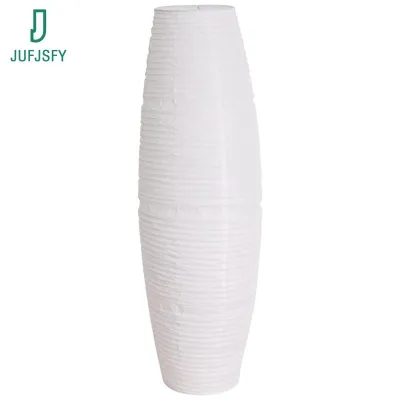
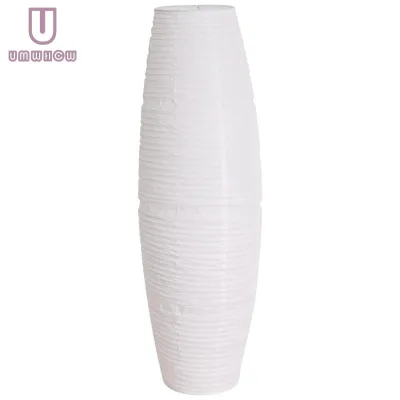
![M9[pusen1]Rice Paper Floor Lamp Tall Lamp Lights Living Room Decor Special Paper Stand Lights Beside Lamp](https://img.lazcdn.com/g/p/630f20c6f467cf7ba76089f59bb39c75.jpg_400x400q80.jpg_.webp)
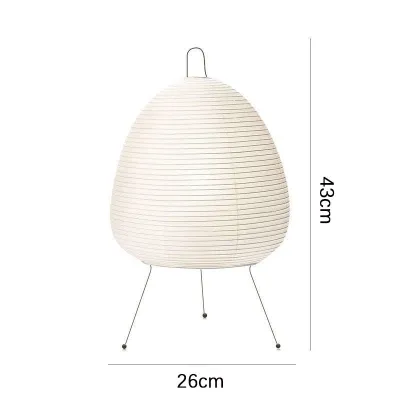
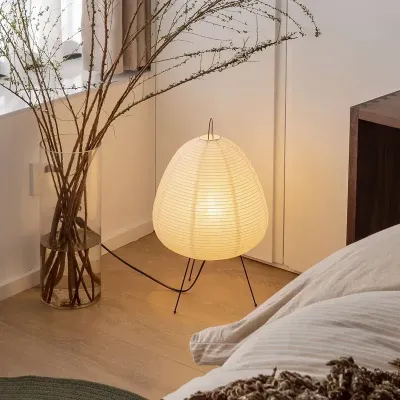
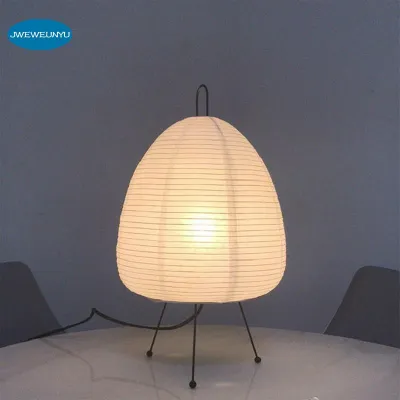
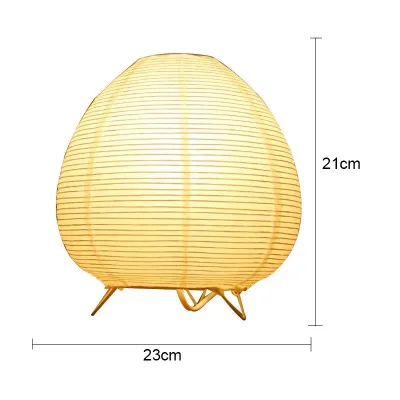
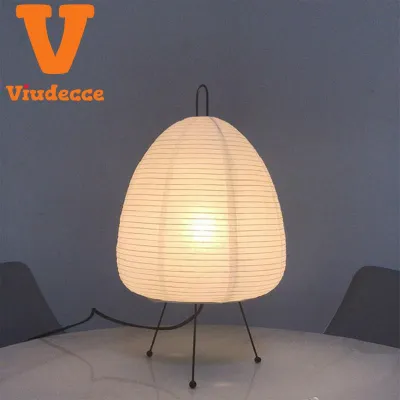
Prices are valid at publication and may change. Please refer to the product page for the latest price.
Key Features to Evaluate for a Reading-Friendly Paper Lamp
Selecting the right paper floor lamp involves balancing aesthetic appeal with practical lighting performance. Because these lamps are highly decorative, you must look closely at their structural and material specifications to ensure they meet your daily reading needs.

Shade Material and Thickness
The type of paper used in the lamp shade directly impacts both light transmission and durability. Common options include rice paper, mulberry paper (often referred to as washi), and thicker parchment-style papers. Rice paper is lightweight and highly translucent, allowing a significant amount of light to pass through, but it is also delicate and susceptible to accidental tears. Mulberry paper often features visible plant fibers that add beautiful texture and character, scattering light in intricate patterns while offering slightly more structural strength.
Parchment-style paper is thicker and more durable, offering excellent glare reduction. However, because it is denser, it requires a higher-lumen bulb to achieve the same level of reading clarity. When evaluating shades, also consider the structural weave; ribbed paper shades supported by wire frames provide excellent stability but can cast subtle shadow lines on your book if the lamp is positioned too close to your seating.
Bulb Compatibility and Lumens
Paper floor lamps typically have strict wattage limits printed on their socket labels. Because paper is flammable, adhering to these limits is essential for home safety. Traditional incandescent bulbs generate significant heat, making them unsuitable for high-brightness applications inside a paper shade.
LED bulbs are the ideal solution for paper lamps. They convert the vast majority of their energy into light rather than heat, allowing you to use a high-lumen bulb (such as 800 to 1,000 lumens, equivalent to a 60W or 75W incandescent) while drawing only 8 to 10 watts of actual power. Always verify that the bulb’s physical dimensions fit comfortably within the shade’s wire frame without touching the paper walls, ensuring a safe clearance of at least two inches.
Color Temperature Selection
The color temperature of your bulb, measured in Kelvins (K), dramatically affects both reading comfort and room ambiance. This choice is largely a matter of personal preference, but understanding how color temperature interacts with paper is key:
- Warm White (2700K to 3000K): This range emphasizes the natural, earthy tones of paper shades, creating an incredibly cozy and inviting atmosphere. While highly relaxing, some readers find that very warm light can cause mild eye fatigue during extended reading sessions.
- Neutral White (3500K to 4000K): This range provides a cleaner, high-contrast light that makes text easier to read. However, it can make the paper shade look slightly cool or stark, which may detract from the cozy aesthetic of your reading nook.
Choosing a bulb in the 3000K to 3500K range often strikes the perfect balance, offering a comfortable reading light while preserving the warm, organic glow of the paper shade.
Structural Stability and Adjustability
Because paper floor lamps are inherently lightweight, their structural design is crucial for safety and usability. Look for models featuring a heavy, stable base made of materials like steel, iron, or heavy resin. A sturdy base prevents the lamp from tipping over if accidentally bumped in a tight reading corner or high-traffic area.
Additionally, consider the lamp’s adjustability. While many paper lamps feature fixed, column-style shades, some designs incorporate flexible necks or adjustable heights. These features allow you to position the light source closer to your reading chair, maximizing the usable light on your book while keeping the overall footprint of the lamp compact.
Safety, Placement, and Maintenance in a Home Environment
Operating a paper floor lamp safely requires a clear understanding of heat management, environmental factors, and proper maintenance. Because paper is a delicate and flammable material, taking proactive steps will protect both your home and your investment.
Heat Management and Fire Safety
Fire safety is the most critical consideration when using paper-based lighting fixtures. Always adhere strictly to the manufacturer’s maximum wattage rating, which is typically located on a sticker near the bulb socket. Never use incandescent or halogen bulbs, as their high operating temperatures pose a direct fire hazard if they come into contact with the paper shade.
Ensure there is a clear physical gap of at least two to three inches between the bulb and the paper walls. Additionally, position the lamp away from drafty areas where curtains, drapes, or lightweight fabrics could blow into the fixture. Never drape clothes, blankets, or decorative fabrics over the top of a paper lamp shade, as this traps heat and creates an immediate fire risk.
Humidity and Environmental Considerations
In naturally humid tropical climates, high moisture levels present unique challenges for paper home decor. Excessive moisture in the air can soften paper fibers over time, causing the shade to sag, warp, or lose its structural tension.
To prevent this, avoid placing your paper floor lamp directly beneath air conditioning units, where condensation or cold drafts can introduce moisture. Similarly, keep the lamp away from open windows during the rainy season to protect it from sudden downpours or high outdoor humidity. Ensuring good airflow in your reading corner will help keep the paper dry and prolong its lifespan.
Cleaning and Dusting Protocols
Regular maintenance is essential to keep your paper lamp looking pristine and functioning efficiently. Dust buildup not only dulls the lamp’s appearance but also reduces the amount of light that can pass through the shade. Because paper is highly delicate, never use water, damp cloths, or liquid cleaning sprays, as these will cause the paper to warp, stain, or tear.
Instead, use a clean, dry microfiber cloth or a soft feather duster to gently sweep away surface dust. For ribbed or textured shades, a soft-bristled paint brush or makeup brush is excellent for cleaning hard-to-reach crevices. If you use a vacuum cleaner, ensure it has a soft brush attachment and is set to its lowest suction level to avoid pulling or tearing the paper.
Pre-Purchase Checklist: Electrical and Spatial Verification
Before finalizing your purchase, take a few minutes to verify that the paper floor lamp is compatible with your home’s electrical system and physical layout. This prevents installation issues and ensures a safe setup.
Electrical Specifications
Verify that the lamp’s electrical components are fully compatible with local standards. Ensure the lamp’s socket, cord, and plug are rated for the standard household voltage of 220V at 60Hz to prevent electrical hazards or premature component failure. Look for recognized safety certification marks on the product label or packaging, which indicate that the product has undergone rigorous safety testing.
If purchasing from international sellers on online marketplaces, double-check that the plug type matches your home outlets (typically Type A or Type B flat two-pin plugs) or prepare a high-quality, grounded adapter. Avoid using cheap, unbranded adapters, as they can pose a fire hazard.
Spatial Dimensions and Footprint
Carefully measure the designated area in your reading corner before making a purchase. Consider both the height of the lamp and the diameter of its base. For comfortable reading, the light source should ideally sit slightly above shoulder level when you are seated in your reading chair. This positioning ensures that the light falls naturally onto your book without casting shadows from your head or shoulders.
Ensure the base of the lamp fits securely on the floor without extending into walkways, where it could become a tripping hazard or get knocked over by foot traffic. If space is limited, a slender column-style paper lamp with a small footprint is often the most practical choice.
Switch and Cord Placement
The usability of a floor lamp often depends on the convenience of its power switch. Check the product specifications to see if the lamp features an inline cord switch, a foot pedal switch, or a pull chain. A foot pedal switch is highly convenient for reading corners, as it allows you to turn the lamp on and off with a simple tap of your foot.
Ensure that the cord length is sufficient to reach your nearest wall outlet without stretching tightly across the floor, which creates a safety hazard. Avoid using daisy-chained extension cords; instead, position your reading chair and lamp close to a dedicated wall outlet to keep the space neat and safe.
Frequently Asked Questions (FAQ)
Are paper floor lamps safe to leave on for long reading sessions?
Yes, paper floor lamps are safe for extended reading sessions, provided you use low-heat, energy-efficient LED bulbs. Unlike traditional incandescent bulbs, LEDs emit very little heat, minimizing thermal buildup inside the delicate paper shade. Always check the lamp’s internal temperature periodically during use; if the shade or base feels unusually warm, turn off the lamp immediately and verify that the bulb’s actual wattage does not exceed the manufacturer’s maximum rating.
How do I clean a paper lamp shade without damaging it?
Always use dry, gentle methods to clean a paper lamp shade. Gently sweep away dust using a clean, dry microfiber cloth or a soft feather duster. For textured or ribbed paper shades, a soft-bristled paint brush can help dislodge dust from crevices. Never use water, damp sponges, or liquid chemical sprays, as moisture will weaken the paper fibers, cause warping, and leave permanent stains. If the shade is heavily soiled or torn, consult the manufacturer’s care instructions or consider a replacement shade.
Can I use a smart bulb in a paper floor lamp?
Yes, smart bulbs are an excellent addition to paper floor lamps, but you must verify compatibility first. Ensure the lamp does not have a built-in hardware dimmer switch, as traditional dimmers can conflict with and damage the internal electronics of a smart bulb. A standard on/off switch works perfectly. Smart bulbs allow you to adjust brightness and color temperature via a mobile app or voice commands, letting you transition from a bright, focused reading light to a soft, warm ambient glow. Ensure the smart bulb’s physical dimensions and heat sink fit comfortably within the shade without touching the paper.

Community discussion
Share your experience or ask a question. Comments are reviewed before publication.