
Choosing the perfect 3D night lamp involves more than just picking an eye-catching design. To find a fixture that truly enhances your living space, you must evaluate how its light output, physical dimensions, power requirements, and safety features align with your daily routines. Whether you are decorating a compact studio condo or setting up a cozy bedroom, the right lamp serves as both a functional guide in the dark and a soothing visual anchor.
A well-chosen lamp transforms the mood of a room, easing the transition from a busy day to a restful night. By focusing on practical specifications and design compatibility, you can select a model that provides the ideal balance of visual depth, ease of use, and long-term reliability.
Step 1: Define Your Lighting Purpose and Mood Goals
Before browsing designs, clarify what you expect the lamp to do once the sun sets. A functional night light requires enough illumination to help you navigate a dark room safely without straining your eyes or waking up your household. In contrast, an ambient mood lamp focuses on creating a soft, warm glow that encourages relaxation and prepares your mind for sleep.
Products mentioned in this guide
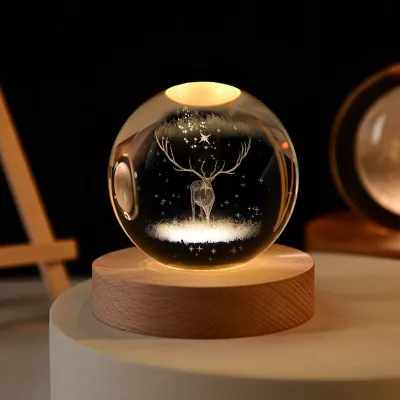
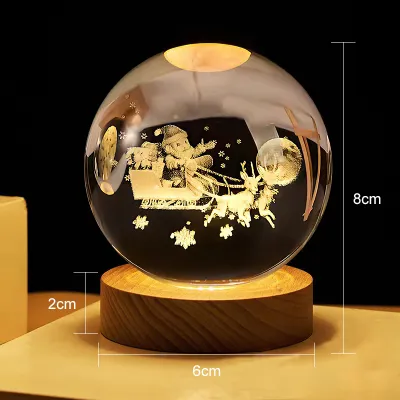

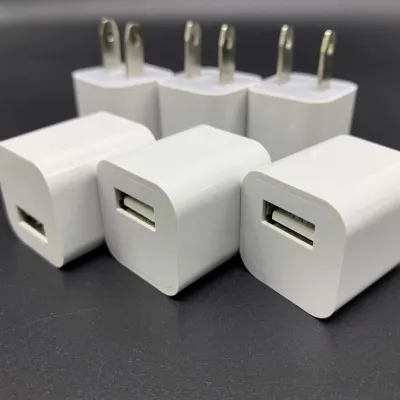

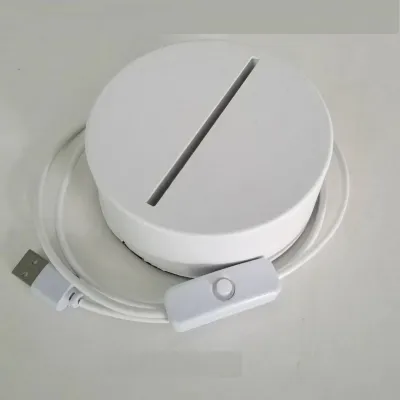

Prices are valid at publication and may change. Please refer to the product page for the latest price.
The intended use directly dictates the necessary brightness levels and how the light should diffuse across your walls. For functional paths, look for designs that cast light downward or outward in a controlled pattern to prevent direct glare. If your goal is purely decorative, a softer, more diffused glow that highlights the lamp’s intricate engraving is often more desirable.
Consider also the psychological impact of different lighting styles on your sleep hygiene. Harsh, bright white light can disrupt your body’s natural melatonin production, making it harder to fall asleep. Opting for warm, low-intensity tones helps signal to your brain that it is time to wind down, turning your bedroom into a peaceful sanctuary.
Step 2: Measure Your Space and Check Power Requirements
A 3D night lamp must physically fit your space and integrate seamlessly with your electrical setup. Start by measuring the surface area of your bedside table, floating shelf, or desk to ensure the lamp’s base does not overcrowd the surface. A base that is too large can easily be knocked over, while a tiny lamp might get lost among your other decor items.

Next, verify the power source options and ensure they match your room’s layout. Many modern 3D lamps use a standard USB connection, which offers excellent flexibility since you can power them via a wall adapter, a power bank, or even a laptop. If you plan to plug the lamp directly into a wall outlet, verify that the adapter’s voltage rating is compatible with the standard 220V electrical grid in the Philippines, and check that the plug shape matches your wall sockets.
Cable management is another crucial factor, especially in high-traffic areas or compact condo layouts. Plan your cable routing carefully to keep cords tucked away behind furniture, which maintains a clean aesthetic and eliminates tripping hazards. If an outlet is not nearby, consider a battery-operated model, keeping in mind the ongoing cost or recharging cycle of the batteries.
Step 3: Select a 3D Design That Fits Your Aesthetic
The magic of a 3D night lamp lies in its optical illusion, which is typically achieved through precise manufacturing techniques. The most common method involves a flat acrylic panel engraved with laser lines that refract light, creating the appearance of a three-dimensional object floating in space. Another popular style uses layered paper cutouts inside a shadow box, which relies on physical depth and backlighting to create a dramatic, multi-dimensional scene.
When choosing a design, select a theme that complements your existing interior decor. A geometric or abstract pattern works beautifully in modern, minimalist spaces, while nature-inspired designs like trees, moons, or animals add a soft, organic touch to traditional bedrooms. If you are decorating a child’s room, playful or whimsical shapes can provide a comforting presence throughout the night.
Do not forget to evaluate how the lamp looks during the day when it is turned off. High-quality acrylic panels and well-crafted wooden or matte-finished bases look like elegant, modern sculptures even in broad daylight. Avoid cheap, overly reflective plastics that might look cluttered or out of place when the sun is shining through your windows.
Step 4: Evaluate Light Quality and Control Features
The quality of light emitted by your 3D lamp directly affects your comfort and the overall atmosphere of your room. Look for lamps that offer adjustable color temperatures, allowing you to switch between warm white, neutral white, and cool white. Warm white (around 2700K to 3000K) is ideal for winding down before bed, while a slightly cooler tone can be useful if you need a bit more visibility for light reading.
Dimming capabilities are essential for a true night lamp, as they allow you to lower the brightness to a level that does not disrupt your sleep. Many models also feature multi-color RGB modes, letting you cycle through various hues to match your mood or create a specific ambient effect. Ensure these transitions are smooth rather than flashing, which can be distracting and overstimulating at night.
Consider how you will interact with the lamp’s controls on a daily basis. Touch-sensitive sensors built into the base offer a sleek, modern feel, while remote controls allow you to adjust settings without getting out of bed. For ultimate convenience, look for models with built-in timer functions that automatically shut the lamp off after a set period, helping you conserve energy once you have fallen asleep.
Step 5: Verify Material Safety and Build Quality
Safety should always be a primary consideration when selecting any electrical fixture for your home. Before purchasing, check the product packaging or online specifications for recognized electrical safety certifications. In the Philippines, look for marks indicating compliance with local safety standards, or international certifications like CE and RoHS, which verify that the product meets strict safety and environmental guidelines.
Examine the physical construction of the lamp, paying close attention to the stability of the base. A weighted base made of solid wood, thick acrylic, or heavy-duty plastic prevents the lamp from tipping over if accidentally bumped in the dark. The acrylic panel itself should fit snugly into the base slot without wobbling, ensuring a secure connection and consistent light transmission.
Finally, read the manufacturer’s guidelines regarding heat dissipation and continuous operation. Because 3D night lamps typically use energy-efficient LEDs, they generate very little heat compared to traditional bulbs. However, it is still important to ensure the base has adequate ventilation and that you do not cover the lamp with fabrics or place it in a tightly enclosed space where heat could build up over time.
Step 6: Set Your Budget and Compare Options
Setting a clear budget helps narrow down your choices and ensures you get the best value for your money. Basic 3D night lamps with single-color LEDs and simple plastic bases are highly affordable, often priced between ₱200 and ₱500. If you prefer premium materials like solid wood bases, multi-color RGB lighting, remote controls, or smart home integration, expect to invest between ₱600 and ₱1,500.
When you are ready to buy, compare options across authorized brand stores and reputable online marketplaces. Check the seller’s warranty terms and return policies to protect your purchase against manufacturing defects or damage during transit. A reliable seller will typically offer a straightforward return window and clear customer support channels.
Take the time to read verified buyer reviews, focusing specifically on real-world performance rather than promotional photos. Look for feedback regarding the actual quality of the 3D illusion, whether the light is distributed uniformly across the panel, and how well the switch or remote functions over several months of daily use. Photos uploaded by actual customers are incredibly helpful for assessing how the lamp looks in a real room setting.
Frequently Asked Questions (FAQ)
Do 3D night lamps consume a lot of electricity?
No, 3D night lamps are highly energy-efficient because they utilize light-emitting diode (LED) technology. To verify the exact power usage of a specific model, check the wattage rating printed on the product label or the power adapter, which typically ranges from 1W to 5W. Compared to traditional incandescent night lights that often consume 15W to 40W, an LED-based illusion lamp uses only a fraction of the electricity, resulting in negligible impact on your monthly household utility bill even with daily use.
Can I leave a 3D night lamp on all night?
While most LED 3D night lamps are designed to run cool and can safely operate for extended periods, you should always consult the manufacturer’s instructions for specific continuous run-time limits. If the user manual advises against leaving the lamp on indefinitely, or if you want to maximize the lifespan of the LEDs, consider using a model with a built-in auto-shutoff timer. Alternatively, you can plug the lamp into a standard smart plug or a mechanical outlet timer to automatically cut the power after you fall asleep.
Why does the 3D effect look flat in person?
The 3D effect relies on an optical illusion created by light refracting through engraved lines on a flat acrylic panel, which requires specific conditions to work effectively. If the effect looks flat, ensure you are viewing the lamp from the intended angle and from a distance of at least one to two meters in a dimly lit or dark room, as bright ambient light can wash out the illusion. Additionally, double-check that you have completely peeled off the brown or clear protective paper film from both sides of the acrylic panel, as leaving this film on blocks the light and ruins the visual depth.

Community discussion
Share your experience or ask a question. Comments are reviewed before publication.